João 3
Handr Taara · Toque num versículo para ver as referências cruzadas.
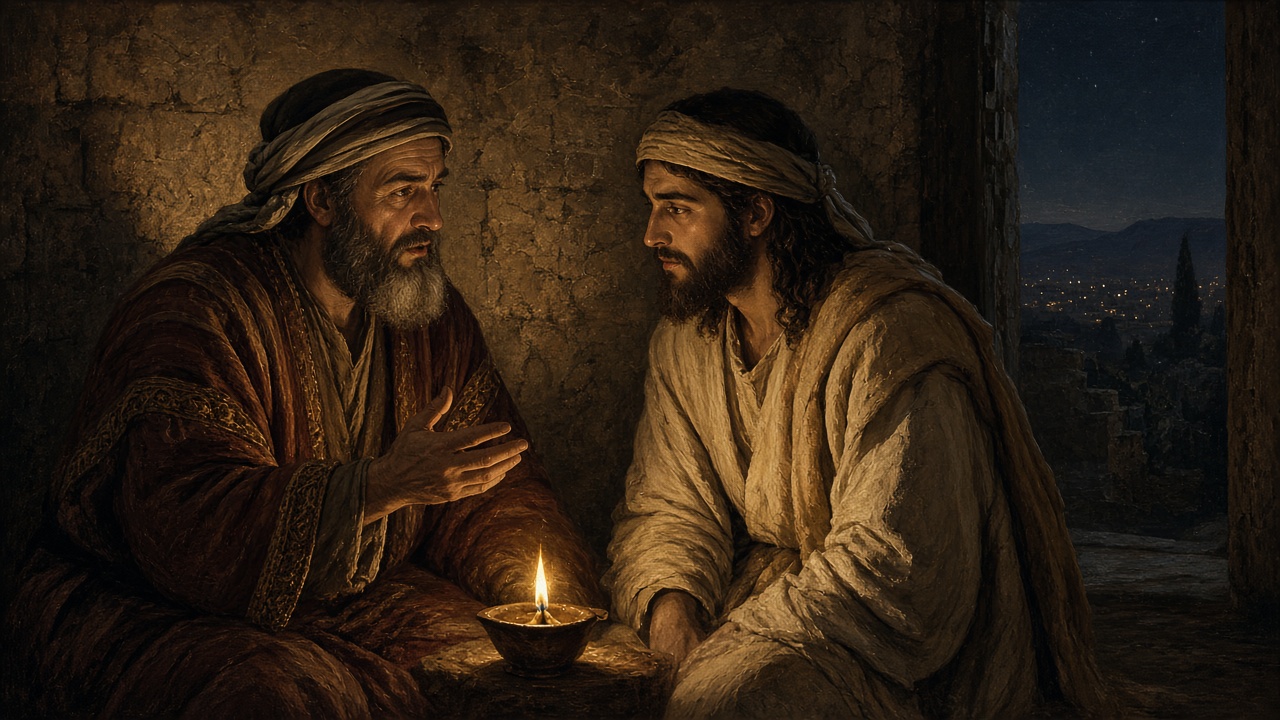
Nik'odimos aashon Iyesusok b́waatsok'o
1Nik'odimosi eteets ash iko fa'e b́tesh, bíewere ferisawino eteef́wts jirwotts Ayhudi naasha b́tesh. 2Ashaan t'úwon Iyesusok waat, «Danifono, Ik'o bínton b́wotiyala bako nee n k'aliru adits keewanotsi k'alosh falituwo konuwor aaliye, manshe nee Ik'oke waats danifo nwottsok'o danfone» bí et.
3Iyesuswere, «Arikon arikoniye itsh keewirwe, asho aani gitlo shuweratse wotiyal Ik'i mengsto bek'osh falratse» bíet.
4Nik'odimoswere, «Eshe, asho bí enashiyakon awuk'o k'alrniya b́ shuweti? Gitlo indumac'ots kindrniya shuweyo b́ falitik'úna?» eton bíaati.
5Iyesuswere hank'o ett bíaaniy, «Ariko, arikoniye neesh t keewiri, asho Shayronat aatson b́shuweyala bako Ik'i mengstots kindo falratse. 6Meetsatse shuwetso meetse, Shayiron shuwetsonmo Shayire. 7Mansha ‹Gitlo shuwewo itsh geyife› neesh tiettsotse adk'aye. 8Jongo b́shuntso mande b́jongefoni, b́ k'arono shishetwone, ernmó aawoke b́weyirwok'onat aawok bíamiruwok'o danatsne, mank'o shayirats shuwets jamo mank'oyiye.»
9Nik'odimosuwere, «Aawuk'oneya hank'o woto b́faliti?» ett bíaati.
10Iyesuswere hank'o ett bísh bíaniyi, «Nee Isra'elsh danifo wotefetsat han danafa'i? 11Ariko arikoniye neesh tietiry, nodantso keewirwone, no bek'tsonowere gawirwone, itmó no gawts gawo de'atste. 12Datsatsi keewo itsh tkeewor amaneratste wotiyal daratsi keewo itsh t keewor aawk'oneya it amaniti? 13Darotse oot'ts ash na'oniye okoon daromaand keshtso konwor aaliye.
14«Muse worwotse dawunzo dambaan k'aaúdek't b́ jittsok'o mank'o ashna'o dambaan tuuzde'er bín jiito geyife. 15Han b́wotirwonwere bín amants jametswots dúre dúri beyo bo datsitwok'owe.
16«Bín amanit jametswots dúre dúri beyo b́ daatsituwok'owa bako b́ t'afrawok'o Ik'o datsu ayidek't b́shuntsotse ik s'uzo b́naayi b́ imi. 17Ik'o b́naayi datsats b́ wosh, datso b́naayn b́ kashitwok'owa bako datsuwats b́ angshishaliye.
18«Bín amantso ats angsheratse, bín amanerawonmó ik s'uz Ik' na'o shútson amano b́ k'aztsosh shinor bíats angshk'reke. 19Angshonúwere haniye, shááno datsats waare, ashuwotsmó bo fino gond b́ wottsotse sháánoniyere t'aluwo boshuni. 20Gond fin fints jamo shááno shunaka, b́ gond fino b́be'erawok'o sháánomand warake. 21Arik wotts keewo finirúwonmó sháánomanda b́ waafo, shááno maants b́weyiruwere b́o fints keewo Ik'i alok'on b́ wottse sháánatse b́ be'etwok'owa.»
Gupfo Yohans Iyesus jangosh b́gawtsok'o
22Maniye hakon Iyesus b́ danifwotsnton Yihud datsomand bíami, manoknowere gupfetst bonton muk'i b́ teshi. 23Manoor Yohanswere aats ayi beyoke Salem ganoke Henoni eteets beyoke b́gupfera b́tesh, ashuwotswere waatni bo gupefo. 24Manoor Yohans tiperafa'e b́tesh.
25Manoor Yohans danifuwotsnat ayhudi iko dagotse nemok'on s'ayini jango moosho tuu b́gutsi. 26Yohans danifuwots Yohans maants t'int «Danifono! andi Yordanosiye bak'etse neenton teshtso, nee b́ jangosh n gawtso, hambe! bíwere gupe b́gupiri, ash jametsutswere b́ maants amirune» boeti.
27Yohans hank'owa ett bíaaniy, «Ik'o bísh b́ imala bako konwor b́wotiyal asho eegor dek'o falratse, 28‹B́ shin shinatsna taan wosheyi bako, taa Krstostanaliye› etaat tkeewtsok'osh it it tookonor gawu itne. 29Guyu mootse detsts ashoniye guyee, ernmó guuyo mashiye guuyo ganoke ned'deniye bín b́k'ebetiye, b́ k'aaro shishono gene'úwitwe, manshe t gene'oniye haniye, bíwere and s'eengutserere. 30Bí dambaan dambaan eto bísh geyife, taamo dashan dashan eto taash geyife.»
31Dambe weetwo jametsoniyere boge, daatse wottso datsike, b́ keewirwonwere dastatsi keewe, darotse watso jamoniyere dambe. 32Bí b́bek'tsonat b́ shishtsone b́gawitiye, errnmó b́ gawuts gawo dek'etwo aaliye. 33B́ gawts gawo dek'etwonmó Ik'o arik b́ wottsok'o daniytwe. 34Ik'o b́ S'ayin shayiro b́ imfo tatsde b́ woterawotse Ik'i woshtso Ik'i aap'o keewitwe.
35Ik'o niho b́ naayi shunfee, jam keewonowere b́ naaysh kishots imk'rere. 36Nayon amantso dúredúr kasho detsfe, naayo n amanerawonmó Ik'i fayo bíatse b́wotiti bako kasho daatsratse.
Você sabia?
O novo nascimento e o testemunho de João
- Nicodemos, cujo nome significa "o povo é vencedor", era fariseu e membro do Sinédrio. Ele foi a Jesus de noite para conhecer melhor o seu ensino, e o Evangelho o chama de líder dos judeus; Jesus se dirige a ele como mestre de Israel.Fontes: Nicodemus · o próprio texto bíblico
- Depois dessa conversa, Jesus e seus discípulos foram para a região rural da Judeia, que sob os romanos era a mais meridional das três divisões da Palestina. João também batizava em Enom, perto de Salim, porque ali havia água em abundância; Salim, cujo nome significa "pacífico", ficava a oeste do Jordão. Enom significa "fontes", e o Dicionário Bíblico de Easton (1897) situa o lugar provavelmente perto da nascente superior do Wady Far'ah, um vale aberto cheio de fontes que vai do monte Ebal até o Jordão.Fontes: o próprio texto bíblico · Judea · Aenon · Salim
- Neste capítulo, João diz a seus discípulos que não é o Cristo, mas que foi enviado adiante dele, e a narrativa observa que ele ainda não tinha sido preso. O Dicionário Bíblico de Easton (1897) o descreve como o precursor de Jesus, de descendência sacerdotal, e diz que sua missão foi objeto de profecia.Fontes: o próprio texto bíblico · John the Baptist
Notas escritas com auxílio de IA a partir de fontes abertas (Theographic Bible Metadata, CC BY-SA 4.0; Easton’s Bible Dictionary, domínio público) e revisadas antes de publicar.
Lugares deste capítulo
- Jerusalem · 31.777, 35.234 · versículo 22
- Judea · Hoje: Judea 1 · 31.777, 35.234 · versículo 22
- Jordan · Hoje: Jordan River · 31.761, 35.558 · versículo 26
Só aparecem lugares com identificação de alta confiança (90% ou mais segundo as fontes acadêmicas reunidas pelo OpenBible). Mapa da época: DARE (Digital Atlas of the Roman Empire), CC BY 4.0; mapa atual: © colaboradores do OpenStreetMap; lugares: OpenBible.info (CC BY 4.0).
Créditos e licença desta tradução
Handr Taara
The New Testament in the Borna Language of Ethiopia (Handr Taara)
copyright © 2018 The Word for the World International
Language: Borni (Borna)
Contributor: The Word for the World Southern Africa
Handr Taara
The New Testament in Borna in Latin version
The Word for the World
This translation is made available to you under the terms of the
Creative Commons Attribution license 4.0.
You may share and redistribute this Bible translation or extracts from it in any format, provided that:
You include the above copyright and source information.
If you make any changes to the text, you must indicate that you did so in a way that makes it clear that the original licensor is not necessarily endorsing your changes.
Pictures included with Scriptures and other documents on this site are licensed just for use with those Scriptures and documents.
For other uses, please contact the respective copyright owners.
Note that in addition to the rules above, revising and adapting God's Word involves a great responsibility to be true to God's Word. See Revelation 22:18-19.
2023-04-08
Fonte: http://ebible.org/bwo/ · eBible.org