Salmos 27
Luda yã takada kↄ̃n Bokobaru yão · Toque num versículo para ver as referências cruzadas.
Diin ma gupuraa ũ
Dauda lɛ̀.
1Diin ma gupuraa ũ kↄ̃n ma mìsirio,
dén mɛ́ vĩa kɛnɛ?
Diin ma utɛkii ũ,
dé vĩa bé eé ma kũu?
2Tó gbɛ̃ zaaanↄ lɛ̀ɛma lɛ wà ma kɛ gyáigyai
ke tó ma ibɛɛnↄ kↄ̃n ma zangurinↄ fɛ̀ɛmazi,
aↄ̃é gɛ̃̀n sí wà lɛ́ɛ.
3Baa tó zĩ̀karinↄ lìgamazi,
ma kù é vĩro,
baa tó gbɛ̃nↄ fɛ̀ɛmazi kↄ̃n zĩ̀o,
ma làakari égↄ̃ kpaɛnamɛ.
4Yã mɛ̀n don mɛ́ɛ gbekaa Diia,
yã pìn mɛ́ɛ wɛtɛɛ maamaa.
Má yezi màgↄ̃ kú Dii ua ai ma wɛ̃̀ndi lɛ́n,
lɛ màgↄ̃ à wɛ́ɛ wɛtɛ à kpɛ́n gwe,
mɛ́ wɛ́ɛ pɛ́ à maakɛɛa.
5Eé ma utɛ a kpɛ́n nawɛ̃akɛgurↄ,
eé ma gwa a bisakutaan,
eé ma zɛ gbɛ̀ musu aafia.
6Ma mì é gbã à dɛ ma ibɛɛ kɛ̀ aↄ̃ↄ ligamaziinↄ pↄ́la,
mɛ́ saa o Dii ua kↄ̃n gudakɛnao,
mɛ́ lɛ̀ sí mà à sáabu kpá.
7Tó ma n sisi Dii, ǹ wemala,
ǹ ma wɛ̃nda gwa, nɛ́ ma yã ma.
8Ma nↄ̀sɛ e lɛ́ daama mà n wɛ́ɛ wɛtɛ,
Dii, mɛ́ɛ n wɛ́ɛ wɛtɛɛ.
9Ǹton mìkpɛɛ zu mamↄma n zↄ̀blerinɛro,
ǹton kpɛɛ limɛ kↄ̃n pↄfɛ̃oro.
Ma dↄnlɛrin n ũ, ǹton ma zĩnnaro,
Luda ma mìsiri, ǹton ma tónlo.
10Tó ma de kↄ̃n ma dao pã kpàmazi,
Dii é ma sí.
11Dii, ǹ n yãzɛdee damɛ,
ǹ dↄmɛ aɛ zɛ́ súusu guu ma wɛ́ɛtãmmarinↄ yãnzi.
12Ǹton tó ma ibɛɛnↄ pↄyeziyã kɛ ma musuro,
zaakɛ sèeda ɛgɛdeenↄↄ e yã diima,
gbɛ̃ pãsĩnↄↄ e pↄ́ bↄↄ ń yĩzĩ.
13Má yã kɛ̀kii náanɛkɛna,
kɛ̀ Dii é à maaa kɛmɛ anduna kɛ̀ guu.
14Ǹ wɛ́ɛ dↄ Diizi,
ǹ zɛ gbãa, nɛ́ n làakari kpáɛ,
ǹ wɛ́ɛ dↄ Diizi.
Você sabia?
Confiança na Proteção e Presença de Deus
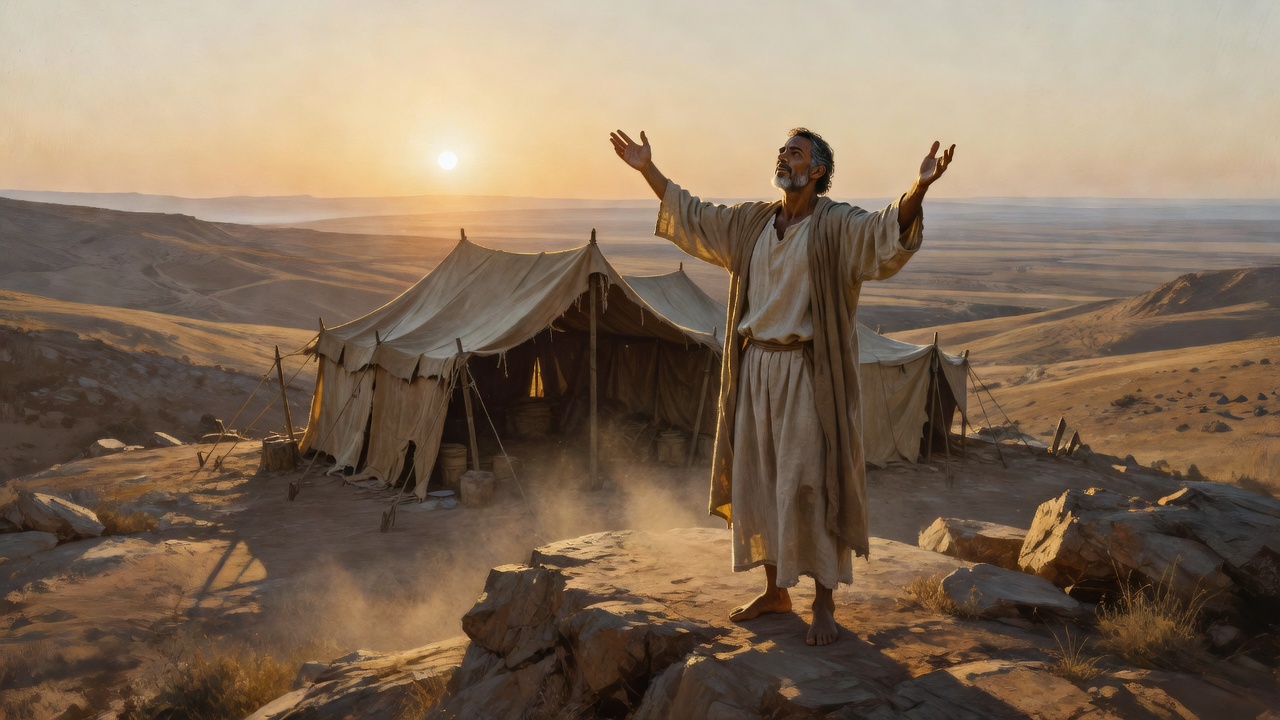
- O salmo associa repetidamente a segurança divina ao espaço sagrado, retratando a presença de Deus como abrigo, tenda e casa onde o adorador pode contemplar a beleza de Deus e oferecer sacrifícios com cânticos de alegria.Fontes: o próprio texto bíblico
- As ameaças descritas vão desde exércitos sitiantes e combates de guerra até perigos judiciais pessoais, especificamente testemunhas falsas que se levantam respirando violência contra o salmista.Fontes: o próprio texto bíblico
- A expressão buscar a face de Deus é central na súplica do salmista, representando o anseio por comunhão relacional direta e favor divino, em vez do ocultamento ou abandono por parte de Deus.Fontes: o próprio texto bíblico
Notas escritas com auxílio de IA a partir de fontes abertas (Theographic Bible Metadata, CC BY-SA 4.0; Easton’s Bible Dictionary, domínio público) e revisadas antes de publicar.
Créditos e licença desta tradução
Luda yã takada kↄ̃n Bokobaru yão
The New Testament and portions of the Old Testament in the Bokobaru language of Nigeria
copyright © 2005 SIM International
Language: Bokobaru
Translation by: SIM
This translation text is made available to you under the
terms of the Creative Commons License: Attribution-Noncommercial-No Derivative Works.
( http://creativecommons.org/licenses/by-nc-nd/3.0/ )
In addition, you have permission to port the text to different file formats, as long as you
do not change any of the text or punctuation of the Bible.
You may share, copy, distribute, transmit, and extract portions
or quotations from this work, provided that you include the above copyright
information:
You must give Attribution to the work.
You do not sell this work for a profit.
You do not make any derivative works that change any of the actual words or punctuation of the Scriptures.
Permissions beyond the scope of this license may be
available if you contact
us with your request.
This translation is made available to you under the terms of the
Creative Commons Attribution-Noncommercial-No Derivatives license 4.0.
You may share and redistribute this Bible translation or extracts from it in any format, provided that:
You include the above copyright and source information.
You do not sell this work for a profit.
You do not change any of the words or punctuation of the Scriptures.
Pictures included with Scriptures and other documents on this site are licensed just for use with those Scriptures and documents.
For other uses, please contact the respective copyright owners.
2014-09-22
Fonte: http://ebible.org/bus/ · eBible.org