Gênesis 34
Luda yã takada kↄ̃n Bokobaru yão · Toque num versículo para ver as referências cruzadas.
Sɛkɛmu kusina Dinaa
1Lea nɛ́nↄgbɛ̃ Dina kɛ̀ à ì kↄ̃n Yakubuo bↄ̀ à wɛ́ɛ kpáɛ bùsu pì nↄgbɛ̃nↄzi. 2Kɛ̀ bùsu pì kí Amↄ nɛ́ Sɛkɛmu, Ivi borii à è, à à sɛ̀ gbãaao, ben à dàɛo. 3À pↄↄ dↄ nↄkparɛ pìa à yezi, ben à yã nnannaa ònɛ. 4Ben Sɛkɛmu bè a denɛ: Ǹ nɛ́nↄkparɛ beee wɛtɛmɛ mà sɛ́. 5Kɛ̀ Yakubu mà wà a nɛ́nↄgbɛ̃ kpɛ bↄ̀, à nɛ́nↄↄ kú sɛ̃̀n kↄ̃n à pↄ́kãdeenↄ, ben à yĩ̀tɛ ai aↄ̃ sù. 6Ben Sɛkɛmu de Amↄ gàa à Yakubu le à yã pì onɛ. 7Kɛ̀ Yakubu nɛ́nↄ bↄ̀ sɛ̃̀n wà sù, ben aↄ̃ yã pì mà gↄ̃ↄ. Aↄ̃ nↄ̀sɛ yàka aↄ̃ pↄ fɛ̃̀ maamaa, kɛ̀ Sɛkɛmu wíyã kɛ̀ Isarailinↄnɛ yãnzi, à dàɛ kↄ̃n Yakubu nɛ́nↄgbɛ̃o à yã kɛ̀ dɛ wà kɛroo kɛ̀. 8Ben Amↄ bèńnɛ: Ma nɛ́ Sɛkɛmu pↄↄ dↄ a nɛ́nↄgbɛ̃a. A yã nna. À à kpáa nↄↄ ũ. 9Wà lɛdolɛ kɛ wàgↄ̃ wa nɛ́nↄgbɛ̃nↄ kpãsãakↄ̃a. 10Àgↄ̃ kúwao, wa bùsu kuu a pↄ́ ũmɛ. À vɛ̃ɛn àgↄ̃ laa taan àgↄ̃ tↄↄtɛ vĩ. 11Ben Sɛkɛmu ò Dina de kↄ̃n à dãgↄ̃nↄnɛ à bè: À tó mà a pↄnnaa e. Pↄ́ kɛ̀ a be mà kpáawa mɛ́ kpá. 12À anzureblebↄ lɛ́ damɛ bíta kↄ̃n gbaanↄ paripari. Pↄ́ kɛ̀ á ò mɛ́ kpá. À nɛ́nↄkparɛ pì kpáma nↄↄ ũ.
13Ben Yakubu nɛ́nↄ wè Sɛkɛmu kↄ̃n à de Amↄola kↄ̃n mↄnafikio kɛ̀ Sɛkɛmu ń dãre kpɛ bↄ̀ yãnzi. 14Aↄ̃ bèńnɛ: Wé fↄ̃ wà beee kɛro, wé fↄ̃ wà wa dãre kpá gɛfↄↄdeearo, zaakɛ wíyãmɛ wa kiia. 15Wé we a yãziro, séto à gↄ̃ lán wapinↄ bà a gↄ̃gbɛ̃nↄ bã̀ngu kɛ ń píngi. 16Tó a bã̀ngu kɛ̀, wé wa nɛ́nↄ kpãsãawa wé a nɛ́nↄ sɛ́ nↄↄ ũ. Wégↄ̃ kúao, wé gↄ̃ bori dↄ̃nkↄ̃nↄ ũ. 17Mↄde tó ée we wa yãziro, tó ée bã̀ngu kɛro, wé wa dãre sɛ́ wà táomɛ. 18Yã pì kɛ̀ Amↄ kↄ̃n a nɛ́ Sɛkɛmuonɛ nna. 19Gↄ̃kparɛ pì yã pì gↄ̃̀gↄ̃ kpakpaa kɛ̀ Yakubu nɛ́nↄgbɛ̃ yã kànɛ yãnzi. À bɛ̀ɛ vĩ dɛńla a de bɛdeenↄ tɛ́.
20Amↄ kↄ̃n a nɛ́ Sɛkɛmuo gàa ń wɛ́tɛ bĩilɛa, ben aↄ̃ yã ò kↄ̃n wɛ́tɛdeenↄ wà bè: 21Gbɛ̃ pìnↄ yãke vĩwaoro. Wà tó aↄ̃gↄ̃ kú wa bùsun aↄ̃gↄ̃ laa taa, zaakɛ bùsu pì yàasa eé mↄ́wa. Wé ń nɛ́nↄgbɛ̃nↄ sɛ́ wé wa nɛ́nↄ kpáḿma. 22Gbɛ̃ pìnↄ sↄ̃ é we wàgↄ̃ kúwao lɛ wà gↄ̃ bori dↄ̃nkↄ̃ ũro, séto èe kɛ wa gↄ̃gbɛ̃ píngi bã̀ngu kɛ̀ lán ń bà baasiro. 23Aↄ̃ pↄ́kãdeenↄ kↄ̃n ń auzikinↄ kↄ̃n ń zùnↄ píngi é gↄ̃ wa pↄ́ ũroo? Wà weńnɛ lɛ aↄ̃gↄ̃ kúwao. 24Wɛ́tɛ pì deenↄ Amↄ kↄ̃n a nɛ́ Sɛkɛmuo yã mà, ben aↄ̃ gↄ̃gbɛ̃nↄ bã̀ngu kɛ̀ ń píngi.
25À gurↄ aagↄ̃dee zĩ, kɛ̀ aↄ̃ↄ kú kↄ̃n wãwãao aↄ̃ↄ kú kↄ̃n yãke laasuuoro, Yakubu nɛ́ gↄ̃ↄn plaaanↄ Simɛↄ kↄ̃n Levio, Dina vĩ̀inↄ, aↄ̃ baade a fɛ̃ɛdaa sɛ̀ aↄ̃ sì wɛ́tɛ aↄ̃ gↄ̃gbɛ̃nↄ dɛ̀dɛ ń píngi. 26Aↄ̃ Amↄ kↄ̃n a nɛ́ Sɛkɛmuo dɛ̀dɛ, ben aↄ̃ Dina sɛ̀ aↄ̃ bↄ̀o Sɛkɛmu kpɛ́n aↄ̃ tào. 27Wɛ́tɛdeenↄ dɛdɛna gbɛra Yakubu nɛ́nↄ mↄ̀ wà wɛ́tɛ pↄ́nↄ nàkↄ̃a kɛ̀ wà wí dà ń dãrea yãnzi. 28Aↄ̃ ń sãanↄ kↄ̃n ń blènↄ sɛ̀ɛ kↄ̃n ń zùnↄ kↄ̃n ń zaakinↄ, pↄ́ kɛ̀ aↄ̃ↄ kú wɛ́tɛ guunↄ kↄ̃n pↄ́ kɛ̀ aↄ̃ↄ kú ń buraanↄ píngi. 29Aↄ̃ ń auzikinↄ sɛ̀ɛ píngi kↄ̃n ń nɛ́nↄ kↄ̃n ń nↄgbɛ̃nↄ kↄ̃n pↄ́ kɛ̀ kú ń bɛɛnↄ píngi.
30Ben Yakubu bè Simɛↄnɛ kↄ̃n Levio: A sumɛ yã zaaao. Kanaanↄ kↄ̃n Pɛrizinↄ kↄ̃n bùsu kɛ̀kii bori pãndenↄ égↄ̃ ye ma kãziro. Lán wá pariro nà, tó aↄ̃ lìgawazi, tó aↄ̃ sìwagu, aↄ̃é ma dɛ kↄ̃n ma boriinↄo píngimɛ. 31Ben aↄ̃ wèàla wà bè: Kɛ̀ à wa dãre dìɛ kaarua ũ, beee maan gweↄ́?
Você sabia?
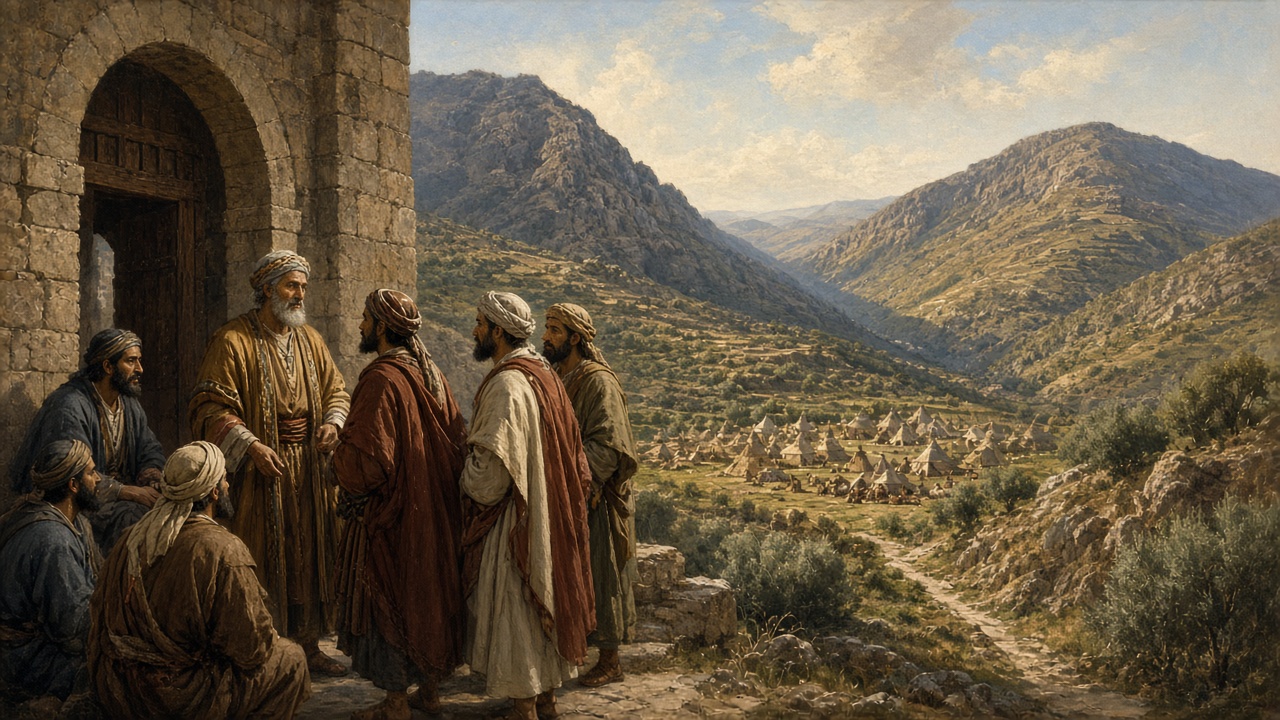
Diná e a cidade de Siquém
- Diná, filha de Jacó e Lia e irmã de Simeão e Levi, foi tomada à força por Siquém, filho de Hamor, o heveu. Simeão e Levi mataram então Hamor, Siquém e os homens da cidade; Jacó disse que eles o haviam tornado um fedor para os cananeus e os ferezeus e, ao morrer, pronunciou uma maldição contra Simeão.Fontes: Dinah · Simeon · o próprio texto bíblico
- A cidade de Siquém ficava num vale estreito e abrigado, entre o monte Ebal ao norte e o monte Gerizim ao sul, separados na base por apenas umas quinhentas jardas. Depois de voltar da Mesopotâmia, Jacó comprou ali uma porção de campo dos filhos de Hamor. O nome de Hamor é explicado como 'jumento', e Atos 7:16 o chama Emmor.Fontes: Shechem · Hamor
- Os heveus eram um dos povos espalhados desde o Hermom até Gibeão, ao sul; o nome é interpretado como 'gente das terras do meio' ou 'aldeões', e eles provavelmente eram um ramo dos hititas. Hamor, o heveu, é descrito como príncipe da terra na época do retorno de Jacó, e a narrativa chama seu filho Siquém o mais respeitado de toda a casa de seu pai.Fontes: Hivite · o próprio texto bíblico
Notas escritas com auxílio de IA a partir de fontes abertas (Theographic Bible Metadata, CC BY-SA 4.0; Easton’s Bible Dictionary, domínio público) e revisadas antes de publicar.
Créditos e licença desta tradução
Luda yã takada kↄ̃n Bokobaru yão
The New Testament and portions of the Old Testament in the Bokobaru language of Nigeria
copyright © 2005 SIM International
Language: Bokobaru
Translation by: SIM
This translation text is made available to you under the
terms of the Creative Commons License: Attribution-Noncommercial-No Derivative Works.
( http://creativecommons.org/licenses/by-nc-nd/3.0/ )
In addition, you have permission to port the text to different file formats, as long as you
do not change any of the text or punctuation of the Bible.
You may share, copy, distribute, transmit, and extract portions
or quotations from this work, provided that you include the above copyright
information:
You must give Attribution to the work.
You do not sell this work for a profit.
You do not make any derivative works that change any of the actual words or punctuation of the Scriptures.
Permissions beyond the scope of this license may be
available if you contact
us with your request.
This translation is made available to you under the terms of the
Creative Commons Attribution-Noncommercial-No Derivatives license 4.0.
You may share and redistribute this Bible translation or extracts from it in any format, provided that:
You include the above copyright and source information.
You do not sell this work for a profit.
You do not change any of the words or punctuation of the Scriptures.
Pictures included with Scriptures and other documents on this site are licensed just for use with those Scriptures and documents.
For other uses, please contact the respective copyright owners.
2014-09-22
Fonte: http://ebible.org/bus/ · eBible.org