Gênesis 17
Luda yã takada kↄ̃n Bokobaru yão · Toque num versículo para ver as referências cruzadas.
Bã̀ngukɛna yã
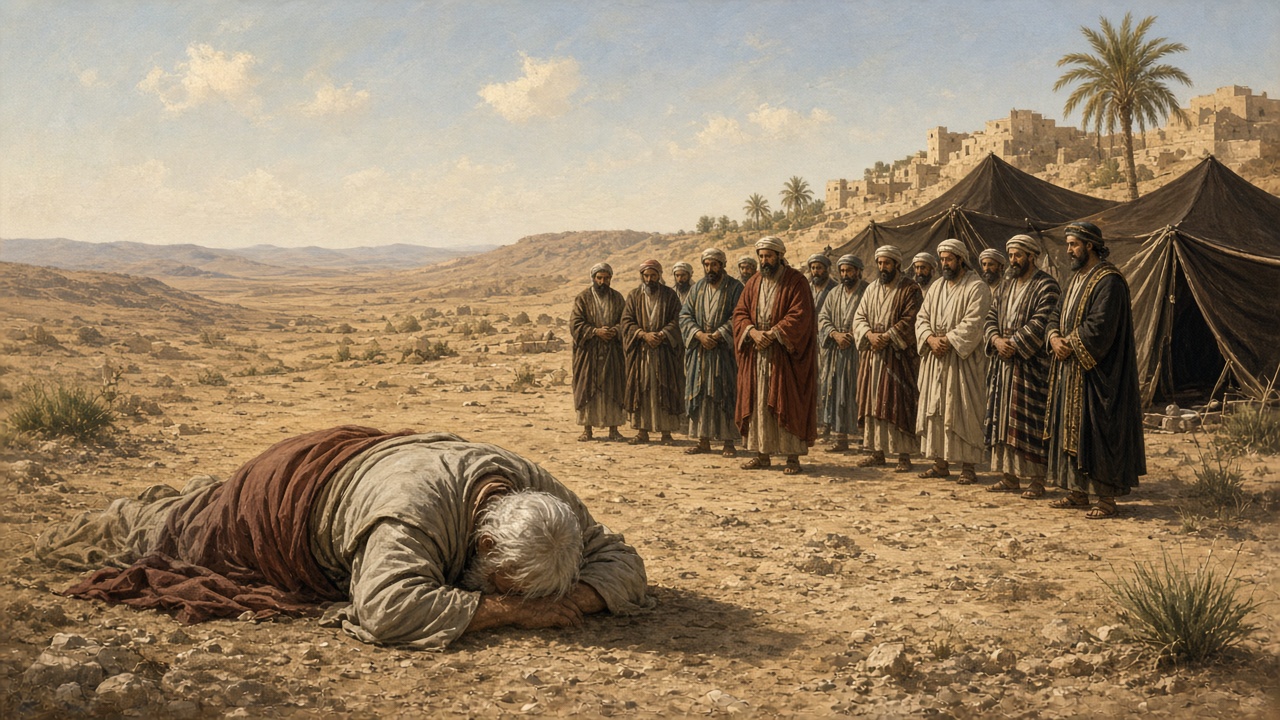
1Kɛ̀ Abramu kà wɛ̃̀ basↄↄro dosai, Dii bↄ̀ à mↄ̀zi à bè: Luda Gbãabitaden ma ũ. Ǹ táa omao ǹgↄ̃ kuu taari sai. 2Ma bà kuunanyo égↄ̃ gaa, mɛ́ n borii kaarannɛ maamaa. 3Abramu dàɛ a puua Luda aɛ, ben Luda bènɛ: 4Lán ma bà kúnyo nà, nɛ́ gↄ̃ bori pariinↄ dezi ũ. 5Weégae bennɛ Abramu dↄro, sé Ibraĩ, zaakɛ mɛ́ n kɛ bori pariinↄ dezi ũ. 6Mɛ́ tó n bori kɛ pari, boriinↄ kↄ̃n kínanↄ é bↄ n kiia. 7Ma bà égↄ̃ kúnyo kↄ̃n n boriinↄ ai gurↄ píngi. Mɛ́gↄ̃ dɛ n Luda ũ kↄ̃n n boriinↄ n gbɛra. 8Mɛ́ Kanaa bùsu kɛ̀ ń kú à guu nibↄ ũ kpámma píngi kↄ̃n n boriinↄ n gbɛra, lɛ aↄ̃gↄ̃ vĩ gurↄ píngi, mɛ́gↄ̃ dɛ ń Luda ũ.
9Luda ɛ̀ara à bè Ibraĩnɛ: Mpi kↄ̃n n boriinↄ, àgↄ̃ ma bà kuunaao yã kũna ai a boriia. 10Ma bà kuunaao yã kɛ̀ égↄ̃ kũnan yɛ̀, mpi kↄ̃n n boriinↄ. Séde a gↄ̃gbɛ̃ píngi bã̀ngu kɛ. 11À bã̀ngu kɛ ma bà kuunaao sèeda ũ. 12Séde n bori nɛ́gↄ̃gbɛ̃nↄ bã̀ngu kɛ ń gurↄ sↄraagↄ̃dee zĩ ai ń boriia, nɛ́ kɛ̀ wà ń í n bɛɛnↄ kↄ̃n zↄ̀ kɛ̀ wà ń lú bori pãndenↄanↄ ń píngi. 13Wà à ì n bɛn yoo kesↄ̃ wà lù zↄ̀ ũn yoo, sé à bã̀ngu kɛ. Beee égↄ̃ dɛ ma bà kuunaao gurↄ píngi sèeda ũ a mɛ̀a. 14Weé gɛfↄↄdee bↄ a gbɛ̃nↄ tɛ́, zaakɛ gbɛ̃ kɛ̀ èe bã̀ngu kɛro yã kɛ̀ má dìɛare kũnaro.
15Ben Luda ɛ̀ara à bè Ibraĩnɛ: Ǹton be n naↄ̃nɛ Sarai dↄro, ǹgae benɛ Sara sa. 16Mɛ́ aubarika dan mà tó à nɛ́ i gↄ̃gbɛ̃ ũ, eé gↄ̃ boriinↄ dazi ũ, bùsu kínanↄ é bↄ à kiia. 17Ben Ibraĩ dàɛ a puua Luda aɛ à yáa dↄ̀ à bè a nↄ̀sɛ guu: Gbɛ̃ kɛ̀ kà wɛ̃̀ basↄↄroo é nɛ́ iↄ́? Lán Sara kà wɛ̃̀ basiigↄ̃ akuri nà, eé nɛ́ iↄ́? 18Ben à ɛ̀ara à bè Ludanɛ: Ǹ sùu kɛ ǹ Sumaila gwa. 19Luda bè: Yãpura n naↄ̃ Sara é nɛ́ i gↄ̃gbɛ̃ ũ, nɛ́ tↄ́ kpánɛ Isaaku. Ma bà égↄ̃ kúo kↄ̃n à boriinↄ ai gurↄ píngi. 20Sumaila yã musu, ma n yã mà. Mɛ́ aubarika dan, eé nɛ́ i à kaara maamaa. Eé nɛ́gↄ̃gbɛ̃nↄ i gↄ̃ↄn kuri awɛɛplaa, aↄ̃é gↄ̃ kínanↄ ũ, à borii é kɛ pari. 21Baa kↄ̃n beeeo ma bà kuunanyo é gↄ̃ Isaakuamɛ. Zii mↄndaa'i Sara é à i. 22Kɛ̀ Luda yã ò Ibraĩnɛ à yã̀a, ben à à tò à tà musu.
23Ben Ibraĩ a nɛ́ Sumaila sɛ̀ kↄ̃n a bɛ gↄ̃gbɛ̃ kɛ̀ wà ń í a bɛɛnↄ kↄ̃n zↄ̀ kɛ̀ wà ń lúnↄ ń píngi, ben à bã̀ngu kɛ̀ńnɛ zĩ beeea gↄ̃ↄ lán Ludaa ònɛ nà. 24Ibraĩ kà wɛ̃̀ basↄↄro dosai, gbasa à bã̀ngu kɛ̀, 25à nɛ́ Sumaila sↄ̃ wɛ̃̀ kuri awɛɛ'aagↄ̃. 26Gurↄ dↄ̃nkↄ̃ pì zĩ Ibraĩ bã̀ngu kɛ̀ kↄ̃n a nɛ́ Sumailao 27kↄ̃n a bɛ gↄ̃gbɛ̃ kɛ̀ wà ń í a bɛɛnↄ kↄ̃n zↄ̀ kɛ̀ wà ń lú bori pãndeanↄ ń píngi. Aↄ̃ bã̀ngu kɛ̀ gurↄ dↄ̃nkↄ̃ zĩmɛ.
Você sabia?
Aliança, novos nomes e circuncisão
- Aos noventa e nove anos, Abrão recebeu o nome Abraão. O Dicionário Bíblico de Easton (1897) explica Abraão como “pai de uma multidão”, de acordo com a promessa de que ele seria pai de muitas nações. Sarai passou a chamar-se Sara, “princesa”, quando se anunciou que ela seria a mãe do filho prometido.Fontes: o próprio texto bíblico · Abraham · Sarah
- Naquele mesmo dia, Abraão e Ismael foram circuncidados, aos noventa e nove e aos treze anos, junto com todos os homens nascidos na casa ou comprados de um estrangeiro. Ismael, filho de Abraão com Agar, nascera em Manre quando Abraão tinha oitenta e seis anos. O sinal era exigido de todo varão aos oito dias, e Isaque, prometido a Sara para o ano seguinte, foi circuncidado mais tarde nessa idade.Fontes: o próprio texto bíblico · Ishmael (Son of Hagar) · Isaac
- Neste capítulo, a terra de Canaã, onde Abraão morava, é prometida a ele e a seus descendentes como posse eterna. O país tomou o nome de Canaã, filho de Cam. O Dicionário Bíblico de Easton (1897) diz que o uso fenício limitava primeiro o nome à planície costeira onde ficava Sidom, enquanto no tempo de Moisés e Josué o nome designava toda a terra a oeste do Jordão e do mar Morto; o nome significa “as terras baixas”, ao contrário de Gileade, a região montanhosa a leste do Jordão.Fontes: o próprio texto bíblico · Canaan · Canaan
Notas escritas com auxílio de IA a partir de fontes abertas (Theographic Bible Metadata, CC BY-SA 4.0; Easton’s Bible Dictionary, domínio público) e revisadas antes de publicar.
Lugares deste capítulo
- Canaan · 32.767, 35.333 · versículo 8
Só aparecem lugares com identificação de alta confiança (90% ou mais segundo as fontes acadêmicas reunidas pelo OpenBible). Mapa da época: DARE (Digital Atlas of the Roman Empire), CC BY 4.0; mapa atual: © colaboradores do OpenStreetMap; lugares: OpenBible.info (CC BY 4.0).
Créditos e licença desta tradução
Luda yã takada kↄ̃n Bokobaru yão
The New Testament and portions of the Old Testament in the Bokobaru language of Nigeria
copyright © 2005 SIM International
Language: Bokobaru
Translation by: SIM
This translation text is made available to you under the
terms of the Creative Commons License: Attribution-Noncommercial-No Derivative Works.
( http://creativecommons.org/licenses/by-nc-nd/3.0/ )
In addition, you have permission to port the text to different file formats, as long as you
do not change any of the text or punctuation of the Bible.
You may share, copy, distribute, transmit, and extract portions
or quotations from this work, provided that you include the above copyright
information:
You must give Attribution to the work.
You do not sell this work for a profit.
You do not make any derivative works that change any of the actual words or punctuation of the Scriptures.
Permissions beyond the scope of this license may be
available if you contact
us with your request.
This translation is made available to you under the terms of the
Creative Commons Attribution-Noncommercial-No Derivatives license 4.0.
You may share and redistribute this Bible translation or extracts from it in any format, provided that:
You include the above copyright and source information.
You do not sell this work for a profit.
You do not change any of the words or punctuation of the Scriptures.
Pictures included with Scriptures and other documents on this site are licensed just for use with those Scriptures and documents.
For other uses, please contact the respective copyright owners.
2014-09-22
Fonte: http://ebible.org/bus/ · eBible.org