Gálatas 2
Luda yã takada kↄ̃n Bokobaru yão · Toque num versículo para ver as referências cruzadas.
Pↄlu kↄ̃yãmana kↄ̃n zĩ̀ri kpaaanↄ
1Wɛ̃̀ gɛ̃ro dosai gbɛra ma ɛara ma gaa Yerusalɛmu kↄ̃n Banabao. Ma Titu sɛ̀, à gàawao se. 2Ma gaa gwe, kɛ̀ Luda bé à bↄ̀ à mↄ̀mazi à bè mà gá yãnzimɛ. Ben ma baaru nnaa kɛ̀ mɛɛ̀ kpá bori pãndenↄnɛ bↄ̀kↄ̃tɛ gbɛ̃ kɛ̀ aↄ̃ↄ dɛ gbɛ̃nsi ũunↄnɛ ńtɛ̃ɛ, lɛ zĩi kɛ̀ má kɛ̀ kↄ̃n kɛ̀ mɛ́ɛ kɛɛo tón kɛ pãro. 3Titu kɛ̀ wá lɛdo, baa kↄ̃n a Girikikɛɛo, aↄ̃ↄe gã naa à bã̀ngu kɛro. 4Yã pì fɛ̀ɛ Yesude ɛgɛɛ kɛ̀ aↄ̃ gɛ̃̀wazi kpãinↄ musumɛ. Aↄ̃ gɛ̃̀wazi lɛ wà wa wɛ̃ɛnɛkɛna Kirisi Yesu guu asii gwa aↄ̃ wa da zↄ̀blenammɛ, 5ben weè we wà mì sìɛńnɛro baa féte, lɛ à e àgↄ̃ baaru nnaa pì yãpura kũna yãnzi. 6Gbɛ̃ kɛ̀ wèe ń gwaa gbɛ̃nsi ũunↄↄ e yãke kaaramɛro. Lán aↄ̃ↄ dɛ nà e kɛmɛ yãke ũro, zaakɛ Luda è gbɛ̃ke wɛ́ɛ gwaro. 7Aↄ̃ↄ è Luda baaru nna kpana bori pãndenↄnɛ nàmɛ ma ↄzĩ, lán à à kpana Yudanↄnɛ nà Pitanɛ a ↄzĩ nà. 8Zaakɛ lán Luda zĩi kɛ̀ Pita gãzĩ nà a zĩ̀rikɛ yã musu Yudanↄ tɛ́, lɛn à zĩi kɛ̀ ma gãzĩ bori pãndenↄ tɛ́ lɛ. 9Yemisi kↄ̃n Pitao kↄ̃n Yohana kɛ̀ wèe ń gwaa Luda sↄsi wesagba ũunↄ gbaa kɛ̀ Ludaa dàmɛɛ dↄ̃̀, ben aↄ̃ ↄ kpàwa, wamↄwa kↄ̃n Banabao kↄ̃gbɛ̃kɛɛ sèeda ũ. Aↄ̃ↄ sì wà gá bori pãndenↄ kiia, aↄ̃mↄnnↄ sↄ̃ Yudanↄ kiia. 10Yã kɛ̀ aↄ̃ↄ yezin yɛ̀, ń takaasideenↄ yã gↄ̃ dↄwagu. Gurↄ beeea sↄ̃ wa mɛ̀ wã̀ kↄ̃n à kɛnao kↄ̀.
Yesu náanɛkɛna bé è wa mì sí
11Kɛ̀ Pita mↄ̀ Antiↄku, ma ginɛ tɛ̃tɛ̃ntɛ̃, kɛ̀ à zã̀ yãa yãnzi. 12Zaakɛ ai Yemisi zĩ̀rinↄ gↄ̃ gá ká, è pↄ́ ble kↄ̃n bori pãndenↄomɛ. Kɛ̀ aↄ̃ kà, ben à bↄ̀ru kpɛɛ à kɛ̃̀ḿma, kɛ̀ èe vĩa kɛɛ Yuda kɛ̀ aↄ̃ zɛ̀ kↄ̃n bã̀ngukɛna yãonↄnɛ yãnzi. 13Yuda kpaaanↄ nàa mↄnafikikɛna pì guu. Baa Banaba se aↄ̃ à gà wà nàḿma. 14Kɛ̀ má è aↄ̃ baaru nna yãpura kũna a zɛ́aro, má ò Pitanɛ aↄ̃ píngi wáa: N Yuda ina ń kuu lán bori pãnde bà, èe kɛ lán Yuda bànlo. À kɛ̀ dia nɛɛ̀ gã na bori pãndenↄa, lɛ aↄ̃gↄ̃ Yudanↄ yã kũna?
15Yudanↄn wa ũ ina guu, bori pãnde durunkɛrinↄn wa ũro. 16Mↄde wá dↄ̃ kɛ̀ gbɛ̃ke è bↄ maa doka pì kɛna yãnziro, séde Yesu Kirisi náanɛkɛna ado. Baa wapinↄ, wa Kirisi Yesu náanɛ kɛ̀, lɛ wà e wà bↄ maa wa Kirisi náanɛkɛna pì yãnzimɛ, èe kɛ doka pì kɛna yãnzinlo, zaakɛ gbɛ̃ke è bↄ maa dokakũna yãnziro. 17Gurↄↄ kɛ̀ wée wɛtɛɛ wà bↄ maa Kirisi guu, tó wá è durunkɛrinↄn wa ũ se, beee bè Kirisi e durun gbaa zɛ́n yↄ́? Auo! 18Tó ma ɛara mɛ́ɛ doka kɛ̀ má gbòro kɛkɛɛ, doka pì taarideen ma ũ gwe. 19Zaakɛ ma gↄ̃ gɛ̀ ũ doka pì musu, ben ma kpɛɛ lìnɛ, lɛ màgↄ̃ kuu Luda pↄ́ ũ yãnzi. Ma ga lía kↄ̃n Kirisio. 20Mámbe má kuu dↄro, Kirisi bé à kú ma guu. Tia sa ma gbɛ̃nteekɛɛ guu má kú Luda Nɛ́ kɛ̀ yemazi à gì a wɛ̃̀ndizi ma yãnzi náanɛkɛna guumɛ. 21Mɛ́ɛ Luda gbɛ̃kɛɛ da pãro. Tó gbɛ̃ è bↄ maa doka pì yãnzimɛ, ɛ̃ndɛ̃ Kirisi gà pãmɛ.
Você sabia?
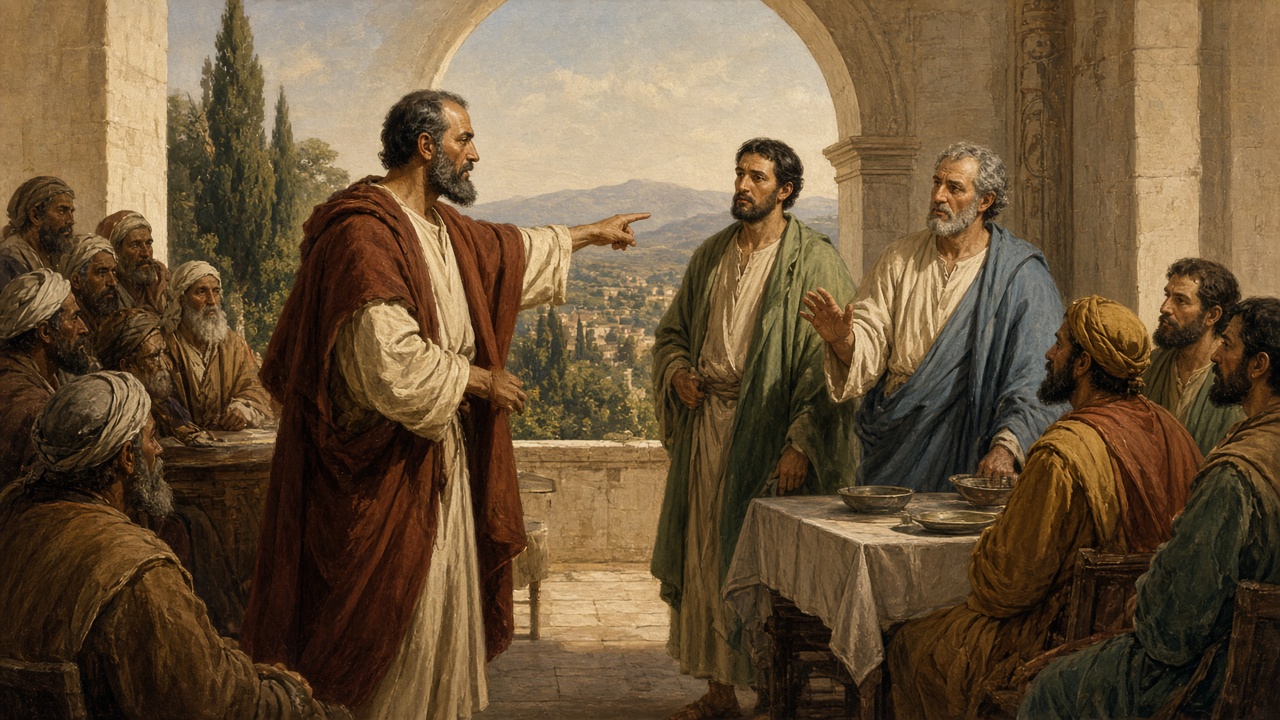
Gentios, comunhão e um confronto em Antioquia
- Tito foi com Paulo e Barnabé a Jerusalém. O Easton's Bible Dictionary (1897) diz que ele parece ter sido gentio e que seu nome não aparece em Atos. Paulo escreve que Tito, embora fosse grego, não foi obrigado a circuncidar-se.Fontes: Titus · o próprio texto bíblico
- O confronto posterior ocorreu em Antioquia da Síria, às margens do Orontes, a umas trezentas milhas ao norte de Jerusalém. A cidade ocupava o terceiro lugar entre as cidades do Império Romano, depois de Roma e Alexandria, e foi ali que os crentes foram chamados cristãos pela primeira vez.Fontes: Antioch (Syria) · o próprio texto bíblico
- O Easton's Bible Dictionary (1897) descreve Tiago, citado com Cefas e João como um dos pilares, como cabeça da igreja em Jerusalém, onde presidiu o concílio sobre os gentios. Paulo diz que, antes de chegarem certos homens da parte de Tiago, Cefas costumava comer com os gentios, mas depois se afastou por medo do grupo da circuncisão.Fontes: James (Brother of Jesus) · o próprio texto bíblico
Notas escritas com auxílio de IA a partir de fontes abertas (Theographic Bible Metadata, CC BY-SA 4.0; Easton’s Bible Dictionary, domínio público) e revisadas antes de publicar.
Lugares deste capítulo
- Jerusalem · 31.777, 35.234 · versículo 1
- Antioch · Hoje: Antioch on the Orontes · 36.227, 36.172 · versículo 11
Só aparecem lugares com identificação de alta confiança (90% ou mais segundo as fontes acadêmicas reunidas pelo OpenBible). Mapa da época: DARE (Digital Atlas of the Roman Empire), CC BY 4.0; mapa atual: © colaboradores do OpenStreetMap; lugares: OpenBible.info (CC BY 4.0).
Créditos e licença desta tradução
Luda yã takada kↄ̃n Bokobaru yão
The New Testament and portions of the Old Testament in the Bokobaru language of Nigeria
copyright © 2005 SIM International
Language: Bokobaru
Translation by: SIM
This translation text is made available to you under the
terms of the Creative Commons License: Attribution-Noncommercial-No Derivative Works.
( http://creativecommons.org/licenses/by-nc-nd/3.0/ )
In addition, you have permission to port the text to different file formats, as long as you
do not change any of the text or punctuation of the Bible.
You may share, copy, distribute, transmit, and extract portions
or quotations from this work, provided that you include the above copyright
information:
You must give Attribution to the work.
You do not sell this work for a profit.
You do not make any derivative works that change any of the actual words or punctuation of the Scriptures.
Permissions beyond the scope of this license may be
available if you contact
us with your request.
This translation is made available to you under the terms of the
Creative Commons Attribution-Noncommercial-No Derivatives license 4.0.
You may share and redistribute this Bible translation or extracts from it in any format, provided that:
You include the above copyright and source information.
You do not sell this work for a profit.
You do not change any of the words or punctuation of the Scriptures.
Pictures included with Scriptures and other documents on this site are licensed just for use with those Scriptures and documents.
For other uses, please contact the respective copyright owners.
2014-09-22
Fonte: http://ebible.org/bus/ · eBible.org