1 Reis 5
Luda yã takada kↄ̃n Bokobaru yão · Toque num versículo para ver as referências cruzadas.
Dii ua kaɛna soru
1Kɛ̀ Taya kí Hiramu mà kɛ̀ wà Sulemanu kà kí ũ a de gɛ̃ɛ ũ, à a ìba kenↄ zĩ̀a, zaakɛ Dauda gbɛ̃nnamɛ yã. 2Ben Sulemanu lɛ́kpãsã kɛ̀ Hiramunɛ à bè: 3Ń dↄ̃ kɛ̀ ma de Dauda e e à kpɛ́ bò Dii a Ludanɛro, kɛ̀ borii kɛ̀ aↄ̃ↄ ligazinↄↄ e zĩ̀ kaao yãnzi, ai Dii gàa à ń kɛ́nɛ tinti ũ. 4Tia sa Dii ma Ludaa tò ma ĩampakii è. Ibɛɛ kee kú gukearo, mↄ́nzi kee kuuro. 5Beee yãnzin má yezi mà kpɛ́ bo Dii ma Ludanɛzi, lán Dii ò ma de Daudanɛ nà, à bè à nɛ́ kɛ̀ é kpá kpatan à gɛ̃ɛ ũu bé eé kpɛ́ boare. 6Ǹ gbɛ̃nↄ da aↄ̃ Lɛbanↄ sida línↄ zↄ̃zↄ̃mɛ. Ma zĩkɛrinↄ é zĩi pì kɛ kↄ̃n n zĩkɛrinↄ lɛdo, mɛ́ n zĩkɛri pìnↄ fĩa bonnɛ lán ń ò nà píngi. Ń dↄ̃ kɛ̀ wá gbɛ̃ke vĩ à lízↄ̃na dↄ̃ lán a Sidↄ̃deenↄ bàro.
7Kɛ̀ Hiramu Sulemanu yã pì mà, à pↄↄ kɛ̀ nna maamaa à bè: Wà Dii tↄ́ kpá gbã̀a, zaakɛ à Dauda gbà nɛ́ ↄ̃ndↄ̃dee, èe dↄↄ a gbɛ̃ pariinↄnɛ aɛ. 8Ben Hiramu gbɛ̃nↄ zĩ̀ Sulemanua à bè: Ma lɛ́kpãsã kɛ̀ ń kɛ̀mɛɛ mà. Mɛ́ kɛ lán ń yezi nà sida línↄ kↄ̃n pini línↄ yã musu. 9Ma zĩkɛrinↄ é lí pìnↄ sɛ́ zaa Lɛbanↄ kpiiinↄ musu, aↄ̃é pitao ísialɛa, mɛ́ yiyi mà gbɛ̃nↄ zĩonnɛ ísiaala. Guu kɛ̀ ń òmɛn, gwen mɛ́ tó wà káɛnnnɛ, gbasa ǹ táo. Mpi sↄ̃, yã kɛ̀ má yezi ǹ kɛmɛɛn yɛ̀: Ǹ pↄ́blee kpá ma uadeenↄa. 10Lɛn Hiramu ègↄ̃ sida línↄ kↄ̃n pini línↄ kpaa Sulemanua lɛ lán à yezi nà. 11Sulemanu sↄ̃ ègↄ̃ pↄ́wɛɛ kpaaa wɛ̃̀ kↄ̃n wɛ̃̀o tↄn wàa plaa kↄ̃n nↄ́sio lita bↄrↄ wàa plaa. 12Dii Sulemanu gbà ↄ̃ndↄ̃ↄ lán à à lɛ́ gbɛ̃̀nɛ nà. Hiramu kↄ̃n Sulemanuo nna kↄ̃o, ben aↄ̃ lɛdolɛ vĩ.
13Kí Sulemanu gbɛ̃nↄ sɛ̀sɛ Isaraili boriinↄ tɛ́ píngi à ń dá zĩi pì guu gↄ̃ↄn bↄrↄ baaakuri. 14Ègↄ̃ ń zĩ Lɛbanↄ bùsun mↄ kↄ̃n mↄo gↄ̃ↄn bↄrↄ kuri. Gbɛ̃ pìnↄ è kɛ Lɛbanↄ mↄ do, ben aↄ̃è su wà kɛ bɛ mↄ plaplaa. Adoniramun zↄ̀zĩi pì gbɛ̃nsi ũ. 15Sulemanu gbɛ̀'arinↄ vĩ gukpiideen gↄ̃ↄn bↄrↄ basiigↄ̃, à sɛ̀sɛrinↄ sↄ̃ gↄ̃ↄn bↄrↄ baaagↄ̃ akuri. 16Gbɛ̃ pìnↄ baasi, Sulemanu gbɛ̃nↄ dìɛdiɛ gↄ̃ↄn bↄrↄ aagↄ̃ kↄ̃n wàa aagↄ̃o, aↄ̃gↄ̃ wɛ́ɛ tɛɛ zĩi pìzi. 17Kína yã dìɛ, ben wà gbɛ̀ gbɛ̃̀ntɛ̃ maaanↄ yↄ̃̀yↄ̃ wà à, wà sɛ̀ɛ wà sùo kpɛ́ pì ɛ̃daɛbↄnↄ ũ. 18Lɛn Sulemanu zĩkɛrinↄ kↄ̃n Hiramu zĩkɛrinↄ kↄ̃n Gebalideenↄ lí zↄ̃̀zↄ̃ lɛ aↄ̃ kɛ̀kɛ, aↄ̃ gbɛ̀ kɛ̀kɛ kpɛ́ pì bobↄ ũ.
Você sabia?
Preparativos para o Templo
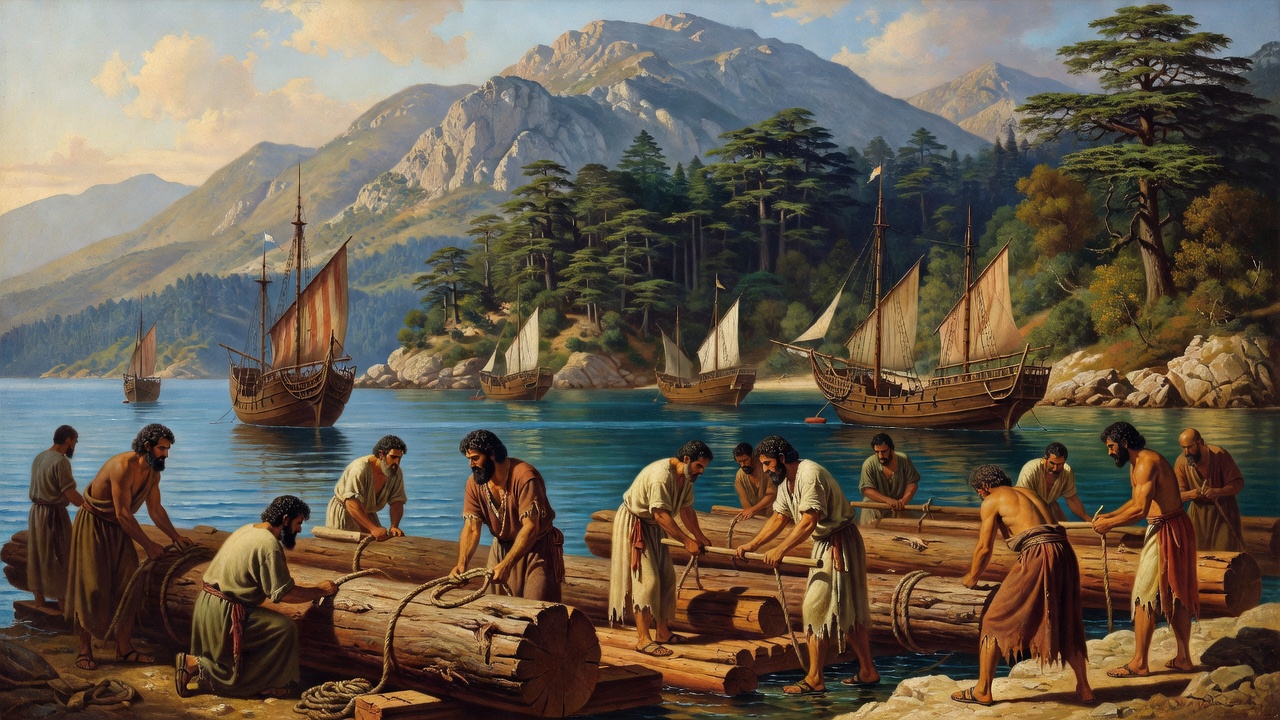
- O rei Hirão de Tiro, uma importante cidade marítima fenícia, manteve relações pacíficas com Davi e firmou um tratado com Salomão. Em troca de madeira de cedro e cipreste do Líbano transportada pelo mar em jangadas, Salomão fornecia anualmente à corte de Hirão grandes quantidades de trigo e azeite puro de oliva.Fontes: Hiram · Tyre · o próprio texto bíblico
- Para preparar os materiais do templo, Salomão recorreu à habilidade técnica dos sidônios no corte de madeira. Construtores de Tiro e de Gebal — uma antiga cidade costeira fenícia chamada pelos gregos de Biblos — trabalharam ao lado dos israelitas para lavrar grandes pedras aparelhadas e preparar as vigas.Fontes: Gebal · o próprio texto bíblico
- Salomão organizou uma enorme força de trabalho para o projeto, convocando 30.000 israelitas que serviam no Líbano em turnos rotativos de 10.000 homens por mês sob a supervisão de Adonirão. Além disso, 70.000 carregadores e 80.000 cortadores de pedra trabalhavam nas montanhas, supervisionados por 3.300 chefes.Fontes: Adoniram · o próprio texto bíblico
Notas escritas com auxílio de IA a partir de fontes abertas (Theographic Bible Metadata, CC BY-SA 4.0; Easton’s Bible Dictionary, domínio público) e revisadas antes de publicar.
Lugares deste capítulo
- Tyre · 33.271, 35.196 · versículo 1
- Lebanon · 33.540, 35.584 · versículos 6, 9, 14
- Great Sea · Hoje: Mediterranean Sea · 31.805, 34.170 · versículo 9
- Gebal · Hoje: Byblos · 34.119, 35.646 · versículo 18
Só aparecem lugares com identificação de alta confiança (90% ou mais segundo as fontes acadêmicas reunidas pelo OpenBible). Mapa da época: DARE (Digital Atlas of the Roman Empire), CC BY 4.0; mapa atual: © colaboradores do OpenStreetMap; lugares: OpenBible.info (CC BY 4.0).
Créditos e licença desta tradução
Luda yã takada kↄ̃n Bokobaru yão
The New Testament and portions of the Old Testament in the Bokobaru language of Nigeria
copyright © 2005 SIM International
Language: Bokobaru
Translation by: SIM
This translation text is made available to you under the
terms of the Creative Commons License: Attribution-Noncommercial-No Derivative Works.
( http://creativecommons.org/licenses/by-nc-nd/3.0/ )
In addition, you have permission to port the text to different file formats, as long as you
do not change any of the text or punctuation of the Bible.
You may share, copy, distribute, transmit, and extract portions
or quotations from this work, provided that you include the above copyright
information:
You must give Attribution to the work.
You do not sell this work for a profit.
You do not make any derivative works that change any of the actual words or punctuation of the Scriptures.
Permissions beyond the scope of this license may be
available if you contact
us with your request.
This translation is made available to you under the terms of the
Creative Commons Attribution-Noncommercial-No Derivatives license 4.0.
You may share and redistribute this Bible translation or extracts from it in any format, provided that:
You include the above copyright and source information.
You do not sell this work for a profit.
You do not change any of the words or punctuation of the Scriptures.
Pictures included with Scriptures and other documents on this site are licensed just for use with those Scriptures and documents.
For other uses, please contact the respective copyright owners.
2014-09-22
Fonte: http://ebible.org/bus/ · eBible.org