Lucas 6
Kitabu ka Kanu · Toque num versículo para ver as referências cruzadas.
Aŋnabi Yesu kɔ dɔsɔk da kəŋesəm ndɛ ampusɛ Mariki mɔ
1Ntɛ Yesu ɛnccali dalɛ dɔsɔk dɔlɔma da kəŋesəm ndɛ ampusɛ Mariki mɔ, kɔ acɛpsɛ ɔn darəŋ ŋayɛfɛ kəcŋosuru səbomp sa mɛŋgbɛn ŋacsɔm. 2Kɔ aFarisi alɔma ŋayif ŋa: «Ta ake tɔ nəŋyɔnɛ ntɛ Sariyɛ səntɔwosɛ kəyɔ dɔsɔk da kəŋesəm mɔ?» 3Kɔ Yesu eyif ŋa: «Nəŋkaraŋ fɛ Yecicəs Yosoku disrɛ tɔkɔ Dawuda ɛnayɔ, ntɛ dor dɛnayɔ kɔ, nkɔn kɔ akɔ ŋanasol mɔ ba? 4—Ntɛ Dawuda ɛnabərɛ kəlɔ kəpɔŋ ka Kanu mɔ, k'ɛlɛk cəcom ncɛ ancloŋnɛ Kanu mɔ, k'ɔsɔm ci, k'ompocɛ sɔ asol ɔn akɔ dor dɛnayɔ mɔ, mba aloŋnɛ gbəcərəm ŋɔ Sariyɛ sənawosɛ kəsɔm ci.» 5Kɔ Yesu oloku ŋa: «Wan ka Wərkun ɔyɔnɛ mariki ma dɔsɔk da kəŋesəm ndɛ ampusɛ Mariki mɔ.»
Fum wəfi kəca
6Kɔ dɔsɔk dɔlɔma da kəŋesəm ndɛ ampusɛ Mariki mɔ dendebəp, kɔ Yesu ɔŋkɔ nde dəkətola Kanu da aSuyif pəctəksɛ afum. Wərkun wəlɔma ɛnayi di pədɛmtər kəca kətɔt. 7Atəksɛ sariyɛ kɔ aFarisi ŋaŋkɔkcɛ Yesu belbel, kɔ pəyɔnɛ a ɔŋkɔtaməs fum dɔsɔk da kəŋesəm ndɛ ampusɛ Mariki mɔ. Ŋanayɔ ti ntɛ tɔŋsɔŋɛ ŋasɔtɔ teyemsɛnɛ kɔ mɔ. 8Mba Yesu ɛnacərɛ mɛcɛm-cɛmnɛ maŋan, k'oloku wərkun nwɛ ɛnadɛmtər kəca mɔ: «Məyɛfɛ məcəmɛ nnɔ afum dacɔ.» Kɔ wəkakɔ ɛyɛfɛ, k'ɛncəmɛ. 9Kɔ Yesu eyif ŋa: «Icyif nu ma: Cəke cɔ Sariyɛ səwosɛ dɔsɔk da kəŋesəm ndɛ ampusɛ Mariki mɔ-ɛ? Kəyɔ ka pətɔt ba, ka pəlɛc? Pataməs fum ba, ka pace kɔ pəfi?» 10Awa, kɔ Yesu ɔmɔmən ŋa dəcəro fəp faŋan, k'oloku wərkun nwɛ: «Mətenci kəca!» Kɔ wərkun nwɛ entenci ki, kɔ kəca kɔn kəntamnɛ. 11Mba kɔ pəntɛlɛ acicəs a sariyɛ kɔ aFarisi pəpɔŋ, kɔ ŋayɛfɛ kəgbɛkəlɛnɛ teta pəlɛc mpɛ ŋantam kəyɔ Yesu mɔ.
Yesu kəyɛk-yɛk Asom ɔn wəco kɔ mɛrəŋ
12Tɛm tatɔkɔ, kɔ Yesu ɛmpɛ nde dətɔrɔ kəkɔsali, k'ɔŋkɔ pəcepərɛnɛ pibi fəp kəlok-lokər Kanu. 13Ntɛ dec dɔsɔk mɔ, k'ewe acɛpsɛ ɔn darəŋ, k'ɛyɛk-yɛk ŋa dacɔ afum wəco kɔ mɛrəŋ, aŋɛ ɛnasɔŋ tewe ta «asom» mɔ. 14K'ewe Simɔŋ, nwɛ Yesu ɛnasɔŋ tewe ta Piyɛr mɔ, kɔ wɛnc Andəre, Sak, Isaŋ kɔ Filip, Bartelemy, 15Matiye, Tɔma, Sak wan ka Alfe, Simɔŋ wəsimsɛ teta atɔf, 16Yude wan ka Sak, kɔ Yudas wəka dare da Keriyot nwɛ ɛnader pələpsər kəbɛr Yesu aterɛnɛ ɔn dəwaca mɔ.
Yesu pəctəksɛ pəctaməs
17Kɔ Yesu ŋantor kəyɛfɛ dətɔrɔ kɔ ŋa, k'ɔŋkɔ pəcəmɛ kəfo kətəŋnɛnɛ nkɛ acɛpsɛ ɔn darəŋ alarəm, kɔ kənay ka afum alarəm: Afum aka Yude fəp, dare da Yerusalɛm, kɔ afum aka kəba kəsək nde sədare sa Tir kɔ Sidɔŋ. 18Afum akaŋɛ fəp ŋanader kədecəŋkəl kɔ, pətaməsɛnɛ sɔ docu daŋan. Afum aŋɛ yɔŋk yɛlɛc yɔnctɔrəs mɔ, ŋanatamnɛ. 19Afum fəp ŋacsɛp kəgbuŋɛnɛ kɔ, bawo fənɔntər fəncwur kɔ nfɛ fənctaməs acuy fəp mɔ.
Pətɔt kɔ pəlɛc
20Kɔ Yesu ɔmɔmən acɛpsɛ ɔn darəŋ, k'oloku:
«Pəbɔt nu nəna atɔyɔ daka,
bawo nən'eyi akip ŋa dɛbɛ da Kanu dəntɔf!
21Pəbɔt nəna aŋɛ dor dɔyɔ tantɛ mɔ,
bawo nəndenɛmbərɛ!
Pəbɔt nu, nəna aŋɛ nəyi kəbok mɔ,
bawo nəndesel!
22Pəbɔt nu kɔ afum ŋandeter nu-ɛ, ŋacbɛləs nu, ŋaclɔməs nu, ŋacləsər nu mewe bawo nəlaŋ dim da «Wan ka Wərkun.» 23Nəde nəwoləs kɔ dɔsɔk dadɔkɔ dendeder-ɛ, nəyok-yokɛnɛ pəbotu, bawo kəpocɛ kəpɔŋ kəŋkar nu nde darenc. Tantɛ tɔ atem aŋan ŋancyɔ adəŋk a Kanu.
24Pəlɛc peyi nu nəna aŋɛ nəyɔ daka mɔ!
Bawo nəlip kəsɔtɔ pɛnɛmpəsɛ ponu mpɛ pənamar nu kədekɔsɔtɔ mɔ.
25Pəlɛc peyi nu nəna aŋɛ ca fəp yɛlar mɔ,
bawo dor dendekɔyɔ nu!
Pəlɛc peyi nu nəna aŋɛ nəyi kəsel mɔ,
bawo nəndekɔyi kəbal kɔ kəbok disrɛ!
26Pəlɛc peyi nu nəna aŋɛ afum fəp ŋandeloku pətɔt ponu mɔ,
tantɛ tɔ atem aŋan ŋancyɔ kɔ akɔ ŋancbaŋɛnɛ kəyɔnɛ Sayibɛ sa Kanu mɔ.»
Kəbɔtər ka aŋɛ ŋanter nu mɔ
27«Mba, iŋloku ti nəna aŋɛ nəncəŋkəl im mɔ: Nəbɔtər aterɛnɛ anu, nəyɔ pətɔt aŋɛ ŋanter nu mɔ! 28Nətolanɛ pətɔt aŋɛ ŋantolanɛ nu pɛlɛc mɔ, nətolanɛ aŋɛ ŋaŋlɔməs nu mɔ! 29Kɔ fum efer əm kəca dəkanca-ɛ, məcencɛ kɔ sɔ akanca ŋa mɛrəŋ ŋɔkɔ. Kɔ fum ɛlɛkər əm burumus-ɛ, məce kɔ sɔ pəlɛk duma dam. 30Məpocɛ nwɛ o nwɛ ontol'am mɔ, kɔ fum ɛlɛkər əm paka mpɛ pɔyɔnɛ pam mɔ, ta məwerəs kɔ pi. 31Nəyɔnɛ afum tɔkɔ nəfaŋ a ŋayɔnɛ nu mɔ. 32Kɔ tɔyɔnɛ nəbɔtər gbəcərəm akɔ ŋambɔtər nu mɔ, kəway kəre kɔ nəŋgbɛkər sɔ mera-ɛ? Ali aciya ŋambɔtər aŋɛ ŋambɔtər ŋa mɔ! 33Kɔ pəyɔnɛ a akɔ ŋaŋyɔnɛ nu pətɔt mɔ gbəcərəm ŋɔ məŋyɔnɛ pətɔt-ɛ, kəway kəre kɔ məntam kəgbɛkər amera-ɛ? Ali aciya, bafɔ tatɔkɔ tɔ ŋaŋyɔ pəmɔ nəna ba? 34Kɔ pəyɔnɛ a akɔ nəyɔ amera kədeluksɛ nu mɔ gbəcərəm ŋɔ nəntam kəbɔr-ɛ, kəway kəre kɔ nəna nəntam kəgbɛkər amera-ɛ? Bawo ali aciya sɔ ŋambɔr aciya ntɛ tɔŋsɔŋɛ ŋa kədesɔtɔ pɛtəŋnɛnɛ payi mɔ. 35Nəbɔtər ater anu, nəbɔr ŋa nəwurɛ kəluksɛ debe dadɔkɔ amera. Nəndesɔtɔ kəpocɛ kəpɔŋ, nəyɔnɛ sɔ awut a Wəbɛ wəka darenc, bawo Kanu kəntesɛ nnɔ apələrnɛ pətɔt kɔ ayeŋki bəkəc ŋayi mɔ. 36Nəbɔt mera pəmɔ tɔkɔ Papa konu ɔmbɔt amera mɔ.»
Ta nəcin afum alɔma
37«Ta nəcin fum, afɔkɔcin nu. Ta nəkiti akɔ ntɛ tɔŋsɔŋɛ ta andesɔkiti nəna mɔ. Nəŋaŋnɛnɛ akɔ, andekɔŋaŋnɛnɛ nu. 38Nəpocɛ, andekɔpocɛ nu. Andekɔbɛr nde yuba yonu yɔpɔŋ ya duma donu potubcɛ pɔtɔt, pasumpər, pasəŋk-səŋk, pəloŋər. Bawo potubcɛ mpɛ nəntubcɛ mɔ, ip'andekɔsɔtubcɛ nu kəluksɛ nu kəway.»
39Kɔ Yesu olok-lokər ŋa capafɔ: «Wətɔnəŋk ɛntam kəkɔtɛnɛ wətɔnəŋk ba? Kɔ pəyɔnɛ fɛ ti-ɛ mɛrəŋ maŋan fəp mɔ ŋantɛmpɛnɛ abi disrɛ. 40Ali wəcɛpsɛ darəŋ wəkin eyi fɛ nwɛ ɛmbɛk dəkəcəmɛ pətas wətəksɛ kɔn mɔ, mba wəcɛpsɛ darəŋ nwɛ ɛntəksɛ belbel mɔ, eyi pəmɔ wətəksɛ kɔn. 41Ake'sɔŋɛ ntɛ məŋgbətnɛ ayika nŋɛ ŋeyi wɛnc əm dərɔfɔr mɔ, mba ta məŋnəŋk təmboŋk ta kətɔk mpɛ peyi mənasərka dərɔfɔr mɔ-ɛ? 42Pəlompu pɔ ba, kəloku wɛnc əm: ‹Wɛnc im məwosɛ a iliŋ əm ayika nŋɛ ŋey'əm dərɔfɔr mɔ,› mba dɔfɔr da məna dɔyɔ təmboŋk ta kətɔk? Məna wəbaŋɛnɛ kəlomp! Məliŋnɛ kərɛsna təmboŋk ta kətɔk dɔfɔr dam, it'ɔŋsɔŋ'am kənəŋk belbel ayika ŋɔkɔ məfaŋ kəliŋ wɛnc əm dərɔfɔr mɔ.»
Kətɔk kɔ yokom ya ki
43«Kətɔk kətɔt kəfɔkom yokom yɛlɛc, kətɔk kətɔtamnɛ kəfɔkom yokom yɔtɔt. 44Kətɔk nkɛ o nkɛ kɔ, yokom ya ki y'aŋnɛpəlɛ ki. Afɔpim cɔyabɛ kɔ wɛn dəbɛŋk. 45Fum wətɔt nde abəkəc ŋɔn ŋɔtɔt ɛŋlɛk mɔyɔ mɔtɔt, kɔ fum wəlɛc nde abəkəc ŋɔn ŋɛlɛc ɛŋlɛk mɔyɔ mɛlɛc. Bawo ntɛ o ntɛ kusu kəŋloku mɔ, ti teyi nde dɛbəkəc.»
Wɔlɔ mɛrəŋ
46«Ta ake tɔ nəŋwen'em ‹Mariki! Mariki!› ta nəŋyɔ mes mɔkɔ iŋloku mɔ-ɛ? 47Nwɛ o nwɛ eder im, pəne moloku mem, pəkɔt mi, imentər nu nwɛ oŋwurɛnɛ mɔ: 48Owurɛnɛ fum nwɛ eyi kəcəmbər kəlɔ pəkay dəntɔf haŋ pətukmɛ belbel, pəcəmbər kəlɔ kɔn tasar teyeŋki kəroŋ. Ali wəcafən pətuf pəlarəm, məncaca mɛyɛksɛ, kəlɔ kɔn kəfɔtam kəwuŋɛ, bawo anacəmbər ki gbiŋ. 49Mba nwɛ o nwɛ ene moloku mem, ta ɔŋkɔtɛnɛ mi-ɛ, fum wəkakɔ ŋawurɛnɛ kɔ nwɛ ɛncəmbər kəlɔ kɔn katina dəntɔf, ta ɛŋkay pətukmɛ pəcəmbər ki tasar kəroŋ mɔ. Kɔ wəcafən ontuf, məncaca mɛyɛksɛ-ɛ, kəlɔ kaŋkɔ kəŋwuŋɛ katina, kəlɛcɛ few!»
Você sabia?
O sábado, os Doze e a planície
- Num sábado, enquanto Jesus passava pelas plantações, os discípulos colhiam espigas, esfregavam os grãos nas mãos e os comiam, e alguns fariseus disseram que isso era ilícito. Jesus lembrou que Davi e seus companheiros, com fome, comeram o pão consagrado da casa de Deus, permitido apenas aos sacerdotes, e disse que o Filho do Homem é Senhor do sábado. Noutro sábado, restaurou na sinagoga a mão direita atrofiada de um homem, enquanto escribas e fariseus o observavam em busca de um motivo para acusá-lo; uma cronologia data os dois episódios em 28 d.C.Fontes: o próprio texto bíblico · Corn on the Sabbath · Healing a Withered Hand
- Depois de passar a noite em oração no monte, Jesus chamou os discípulos e escolheu doze, aos quais designou apóstolos. Entre eles estavam Simão, a quem deu o nome de Pedro, e André, irmão de Pedro, pescadores de Betsaida, na costa ocidental do mar da Galileia, e Mateus, cobrador de impostos em Cafarnaum, antes conhecido como Levi.Fontes: o próprio texto bíblico · Simon Peter · Andrew · Matthew
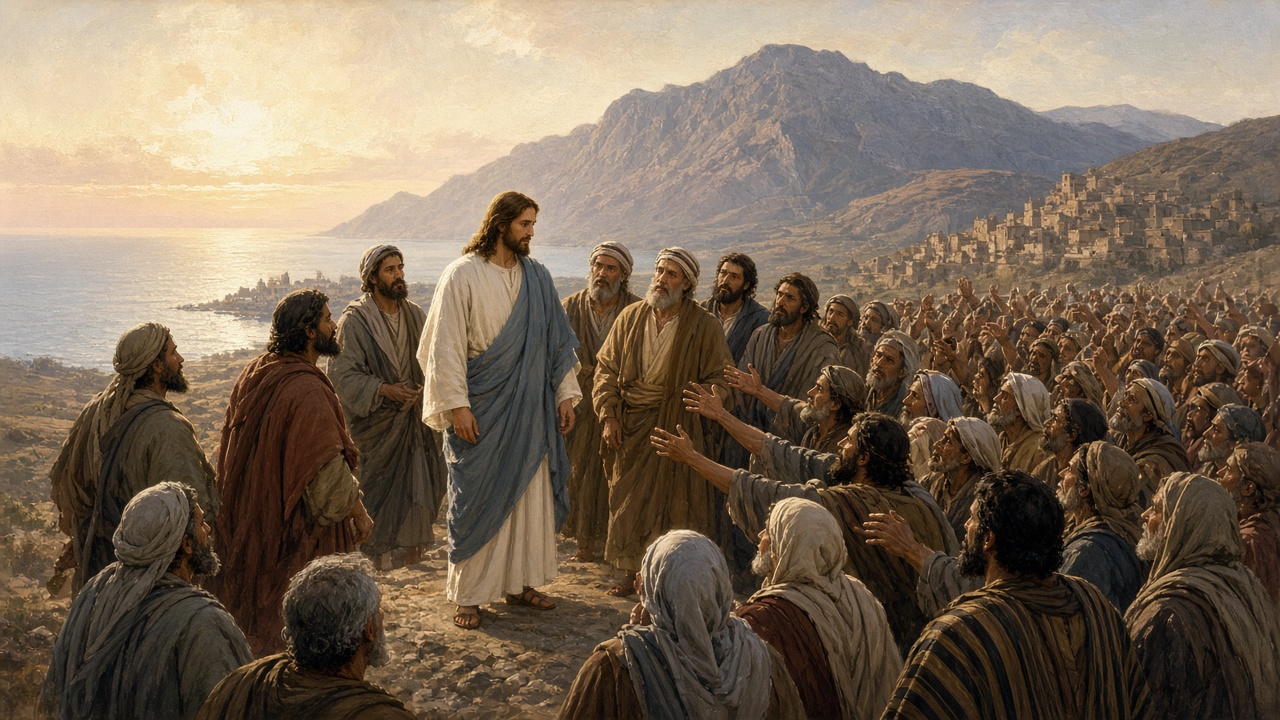
- Jesus desceu com eles e parou num lugar plano, onde havia gente da Judeia, de Jerusalém e do litoral de Tiro e Sidom para ouvi-lo e ser curada. Tiro e Sidom eram antigas cidades fenícias no Mediterrâneo; Sidom, a mais antiga, ficava a cerca de vinte e cinco milhas ao norte de Tiro. Uma cronologia data esse ensinamento em 28 d.C. e o intitula Sermão da Montanha, embora a narrativa coloque Jesus em terreno plano depois de descer do monte.Fontes: o próprio texto bíblico · Tyre · Sidon · Sermon on the Mount
Notas escritas com auxílio de IA a partir de fontes abertas (Theographic Bible Metadata, CC BY-SA 4.0; Easton’s Bible Dictionary, domínio público) e revisadas antes de publicar.
Lugares deste capítulo
- Jerusalem · 31.777, 35.234 · versículo 17
- Judea · Hoje: Judea 1 · 31.777, 35.234 · versículo 17
- Sidon · Hoje: Sandikli archaeological site in Sidon · 33.561, 35.372 · versículo 17
- Tyre · 33.271, 35.196 · versículo 17
Só aparecem lugares com identificação de alta confiança (90% ou mais segundo as fontes acadêmicas reunidas pelo OpenBible). Mapa da época: DARE (Digital Atlas of the Roman Empire), CC BY 4.0; mapa atual: © colaboradores do OpenStreetMap; lugares: OpenBible.info (CC BY 4.0).
Créditos e licença desta tradução
Kitabu ka Kanu
Portions of the Holy Bible in the Baga Sitemu language of Guinea
Des portions de la Sainte Bible dans la langue Baga Sitemu de Guinée
copyright © 2015 Pioneer Bible Translators
Language: Baga Sitemu
Translation by: Traducteurs Pionniers de la Bible
Contributor: Pioneer Bible Translators
This translation is made available to you under the terms of the
Creative Commons Attribution Share-Alike license 4.0.
You have permission to share and redistribute this Bible translation in any format and to make reasonable revisions and adaptations of this translation, provided that:
You include the above copyright and source information.
If you make any changes to the text, you must indicate that you did so in a way that makes it clear that the original licensor is not necessarily endorsing your changes.
If you redistribute this text, you must distribute your contributions under the same license as the original.
Pictures included with Scriptures and other documents on this site are licensed just for use with those Scriptures and documents.
For other uses, please contact the respective copyright owners.
Note that in addition to the rules above, revising and adapting God's Word involves a great responsibility to be true to God's Word. See Revelation 22:18-19.
2025-04-29
Fonte: http://ebible.org/bsp/ · eBible.org