Levítico 6
Kitabu ka Kanu · Toque num versículo para ver as referências cruzadas.
Sariyɛ sa aloŋnɛ
Kəloŋnɛ ka yɔcɔl nkɛ ancɔfɛ MARIKI mɔ
1Kɔ MARIKI oloku Musa: 2«Məsom Aruna k'awut ɔn arkun tosom ntɛ:
Sariyɛ sa pɔcɔl mpɛ ancɔfɛ MARIKI mɔ sɔ saŋsɛ: Pɔcɔl pɔcɔf peyi aco ŋa tetek toloŋnɛ Kanu kəroŋ pibi fəp haŋ dec dɔsɔk, nɛnc da pi dɛmar pibi fəp. 3Wəloŋnɛ pəbɛrnɛ burumus kɔ kɔgba kɔn ka kəloto ka suwa. Pəwɛt kəbof kəboŋu nkɛ nɛnc dɔncɔfɛna MARIKI poloŋnɛ mɔ, pəboc ki tetek toloŋnɛ Kanu kəsək. 4K'elip-ɛ, pəwurɛ yamos yayɔkɔ ɛmbɛrnɛna mɔ, pəlɛk yocuru pəwɛt kəbof kaŋkɔ pəwurɛnɛ ki dəsaŋka, pəkɔ pəboc ki kəfo kəsoku. 5Nɛnc dɛcmar tetek toloŋnɛ Kanu kəroŋ, ta denimɛ. Bətbət o bətbət wəloŋnɛ pəcɔlər di tɔk, pədeŋ poloŋnɛ pɔcɔf tetek kəroŋ, pəcɔfɛ MARIKI moro ma pɔcɔl poloŋnɛ pa kəpaŋnɛ pəforu. 6Nɛnc dɛcmar tɛm fəp tetek toloŋnɛ Kanu kəroŋ, ta denimɛ few.
Kəloŋnɛ ka mɛŋgbɛn
7Sariyɛ nsɛ səcəmɛ kəloŋnɛ ka mɛŋgbɛn darəŋ: Awut arkun a Aruna ŋackɛrɛ ki MARIKI fɔr kiriŋ, tekiriŋ ta tetek toloŋnɛ Kanu. 8Wəloŋnɛ pəwɛt yoloŋnɛ ya mɛŋgbɛn yayɔkɔ aŋkulma katin ŋa kəmbefe kətɔt, moro ma olif kɔ suray sətɔt sa kəlɔl ka kətɔk fəp nsɛ andeŋər yoloŋnɛ ya mɛŋgbɛn mɔ, pəcɔfɛ yi MARIKI fəp dətetek toloŋnɛ kəroŋ. Tɛcɛmcɛməs tɔ. Ambɔnc ŋa yi ŋontorɛ-torɛ MARIKI abəkəc. 9Aruna k'awut ɔn arkun ŋalɛk yɛlpəs ya kəloŋnɛ yayɔkɔ, ta ŋanɔŋkəl yi lebin kɔ ŋandedi yi-ɛ. Kəfo kəsoku kɔ ŋadi yeri yayɔkɔ nde abaŋka ŋa aŋgbancan ŋɛbəpɛnɛ kɔ Kanu. 10Afɔnɔŋkəl yi lebin. Yɛlpəs yayɔkɔ y'impocɛ ŋa yoloŋnɛ yem dacɔ, nyɛ ancɔfɛ ina MARIKI mɔ. Yeri yayɔkɔ yosoku yɔ, nyɛ ampusɛ MARIKI pəmɔ tɔkɔ pəyi kəloŋnɛ ka kiciya kɔ ka kəlompəs ka kiciya mɔ. 11Yuruya ya Aruna arkun gbəcərəm ŋande ŋacsɔm ki. Tede tɔyɔnɛ ŋa sariyɛ sa doru o doru, dɛtɛmp o dɛtɛmp daŋan, ntɛ tɔyɔnɛ ta yoloŋnɛ nyɛ ancɔfɛ MARIKI mɔ, fum o fum ɔntɔyɔnɛ wəloŋnɛ, a pəgbuŋɛnɛ yoloŋnɛ yayɔkɔ mɔ, ɛŋsarɛ kiciya kəpɔŋ.»
12Kɔ MARIKI oloku Musa:
13«Yoloŋnɛ nyɛ yɔ Aruna k'awut ɔn arkun ŋaŋkɛrɛ MARIKI dɔsɔk ndɛ wəkin ŋa dacɔ ɔŋsɔtɔ kəbɔy ka kəyɔnɛ ka wəloŋnɛ mɔ: Kəloŋnɛ ka mɛŋgbɛn kaŋkɔ Aruna k'awut ɔn ŋaloŋnɛ dɔsɔk dadɔkɔ kəmbefe kətɔt kilo kəmaas, kilo katin kɔ dacɔ bətbət, kilo katin kɔ dacɔ dɔfɔy. 14Panɔktərɛnɛ kəmbefe kaŋkɔ moro ma olif, panɛkət kəcom kaŋkɔ dəkarɔrɔ kəwon. Məde məkenɛ MARIKI kəloŋnɛ ka mɛŋgbɛn kaŋkɔ. Patepi kəcom kəfɛt kəfɛt a padecɔfɛ ki MARIKI, ambɔnc ŋaŋɔkɔ ŋontorɛ-torɛ kɔ abəkəc. 15Wan ka Aruna nwɛ andebɔy kədəs dekiriŋ da kəloŋnɛ dadɔkɔ mɔ, nkɔn sɔ pəloŋnɛ kəloŋnɛ kaŋkɔ. Sariyɛ sa doru o doru sɔ nnɔ MARIKI eyi mɔ, pacɔfɛ kəcom kaŋkɔ fəp MARIKI. 16Kəloŋnɛ ka mɛŋgbɛn nkɛ o nkɛ ka wəloŋnɛ, pacɔfɛ ki fəp MARIKI, ali kəpic ta pasɔm.»
Kəloŋnɛ ka kiciya
17Kɔ MARIKI osom Musa: 18«Məloku Aruna k'awut ɔn:
Sariyɛ nsɛ səcəmɛ kəloŋnɛ ka kiciya darəŋ: Kəfo nkɛ aŋfay yɔcɔl yoloŋnɛ nyɛ ancɔfɛ MARIKI mɔ, difɔ aŋfay sɔ pɔcɔl poloŋnɛ pa kiciya. Paka posoku pɔ mpɛ ampusɛ MARIKI mɔ. 19Wəloŋnɛ nwɛ oŋloŋnɛ poloŋnɛ pa kiciya mɔ, pəsɔm pi kəfo kəsoku nde abaŋka ŋa aŋgbancan ŋɛbəpɛnɛ kɔ Kanu. 20Nwɛ o nwɛ oŋgbuŋɛnɛ sɛm ya poloŋnɛ papɔkɔ mɔ, ɛŋsarɛ kiciya kəpɔŋ! Kɔ mecir ma pɔcɔl papɔkɔ afay mɔ mɛncɛsəkər yamos-ɛ, payak pɛcɛsəkər papɔkɔ nde kəfo nkɛ ampus mɔ. 21Dap da dos ndɛ ampɛcɛ sɛm yayɔkɔ mɔ, k'alip-ɛ, pawɔkəc di. Kɔ pəyɔnɛ a dap da kɔpər d'ampɛcɛ sɛm yayɔkɔ-ɛ, anckɔnalip, pasɔŋk di, payaksɛ di domun. 22It'ɔyɔnɛ arkun a dokom d'aloŋnɛ gbəcərəm ŋantam kəsɔm yi: Yeri yosoku yɔ nyɛ ampusɛ MARIKI mɔ. 23Mba afɔsɔm pɔcɔl poloŋnɛ pa kiciya mpɛ o mpɛ aŋkekərɛ mecir ma pi nde aŋgbancan ŋɛbəpɛnɛ kɔ Kanu teta kətubucnɛ kəsɔkəs ka aŋgbip ŋosoku kətɔsɔk mɔ, ta pasɔm pi, mba paləm pi fəp dənɛnc.»
Você sabia?
Deveres Sacerdotais e o Fogo Contínuo do Altar
- Para ofensas envolvendo roubo, extorsão ou juramento falso sobre bens perdidos, a lei exigia a restituição total acrescida de um quinto do valor paga ao legítimo proprietário antes que o infrator pudesse apresentar um carneiro como oferta pela culpa.Fontes: o próprio texto bíblico
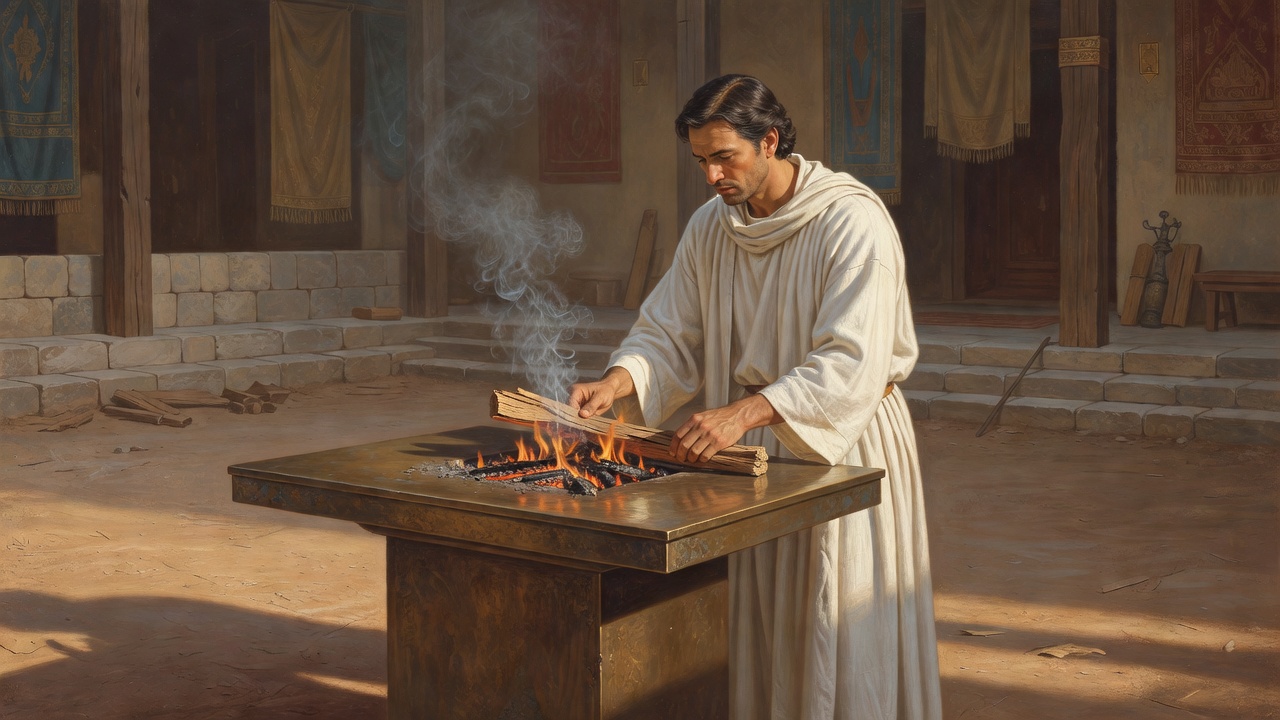
- Os sacerdotes receberam a ordem de manter o fogo no altar queimando continuamente, dia e noite, sem jamais deixá-lo apagar. A cada manhã, um sacerdote com vestes de linho arrumava lenha fresca no altar e removia as cinzas para levá-las fora do acampamento.Fontes: o próprio texto bíblico
- Como a oferta pelo pecado era considerada santíssima, normas rigorosas regiam as vasilhas utilizadas no seu preparo: panelas de barro usadas para cozer a carne deviam ser quebradas, enquanto recipientes de bronze podiam ser esfregados e enxaguados com água.Fontes: o próprio texto bíblico
Notas escritas com auxílio de IA a partir de fontes abertas (Theographic Bible Metadata, CC BY-SA 4.0; Easton’s Bible Dictionary, domínio público) e revisadas antes de publicar.
Créditos e licença desta tradução
Kitabu ka Kanu
Portions of the Holy Bible in the Baga Sitemu language of Guinea
Des portions de la Sainte Bible dans la langue Baga Sitemu de Guinée
copyright © 2015 Pioneer Bible Translators
Language: Baga Sitemu
Translation by: Traducteurs Pionniers de la Bible
Contributor: Pioneer Bible Translators
This translation is made available to you under the terms of the
Creative Commons Attribution Share-Alike license 4.0.
You have permission to share and redistribute this Bible translation in any format and to make reasonable revisions and adaptations of this translation, provided that:
You include the above copyright and source information.
If you make any changes to the text, you must indicate that you did so in a way that makes it clear that the original licensor is not necessarily endorsing your changes.
If you redistribute this text, you must distribute your contributions under the same license as the original.
Pictures included with Scriptures and other documents on this site are licensed just for use with those Scriptures and documents.
For other uses, please contact the respective copyright owners.
Note that in addition to the rules above, revising and adapting God's Word involves a great responsibility to be true to God's Word. See Revelation 22:18-19.
2025-04-29
Fonte: http://ebible.org/bsp/ · eBible.org