Gênesis 8
Kitabu ka Kanu · Toque num versículo para ver as referências cruzadas.
Domun kəwosər
1Kɔ Kanu kəncɛm-cɛmnɛ Nuha, sɛm ya dop kɔ yɔcɔl ya dare, nyɛ yɛnayi kɔ Nuha abil disrɛ mɔ. Kɔ Kanu kəwurɛ afef doru, kɔ domun doncop kətor. 2Kəba ka dəntɔf kɔ darenc cəmɛpɛnɛ, kɔ wəcafən ɛsak kətuf. 3Kɔ domun dembelɛ antɔf kəroŋ tepic tepic. Mata 150 disrɛ, kɔ domun dɛncɛsɛ dəntɔf. 4Tataka ta wəco kɔ camət-mɛrəŋ (17), ŋof ŋa camət-mɛrəŋ, k'abil ŋɛndɛ tɔrɔ tin ta Ararat kəroŋ. 5Kɔ domun dɛncɛsɛ haŋ ŋof ŋa wəco. Tataka tɔcɔkɔ-cɔkɔ ta ŋof ŋaŋɔkɔ, kɔ mɔrɔ meŋeci moncop kəwurɛ səbomp.
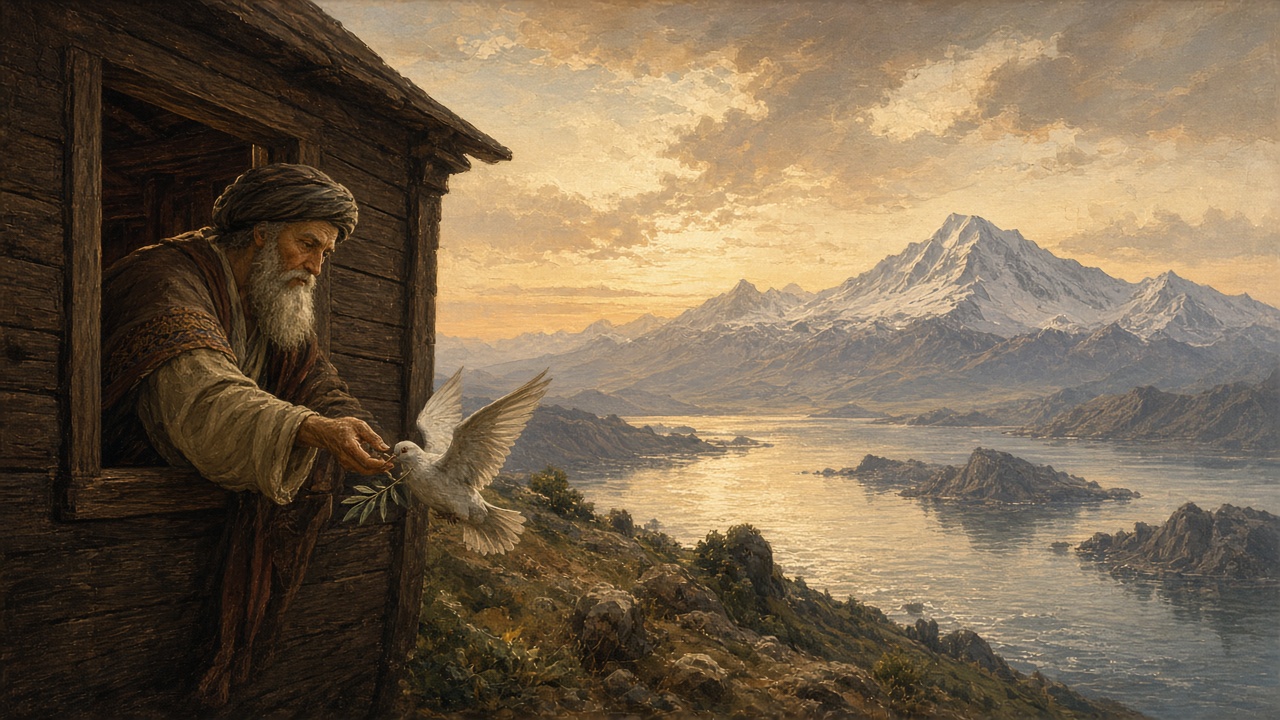
6Tataka ta 40, kɔ Nuha eŋgbiti wundɛr nwɛ ɛnabɛr abil mɔ. 7K'ɛsak abɛmp ŋa ser ŋin kɔ ŋɔŋkɔ. Pəwon fɛ kɔ ŋoluksərnɛ, pənamar Nuha pəkar domun delip kəwosər dəntɔf. 8Kɔ Nuha ɛsak sɔ antantoriya kəkɔmɔmən kɔ pəyɔnɛ a domun d'ontor-ɛ. 9Mba ŋɛnasɔtɔ fɛ kəfo nkɛ ŋɛntam kəndɛ mɔ, bawo domun dɛnasɔrɔbaŋ antɔf fəp, kɔ ŋoluksərnɛ nde debil. Kɔ Nuha ɛntɛnc kəca k'osumpər ŋi, k'ɛmbɛrsɛ debil. 10K'ɛŋkar sɔ mata camət-mɛrəŋ, k'ɛsak sɔ ŋi. 11K'antantoriya ŋoluksərnɛ dec dɔrɔfɔy ŋɛgbəm tɔbɔpər tɛcaŋk ta kətɔk ka olif. Kɔ Nuha ɛncərɛ katina a domun dɛncɛsɛ. 12K'ɛŋkarɛnɛ sɔ haŋ tataka ta camət-mɛrəŋ, k'ɛsak sɔ antantoriya. Mba ntɛ ŋi ŋɔŋkɔ mɔ, ŋɛnalukus fɛ sɔ nnɔ eyi mɔ.
13Tataka tɔcɔkɔ-cɔkɔ ta ŋof ŋɔcɔkɔ-cɔkɔ nŋɛ Nuha ɔsɔtɔ meren 601, ti tɔ domun dɛnasak antɔf. Kɔ Nuha eŋgbipi abil, k'ɔmɔmən doru. K'ɛnəŋk a domun fəp dowosər. 14Tataka ta wəco mɛrəŋ kɔ camət mɛrəŋ (27), ŋof ŋɔcɔkɔ-cɔkɔ ŋayi, antɔf fəp ŋɛnawos fər.
15Kɔ Kanu kəloku Nuha: 16«Məwur abil disrɛ, məna kɔ wəran kam, awut am k'aran aŋan. 17Məwurɛnɛ sɔ sɛm yɛləpəs nyɛ yeyi abil disrɛ kɔ məna mɔ. Kɔ bɛmp dokom fəp, sɛm yɛfɛt kɔ yɔpɔŋ, yɛsam doru yokom.» 18Kɔ Nuha owur debil nkɔn kɔ wəran kɔn k'awut ɔn k'aran aŋan. 19Kɔ sɛm, bɛmp kɔ yeliŋɛ-liŋɛ yowur fəp dokom dokom.
20Kɔ Nuha olompəs tetek toloŋnɛ MARIKI, k'ɛlɛk sɛm kɔ bɛmp yosoku dacɔ yin yin, k'ɔncɔfɛ yi MARIKI nde tetek toloŋnɛ kəroŋ. 21Kɔ MARIKI ɛmbaŋ ambɔnc ŋa kəloŋnɛ nŋɛ ŋontorɛ-torɛ kɔ abəkəc mɔ, k'olokunɛ dɛbəkəc, «Ifɔsɔsɔŋ antɔf pəlɛc teta fum. Kance kɔ, bawo afum mɛcɛm-cɛmnɛ mɛlɛc meyi ŋa dəbəkəc kəyɛfɛ dowut daŋan, mba ifɔsɔləsər ca nyɛ yeŋesəm doru pəmɔ ntɛ intɛp ti kəcyɔ mɔ.»
22«Kəwon ka antɔf doru fəp,
kəbɔf kɔ kətɛl,
pəwonu kɔ pəcaŋki,
kətən kɔ dɛrəŋ,
dɔsɔk kɔ pibi,
yɔfɔdelip.»
Você sabia?
As águas recuam
- A arca pousou sobre os montes de Ararate, nome que significa “terra sagrada” ou “terra alta” e designa um país em cujas montanhas a arca parou depois do dilúvio. O Easton's Bible Dictionary (1897) sugere que esses montes eram, provavelmente, a cordilheira curda do sul da Armênia, embora o nome também seja comumente aplicado a um pico alto e quase inacessível que se ergue da planície do Araxes. Em 2 Reis 19:37 e Isaías 37:38, a Authorized Version traduz o nome por “Armênia” e a Revised Version por “terra de Ararate”, enquanto Jeremias 51:27 o usa para a Armênia central ou meridional.Fontes: Ararat · o próprio texto bíblico
- O nome hebraico de Noé significa “descanso”, e neste capítulo a própria arca encontra descanso enquanto as águas baixam. Ele era filho de Lameque e neto de Matusalém, e pai de Sem, Cam e Jafé. O Easton's Bible Dictionary o descreve como o elo entre o mundo antigo e o novo, e como um segundo grande progenitor da família humana.Fontes: Noah · o próprio texto bíblico
- Notas cronológicas situam o Grande Dilúvio em 2347 a.C., com duração de um ano; o recuo das águas em 2346 a.C., ao longo de 220 dias; e a saída da arca em 2346 a.C., num único dia. No próprio capítulo, as águas já baixaram depois de 150 dias e a arca pousa no décimo sétimo dia do sétimo mês; no primeiro dia do primeiro mês do ano seiscentos e um de Noé as águas secaram, e no vigésimo sétimo dia do segundo mês a terra está completamente seca.Fontes: The Great Flood · The flood subsides · Leaving the Ark · o próprio texto bíblico
Notas escritas com auxílio de IA a partir de fontes abertas (Theographic Bible Metadata, CC BY-SA 4.0; Easton’s Bible Dictionary, domínio público) e revisadas antes de publicar.
Lugares deste capítulo
- Ararat · Hoje: Urartu · 39.703, 44.300 · versículo 4
Só aparecem lugares com identificação de alta confiança (90% ou mais segundo as fontes acadêmicas reunidas pelo OpenBible). Mapa da época: DARE (Digital Atlas of the Roman Empire), CC BY 4.0; mapa atual: © colaboradores do OpenStreetMap; lugares: OpenBible.info (CC BY 4.0).
Créditos e licença desta tradução
Kitabu ka Kanu
Portions of the Holy Bible in the Baga Sitemu language of Guinea
Des portions de la Sainte Bible dans la langue Baga Sitemu de Guinée
copyright © 2015 Pioneer Bible Translators
Language: Baga Sitemu
Translation by: Traducteurs Pionniers de la Bible
Contributor: Pioneer Bible Translators
This translation is made available to you under the terms of the
Creative Commons Attribution Share-Alike license 4.0.
You have permission to share and redistribute this Bible translation in any format and to make reasonable revisions and adaptations of this translation, provided that:
You include the above copyright and source information.
If you make any changes to the text, you must indicate that you did so in a way that makes it clear that the original licensor is not necessarily endorsing your changes.
If you redistribute this text, you must distribute your contributions under the same license as the original.
Pictures included with Scriptures and other documents on this site are licensed just for use with those Scriptures and documents.
For other uses, please contact the respective copyright owners.
Note that in addition to the rules above, revising and adapting God's Word involves a great responsibility to be true to God's Word. See Revelation 22:18-19.
2025-04-29
Fonte: http://ebible.org/bsp/ · eBible.org