Êxodo 5
Kitabu ka Kanu · Toque num versículo para ver as referências cruzadas.
Musa kɔ Aruna ŋaŋkɔ nda firawona
1Ntɛ tencepər mɔ, Musa kɔ Aruna ŋaŋkɔ ŋabəp firawona kɔ ŋaloku kɔ: «Ntɛ tɔ MARIKI oloku, Kanu ka aka Yisrayel: Məsak afum em ŋakɔ ŋaboc'em kəsata ka sali nde dətɛgbərɛ.» 2Kɔ firawona eyif ŋa: «An'ɔyɔnɛ MARIKI, ntɛ indecəŋkəl dim dɔn, isak aka Yisrayel ŋakɔ mɔ? Incərɛ fɛ MARIKI, tamɛrəŋ ta ti sɔ, ifɔsak aka Yisrayel ŋakɔ nnɔ o nnɔ.» 3Kɔ Musa ŋaloku kɔ Aruna: «Kanu ka aHebəre kənabəp su. Məsak su, ilɛtsɛn'am, səkɔt mata maas dətɛgbərɛ səkɔloŋnɛ MARIKI Kanu kosu, ntɛ tɔŋsɔŋɛ ta osutɛ su arom kɔ dakma mɔ.» 4Kɔ wəbɛ ka Misira eyif ŋa: «Məna Musa kɔ Aruna, ta ake tɔ nəfaŋ kəyamsɛ afum yɛbəc yaŋan-ɛ?» A cəke? Nəkɔ nəsumpər yɛbəc yonu ya dacar.
5Kɔ firawona oloku: «Nənəŋk, aka Yisrayel ŋala oŋ dɔtɔf! Kɔ nəsɔŋɛ ŋa kəsak yɛbəc yaŋan yeyeŋki.»
Firawona kənɔcərɛ ka aka Yisrayel yɛbəc
6Dɔsɔk din dadɔkɔ dɔ firawona osom abɛ a dacar aMisira kɔ abum aYisrayel, pəcloku: 7«Ta nəgbɔkərɛ sɔ kəcsɔŋ aka Yisrayel mɛmpəlɛ mosutɛ birik pəmɔ tɔkɔ nəsɔŋsa ŋa nendisna kɔ nendecna mɔ. Mɛnɛ ŋasərka ŋakɔ oŋ ŋactɛn mi! 8Kəlɔm ka birik nkɛ ŋasutsa nendisna kɔ nendecna mɔ, nəgbəc ŋa ŋasut ki! Ta nəbelɛ ŋa kəlɔm kaŋkɔ de! Bawo acembər ŋɔ ŋayɔnɛ! Ti tɔ ŋambokɛnɛnɛ, ŋacloku: ‹Paŋkɔn loŋnɛ Kanu kosu.› 9Nəbɛrɛnɛ yɛbəc ya afum akaŋɛ, pəmar ŋabəc yi ntɛ tɔŋsɔŋɛ ta ŋancəŋkəl sɔ moloku ma yem mamɔkɔ mɔ!»
10Kɔ abɛ a dacar kɔ abum aYisrayel ŋaloku afum: «Ntɛ tɔ firawona oloku: ‹Ifɔsɔsɔŋ nu mɛmpəlɛ! 11Nəkɔ, nənasərka nətɛn mɛmpəlɛ nnɔ o nnɔ nəntam kəsɔtɔ mi mɔ, mba ali pəpic afɔdebeli yɛbəc yonu yeyeŋki nyɛ pəmar nu kəbəc mɔ.›» 12Kɔ aka Yisrayel ŋasamsər atɔf ŋa Misira fəp, kətɛn toka ya mɛmpəlɛ mosutɛ birik. 13Abɛ a dacar aMisira ŋacgbəŋ-gbəŋər ŋa, ŋacloku: «Nəkufɛ nəlip yɛbəc yonu ya dɔsɔk o dɔsɔk, pəmɔ cɔkɔ-cɔkɔ ntɛ mɛmpəlɛ mencyi mɔ.» 14Ŋanakɔ haŋ ŋacsut abum aYisrayel aŋɛ abɛ a Misira aka firawona ŋanacəmbərɛ aka Yisrayel mɔ, ŋacyif ŋa: «Ta ake tɔ nəntɔbəpɛ mɔkɔ kəlɔm ka birik bɔkɔ nəsutsa nendisna kɔ nendecna mɔ-ɛ?»
15Kɔ abum aYisrayel ŋaŋkɔ ŋabokɛnɛ nnɔ firawona eyi mɔ, kɔ ŋaloku kɔ: «Ta ake tɔ məntɔrsɛ tantɛ acar am-ɛ? 16Ayi fɛ sɔ kəsɔŋ acar am mɛmpəlɛ, k'aŋloku su sɔ: ‹Nəsut birik!› Mənəŋk ntɛ aŋsut acar am mɔ, mba afum am yati, ŋasarɛ kiciya.» 17Mba kɔ firawona oluksɛ ŋa: «Nəna nəncembər, nəfanɛ! Ti tɔ nəŋlokɛnɛ: ‹Paŋkɔn loŋnɛ MARIKI!› 18Ndɛkəl oŋ, nəkɔ nəsumpər yɛbəc yonu. Afɔsɔsɔŋ nu mɛmpəlɛ, mba kəlɔm ka birik bɔkɔ amboncər nu kəsut mɔ, kɔ nəndesut.»
19Kɔ abum aYisrayel ŋa sɔ ŋanəŋk pəcuca pɔkɔ ŋayi mɔ ntɛ aloku ŋa: «Afɔbeli kəlɔm ka birik bɔkɔ amboncər nu kəsut dɔsɔk o dɔsɔk mɔ!» 20Ntɛ abɛ aŋɛ ŋancsɔŋəs aka Yisrayel yɛbəc yeyeŋki ŋawur nda firawona mɔ, kɔ ŋambəp Musa kɔ Aruna aŋɛ ŋackar ŋa mɔ. 21Kɔ abum aYisrayel ŋaloku Musa kɔ Aruna: «MARIKI pəmɔmən nu, pəsɔŋ nu kəway! Nəsɔŋɛ firawona kɔ amarəs ɔn kəter su. Nəlɛk sakma kɔ nəmbɛr ŋa dəwaca ŋadif su!» 22Kɔ Musa oluksərnɛ nnɔ MARIKI eyi mɔ, k'oloku: «Mariki ta ake tɔ məyɔnɛ afum akaŋɛ pəlɛc-ɛ? Itɔ mənasom em ba? 23Kəyɛfɛ ntɛ iŋkɔ ndena firawona k'ilok-lokər kɔ tewe tam mɔ, pəlɛc dəm peyi kəyɔ afum akaŋɛ, məyi fɛ kəyɔ tɔlɔm o tɔlɔm məbaŋ afum am.»
Você sabia?
Trabalho mais duro depois da recusa do faraó
- O Easton's Bible Dictionary (1897) diz que o faraó do Êxodo foi provavelmente Menephtah I, o décimo quarto e mais velho filho sobrevivente de Ramsés II, mas trata a identificação como uma questão ainda em aberto: alguns estudiosos, observa a obra, preferem Seti II, cujo reinado ela descreve como iniciado em paz e terminado num desastre repentino. O verbete diz que ele residia em Zoã, onde recebeu Moisés e Arão nas audiências registradas em Êxodo.Fontes: Pharaoh (of the Exodus) · o próprio texto bíblico
- O Easton's Bible Dictionary (1897) situa a chegada de Jacó ao Egito provavelmente cerca de 350 anos antes do nascimento de Moisés. Diz que um rei hicso, de um povo semita pastoril da Ásia e chamado rei pastor, recebeu a família com favor e lhes destinou Gósen, a melhor terra; neste capítulo o faraó trata o povo de Israel, já numeroso, como trabalhadores que não pretende deixar partir.Fontes: Moses · o próprio texto bíblico
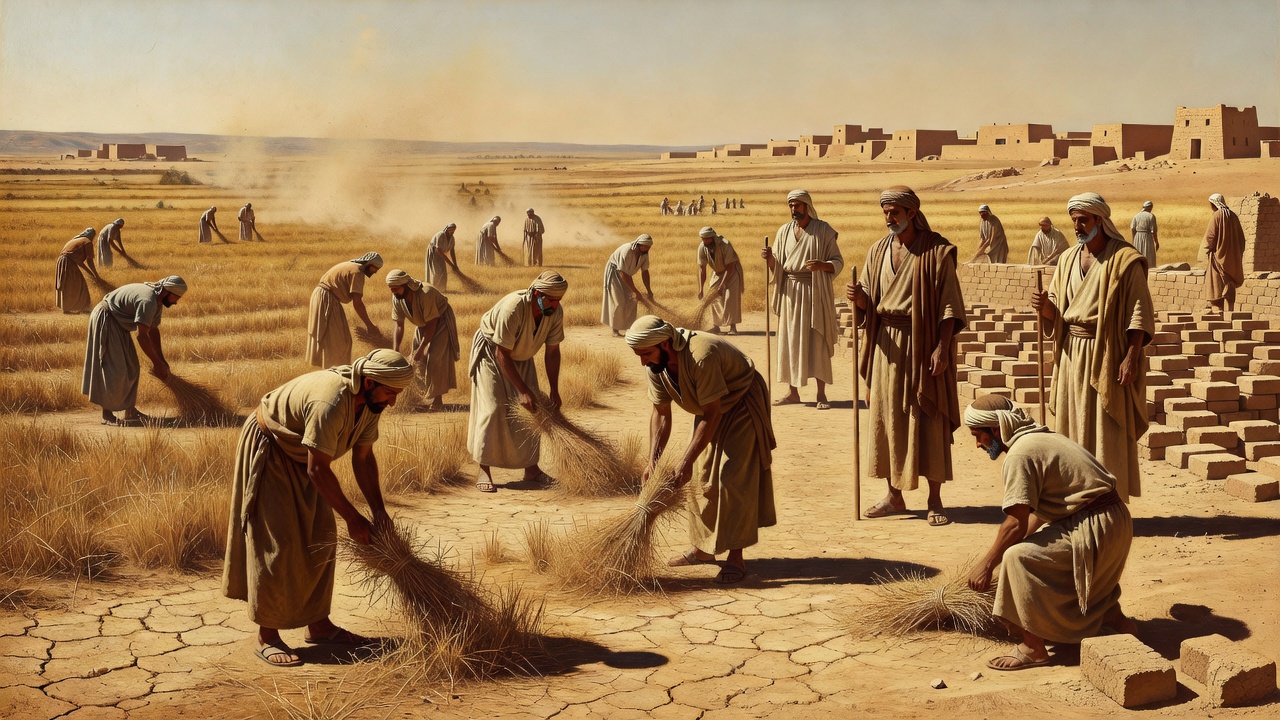
- O faraó responde ao pedido de celebrar uma festa no deserto deixando de fornecer a palha para os tijolos, mas ainda exigindo a mesma cota diária. O povo se espalha por toda a terra do Egito para recolher restolho, e os oficiais israelitas que os capatazes do faraó haviam posto sobre eles são espancados quando essa cota não é cumprida.Fontes: o próprio texto bíblico
Notas escritas com auxílio de IA a partir de fontes abertas (Theographic Bible Metadata, CC BY-SA 4.0; Easton’s Bible Dictionary, domínio público) e revisadas antes de publicar.
Lugares deste capítulo
Só aparecem lugares com identificação de alta confiança (90% ou mais segundo as fontes acadêmicas reunidas pelo OpenBible). Mapa da época: DARE (Digital Atlas of the Roman Empire), CC BY 4.0; mapa atual: © colaboradores do OpenStreetMap; lugares: OpenBible.info (CC BY 4.0).
Créditos e licença desta tradução
Kitabu ka Kanu
Portions of the Holy Bible in the Baga Sitemu language of Guinea
Des portions de la Sainte Bible dans la langue Baga Sitemu de Guinée
copyright © 2015 Pioneer Bible Translators
Language: Baga Sitemu
Translation by: Traducteurs Pionniers de la Bible
Contributor: Pioneer Bible Translators
This translation is made available to you under the terms of the
Creative Commons Attribution Share-Alike license 4.0.
You have permission to share and redistribute this Bible translation in any format and to make reasonable revisions and adaptations of this translation, provided that:
You include the above copyright and source information.
If you make any changes to the text, you must indicate that you did so in a way that makes it clear that the original licensor is not necessarily endorsing your changes.
If you redistribute this text, you must distribute your contributions under the same license as the original.
Pictures included with Scriptures and other documents on this site are licensed just for use with those Scriptures and documents.
For other uses, please contact the respective copyright owners.
Note that in addition to the rules above, revising and adapting God's Word involves a great responsibility to be true to God's Word. See Revelation 22:18-19.
2025-04-29
Fonte: http://ebible.org/bsp/ · eBible.org