Êxodo 14
Kitabu ka Kanu · Toque num versículo para ver as referências cruzadas.
Firawona ɛyɛfɛ kəbɛləs aka Yisrayel
1Kɔ MARIKI oloku Musa: 2«Məloku aka Yisrayel a ŋaluksərnɛ ŋader ŋacəmbər saŋka səŋan nde Pi Hirɔt tekiriŋ, Mikədɔl kɔ kəba dacɔ, ŋatɛfərnɛ Bal Cefɔŋ. Kəfo kaŋkɔ tekiriŋ kɔ nəŋkɔcəmbər saŋka kəba kəsək. 3Firawona ɔŋkɔ pəclokɛ aYisrayel: ‹Kəyara-yara kɔ ŋandɛ dɔtɔf, pənciyanɛ ŋa, tɛgbərɛ tendi ŋa!› 4Indeyeŋkəs firawona domp, endecəmɛ ŋa darəŋ kəbɛləs. Ti disrɛ, indesɔtɔ kəyek-yekəs dəmɔyɔ mmɛ indeyɔ firawona kɔ asɔdar ɔn fəp mɔ, aka Misira ŋandecərɛ a in'ɔyɔnɛ MARIKI.» K'aka Yisrayel ŋayɔ ti.
5K'aŋkɔ paloku wəbɛ wəMisira a aka Yisrayel ŋayɛksɛ. K'abəkəc ŋa firawona kɔ amarəs ɔn yɛŋkafəlɛ sɔ teta aka Yisrayel. Kɔ ŋayifnɛ: «Cəke cɔ sənayɔ tantɛ kəsak aka Yisrayel ŋakɔ-ɛ? Səŋgbal abəcɛ asu!» 6Kɔ firawona osom a pasektər abil ŋɔn ŋa dəkəwan, k'osolɛ asɔdar ɔn kɔ ŋaŋkɔ. 7Kɔ firawona ɛlɛk cibil ca dəkəwan cətɔt masar camət-tin (600), kɔ cibil ca dəkəwan ca Misira cəlpəs, abɛ asɔdar ŋanayi ci kəroŋ. 8Kɔ MARIKI eyeŋkəs domp da firawona wəbɛ ka Misira: k'ɛncəmɛ aka Yisrayel darəŋ kəbɛləs, mba aka Yisrayel ŋanaŋɛc səbomp kəwur atɔf ŋa Misira. 9K'aka Misira ŋancəmɛ aka Yisrayel darəŋ kəbɛləs: Fəlɛs ya firawona fəp kɔ cibil cɔn ca dəkəwan, kəbəp ka ayɛksɛnɛ ɔn fəlɛs, kəkɔ ka asɔdar ɔn, kɔ ŋaŋkɔ ŋabəp aka Yisrayel nde Pi Hirɔt ntende kəba kəsək nde ŋanacəmbər saŋka ŋatɛfərɛnɛ Bal Cefɔŋ mɔ.
10Ntɛ firawona ɔnclɔtərnɛ mɔ, aka Yisrayel ŋandeyekti fɔr, apayo! kɔ ŋanəŋk aka Misira ŋancəmɛ ŋa darəŋ kəbɛləs. K'aka Yisrayel ŋanesɛ pəpɔŋ, kɔ ŋaŋkulɛ-kulɛ MARIKI. 11K'aka Yisrayel ŋaloku Musa: «Cufu cəla fɛ Misira ntɛ məŋkɛrɛ su kədedif nnɔ dətɛgbərɛ mɔ ba? Cəke cɔ məŋyɔ su tantɛ-ɛ, məwurɛnɛ su Misira mɔ?» 12Bafɔ sənalok'əm Misira: «Məce su səbəcɛ aka Misira, bawo kəbəcɛ ka aMisira kəncepər su kəfi nnɔ dətɛgbərɛ!» 13Kɔ Musa oloku aka Yisrayel: «Ta nənesɛ, nəcəmɛ gbiŋ, nəgbətnɛ ntɛ MARIKI endeyac nu mɔkɔ mɔ, bawo aka Misira akaŋɛ nəŋgbətnɛ mɔkɔ mɔ, nəfɔsɔnəŋk ŋa few. 14MARIKI endesutnɛnɛ nu, kɔ nəna, nəndɛ nəcaŋk.»
Kanu kəwurɛnɛ kɔn dɔpɔ kəba disrɛ
15Kɔ MARIKI oloku Musa: «Ta ake tɔ məŋkul-kulɛn'em-ɛ? Məloku aka Yisrayel ŋasolnɛ dɔpɔ daŋan darəŋ tuŋ kəkɔ. 16Kɔ məna Musa məyekti kəgbo kam, məcenc ki dəkəba, məgberi ki. Aka Yisrayel ŋakɔt kəba disrɛ antɔf ŋowosu kəroŋ. 17Kɔ ina MARIKI, kəyeŋkəs k'inder səbomp s'aka Misira, ntɛ tɔŋsɔŋɛ ŋacəmɛ nu darəŋ kəbɛləs mɔ. Difɔ indeyek-yekəsnɛnɛ kələsər firawona, asɔdar ɔn fəp, cibil cɔn ca dəkəwan, k'ayɛksɛnɛ a ci. 18Tɛm tatɔkɔ, aka Misira ŋandecərɛ a in'ɔyɔnɛ MARIKI, k'indeyek-yekəsnɛnɛ firawona, kɔ cibil cɔn ca dəkəwan k'ayɛksɛnɛ ɔn fəlɛs.»
19Mɛlɛkɛ ma Kanu mmɛ mencyi asɔdar aka Yisrayel tekiriŋ mɔ, mɔŋkɔ mɛcəmɛ asɔdar aka Yisrayel tadarəŋ, acul ŋa kəp nŋɛ ŋencyi ŋa tekiriŋ mɔ, ŋi sɔ kɔ ŋɔŋkɔ ŋa tadarəŋ. 20K'acul ŋa kəp ŋɔŋkɔ ŋeyi asɔdar aka Yisrayel k'asɔdar aka Misira dacɔ. Acul ŋa kəp nŋɛ ŋɔncsɔŋ pibi kəsək k'aka Misira, kəsək ka mɛrəŋ ŋɔcsɔŋ aka Yisrayel pəwaŋkəra pibi disrɛ. Pibi papɔkɔ disrɛ fəp, aka Yisrayel kɔ aka Misira ŋanalɔtərɛnɛ fɛ.
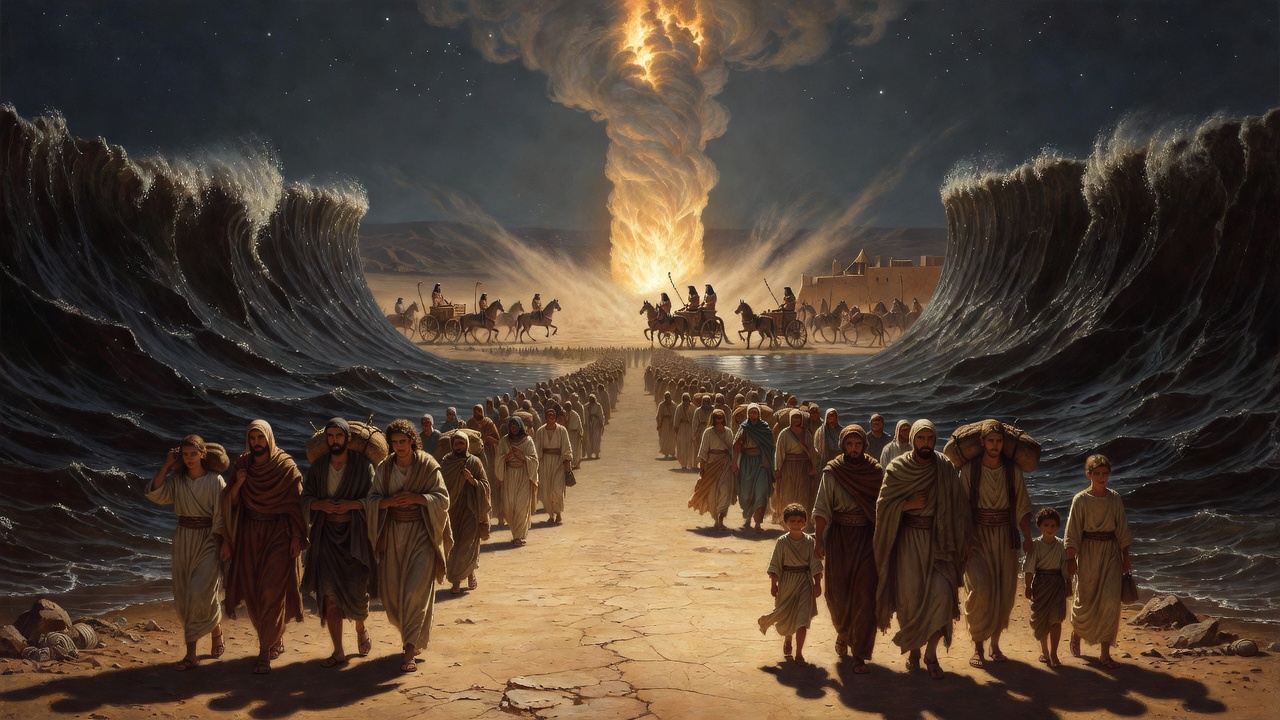
21Kɔ Musa entenci kəca kɔn dəkəba, kɔ MARIKI owurɛ afef ŋɔpɔŋ nŋɛ ŋɛncyɛfɛ kəca nkɛ dec dɛmpɛ mɔ. Kɔ ŋɛwɛn pibi papɔkɔ fəp domun da dəkəba kɔ ŋowosəs kəba, kɔ domun dɛgbɛyɛnɛ. 22K'aka Yisrayel ŋantor dəkəba antɔf ŋowosu, kɔ domun deyi kəca kətɔt kɔ kəmeriya pəmɔ biŋkəli. 23K'aka Misira ŋancəmɛ aka Yisrayel darəŋ kəbɛləs kəyɛfɛ fəlɛs ya firawona kəbəp cibil cɔn ca dəkəwan, kəkɔ ka ayɛksɛnɛ ɔn fəlɛs, fəp faŋan kɔ ŋantor dəkəba. 24Dɔsɔka dɛləpəs kɔ MARIKI ontorɛ fɔr, k'ɔmɔmən asɔdar aka Misira pəyi acul ŋa nɛnc kɔ ŋa kəp disrɛ, k'osutɛ asɔdar aka Misira pəyamayama. 25Kɔ MARIKI ɛyamsər səntef sa cibil ca dəkəwan ca aka Misira kəkafəlɛ belbel, kɔ tɔsɔŋɛ ci kəyɛlnɛ kəkɔt. K'aka Misira ŋaloku: «Payɛksɛ pamulpər aka Yisrayel, bawo MARIKI eyi kəsutnɛnɛ ŋa nnɔ aka Misira ŋayi mɔ!»
26Kɔ MARIKI oloku Musa: «Məcenc kəca kam dəkəba, domun dɛgbəpərnɛ aka Misira, kəyɛfɛ ka cibil cəŋan ca dəkəwan kəbəp ka ayɛksɛnɛ fəlɛs aŋan.» 27Kɔ Musa encenc kəca kɔn dəkəba, dɔsɔka dɛləpəs kɔ kəba kəluksərnɛ tɔkɔ kənayi mɔ. Aka Misira ŋanayi kəyɛksər kəba, mba kɔ MARIKI ɛŋgbəpər ŋa domun. 28Kɔ domun dender kɔ dɛŋgbəpərnɛ cibil cəŋan ca dəkəwan, kɔ ayɛksɛnɛ fəlɛs kɔ asɔdar a firawona fəp, aŋɛ ŋanator dəkəba kəcɛpsɛ ka aka Yisrayel mɔ. Ali wəkin ɛnamulpɛ fɛ. 29Mba aka Yisrayel ŋa ŋackɔt kəba disrɛ antɔf ŋowos fər. Domun deyi ŋa kəca kətɔt kɔ kəmeriya pəmɔ biŋkəli. 30Dɔsɔk dadɔkɔ dɔ MARIKI ɛnabaŋ aka Yisrayel aMisira dəwaca. K'aka Yisrayel ŋanəŋk aka Misira ŋafis-fis daparpara. 31K'aka Yisrayel ŋanəŋk fənɔntər nfɛ MARIKI ɛnasutɛ aka Misira mɔ. K'aka Yisrayel ŋanesɛ MARIKI, kɔ ŋalaŋ MARIKI kɔ Musa wəmarəs kɔn.
Você sabia?
Israel encurralado entre o faraó e o mar
- Israel recebeu ordem de voltar atrás e acampar diante de Pi-Hairote, entre Migdol e o mar, bem em frente a Baal-Zefom, para que o faraó pensasse que o deserto os havia encurralado. Pi-Hairote significa lugar onde crescem os juncos, embora a Septuaginta e o copta leiam fazenda, e Baal-Zefom significa Baal do norte.Fontes: o próprio texto bíblico · Pi-hahiroth · Baal-zephon
- O dicionário bíblico de Easton (1897) descreve Baal-Zefom como uma cidade egípcia à beira do golfo de Suez, provavelmente o atual Jebel Deraj ou Kulalah, na margem ocidental, e observa que Baal-zapuna, dos egípcios, era um lugar de culto. Alguns identificaram Pi-Hairote com Ajrud, uma fortaleza entre Etã e Suez. O verbete de Pi-Hairote acrescenta que a condição do istmo de Suez na época do Êxodo não é conhecida com exatidão, de modo que Pi-Hairote e os outros acampamentos de Israel no Egito não podem ser localizados com certeza; o istmo foi formado por depósitos do Nilo.Fontes: Baal-zephon · Pi-hahiroth
- O dicionário bíblico de Easton (1897) diz que o faraó do Êxodo foi provavelmente Menephtah I, o décimo quarto e mais velho filho sobrevivente de Ramsés II, e que ele residia em Zoã, onde ocorreram as entrevistas com Moisés e Arão registradas em Êxodo. O mesmo verbete ainda trata como questão aberta se esse rei foi Seti II ou seu pai Menephtah, e observa que alguns julgam que o peso das evidências favorece Seti II.Fontes: Pharaoh (of the Exodus)
Notas escritas com auxílio de IA a partir de fontes abertas (Theographic Bible Metadata, CC BY-SA 4.0; Easton’s Bible Dictionary, domínio público) e revisadas antes de publicar.
Lugares deste capítulo
Só aparecem lugares com identificação de alta confiança (90% ou mais segundo as fontes acadêmicas reunidas pelo OpenBible). Mapa da época: DARE (Digital Atlas of the Roman Empire), CC BY 4.0; mapa atual: © colaboradores do OpenStreetMap; lugares: OpenBible.info (CC BY 4.0).
Créditos e licença desta tradução
Kitabu ka Kanu
Portions of the Holy Bible in the Baga Sitemu language of Guinea
Des portions de la Sainte Bible dans la langue Baga Sitemu de Guinée
copyright © 2015 Pioneer Bible Translators
Language: Baga Sitemu
Translation by: Traducteurs Pionniers de la Bible
Contributor: Pioneer Bible Translators
This translation is made available to you under the terms of the
Creative Commons Attribution Share-Alike license 4.0.
You have permission to share and redistribute this Bible translation in any format and to make reasonable revisions and adaptations of this translation, provided that:
You include the above copyright and source information.
If you make any changes to the text, you must indicate that you did so in a way that makes it clear that the original licensor is not necessarily endorsing your changes.
If you redistribute this text, you must distribute your contributions under the same license as the original.
Pictures included with Scriptures and other documents on this site are licensed just for use with those Scriptures and documents.
For other uses, please contact the respective copyright owners.
Note that in addition to the rules above, revising and adapting God's Word involves a great responsibility to be true to God's Word. See Revelation 22:18-19.
2025-04-29
Fonte: http://ebible.org/bsp/ · eBible.org