Deuteronômio 33
Kitabu ka Kanu · Toque num versículo para ver as referências cruzadas.
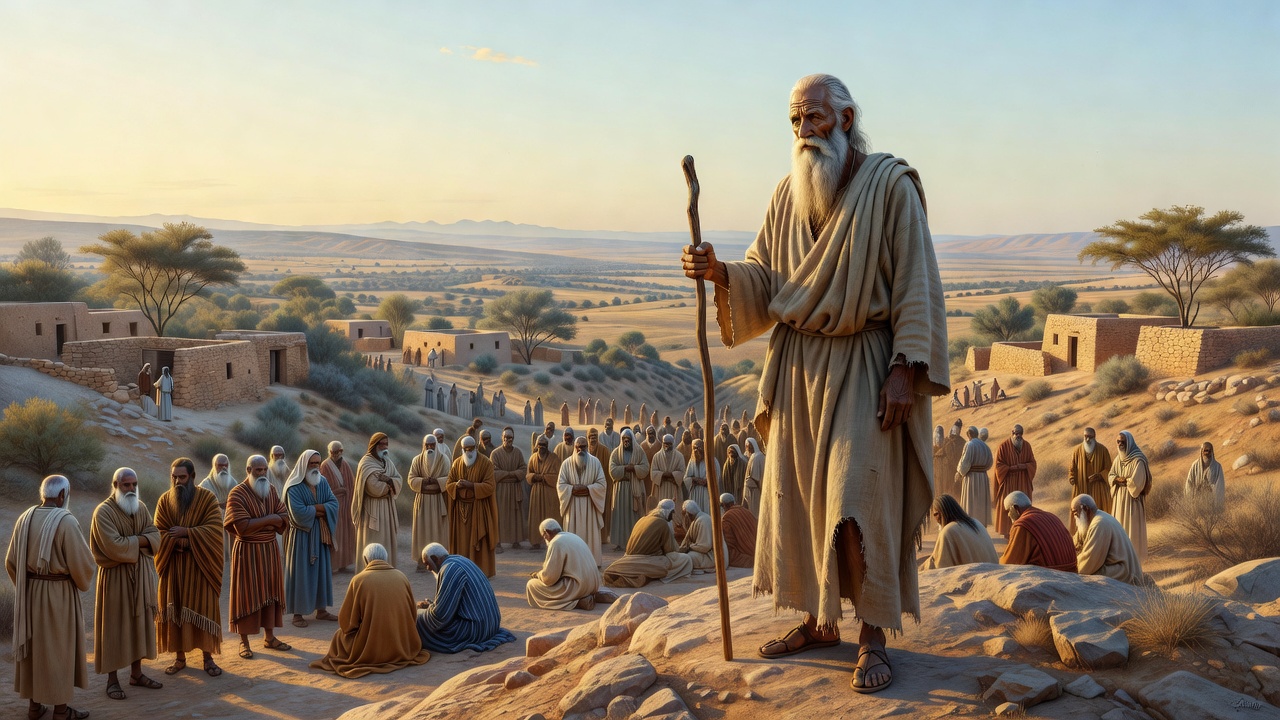
Musa ontola Kanu kəpocɛ pətɔt aka Yisrayel
1Kəpocɛ pətɔt nkɛ kɔ Musa fum ka Kanu ɛnatolanɛ aka Yisrayel, a pəcfi.
2Kɔ Musa oloku:
«Kɔ MARIKI ɛyɛfɛ tɔrɔ ta Sinayi,
k'ɛyɛfɛ aka Yisrayel kəroŋ pəmɔ ntɛ dec dɛmpɛ atɔf ŋa Sehir mɔ.
Kəyɛfɛ nde tɔrɔ ta Paran, k'omot aka Yisrayel nɔrɔ,
k'ender nnɔ afum ɔn ŋayi mɔ, mɛlɛkɛ mosoku wul wəco (10.000) mɛkɛl kɔ.
Pətɔmpər dəkəca sariyɛ səmotər-motər.
3Ɛy, MARIKI ɔmbɔtər afum ɔn acempi,
aŋɛ ampus mɔ fəp ŋayi kɔ dəkəca.
Ŋancəmɛ məna MARIKI dəntɔf,
kɔ ŋawosɛ moloku mam.
4Sariyɛ nsɛ Musa osom su mɔ,
kəloŋkanɛ ka Yakuba, afum a Yisrayel ŋayɔ si!
5MARIKI ɛnayɔnɛ wəbɛ ka Yesurun afum em,
tɛm ntɛ abɛ aka Yisrayel ŋancloŋkanɛ kɔ cusuŋka cəŋan mɔ.»
6Kɔ Musa ontolanɛ cusuŋka ca Yisrayel ntɛ:
«Kanu kəsɔŋɛ a kusuŋka ka Ruben kəyi doru, ta kəlip,
ali tɔyɔnɛ afum ɔn ŋapicɛ!»
7Kɔ Musa oloku teta kusuŋka ka Yuda ntɛ:
«MARIKI, məcəŋkəl dim da Yuda,
Məlompəs aka kusuŋka ka Yuda dacɔ kɔ cusuŋka cəlpəs ca Yisrayel!
Məsɔŋɛ waca waŋan wɛyac ŋa.
Məna MARIKI məyɔnɛ wəyac kəŋan nnɔ aterɛnɛ aŋan ŋayi mɔ!»
8Kɔ Musa oloku teta kusuŋka ka Lewy ntɛ:
«MARIKI, məsɔŋ masar ma kiti mam Tumim kɔ Yurim amarəs am aka kusuŋka ka Lewy,
aŋɛ mənawakəs Masa mɔ, aŋɛ mənatɛnsər kəcɔp nde domun da Meriba kəsək mɔ.
9Nwɛ oŋloku teta kas kɔ kɛrɛ mɔ:
‹Ifɔmɔmən ŋa!›
Nwɛ ɔntɔcərɛ awɛnc aŋa mɔ,
ta ɛncərɛ awut ɔn mɔ,
bawo ŋamɛŋkərnɛ toloku ta məna MARIKI,
kɔ ŋatɔmpərnɛ sɔ danapa dam.
10Ŋatəksɛ afum a Yakuba mɔyɔ mokur mam,
ŋatəksɛ aka Yisrayel sariyɛ sam!
Ŋasɔŋ'am kəne ambɔnc ŋa suray,
ŋasɔŋ əm poloŋnɛ pɔcɔf pam nde dətetek toloŋnɛ tam kəroŋ!
11Məpocɛ sɔkət sa kusuŋka ka Lewy pətɔt, MARIKI,
məpocɛ sɔ mosumpər mɔn pətɔt!
Mətepi mɔkɔc ma aŋɛ ŋaŋyektər aLewy kəyɛfərɛnɛ mɔ,
kɔ akɔ ŋanter ŋa mɔ. Ta ŋatam sɔ kəyɛfɛ!»
12Kɔ Musa oloku teta yuruya ya Beŋyamin, ntɛ:
«Abɔt aka MARIKI ŋɔ,
ŋayi kubum kɔn dəntɔf.
MARIKI ombum ŋa dɔsɔk o dɔsɔk,
eyi ŋa dacɔ tɛm fəp.»
13Kɔ Musa oloku teta kusuŋka ka Isifu ntɛ:
«MARIKI ɔsɔŋ kəpocɛ kətɔt antɔf ŋaŋan,
Kibi ka darenc kənde kəctufər antɔf ŋaŋan,
kɔ domun ndɛ dende kəcpɛ kəyɛfɛ ka dəntɔf mɔ.
14Dec dɔŋsɔŋɛ yɔbɔf kəpoŋ,
ŋof o ŋof yokom yofu yɔŋlɔl.
15MARIKI ompocɛ ŋa yokom yɔtɔt ya antɔf ŋa mɔrɔ mokur,
kɔ kəctesɛ yɔbɔf mofo meŋeci ma tɛm tobol-bolu.
16MARIKI pəsɔŋɛ daka da antɔf ŋɔtɔt dadɔkɔ,
kɔ kəmar ka Kanu nkɛ kənalok-lokər Musa dɛrəntəm mɔ,
daka dadɔkɔ dɛlarɛ kusuŋka ka Isifu,
nkɔn nwɛ anapus awɛnc aŋa dacɔ mɔ!
17Isifu ɔyɔ pəlel pəmɔ tura pɔcɔkɔ-cɔkɔ pa yɔcɔl ya cəna.
Lɛn yɔn mɛrəŋ yɔyɔ fənɔntər pəmɔ lɛn ya wana wa dop,
iy'ɛŋwɛnsɛ afum a doru fəp, haŋ nde doru dɛləpsər mɔ.
Kəlɛn kin, kənay kəpɔŋ ka yuruya ya Efrayim kɔ,
kɔ kəlɛn ka mɛrəŋ, afum wul wul aka kusuŋka ka Manase kɔ.»
18Kɔ Musa oloku teta aka cusuŋka ca Sabulon kɔ Isakar ntɛ:
«Sabulon, kəwur kam delek kəbɔt əm,
kɔ məna Isakar mənɔnɛ pəbotu nde abal ŋam disrɛ!
19Ŋandewe cusuŋka ca Yisrayel nde tɔrɔ taŋan kəroŋ,
ŋaŋkɔ ŋacloŋnɛ di yoloŋnɛ nyɛ sariyɛ səloku mɔ,
bawo dəkəba ŋandekɔ ŋacwurɛ daka daŋan,
kɔ daka dɔkɔ dɔŋgbɔpnɛ dəkəsənc mɔ.»
20Kɔ Musa oloku teta yuruya ya Kadu ntɛ:
«Iyek-yekəs MARIKI nwɛ ɔsɔŋ yuruya ya Kadu antɔf ŋowokəlu mɔ!
Ŋa aŋɛ ŋaŋliŋɛ pəmɔ kusunuŋku kəran mɔ,
ŋa aŋɛ ŋaŋwatəri-watəri kəyɛfɛ dəkəcək haŋ dəromp mɔ.
21Kusuŋka ka Kadu kəyɛk-yɛk antɔf ŋɔtɔt ŋa atɔf,
k'ɛmɛŋkərnɛ daka pəmar wəbɛ pəsɔtɔ mɔ.
Nkɔn eyi aka Yisrayel kiriŋ,
k'ɔŋkɔtɛnɛ mɛfaŋ ma MARIKI dolompu disrɛ,
k'ɔŋkɔtɛnɛ sariyɛ sɔn nnɔ aka Yisrayel ŋayi mɔ.»
22Kɔ Musa oloku teta kusuŋka ka Dan ntɛ:
«Dan kusunuŋku kəwut kɔ,
nkɛ kəŋgbəpərnɛ kəyɛfɛ nde atɔf ŋa Basan mɔ.»
23Kɔ Musa oloku teta aka kusuŋka ka Naftali ntɛ:
«Kusuŋka ka Naftali kənɛmbərɛ kəmar kɔ kəlarɛ kəpocɛ kətɔt ka MARIKI.
Naftali, məwɔkələs atɔf ŋam ntende dec dɛŋkalɛ, kɔ ntende kəca kətɔt ka nde dec dɛmpɛ mɔ!»
24Kɔ Musa oloku teta aka kusuŋka ka Asɛr ntɛ:
«MARIKI pəpocɛ Asɛr pətɔt awut a Yakuba dacɔ!
Pəsɔtɔ kəmar ka kəbɔtər ka awɛnc aŋa,
dɛlay da moro dɔsɔŋɛ Asɛr pəgbət mi wɛcək wɔn!
25Asɛr, Kanu kəpoc'am a məyi kumba ka fɛc kɔ kɔpər darəŋ.
Kanu kəsɔŋ kusuŋka kam sɔkət kəyi kam doru fəp!
26Ali kanu kəlɔma kəwurɛnɛ fɛ kɔ Kanu ka nəna Yesurun afum em,
nkɛ kəncal-cali darenc kədemar nu,
nkɛ kəncepərɛnɛ kɔm debeki dɔn disrɛ mɔ.
27Kəyɛfɛ kəcop ka doru o doru Kanu kəyɔnɛ dəkəyacnɛ donu,
tɛm fəp eyi yɛbəc ya kəbum nu.
Fɔr yam kiriŋ k'ɛmbɛləs wəterɛnɛ kam,
kəcloku: ‹Mədifət!›
28Aka Yisrayel nəyi kubum disrɛ,
Yuruya ya Yakuba ŋandɛ taciŋa
nde atɔf ŋa mɛŋgbɛn kɔ member ma wɛn,
antɔf nŋɛ kibi kəntufər kəŋyɛfɛ darenc mɔ.
29Pəmbɔt nu nəna aka Yisrayel!
Are ŋayi pəmɔ nəna-ɛ?
Nəna nəyɔnɛ afum aŋɛ MARIKI ɛyac mɔ.
MARIKI ɔyɔnɛ nu aca nŋɛ ŋɛŋyac nu mɔ,
ɔyɔnɛ dakma ndɛ dɔŋsɔŋɛ nu kətam aterɛnɛ anu mɔ.
Aterɛnɛ anu ŋandeder ŋalɛtsɛnɛ nu kəŋaŋnɛ,
mba nəndenas-nas dofum daŋan.»
Você sabia?
A Bênção Final de Moisés sobre as Tribos
- O poema começa com uma vívida descrição de Deus aparecendo a partir do deserto ao sul, mencionando expressamente o Sinai, Seir e o monte Parã para retratar o Senhor raiando como o sol sobre o seu povo reunido.Fontes: o próprio texto bíblico · Sinai · Seir · Mount Paran
- A bênção para a tribo de Levi destaca os seus deveres sagrados: consultar o Urim e o Tumim, oferecer incenso e holocaustos no altar e ensinar as ordenanças e a lei de Deus à assembleia de Israel.Fontes: o próprio texto bíblico · Massah · Meribah (of Horeb)
- A bênção de José antecipa grande fertilidade e força militar, mencionando especificamente tanto Efraim quanto Manassés, as duas linhagens tribais descendentes dos filhos de José nascidos no Egito.Fontes: o próprio texto bíblico · Joseph (son of Jacob) · Ephraim · Manasseh (son of Joseph)
Notas escritas com auxílio de IA a partir de fontes abertas (Theographic Bible Metadata, CC BY-SA 4.0; Easton’s Bible Dictionary, domínio público) e revisadas antes de publicar.
Lugares deste capítulo
- Meribah · Hoje: Ain el Qudeirat · 30.648, 34.422 · versículo 2
- Meribah · Hoje: within 500 m of Wadi Rufaiyil · 28.623, 33.880 · versículo 8
- Bashan · 32.781, 35.935 · versículo 22
Só aparecem lugares com identificação de alta confiança (90% ou mais segundo as fontes acadêmicas reunidas pelo OpenBible). Mapa da época: DARE (Digital Atlas of the Roman Empire), CC BY 4.0; mapa atual: © colaboradores do OpenStreetMap; lugares: OpenBible.info (CC BY 4.0).
Créditos e licença desta tradução
Kitabu ka Kanu
Portions of the Holy Bible in the Baga Sitemu language of Guinea
Des portions de la Sainte Bible dans la langue Baga Sitemu de Guinée
copyright © 2015 Pioneer Bible Translators
Language: Baga Sitemu
Translation by: Traducteurs Pionniers de la Bible
Contributor: Pioneer Bible Translators
This translation is made available to you under the terms of the
Creative Commons Attribution Share-Alike license 4.0.
You have permission to share and redistribute this Bible translation in any format and to make reasonable revisions and adaptations of this translation, provided that:
You include the above copyright and source information.
If you make any changes to the text, you must indicate that you did so in a way that makes it clear that the original licensor is not necessarily endorsing your changes.
If you redistribute this text, you must distribute your contributions under the same license as the original.
Pictures included with Scriptures and other documents on this site are licensed just for use with those Scriptures and documents.
For other uses, please contact the respective copyright owners.
Note that in addition to the rules above, revising and adapting God's Word involves a great responsibility to be true to God's Word. See Revelation 22:18-19.
2025-04-29
Fonte: http://ebible.org/bsp/ · eBible.org