Deuteronômio 14
Kitabu ka Kanu · Toque num versículo para ver as referências cruzadas.
Kəmɔnɛ ka mɔyɔ mokur ma afum acuru dəkəbal
1Awut a MARIKI Kanu konu ŋɔ nəyɔnɛ, kɔ fum efir nu-ɛ, ta nəgbes-gbesinɛ tetɔn, ta nəfonnɛ cəfon ca dəmobu. 2Bawo afum apus ŋɔ nəyɔnɛ nnɔ MARIKI Kanu konu kəyi mɔ. Nən'ɔ MARIKI Kanu konu ɛyɛk-yɛk ntɛ tɔŋsɔŋɛ nəyɔnɛ afum ɔn aka dətim afum a doru dandɛ fəp dacɔ mɔ.
Sɛm nyɛ awosɛ kɔ nyɛ amɔnɛ fum kəsɔm mɔ
3Ta mədi pəyikyik mpɛ o mpɛ MARIKI enter, a k'ɔmɔnɛ mɔ. 4Sɛm nyɛ y'awosɛ nu kəde kəcsɔm: Wana, aŋkesiya, kɔ wir, 5wɛsɛm nwɛ o nwɛ woŋwurɛnɛ kɔ wɛcək mɔ, aŋkesiya kɔ wir wa dəmɔrɔ meŋeci, kɔ dokom da were wɔpɔŋ kɔ wɛfɛt. 6Nədetam kəcsɔm sɛm fəp nyɛ yɛŋgbɛyɛnɛ mɛlər mɔ, yɔyɔ mɛlər mɛrəŋ, nyɛ yɛŋnakəmnɛ kɔ yɔntɔyi kəsɔmət pəmɔ wana-ɛ. 7Mba ta nəde nəcsɔm sɛm dacɔ nyɛ yɛŋnakəmnɛ pəmɔ wana mɔ, kɔ yɔyɔ mɛlər mɛrəŋ mɛgbɛyɛnɛ: Yɔkɔmɛ, tɔrɔp, kɔ dokom da debem ndɛ deyi dəmasar mɔ. Sɛm yɔ nyɛ yɔŋsɔm yika mɔ, mba yi yɛŋgbɛyɛnɛ fɛ mɛlər mɛrəŋ. Awa, sɛm yayɔkɔ yɔsɔk fɛ nnɔ nəyi mɔ. 8Asop nŋɛ ŋɛŋgbɛyɛnɛ mɛlər, mba ŋɔfɔnakəmnɛ yika pəmɔ wana, ŋɔsɔk fɛ nnɔ nəyi mɔ. Ta nəsɔm sɛm ya sop, ta nəgbuŋɛnɛ yefi ya yi.
9Sɛm nyɛ yeyi dəromun mɔ, nyɛ yɔ awosɛ nu kəde kəcsɔm: Sɛm nyɛ yɔyɔ yɛŋɛrnɛnɛ kɔ wokwok mɔ fəp. 10Mba ta nəsɔm mpɛ o mpɛ pɔntɔyɔ yɛŋɛrnɛnɛ kɔ wokwok mɔ, yayɔkɔ yɔsɔk fɛ nnɔ nəyi mɔ.
11Nəde nəcsɔm bɛmp nyɛ yɔsɔk mɔ fəp. 12Mba bɛmp nyɛ yɔ ta nəde nəcsɔm yi: Ayɔfən, abəkar kɔ asiksik ŋefer kɔ ŋa dəkəba, 13təŋgbɛ pebi kɔ peyim, aŋkəlokəlo kɔ dokomɛnɛ dayi, 14bɛmp ya mənar kɔ dokomɛnɛ dayi fəp, 15otəris, awump, abəkar kɔ dokomɛnɛ dayi, 16awump kɔ dokom da ŋi, 17antombon, alifɔt, kɔ ancapəraman, 18bɛmp ya agbɛp ŋa cəba kɔ dokomɛnɛ dayi, kɔ tempirfin.
19Yoyokɛ-yokɛ yɛfɛt yɛfɛt nyɛ yɔyɔ banca yɛfɛlər fəp, pəmar fɛ nəsɔm yi, yɔsɔk fɛ nnɔ nəyi mɔ. 20Mba nəntam kəcsɔm yɛfɛlər-fɛlər fəp nyɛ yɔsɔk mɔ.
21Ta nəde nəcsɔm wɛsɛm nwɛ atɔfay amera mɔ. Mədekɔ məcsɔŋ wi wəcikəra nwɛ eyi nde ndaram mɔ, nkɔn pəsɔm wi, kɔ pəyɔnɛ fɛ ti-ɛ, məcamsər wi wəcikəra, bawo fum nwɛ ampus mɔ məyɔnɛ nnɔ MARIKI Kanu kam kəyi mɔ. Ta mədekɔ məcpɛcɛ sɛm ya wir mɛsɛ ma kɛrɛ ka wi.
Sariyɛ sa farilɛ
22Mədekɔ məcsɔŋ kəren o kəren farilɛ fa yokom ya yɔbɔf nyɛ dalɛ dam dendekɔ dɔcsɔŋ əm mɔ fəp. 23Mədekɔ məcdi yeri fɔr ya MARIKI Kanu kam kiriŋ, nde kəfo nkɛ endekɔyɛk-yɛk kəyɔnɛ dəkiyi dɔn mɔ, kəyɛfɛ farilɛ fa mɛŋgbɛn mam, fa wɛn wam, kɔ fa moro mam, kəbəp ka awut acɔkɔ-cɔkɔ a yɔcɔl yam cəna, cir kɔ ŋkesiya yam, ntɛ tɔŋsɔŋɛ mətəkəs kənesɛ tɛm fəp MARIKI Kanu kam mɔ. 24Tɔlɔma dɔpɔ dɔbɔlɛ teta kəsarɛ fi, tɔlɔma kəfo nkɛ MARIKI Kanu kam kəyɛk-yɛk kəyɔnɛ dəkiyi dɔn mɔ kəmbɔlɛnɛ ndaram, bawo MARIKI Kanu kam ompoc'am pətɔt-ɛ, 25tɛm tatɔkɔ məntam kəsəkpərɛ farilɛ fam pəsam, mətɔmpər pəsam papɔkɔ dəkəca məkɔ nde kəfo kaŋkɔ nkɔn MARIKI Kanu kam ɛyɛk-yɛk mɔ. 26Dəndo kəfo kaŋkɔ, məntam kəsəkpərɛ sɔ pəsam papɔkɔ daka o daka ndɛ məŋfaŋ mɔ, pəyɔnɛ cəna, pəyɔnɛ cir kɔ ŋkesiya, pəyɔnɛ wɛn, pəyɔnɛ member mpɛ o mpɛ pɔmbɔt əm mɔ, mədi yi dəndo MARIKI Kanu kam fɔr kiriŋ, məwoləs-woləs, məna k'aka kəlɔ kam disrɛ. 27Ta məsak wəLewy nwɛ o nwɛ eyi nde ndaram mɔ, bawo ɔsɔtɔ fɛ kɛ aka Yisrayel dacɔ.
28Dəkələpsər da teren ta maas ntɛ o ntɛ, məcwurɛ farilɛ fəp fa yokom ya yɔbɔf yam ya kəren, məcboc yi sədare sonu nsɛ nəndɛ mɔ. 29Məcərɛ a wəLewy ɔsɔtɔ fɛ kəfo kɛ kam dacɔ. Awa, wəLewy, wəcikəra, wətɔyɔ kɛrɛ kɔ kas, wəcəbokəra, aŋɛ ŋayi dare donu mɔ fəp, ŋader ŋadi yeri yayɔkɔ haŋ ŋanɛmbərɛ, ntɛ tɔŋsɔŋɛ MARIKI Kanu kam kəpoc'am pətɔt dəyɛbəc ya waca wam fəp mɔ.
Você sabia?
Leis Alimentares e Disposições sobre o Dízimo
- As leis alimentares de Deuteronômio 14 distinguem os animais terrestres puros dos impuros com base em dois critérios físicos: ter o casco fendido e ruminar. As criaturas aquáticas só eram consideradas próprias para o consumo se tivessem tanto barbatanas quanto escamas.Fontes: o próprio texto bíblico
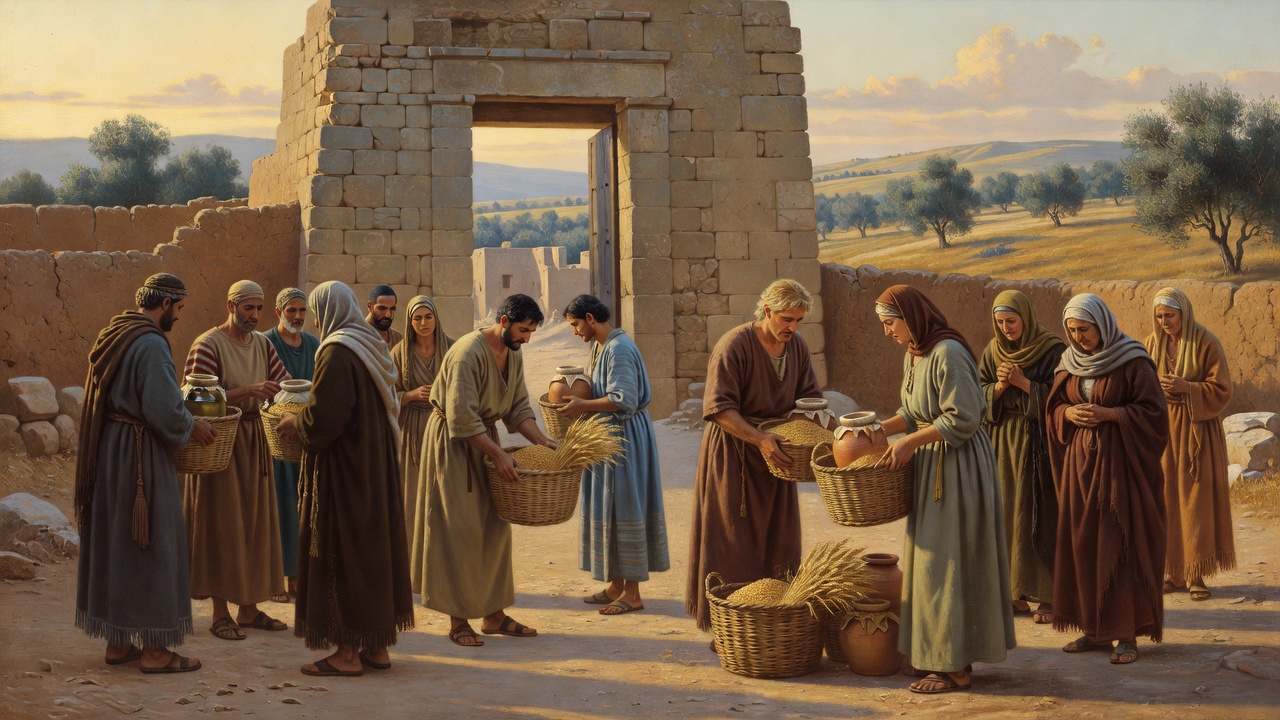
- Para atender às famílias que moravam longe do santuário escolhido, a lei permitia converter os dízimos agrícolas em prata para a viagem. Ao chegar ao local central, os adoradores podiam usar o dinheiro para comprar alimentos festivos e celebrar com sua família.Fontes: o próprio texto bíblico
- A cada três anos, o dízimo da colheita era recolhido e armazenado nas cidades locais em vez de ser levado ao santuário central. Esse suprimento era reservado para sustentar os membros da comunidade que não possuíam herança de terras, como levitas, estrangeiros residentes, órfãos e viúvas.Fontes: o próprio texto bíblico
Notas escritas com auxílio de IA a partir de fontes abertas (Theographic Bible Metadata, CC BY-SA 4.0; Easton’s Bible Dictionary, domínio público) e revisadas antes de publicar.
Créditos e licença desta tradução
Kitabu ka Kanu
Portions of the Holy Bible in the Baga Sitemu language of Guinea
Des portions de la Sainte Bible dans la langue Baga Sitemu de Guinée
copyright © 2015 Pioneer Bible Translators
Language: Baga Sitemu
Translation by: Traducteurs Pionniers de la Bible
Contributor: Pioneer Bible Translators
This translation is made available to you under the terms of the
Creative Commons Attribution Share-Alike license 4.0.
You have permission to share and redistribute this Bible translation in any format and to make reasonable revisions and adaptations of this translation, provided that:
You include the above copyright and source information.
If you make any changes to the text, you must indicate that you did so in a way that makes it clear that the original licensor is not necessarily endorsing your changes.
If you redistribute this text, you must distribute your contributions under the same license as the original.
Pictures included with Scriptures and other documents on this site are licensed just for use with those Scriptures and documents.
For other uses, please contact the respective copyright owners.
Note that in addition to the rules above, revising and adapting God's Word involves a great responsibility to be true to God's Word. See Revelation 22:18-19.
2025-04-29
Fonte: http://ebible.org/bsp/ · eBible.org