Atos 18
Kitabu ka Kanu · Toque num versículo para ver as referências cruzadas.
Pol nde dare da Kɔrɛnt
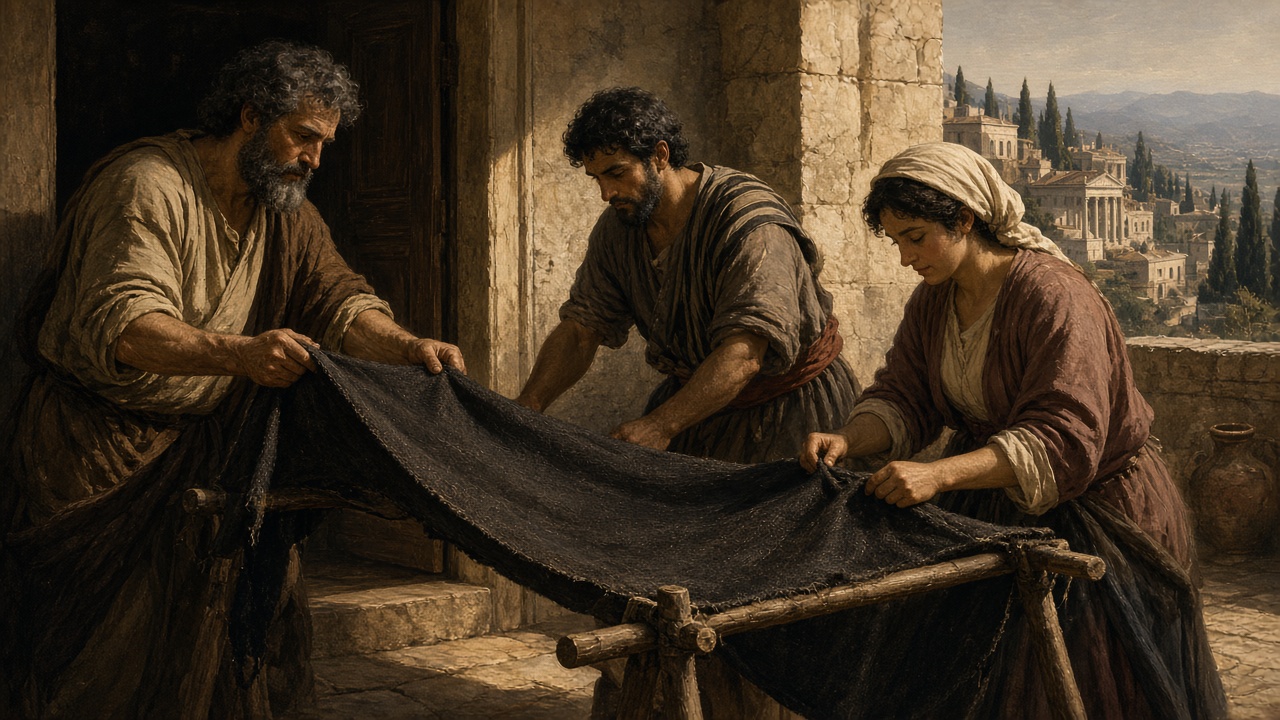
1Ntɛ tatɔkɔ tencepər mɔ, kɔ Pol ɛyɛfɛ dare da Atɛn k'ɔŋkɔ Kɔrɛnt. 2K'ɔŋkɔ pəbəp di wəSuyif wəlɔma pacwe kɔ Akila, nwɛ anakom dare da Pɔnt mɔ, pətɛp kəcder atɔf ŋa Itali kɔ wəran kɔn Pirsila, bawo wəbɛ Kəlod ɛnaloku a aSuyif fəp ŋawur Rom. Kɔ Pol ɔŋkɔ pəbəp ŋa. 3Ntɛ tɛnasurɛnɛ ŋapaŋnɛ yɛbəc yin yayi mɔ, kɔ eyi ndaraŋan, ŋacbəc, ŋaclompəs cəbal. 4Simiti o simiti dɔsɔk da kəŋesəm Pol ɛncgbɛkəlɛnɛ kəlɔ ka dəkətola da aSuyif pəcsɛp dəmoloku a aSuyif kɔ aKresi ŋawosɛ kəcəmɛ moloku mɔn darəŋ.
5Ntɛ Silas kɔ Timote ŋanator Masedon mɔ, kɔ Pol ɛncəmɛ oŋ gbəcərəm kəcam toloku tɔtɔt, pəcsɔŋɛ aSuyif kəlaŋ a Yesu ɔyɔnɛ nwɛ Kanu kəyɛk-yɛk mɔ. 6Mba ntɛ aSuyif ŋancgbɛkəl kɔ ŋaclɔmsɛnɛ kɔ mɔ, k'oŋkoŋ-koŋər kəfəl ka yamos yɔn teta kəyeŋk kəŋan səbomp nnə eyi mɔ, k'oloku: «Doru donu deyi nu dəwaca! Kɔ ina, isɔk ti disrɛ. Ndɛkəl oŋ, nda atɔyɔnɛ aSuyif indekɔ.»
7Kɔ Pol ɛyɛfɛ di, k'ɔŋkɔ nda Titi Yusutu wəkor-koru Kanu wəlɔma, nwɛ kəlɔ kɔn kənasəŋkərɛnɛ kɔ dəkətola Kanu da aSuyif mɔ. 8Krispɔs, wəbɛ ka kəlɔ ka dəkətola wəlɔma ɛnalaŋ teta Mariki kɔ aka kəlɔ kɔn disrɛ fəp. Kɔ aKɔrɛnt alarəm aŋɛ ŋanccəŋkəl mɔ ŋanayɔnɛ alaŋ, k'aŋgbət ŋa dəromun teta Kanu.
9Pibi disrɛ kɔ Mariki oloku Pol kənəŋk disrɛ: «Ta mənesɛ! Məlok-loku, ta məcaŋk de, 10bawo ina iyi kɔ məna! Fum o fum ɔfɔsumpər əm kəca kəyɔ əm tes tɛlɛc, bawo iyɔ afum alarəm dare dandɛ disrɛ.» 11Kɔ Pol eyi ŋa dacɔ teren tin kɔ yof camət-tin pəctəksɛ ŋa toloku ta Kanu.
12Tɛm tatɔkɔ tɔ Rom dɛnadəs Kaliyɔŋ kəyɔnɛ ka wəbɛ nde atɔf ŋa Akaya. Kɔ aSuyif alɔma ŋantəŋnɛ kəyɛfərɛnɛ kɔ Pol, kɔ ŋaŋkekərɛ kɔ dəŋkiti. 13Kɔ ŋaloku: «Fum wəkawɛ, afum ŋ'ɛfaŋ a ŋakor-koru Kanu ŋacəmɛ dɔpɔ dɔn darəŋ, dɔpɔ ndɛ denciyanɛ kɔ ndɛ sariyɛ səloku mɔ.»
14Pol ɛyɛfɛ kəkɔloku, mba Kaliyɔŋ oloku aSuyif: «Pəcyɔnɛ a fum endif, kɔ pəyɔnɛ fɛ ti, tes tɛlɛc tɔpɔŋ tɔlɔma tɔyɔ-ɛ, k'incəŋkəl nu, nəna aSuyif! 15Mba ntɛ pəyɔnɛ a dəmoloku, dəmewe, kɔ pəyɔnɛ fɛ ti, teta sariyɛ sonu nəna asərka sɔ nəyi kəgbɛkəlɛnɛ mɔ, nəna ŋɔ tatɔkɔ tɔmɔmən. Ina intola fɛ kəyɔnɛ wəboc kiti kaŋkɔ.» 16Kɔ Kaliyɔŋ ɛmbɛləs ŋa dəndo dəŋkiti. 17Kɔ aSuyif ŋaŋkɔ ŋasumpər Sɔstɛn wəbɛ wəka dəkətola Kanu waca, kɔ ŋayɛfɛ kəsut kɔ dəndo dəŋkiti, mba Kaliyɔŋ ɛnawe fɛ ti ali daka.
Pol olukus Antiyɔk
18Kɔ Pol owon dare da Kɔrɛnt mataka mɔlɔma, k'ender pəlembərnɛ awɛnc aŋa alaŋ, k'ɛlɛk abil kəkɔ atɔf ŋa Siri, nkɔn, Pirsila kɔ Akila. K'ofonnɛ domp nde dare da Seŋkəre kəmentər ka kəlip ka tes ntɛ ɛnadermɛ teta Kanu mɔ. 19Ntɛ ŋambɛrɛ dare da Efesi mɔ, kɔ Pol ɛsak Pirsila kɔ Akila. Kɔ Pol ɔŋkɔ kəlɔ ka dəkətola Kanu da aSuyif kɔ ŋaŋgbɛkəlɛnɛ kɔ ŋa. 20Kɔ akakɔ ŋantola kɔ kəyi ka dəndo dare daŋan kərɛsna, mba ɛnawosɛ fɛ. 21K'elembərnɛ ŋa pəcloku: «Indelukus nnɔ ndoronu kɔ Kanu kəwosɛ-ɛ.» K'ɛlɛk abil dare da Efesi, 22k'ontor dare da Sesari nde ɛnacop mərənt mɔn mɔ. K'ɛmpɛ kərɛsna Yerusalɛm kəkɔyif alaŋ. Ntɛ elip mɔ, k'ontor dare da Antiyɔk ŋa Siri.
23Ntɛ tɛm tɔlɔma tencepər mɔ, kɔ Pol ɔŋkɔ k'encepər atɔf ŋa Kalat kɔ Firiki pəccəpəs acɛpsɛ a Yesu bəkəc fəp.
Apolos nde sədare sa Efesi kɔ Kɔrɛnt
24WəSuyif wəlɔma ancwe Apolos, ɛnader Efesi. Dare da Alɛksandər dɔ anakom kɔ, fum wəcərɛ kəlok-loku ɛnayi, pəcərɛ sɔ Yecicəs Yosoku belbel. 25Dɔpɔ da Mariki dɔ anatəksɛ kɔ, kɔ kəsumpər ka mes belbel, kance k'onclokɛ, pəctəksɛ teta Yesu, mba mɛnɛ kəgbət dəromun ka Saŋ gbəcərəm kɔ ɛnacərɛ. 26K'ɛyɛfɛ kəlok-lokɛ kəlaŋ disrɛ nde dəkətola Kanu da aSuyif. Ntɛ Pirsila kɔ Akila ŋane kɔ kəlok-loku mɔ, kɔ ŋalɛk kɔ ndaraŋan, kɔ ŋambɛrɛnɛ kɔ kətəksɛ kəcərɛ kəŋkɔ kənabut kɔ teta dɔpɔ da Kanu mɔ.
27Ntɛ Apɔlɔs ɛnacɛm-cɛmnɛ kəcepər ka Akaya mɔ, kɔ awɛnc aŋa alaŋ ŋaŋgbiŋər kɔ. Kɔ ŋancicɛ acɛpsɛ a Yesu darəŋ aŋɛ ŋayi Akaya mɔ areka, ŋacloku ŋa kəbaŋ kɔ belbel. Ntɛ ɛmbɛrɛ mɔ, k'entesɛ afum aka di, akɔ kəmar ka Kanu kənasɔŋɛ kəyɔnɛ alaŋ mɔ. 28Bawo fənɔntər fɔ Apɔlɔs ɛncgbɛkəlɛ aSuyif fɔr ya afum alarəm kiriŋ pəsɔŋɛ ŋa kəcərɛ dəYecicəs Yosoku a Yesu ɔyɔnɛ wəbɛ nwɛ Kanu kənayɛk-yɛk mɔ.
Você sabia?
A estada de Paulo em Corinto
- Áquila, natural do Ponto, e sua esposa Priscila tinham deixado a Itália porque o imperador Cláudio ordenou que todos os judeus saíssem de Roma. O Easton's Bible Dictionary (1897) data esse decreto em 49 d.C. no verbete de Cláudio e em 50 d.C. no de Áquila. Paulo ficou com eles em Corinto e trabalhou no mesmo ofício, fazendo pano de pelo da Cilícia para tendas.Fontes: Aquila · Claudius (4th Roman Emperor) · o próprio texto bíblico
- A Corinto deste capítulo não era a antiga cidade grega, destruída pelos romanos em 146 a.C., mas uma cidade reconstruída cerca de um século depois e povoada por uma colônia de libertos vindos de Roma. Ficava no istmo, a cerca de 48 milhas a oeste de Atenas, e era a sede romana do governo da Acaia, no sul da Grécia. Era conhecida pela riqueza e pelos hábitos luxuosos, imorais e viciosos de seu povo.Fontes: Corinth · Achaia
- Gálio, irmão mais velho do filósofo Sêneca, era procônsul da Acaia sob Cláudio quando os judeus levaram Paulo diante do tribunal. A Acaia era uma província senatorial, e o governador de uma província assim era chamado procônsul, título usado neste capítulo. Gálio recusou julgar uma disputa sobre palavras, nomes e a lei judaica, e expulsou os acusadores do tribunal.Fontes: Gallio · o próprio texto bíblico
Notas escritas com auxílio de IA a partir de fontes abertas (Theographic Bible Metadata, CC BY-SA 4.0; Easton’s Bible Dictionary, domínio público) e revisadas antes de publicar.
Lugares deste capítulo
- Athens · 37.972, 23.727 · versículo 1
- Corinth · 37.906, 22.879 · versículos 1, 8, 11, 12, 18
- Italy · 41.892, 12.485 · versículo 2
- Pontus · 40.680, 37.830 · versículo 2
- Rome · 41.892, 12.485 · versículo 2
- Macedonia · 41.600, 22.540 · versículo 5
- Achaia · 38.720, 22.540 · versículos 12, 27
- Cenchreae · Hoje: Kechries · 37.884, 22.997 · versículo 18
- Syria · Hoje: Syria 2 · 33.511, 36.306 · versículo 18
- Ephesus · 37.939, 27.341 · versículos 19, 21, 24, 27
- Jerusalem · 31.777, 35.234 · versículos 21, 22
- Antioch · Hoje: Antioch on the Orontes · 36.227, 36.172 · versículos 22, 23
- Caesarea · Hoje: Caesarea Maritima · 32.500, 34.892 · versículo 22
- Galatia · 39.267, 32.983 · versículo 23
- Phrygia · 39.000, 31.000 · versículo 23
- Alexandria · 31.183, 29.896 · versículo 24
- Egypt · 30.129, 31.308 · versículo 24
Só aparecem lugares com identificação de alta confiança (90% ou mais segundo as fontes acadêmicas reunidas pelo OpenBible). Mapa da época: DARE (Digital Atlas of the Roman Empire), CC BY 4.0; mapa atual: © colaboradores do OpenStreetMap; lugares: OpenBible.info (CC BY 4.0).
Créditos e licença desta tradução
Kitabu ka Kanu
Portions of the Holy Bible in the Baga Sitemu language of Guinea
Des portions de la Sainte Bible dans la langue Baga Sitemu de Guinée
copyright © 2015 Pioneer Bible Translators
Language: Baga Sitemu
Translation by: Traducteurs Pionniers de la Bible
Contributor: Pioneer Bible Translators
This translation is made available to you under the terms of the
Creative Commons Attribution Share-Alike license 4.0.
You have permission to share and redistribute this Bible translation in any format and to make reasonable revisions and adaptations of this translation, provided that:
You include the above copyright and source information.
If you make any changes to the text, you must indicate that you did so in a way that makes it clear that the original licensor is not necessarily endorsing your changes.
If you redistribute this text, you must distribute your contributions under the same license as the original.
Pictures included with Scriptures and other documents on this site are licensed just for use with those Scriptures and documents.
For other uses, please contact the respective copyright owners.
Note that in addition to the rules above, revising and adapting God's Word involves a great responsibility to be true to God's Word. See Revelation 22:18-19.
2025-04-29
Fonte: http://ebible.org/bsp/ · eBible.org