Atos 16
Kitabu ka Kanu · Toque num versículo para ver as referências cruzadas.
Timote ɛncəmbər Pol kɔ Silas
1Pol ɛnabɛrɛ dare da Dɛrbɛ, k'ɔŋkɔ sɔ Listər. Dəndo wəcɛpsɛ Yesu darəŋ wəlɔma ɛnayi pacwe kɔ Timote, kɛrɛ pəyɔnɛ wəSuyif nwɛ ɛnader pəlaŋ Yesu mɔ, mba kas pəyɔnɛ wəKresi. 2Awɛnc aŋa alaŋ aka Listər kɔ Ikoniyon ŋanatəŋnɛ kəyɔ kɔn mes mɔtɔt. 3Kɔ Pol ɛfaŋ kəkekərɛ Timote, k'ɛlɛk kɔ k'ɛŋkənc teta aSuyif akɔ ŋanayi atɔf ŋaŋɔkɔ mɔ, bawo fəp fənacərɛ a Timote kas wəKresi ɛnayi. 4Sədare nsɛ ŋanccepər mɔ, ŋancluksɛ moloku mmɛ asom a Yesu kɔ abeki alaŋ a Yerusalɛm ŋanasom ŋa kəkɔtɛnɛ mɔ, ntɛ tɔŋsɔŋɛ alaŋ atɔyɔnɛ aSuyif ŋacəmɛ mi darəŋ mɔ. 5Aloŋkanɛ alaŋ ŋaccəpəs bəkəc kəlaŋ disrɛ, ŋacbɛrɛnɛ kəla dɔsɔk o dɔsɔk.
Pol ɛnasɔtɔ kənəŋk kəyɛfɛ darenc
6Ntɛ Amera Ŋecempi ŋa Kanu ŋɛyamsɛ Pol kɔ Silas kəloku toloku tɔtɔt ta Kanu atɔf ŋa Asi mɔ, kɔ ŋancali atɔf ŋa Firiki kɔ atɔf ŋa Kalat. 7Ntɛ ŋalɔtərnɛ atɔf ŋa Misi mɔ, kɔ ŋasɛp kəkɔ atɔf ŋa Bitini, mba Amera ŋa Yesu ŋɛnawosɛnɛ fɛ ŋa ti. 8Kɔ ŋasolnɛ atɔf ŋa Misi kɔ ŋantor dare da Torowas. 9Pibi disrɛ kɔ Pol ɔsɔtɔ kənəŋk kəyɛfɛ ka darenc. Ti disrɛ, wəka Masedon pəcəmɛ kɔ kəsək pəclɛtsɛnɛ kɔ: «Məder Masedon, məmar su!» 10Pol ɛnadesɔtɔ kənəŋk kaŋkɔ, kɔ səntɛn katina kəkɔ ka atɔf ŋa Masedon, səcboc ti a Kanu kəwe su kəkɔcam di toloku tɔtɔt ta Yesu.
Ludy kəlaŋ kɔn Mariki Yesu
11Kɔ səyɛfɛ Torowas kɔ səyekti abɛla kɔ səntɛfərnɛ kəkɔ ka Samotiras, dɔckɔsɔk kɔ səmbɛrɛ Neyapoli. 12Kɔ səyɛfɛ dəndo, kɔ səŋkɔ Filipi, dare dɔpɔŋ da atɔf ŋa Masedon dɔlɔma ndɛ aka Rom alarəm ŋanandɛ mɔ. Kɔ səncepərɛnɛ mataka mɔlɔma dare dadɔkɔ.
13Simiti dɔsɔk da kəŋesəm kɔ səwur dare dəkusu kəŋgbɔkɔ kəsək, nde sənacɛm-cɛmnɛ kəfo nkɛ səntam kətola Kanu mɔ. Kɔ səndɛ kəlok-lokər aran aŋɛ ŋanaloŋkanɛ di mɔ. 14Wəran wəlɔma ɛnayi ŋa dacɔ pacwe kɔ Ludy, pəccaməs cəloto ca karɛ. Pakom kɔ dare da Tiyatir. Wəkor-koru Kanu ɛnayi. Pəccəŋkəl su, kɔ Mariki eŋgbiti kɔ abəkəc, ntɛ tɔŋsɔŋɛ kɔ kəcne belbel moloku mmɛ Pol oncloku mɔ. 15Ntɛ anagbət kɔ dəromun teta Kanu mɔ, Ludy kɔ aka kəlɔ kɔn disrɛ, k'ewe su kəyi nde ndɔrɔn mataka mɔlɔma, pəctola: «Kɔ nəncɛm-cɛmnɛ a ilaŋ Mariki belbel-ɛ, nəder nnɔ nderem, nəyi nnɔ kɔ səna.» K'ɛlɛtsɛnɛ su kəyi di.
Kəcaŋər ka Pol kɔ Silas nde bili ba Filipi
16Dɔsɔk dɔlɔma səckɔ dəkətola Kanu da aSuyif, kɔ wəyecəra wəcar wəlɔma ender pəbəp su, pəyɔ ŋɔŋk nŋɛ ŋɔŋsɔŋɛ kɔ kəloku ntɛ tender mɔ. Wəyecəra nwɛ ɔncsɔtɔnɛ ti nnɔ abɛ ɔn ŋayi mɔ pəsam pɛlarəm teta kəloku kɔn mes mmɛ mender mɔ. 17Kɔ wəyecəra nwɛ ɛncɛpsɛ su darəŋ Pol kɔ səna, pəckulɛ-kulɛ: «Afum akaŋɛ acar a Kanu nkɛ kəyi darenc mɔ ŋɔ! Dɔpɔ da kəyac dɔ ŋayi kəmentər nu!» 18Ntɛ wəyecəra ɔyɔ mes mamɔkɔ mata mɛlarəm mɔ, kɔ tɔlɔləs Pol dis. K'ɛŋkafəlɛ, k'oloku ŋɔŋk: «Tewe ta Yesu Krist ilok'əm, məwur wəyecəra wəkawɛ dəris!» Gbəncana babɔkɔ kɔ ŋɔŋk ŋaŋɔkɔ ŋowur kɔ dəris.
19Ntɛ abɛ ɔn ŋanəŋk a tɔsɔtɔnɛ taŋan pəsam tɔsɔlər ŋa mɔ, kɔ ŋasumpər Pol kɔ Silas, kɔ ŋaŋkekərɛ ŋa nde abaŋka ŋa dare dacɔ abɛ a dare fɔr kiriŋ. 20Kɔ ŋaŋkɔ ŋamentər ŋa aboc kiti, ŋacloku: «Afum akaŋɛ pəyamayama pɔ ŋayi kəbɛrsɛnɛ dare dosu. ASuyif ŋɔ ŋayɔnɛ, 21aŋɛ ŋayi kəcam mɔyɔ maŋan mmɛ pəntɔmar su kəwosɛ kəyɔ ka mi, səna aŋɛ səyɔnɛ aka Rom mɔ.» 22Kɔ kənay ka afum ŋayɛfɛ kɔ ŋancəmɛ ŋa dəbəkəc. Kɔ aboc kiti a dare dadɔkɔ ŋawurɛ ŋa yamos, k'asutɛ ŋa cəŋgban-gban. 23Ntɛ alip kəsut ŋa pəlarəm mɔ, kɔ ŋambɛr ŋa dəbili, kɔ abɛ ŋaloku wəbum bili a pəkɛmbərnɛ ŋa belbel. 24Ntɛ wəbum bili ene moloku mamɔkɔ mɔ, k'ɛmbɛr ŋa nde bili mbɛ ŋantɔtam kəwur mɔ, k'oŋkotərɛnɛ ŋa wəcək məmboŋk ma tɔk.
25Cɛk-cɛk cəndebəp, Pol kɔ Silas ŋactola Kanu, ŋacleŋəs meleŋ mokor-korɛ Kanu, kɔ ayi dəbili ŋaŋne sim səŋan. 26Gbəncana babɔkɔ kɔ antɔf ŋeyikcɛ pəpɔŋ, kɔ tɔsɔŋɛ kəlɔ ka bili tantɔf kəcekəlɛ. Kɔ cumba fəp cəŋgbitɛ, kɔ gbekce fəp yoŋkoŋɛ. 27Kɔ wəbum bili entimɛ, k'ɛnəŋk ntɛ cumba ca bili cəŋgbitɛ mɔ, k'owurɛ dakma dɔn pəckɔ kədifnɛ, bawo ɛnacɛm-cɛmnɛ a afum aŋɛ ambɛr dəbili mɔ ŋayɛksɛ. 28Kɔ Pol oŋkulɛ-kulɛ pəpɔŋ: «Ta məyɔnɛ pəlɛc, səyi nnɔ fəp fosu!»
29Kɔ wəbum bili ewe nɛnc, k'ɛmbɛrɛ katəna katəna, k'ɔŋkɔ pətɛmpɛnɛ fɔr ya Pol kɔ Silas kiriŋ, pəcyikcɛ kənesɛ disrɛ. 30K'owurɛnɛ ŋa nde doru k'eyif ŋa: «Abɛ, cəke cɔ pəmar iyɔ ntɛ tendeyac im mɔ-ɛ?»
31Pol kɔ Silas ŋaloku kɔ: «Məlaŋ Mariki Yesu, andekɔyac əm, məna kɔ aka kəlɔ kam disrɛ fəp.» 32Kɔ ŋaloku kɔ toloku ta Mariki, kɔ afum akɔ ŋanayi nde kəlɔ kɔn mɔ fəp. 33Pibi papɔkɔ kɔ wəbum bili ɛlɛk ŋa, k'eŋkekərɛ ŋa kəkɔyak gbali yaŋan. Wəbum bili kɔ afum ɔn fəp ŋasɔtɔ gbəncana babɔkɔ kəgbət dəromun teta Kanu. 34K'ɛmpɛnɛ ŋa nde ndɔrɔn, k'ɛncəmbər amɛsa, kɔ ŋawoləs kɔ aka kəlɔ kɔn disrɛ pəbotu pa kəlaŋ kɔn Kanu.
35Ntɛ dec dɔsɔk mɔ, kɔ aboc kiti a dare ŋasom afum aŋan alɔma kəkɔloku wəbum bili: «Məsak afum akaŋɛ.» 36Kɔ wəbum bili oluksɛ moloku mamɔkɔ Pol: «Aboc kiti a dare ŋasom afum nnɔ iyi mɔ, a isak nu. Awa nəwur nəkɔnɛ bəkəc yoforu.»
37Mba kɔ Pol oloku ŋa: «Ntɛ ŋalip oŋ kəsut su fɔr ya afum kiriŋ mɔ, ta aŋkiti su-ɛ, səna aŋɛ səyɔnɛ aka Rom mɔ, ŋabɛr su dəbili. Ndɛkəl oŋ yɔkyɔk yɔ ŋandefaŋ kəsak su ba? Tatɔkɔ tɔfɔyi, ŋader ŋasərka ŋasak su!»
38Kɔ asɔdar ŋaŋkɔ ŋaluksɛ moloku mmɛ aboc kiti, kɔ ŋanesɛ ntɛ ŋanane a Pol kɔ Silas aRom ŋɔ ŋayɔnɛ mɔ. 39Kɔ aboc kiti a dare ŋander ŋalɛtsɛnɛ Pol kɔ Silas kəŋaŋnɛ, kɔ ŋasak ŋa. Ŋacloku a ŋawur dare dandɛ. 40Ntɛ ŋawur dəbili mɔ, Pol kɔ Silas ŋaŋkɔ ndena Ludy. Kɔ ŋanəŋk awɛnc aŋa alaŋ, kɔ ŋacəpəs ŋa bəkəc. Kɔ ŋasumpər dɔpɔ, kɔ ŋaŋkɔ.
Você sabia?
De Listra a Filipos
- Em Listra, Paulo encontrou Timóteo, um discípulo de quem os irmãos de Listra e Icônio falavam bem, filho de uma judia crente e de pai grego. Querendo-o como companheiro, Paulo o circuncidou por causa dos judeus dali, que sabiam que seu pai era grego. O dicionário bíblico de Easton (1897) diz que Timóteo provavelmente morava em Listra e parece ter se convertido na visita anterior de Paulo.Fontes: o próprio texto bíblico · Timotheus
- Depois de serem impedidos de falar na província da Ásia, Paulo e seus companheiros viajaram pela Frígia e pela Galácia. Na fronteira da Mísia não lhes foi permitido entrar na Bitínia, e então desceram a Trôade, o principal porto da Mísia, na costa noroeste da Ásia Menor, cidade que recebeu o nome da antiga Troia, cerca de quatro milhas ao norte. Ali, uma visão noturna de um homem da Macedônia que pedia ajuda os levou a navegar para essa província romana ao norte da Grécia.Fontes: o próprio texto bíblico · Mysia · Troas · Macedonia
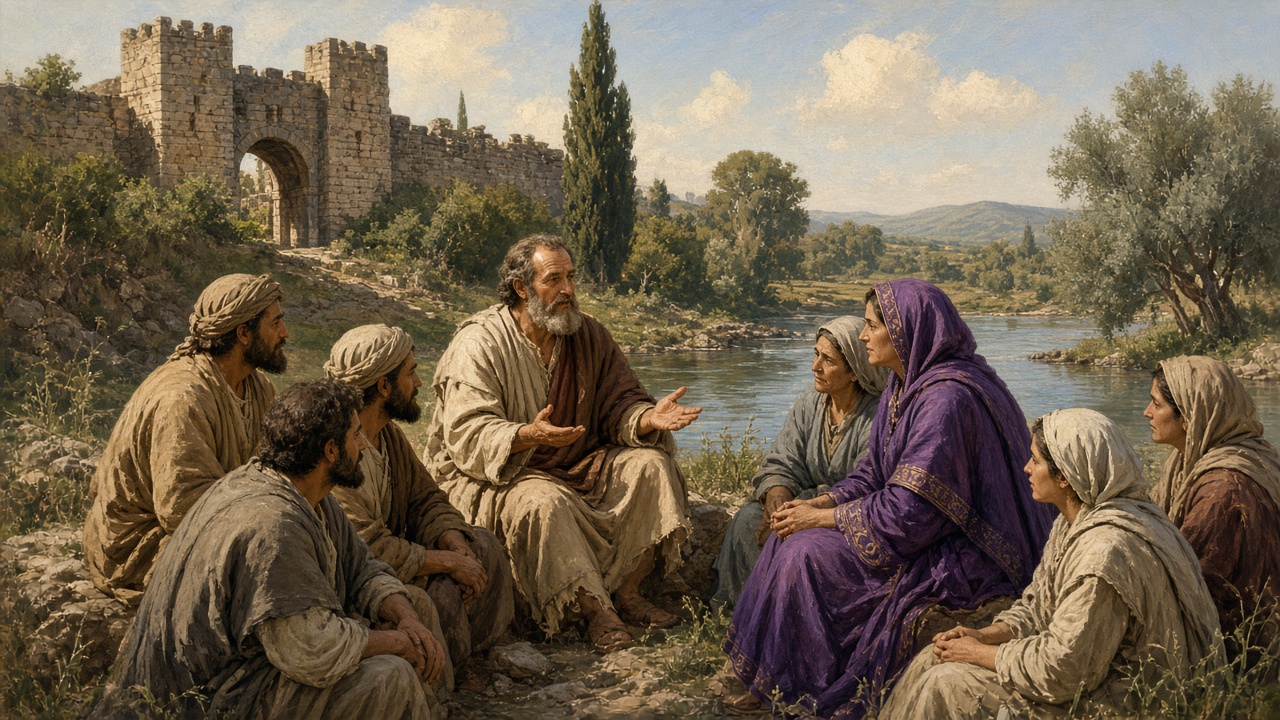
- Na colônia romana de Filipos, Paulo e seus companheiros encontraram, junto ao rio e fora da porta da cidade, um lugar onde era costume orar, e ali mulheres estavam reunidas. Entre elas estava Lídia, comerciante de tecidos de púrpura, de Tiatira, e adoradora de Deus; depois que ela e os de sua casa foram batizados, ela convenceu os viajantes a ficarem em sua casa. O dicionário bíblico de Easton (1897) a descreve como uma prosélita de riqueza considerável e como a primeira pessoa na Europa a abraçar o cristianismo.Fontes: o próprio texto bíblico · Lydia
Notas escritas com auxílio de IA a partir de fontes abertas (Theographic Bible Metadata, CC BY-SA 4.0; Easton’s Bible Dictionary, domínio público) e revisadas antes de publicar.
Lugares deste capítulo
- Lystra · Hoje: Tel Lystra · 37.602, 32.338 · versículos 1, 2
- Iconium · Hoje: Konya · 37.872, 32.492 · versículo 2
- Jerusalem · 31.777, 35.234 · versículo 4
- Asia · 38.400, 28.300 · versículo 6
- Galatia · 39.267, 32.983 · versículo 6
- Phrygia · 39.000, 31.000 · versículo 6
- Bithynia · 40.500, 31.000 · versículo 7
- Mysia · 40.000, 28.500 · versículos 7, 8
- Troas · Hoje: Alexandria Troas · 39.752, 26.159 · versículos 8, 11
- Greece · 37.972, 23.727 · versículo 9
- Macedonia · 41.600, 22.540 · versículos 9, 10, 12
- Neapolis · Hoje: Kavala · 40.935, 24.415 · versículo 11
- Samothrace · Hoje: Samothraki · 40.450, 25.583 · versículo 11
- Philippi · 41.012, 24.285 · versículo 12
- Thyatira · Hoje: Akhisar · 38.920, 27.837 · versículo 14
Só aparecem lugares com identificação de alta confiança (90% ou mais segundo as fontes acadêmicas reunidas pelo OpenBible). Mapa da época: DARE (Digital Atlas of the Roman Empire), CC BY 4.0; mapa atual: © colaboradores do OpenStreetMap; lugares: OpenBible.info (CC BY 4.0).
Créditos e licença desta tradução
Kitabu ka Kanu
Portions of the Holy Bible in the Baga Sitemu language of Guinea
Des portions de la Sainte Bible dans la langue Baga Sitemu de Guinée
copyright © 2015 Pioneer Bible Translators
Language: Baga Sitemu
Translation by: Traducteurs Pionniers de la Bible
Contributor: Pioneer Bible Translators
This translation is made available to you under the terms of the
Creative Commons Attribution Share-Alike license 4.0.
You have permission to share and redistribute this Bible translation in any format and to make reasonable revisions and adaptations of this translation, provided that:
You include the above copyright and source information.
If you make any changes to the text, you must indicate that you did so in a way that makes it clear that the original licensor is not necessarily endorsing your changes.
If you redistribute this text, you must distribute your contributions under the same license as the original.
Pictures included with Scriptures and other documents on this site are licensed just for use with those Scriptures and documents.
For other uses, please contact the respective copyright owners.
Note that in addition to the rules above, revising and adapting God's Word involves a great responsibility to be true to God's Word. See Revelation 22:18-19.
2025-04-29
Fonte: http://ebible.org/bsp/ · eBible.org