Lucas 7
Dios oca gotirituti · Toque num versículo para ver as referências cruzadas.
Surara ʉjʉre moabosarimasʉre Jesús ĩ catiore queti
1Gotimasiore queti ĩnare gotigajanocõari, Capernaum vãme cʉti macajʉ vasuju Jesús. 2Ti macajʉre ñañuju romano masʉ. Surara ʉjʉ ñañuju ĩ. Ĩre moabosarimasʉ, ĩ maigʉ̃, bʉto rijayuju. Bajirocacʉjʉ yiyuju ĩ. 3To bajiri ti macajʉ Jesús ĩ vadire ajicõari, “Ĩre catiogʉ vadiato Jesús” yigʉ, jud'io masa bʉcʉrãre ĩnare cõañuju ĩ, “Ĩre jiaya” yigʉ. 4To bajiri Jesús tʉjʉ ejacõari, ado bajiro ĩre yisẽniñujarã ĩna:
—Yʉa tʉagʉ, romano masʉ, surara ʉjʉ, ĩ queti cõarã bajiaja yʉa. “Vadiato Jesús. Yʉ maigʉ̃, yʉre moabosagʉ, bʉto rijaami. To bajiri rijacʉ yami. Ĩre catiogʉ vadiato” ĩ yijare, bajibʉ yʉa. 5Mani yarã, jud'io masare maiami. To bajiri ĩne Dios ocare yʉa buerotivire bʉaroticami. To yigʉ ĩ ñajare, ĩre sẽnibosarã bajibʉ yʉa. ¿Ĩre moabosagʉre catiogʉ varʉabeati mʉ? —Jesúre yisẽniñujarã ĩna.
6To bajiro ĩna yijare, ĩna rãca vacoasuju Jesús. Ĩ cõñatone, gãjerã ʉjʉ ĩ cõariarã ĩre bocayujarã ĩna. Ĩre bocacõari, ado bajise ĩre queti gotiyujarã ĩna:
—“Yʉ ʉjʉ, quẽnagʉ̃ ñaja mʉ”, mʉre yami romano masʉ. “Yʉma, rojose yʉ yisere tʉoĩabojonegʉ̃ ñari, yʉ ya vire ĩre sãjarotimasibecʉja yʉ. 7To bajiri, ĩre boca bojoneaja yʉ”, mʉre yami. No yigʉ sãjabecʉja mʉ. “Sãjabetiboarine, ĩ ñagõtʉoĩasene catiomasicõagʉ̃mi”, mʉre yami. 8“Gãjerã surara ʉjarã beroagʉ ñaja yʉ. To bajiri, yʉ quẽne, gãjerã surarare rotigʉ ñaja yʉ. Sĩgʉ̃re, ‘¡Vasa!’ yʉ yijama, vajami. Gãjire, ‘Vayá’ yʉ yijama, vadiami. To yicõari, yʉre moabosarimasʉre, ‘Tire yiya’ yʉ yijama, yirũgũami. To bajiri, ĩ roque rotigʉ masu ñari, adojʉ sãjadibetiboarine, ĩ ñagõtʉoĩasene caticoarʉcʉmi”, mʉre yami —Jesúre yiyujarã ĩna, romano masʉ ĩ gotirotirã.
9To bajiro ĩ yirere ajicõari, no yimasibesuju Jesús. To bajiri, jʉdarʉ̃gʉ̃cõari, jãjarã ĩre sʉyarãre ado bajiro ĩnare gotiyuju:
—Riojo mʉare gotiaja yʉ. Israel ñamasir'i jãnerabatia yʉ yarã ñaboarine, “Masigʉ̃, to yicõari, quẽnagʉ̃ ñari, yʉre yirẽmorʉcʉmi” romano masʉ yʉre ĩ yitʉoĩarore bajiro tʉoĩagʉ̃re ĩabetirũgũaja yʉ —ĩnare yigotiyuju Jesús.
10To bajiro ĩ yiro bero, romano masʉ ĩ gotirotiriarã, vijʉre sãjacõari, ĩna ĩajama, ĩre moabosagʉre catiquẽnagʉ̃ ñagʉ̃re ĩre ĩañujarã ĩna.
Bajirocar'ire Jesús ĩ catiore queti
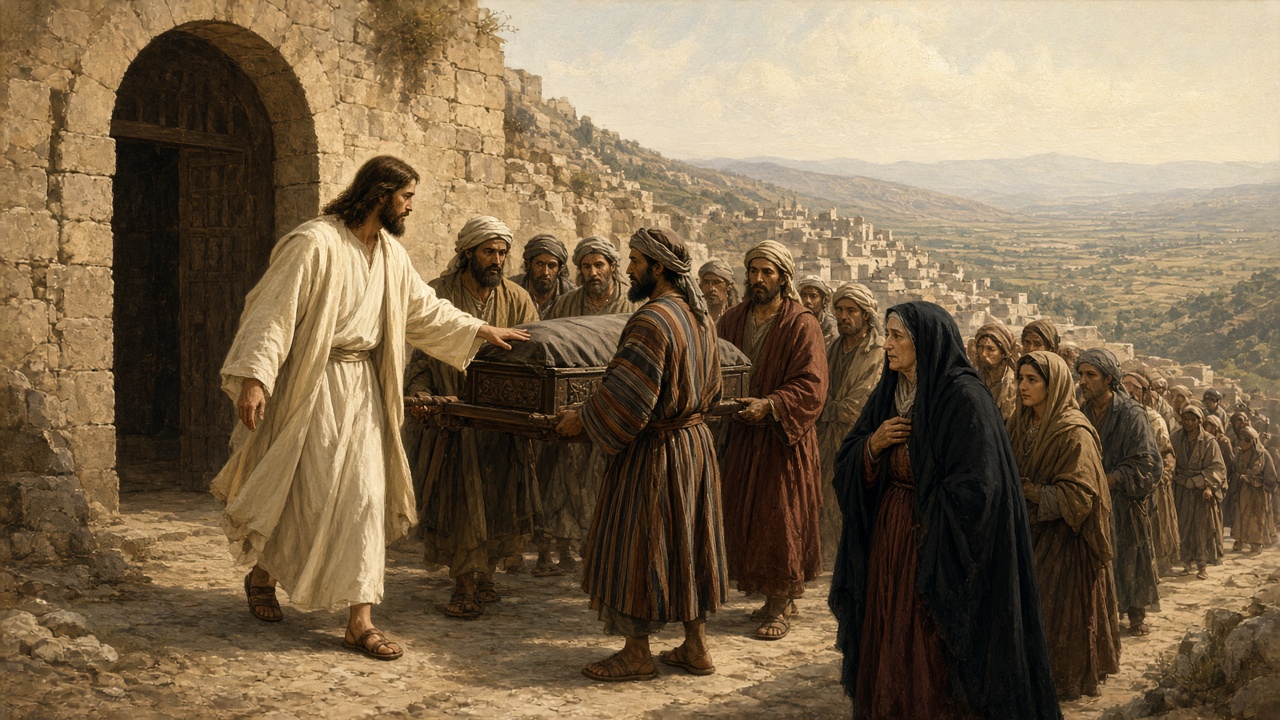
11To ĩ yiriaro bero, gaje macajʉ vasuju Jesús, Na'in vãme cʉti macajʉ. Ĩ buerã quẽne gãjerã quẽne, jãjarã masa ĩ rãca vasujarã ĩna. 12Ti macajʉ ĩna ejaro, bajirocar'i rujʉrire gajavayujarã ĩna, ĩre yujeroana. Jãjarã masa ĩna rãca vayujarã ĩna. Ĩ ñaboar'i jaco quẽne, vayuju. Manajʉ rijaveorio ñañuju so. Sĩgʉ̃ne macʉ cʉtirio ñari, bʉto otiyuju. So oti vadone sore bocayuju Jesús. 13Sore ĩamaicõari,
—To cõrone otitʉjaya mʉ —sore yiyuju ĩ.
14To yicõari, so macʉ rujʉri ĩna gajarijotire ĩ moaĩaejarʉ̃gʉ̃rone, tujarʉ̃gʉ̃cõañujarã ĩna. Ĩna tujarʉ̃gʉ̃rone,
—“Vʉ̃mʉrũjuña” mʉre yaja yʉ —ĩre yiyuju Jesús.
15To ĩ yirone, vʉ̃mʉrũjuri, ñagõñuju ĩ yuja, bajirocar'i. To ĩ bajiro ĩacõari, ĩ jacore tʉ̃aĩsiñuju Jesús. 16Ĩre ĩ catiosere ĩacõari, güiyujarã masa, ti ũnire ĩabetirũgũriarã ñari. To bajirã ñari,
—Diore gotirẽtobosarimasʉ ñamasugʉ̃ mani tʉjʉre ejaami yuja. Ĩ yarã mani ñajare, manire ĩamaicõari, Jesús sʉorine manire ejarẽmoami Dios —Diore yirʉ̃cʉbʉo variquẽnañujarã ĩna.
17To bajiro Jesús ĩ yisere ajijedicõañujarã ĩna, Judea sitana. Ti sita sojʉana quẽne, tire ajiyujarã ĩna.
Juan vãme cʉtigʉ, masare oco rãca bautizarimasʉ ĩ cõariarã, Jesúre ĩna sẽniĩare queti
18Jesús ĩ yiñasere masijeocõañuju, Juan, ĩ buerimasa ĩna gotise ti ñajare. 19Tire ĩre ĩna gotiro bero, jʉarã ĩ buerãre sẽniĩaroticõañuju Juan:
—Jesúre, “¿Mʉne ñati, ‘Rotimʉorʉ̃gõrʉcʉmi’ yigʉ, Dios ĩ cõar'i, ‘Yʉ bero ejarʉcʉmi’ Juan ĩ yigotimasiocacʉ? ¿Gãjire yuroti ñatique maji?”, Jesúre yisẽniĩaaya —ĩnare yicõañuju Juan.
20To bajiro ĩ yicõariarã, Jesús tʉ ejacõari, ado bajiro ĩre sẽniĩañujarã ĩna:
—Juan vãme cʉtigʉ, masare oco rãca bautizarimasʉ buerã ñaja yʉa. “Ĩre sẽniĩaaya” ĩ yicõajare vabʉ yʉa. ¿Mʉne ñati, “Rotimʉorʉ̃gõrʉcʉmi” yigʉ, Dios ĩ cõar'i, “Yʉ bero ejarʉcʉmi” Juan ĩ yigotimasiocacʉ? ¿Gãjire yuroti ñatique maji? —ĩre yisẽniĩañujarã ĩna.
21To bajiro ĩna yisẽniĩarã ejarone, jãjarã rijaye cʉtirãre catioĩoñuju Jesús. Masa ʉsʉrijʉ sãñarãre vãtiare quẽne bureaĩoñuju. To yicõari, caje ĩamenare quẽne ĩnare ĩarotiĩoñuju. 22To bajiri, Juan ĩ cõariarã ĩna sẽniĩasere ajicõari, ado bajiro ĩnare cʉdiyuju Jesús:
—Ado bajiro Juanre gotiba mʉa: “Jesús ĩ masise rãca ĩ yijare, ĩabetiboariarã quẽne ĩama. Rujasagueri vaboariarã quẽne, quẽnaro vama. Gase boariarãre quẽne, ĩna cãmi yatibʉ. Ajimena ñaboariarã quẽne, ajima. Bajireariarã quẽne, tudicatima. To yicõari, maioro bajirãre quẽne, Dios oca quẽnasere gotimasio ecoma ĩna”, yigotiba, Juan tʉjʉ ejacõari. 23To bajiri, “‘Quẽnase bʉjarʉarãma yʉre ajitirʉ̃nʉrã, “Socʉ me yami”, yʉre yitʉoĩarãma’ yimi”, ĩre yigotiaya —ĩnare yiyuju Jesús, Juan ĩ sẽniĩarotiriarãre.
24To bajiro ĩ yisere ajicõari, ĩna vase rãcane, Juan vãme cʉtigʉ, masare oco rãca bautizarimasʉ ĩ ñare quetire gotiyuju Jesús, jãjarã ĩre ajisʉyarãre:
—Yucʉ́ manojʉ vana, ¿ñimʉ ũgʉ̃re tʉoĩa vacati mʉa? ¿Masa ĩna bojasere bajiro yirʉa tʉoĩagʉ̃re ĩarã vacati mʉa? “To bajiro tʉoĩagʉ̃ me ñacami”, yimasiaja mʉa. 25¿Ñimʉ ũgʉ̃re tʉoĩarã vacati mʉa? ¿Quẽnase sudi sãñagʉ̃re tʉoĩa vacati? To bajiro me tʉoĩariarãja mʉa. “Quẽnase sudi sãñarãma, quẽnarivirijʉ, ʉjarã ya virijʉ ñarãma”, yimasiaja mani. 26¿Ñimʉ ũgʉ̃re tʉoĩa vacati mʉa? ¿Diore gotirẽtobosarimasʉre tʉoĩa vacatique mʉa? Riojo mʉare gotiaja yʉ. Gãjerã Diore gotirẽtobosarimasa rẽtoro ñagʉ̃re ĩariarãja mʉa. 27Juan ĩ bajirotire gotiro, ado bajise gotiaja Dios oca masa ĩna ucamasire:
“‘“Rotimʉorʉ̃gõrʉcʉmi” yigʉ, mʉre yʉ cõaroto rĩjoro, mʉre gotiyurocʉre cõasʉorʉcʉja yʉ maji’ yami Dios. ‘Ĩ ñarʉcʉmi ado bajise gotirocʉ: “Yoaro mene ejarʉcʉmi, ‘Rotimʉorʉ̃gõrʉcʉmi’ yigʉ, Dios ĩ cõarocʉ. To bajiri rojose Dios ĩ bojabetire yitʉjacõari, ĩ bojasejʉare yi yuya mʉa” yigotirocʉ ñarʉcʉmi’ yami Dios”, yigotiaja Dios oca masa ĩna ucamasire.
28Diore gotirẽtobosarimasa ĩna gotimasire rẽtoro ñamasuse ñaja, Juan, Diore ĩ gotirẽtobosasejʉa. To bajiro ti bajiboajaquẽne, Juan ĩ gotise rẽtoro ñamasuse ñaja yʉ gotiroticõarã ĩna gotise. “Ʉjʉ Dios yarã quẽnaro ĩ yirona mʉa ñarʉajama, Jesúre ajitirʉ̃nʉña” ĩna yigotisere yaja yʉ. Ñamasurã ñaama, “Ñamasurã me ñaama Jesús ĩ gotiroticõarã” mʉa yiĩaboajaquẽne —ĩ rãca ñarãre ĩnare yiyuju Jesús.
29Juan ĩ gotimasiorere ajitirʉ̃nʉñujarã ĩna, ʉjʉre gãjoa sẽnibosarimasa. Gãjerã quẽne, jãjarã ĩre ajitirʉ̃nʉñujarã ĩna. “Mʉ gotirore bajirone bajiaja. Rojose yirã ñaja yʉa” yitʉoĩacõari, Juanre bautizarotiyujarã ĩna, Diore rʉ̃cʉbʉorã. 30Ĩna bautizarotiboajaquẽne, fariseo masa, Dios ĩ rotimasire gotimasiorimasa quẽne, Juan ĩ gotisere ajicõari, “Bajibeaja ti”, yitʉoĩañujarã ĩnajʉama. Dios ĩ bojasere yirʉabesujarã. To bajiri Juanre bautizarotibesujarã ĩnama.
31Quẽna ado bajiro ĩnare gotiyuju Jesús:
—Ado bajiro yirãre bajiro yirã ñarãja mʉa, adirodoriana: 32Daquerã, gãjerã rãca ajerʉamenare bajiro yirã ñarãja. Ĩna ajeritũcurojʉ rujicõari, gãjerãjʉare, ado bajiro ĩnare gotirujirãma: “‘Basavariquẽnato mani’ yirã, mʉare jutibosaboabʉ yʉa. To bajiro yʉa yiboajaquẽne, basabejʉ mʉa. To bajiri, ‘Rijariarãre bʉcʉrã ĩna oticatore bajiro sʉtiriose boca otirʉarãja mʉa, yʉa basañarone’ yiboabʉ yʉa. To yʉa yiboajaquẽne, otibejʉ mʉa”, ĩnare yigotirãma, ĩna rãca ajerʉamenare. 33Ĩna rãca ajerʉamenare bajiro yirã ñarãja mʉa, adirodoriana. Juan, quẽnase bare babeti, quẽnase idire idibeti bajiñañuju ĩ. To bajiro bajigʉ ĩ ñajare, “Vãti sãñagʉ̃ ñagʉ̃mi”, ĩre yitʉoĩacajʉ mʉa, ĩre ajiterã ñari. 34Ĩ bero gotimasiosʉocajʉ yʉ, Dios ĩ roticõacacʉ. Yʉjʉama, quẽnase bare ba, quẽnase idire idi bajiñaja yʉ. To bajiro yigʉ yʉ ñajare, “Jairo bagʉ ñaami. Idimecʉgʉ̃ ñaami. Ʉjʉre gãjoa sẽnibosarimasa, gãjerã rojose yirãre quẽne ĩnare baba cʉtiami”, yʉre yiĩajũnisiniaja mʉa, yʉre quẽne ajiterã ñari. 35To bajiro Juanre quẽne, yʉre quẽne mʉa yise ti ñaboajaquẽne, Dios ĩ masise rãca yʉa yise ti ñajare, berojʉ, “Quẽnaro yirã yiboayuma”, yʉare yimasirʉarãja mʉa —ĩ rãca ñarãre yiyuju Jesús.
Fariseo masʉ ya vijʉ Jesús ĩ ñare queti
36Sĩgʉ̃ fariseo masʉ ñañuju ĩ, Simón vãme cʉtigʉ. “Bare bagʉ vaja”, Jesúre yiyuju ĩ. To bajiro ĩ yijare, ĩ tʉjʉ vasuju Jesús. Sãjaejacõari, barujiyuju ĩ. 37Ti macajʉ rõmio ñañuju rojose yigo. To bajiri, Simón ya vijʉ bare bagʉ Jesús ĩ ejasere ajicõari, gʉ̃ta sotʉ alabastro vãme cʉti rãca veariarʉ ãmiejayuju so. Sʉtiquẽnase sãñaritʉ ñañuju tirʉ. 38Jesús gʉbori veca ejarʉ̃gʉ̃cõari, otiyuju so. So otirone, so caje oco reajeoyuju ti, ĩ gʉborire. To yicõari, so joa ñajone tire vejacaroyuju. Tire vejacarocõari, ĩ gʉborire usuyuju. To yicõari, sʉtiquẽnase so juadirere Jesús gʉbori joere yuejeoyuju. Ĩre rʉ̃cʉbʉogo yiyuju, to bajiro so yijama. 39To bajiro so yiro ĩacõari, ado bajiro tʉoĩañuju Simón, Jesúre, “Bare bagʉaba” ĩre yir'ijʉa: “Diore gotirẽtobosagʉ masu ĩ ñajama, iso rõmiore, ‘Rojose yigo ñaamo’ yiĩamasicõari, sore moaĩarotibetibogʉmi”, yitʉoĩañuju ĩ. 40To bajiro Simón ĩ tʉoĩasere masicõari, ado bajiro yiyuju Jesús:
—Gotimasiore queti mʉre gotigʉagʉ yaja yʉ.
To ĩ yirone,
—Yʉre gotiya —Jesúre ĩre yicʉdiyuju ĩ.
41To bajiro ĩ yicʉdirone, ado bajiro ĩre gotiyuju Jesús:
—Ʉ̃mʉa jʉarã ñarãma ĩna, gãjijʉare gãjoa vasoariarã. Sĩgʉ̃, jʉa cʉ̃ma moaroto cõro vaja mogʉ̃mi ĩ. Gãjijʉama, jʉarã muijua moaroto cõro vaja mogʉ̃mi. 42Gãjoa tʉorʉaboarãma ĩna, bajirãjʉma. To bajiri ĩna gãjoa mano ĩacõari, “Tone bajicõato. Yʉre mʉa vaja mosere mʉare masiriocõaja yʉ”, ĩnare yigʉmi, ĩnare maigʉ̃ ñari. To bajiri, ado bajiro mʉre sẽniĩaja yʉ: Gãjoa vasoariarãre ĩnare ĩ masiriore ñajare, ¿nijʉa bʉto ĩre maigʉ̃jari? —ĩre yisẽniĩañuju Jesús.
43To bajiro ĩre ĩ yisẽniĩarone,
—Yʉ tʉoĩajama, jairo ĩre vaja mor'ijʉa, bʉto ĩre maigʉ̃mi —ĩre yicʉdiyuju Simón.
To ĩ yirone,
—Riojo yaja mʉ —ĩre yiyuju Jesús.
44To yigoticõari, rõmiojʉare sore ĩagʉ̃ne ado bajiro Simónre yiyuju Jesús:
—¿Adiore ĩati mʉ? Yʉre jiboarine, mʉ ya vi yʉ ejaro, yʉ gʉborire yʉ coerotire oco yʉre ĩsibejʉ mʉ. To bajiboarine adioma so caje oco rãca yʉ gʉborire coemo soma. To yicõari, so joa ñajone yʉ gʉborire vejacoecaromo so. 45Yʉre sẽnigʉ̃ne, ejarãre mani yarã ĩna yirũgũrore bajiro yʉre usubejʉ mʉ. To bajiro mʉ bajiboajaquẽne, sãjaejagone yʉ gʉborire so usurojʉne usutʉjabeticõa ñaamo adioma, yʉre rʉ̃cʉbʉogo. Mʉma, yʉ rʉjoa joere ʉye sʉtiquẽnase yʉre yuejeobejʉ mʉ. Yʉre rʉ̃cʉbʉobecʉ ñari, bajibʉ mʉ. To mʉ bajiboajaquẽne, sojʉama, ʉye sʉtiquẽnase jairo vaja cʉtisere yʉ gʉbori joere yuejeoamo so. 47To bajiri quẽnaro ajiya mʉ. Bʉto yʉre so maisere yiĩomo so. Tire ĩacõari, ado bajiro sore yimasiaja mani: “‘Rojose yijaigo yʉ ñaboajaquẽne, rojose yʉ yisere yʉre masiriogʉmi Dios’ yitʉoĩagõ ñaamo”, yimasiaja mani. To bajiboarine, “Diore maibetibʉsaja” yigʉre ĩacõari, ado bajisejʉa yimasiaja mani: “‘Bʉto rojose yibecʉ yʉ ñajare, Dios mojoroaca yʉre ĩ masiriojare, ĩre maibetibʉsacõaja’ yitʉoĩagʉ̃ ñaami”, ĩre yimasiaja mani —Simónre yiyuju Jesús.
48To yicõari, rõmiore ado bajiro sore yiyuju Jesús:
—Rojose mʉ yirũgũrere mʉre masiriocõamʉ yʉ —sore yiyuju Jesús.
49To bajiro ĩ yirone,
—¿No yigʉ to bajise yati ĩ? To bajiro ĩ ñagõjama, Diore rʉ̃cʉbʉobecʉ yami. Dios sĩgʉ̃ne ñagʉ̃mi ti ũnire yimasigʉ̃ma —yitʉoĩañujarã ĩna, gãjerã “Baroaya” yigʉ, Simón ĩ jiriarãjʉa.
50To bajiro ĩna yitʉoĩajare, ado bajiro sore yiyuju Jesús:
—“Rojose yʉ yirũgũsere yʉre masiriocõañumi Dios” mʉ yitʉoĩase ñajare, rojose tãmʉotʉjabetiriarojʉ mʉ vaborotire mʉre yirẽtobosabʉ yʉ. To bajiri, “Dios ĩ ĩajama, quẽnagõ ñaja yʉ”, yitʉoĩa variquẽna vasa mʉ —sore yiyuju Jesús.
Você sabia?
Fé, compaixão e a pergunta de um profeta
- O Easton's Bible Dictionary (1897) descreve Cafarnaum como uma cidade da Galileia que não é mencionada no Antigo Testamento e que se tornou a cidade que Jesus tratava como sua depois de ser expulso de Nazaré, cenário de muitos episódios da sua vida. Neste capítulo, ele chega ali e encontra o servo muito estimado de um centurião à beira da morte; anciãos judeus rogam, dizendo que o oficial ama a nação deles e construiu a sinagoga deles.Fontes: Capernaum · o próprio texto bíblico
- O Easton's Bible Dictionary (1897) liga o nome Naim a uma palavra hebraica que significa pastos verdes ou amável, e identifica a cidade com a aldeia de Nein, na encosta noroeste do Jebel ed-Duhy, também chamado monte Moré ou Pequeno Hermom, a cerca de quatro milhas de Tabor e vinte e cinco milhas a sudoeste de Cafarnaum, acima da planície de Esdrelão. À porta da cidade, Jesus encontrou o funeral do filho único de uma viúva, e o espanto se espalhou pela multidão.Fontes: Nain · o próprio texto bíblico
- João Batista é apresentado como o precursor do Senhor e como homem de linhagem sacerdotal: seu pai, Zacarias, era sacerdote da turma de Abias, e sua mãe, Isabel, era uma das filhas de Arão. A missão dele é descrita como objeto de profecia, e neste capítulo Jesus diz às multidões que João é mais do que um profeta, o mensageiro enviado adiante para preparar o caminho, enquanto os discípulos de João perguntam se Jesus é aquele que havia de vir.Fontes: John the Baptist · o próprio texto bíblico
Notas escritas com auxílio de IA a partir de fontes abertas (Theographic Bible Metadata, CC BY-SA 4.0; Easton’s Bible Dictionary, domínio público) e revisadas antes de publicar.
Lugares deste capítulo
- Nain · Hoje: Nein · 32.631, 35.350 · versículo 11
- Judea · Hoje: Judea 1 · 31.777, 35.234 · versículo 17
Só aparecem lugares com identificação de alta confiança (90% ou mais segundo as fontes acadêmicas reunidas pelo OpenBible). Mapa da época: DARE (Digital Atlas of the Roman Empire), CC BY 4.0; mapa atual: © colaboradores do OpenStreetMap; lugares: OpenBible.info (CC BY 4.0).
Créditos e licença desta tradução
Dios oca gotirituti
New Testament in Barasana-Eduria (CO:bsn:Barasana-Eduria)
copyright © 2010 Wycliffe Bible Translators, Inc.
Language: Barasana-Eduria
Translation by: Wycliffe Bible Translators, Inc.
Copyright Information
© 2010, Wycliffe Bible Translators, Inc. All rights reserved.
This translation text is made available to you under the
terms of the Creative Commons License: Attribution-Noncommercial-No Derivative Works.
( http://creativecommons.org/licenses/by-nc-nd/3.0/ )
In addition, you have permission to port the text to different file formats, as long as you
do not change any of the text or punctuation of the Bible.
You may share, copy, distribute, transmit, and extract portions
or quotations from this work, provided that you include the above copyright
information:
You must give Attribution to the work.
You do not sell this work for a profit.
You do not make any derivative works that change any of the actual words or punctuation of the Scriptures.
Permissions beyond the scope of this license may be
available if you contact
us with your request.
The New Testament
in Barasana-Eduria
© 2010, Wycliffe Bible Translators, Inc. All rights reserved.
This translation is made available to you under the terms of the
Creative Commons Attribution-Noncommercial-No Derivatives license 4.0.
You may share and redistribute this Bible translation or extracts from it in any format, provided that:
You include the above copyright and source information.
You do not sell this work for a profit.
You do not change any of the words or punctuation of the Scriptures.
Pictures included with Scriptures and other documents on this site are licensed just for use with those Scriptures and documents.
For other uses, please contact the respective copyright owners.
2014-04-22
Fonte: http://ebible.org/bsnNT/ · eBible.org