Atos 8
Dios oca gotirituti · Toque num versículo para ver as referências cruzadas.
Saulo, Jesúre ajitirʉ̃nʉrãre rojose ĩ yirũgũre queti
1Estebanre gʉ̃tane ĩre reasĩariarã rãcagʉ, ĩna sudire coderine ñañuju Saulo. “Estebanre ĩre sĩacõato”, yitʉoĩañuju ĩ quẽne. Esteban ĩ sĩaecoro bero, ĩ rujʉrire ĩacõari, sĩgʉ̃ri jud'io masa Diore quẽnaro rʉ̃cʉbʉorã ĩre yujeyujarã ĩna. To yirãne, bʉto otiyujarã Estebanre. Tirʉ̃mʉrine Jesúre ajitirʉ̃nʉrãre Jerusalénjʉ ñarãre rojose yisʉoyujarã ti macana. To bajiri Saulo quẽne, Jesúre ajitirʉ̃nʉrãre cojovi rʉyabeto ĩnare macañuju ĩ. Ĩnare bʉjagʉne, ʉ̃mʉare quẽne rõmiare quẽne ĩnare juacõari tubibecũrũgũñuju ĩ. To bajiri ĩna jedirone Jesúre ajitirʉ̃nʉrã, ĩ gotiroticõasʉoriarã rãca ñariarã rudiasujarã Judea sitajʉ, to yicõari, Samaria sitajʉre quẽne. Jesús ĩ gotiroticõasʉoriarãma Jerusalénre vaveobesujarã ĩna.
Jesucristo yere Samaria sitajʉ Felipe ĩ gotimasiore queti
4Jerusalén macana rudiriarã no ĩna vacudiro cõrone Jesús yere gotimasiocudiyujarã ĩna. 5Felipe, Jerusalénjʉ ñar'i, Samaria sita ñarimacajʉre vasuju. Tojʉ ejacõari, “Rotimʉorʉ̃gõrʉcʉmi” yigʉ Dios ĩ cõar'i Jesús yere ĩnare gotimasioñuju Felipe. 6Jãjarã masa rẽjañujarã, ĩ gotisere ajirʉarã ñari. To bajicõari, ĩaĩañamanire ĩ yiĩosere ĩañujarã ĩna. To bajicõari ĩ gotimasiosere quẽnaro ajiyujarã ĩna. 7To ĩna bajirone jãjarã masa ʉsʉrijʉre sãñarãre vãtiare bureayuju Felipe. Ĩnare ĩ bureajare, bʉto avasãbudivasujarã ĩna vãtia. Jãjarã rijarãre quẽne catioyuju ĩ. Micarãre, rujasagueri vanare quẽne quẽnoejarotiyuju ĩ. 8To bajiri ti macana bʉto variquẽnañujarã ĩna.
9Ti macajʉre Simón vãme cʉtigʉ ñañuju. Cojo cʉ̃ma me ĩ masisere yiĩoñuju ĩ. “Gãjerã rẽtoro masigʉ̃ ñaja yʉ” yigʉ, ĩaĩañamani yiĩorũgũñuju ĩ. To bajiro yigʉ ñari, “Yʉ ñaja ñamasugʉ̃ma”, yiyuju ĩ, masare. To ĩ yise ñajare, sĩgʉ̃ rʉyariaro mano ĩre ajiyujarã. Bʉcʉarã quẽne, rĩamasa quẽne jediro quẽnaro ĩre ajiyujarã ĩna. “Diore bajiro masiami”, ĩre yirʉ̃cʉbʉorũgũñujarã ĩna. 12To yiriarã ñaboarine, Jesucristo ĩ rijabosare sʉorine ĩre ajitirʉ̃nʉrãre, “Yʉ yarã ñaja” Dios ĩ yiĩavariquẽnasere gotiyuju Felipe. Tire ajicõari, Jesúre ĩre ajitirʉ̃nʉñujarã ʉ̃mʉa, rõmia quẽne. To yicõari, oco rãca Felipere ĩre bautizarotiyujarã, “Jesúre ajitirʉ̃nʉaja” yirã. 13Simón quẽne, Jesús yere ajitirʉ̃nʉñuju ĩ. To yicõari, oco rãca bautizarotiyuju ĩ quẽne. To ĩ yiro bero, Felipere baba cʉtisʉoyuju. To yicõari ĩaĩañamanire Dios ĩ masise rãca Felipe yiĩosere ĩacõari, no yimasibesuju Simón, ti ũnire ĩabetirũgũr'i ñari.
14Jesús gotiroticõasʉoriarã Jerusalénjʉ ñarã, “Samaria sitana jãjarã Dios ocare ajitirʉ̃nʉñujarã” yire quetire ajiyujarã ĩna. To bajiri, Samariajʉre cõañujarã ĩna, Pedrore, to yicõari, Juanre quẽne. 15To bajiri, Samaria sitajʉre ejacõari, Diore ĩnare sẽnibosayujarã ĩna, toana Jesúre ajitirʉ̃nʉsʉorãre. Oco rãca bautizarotiriarã ĩna ñaboajaquẽne, Dios ĩ cõagʉ̃ Esp'iritu Santo ĩnare ejabesuju maji. To bajiri, “Esp'iritu Santo ĩnare ejato” yirã, Diore sẽniñujarã ĩna. 17To yicõari, Pedro, Juan rãca, Diore sẽnicõari Jesúre ajitirʉ̃nʉsʉorãre ĩna ãmori rãca ĩnare ñujeoyujarã ĩna. To cõrojʉ Esp'iritu Santo ejayuju, ĩnare.
18Ĩna ãmori rãca ĩna ñujeorore Esp'iritu Santo ĩ ejasere ĩañuju Simón. Tire ĩacõari ĩnare gãjoa ĩsirʉ, ado bajiro yiyuju Simón:
—Gãjerãre yʉ ãmo ñujeorone Esp'iritu Santo ĩ ejarotire bojaja yʉ quẽne —ĩnare yiyuju Simón.
20To bajiro ĩ yisere ajicõari, ado bajiro ĩre cʉdiyuju Pedro:
—Vaja mani Dios ĩ cõasere, “Vaja yire ñaroja ti”, yitʉoĩaboaja mʉ. To bajiro yitʉoĩagʉ̃ ñari, mʉ gãjoa rãcane bajirocacoarʉcʉja mʉ. 21Rojose mʉ tʉoĩasere masiami Dios. To bajiri, Esp'iritu Santore mʉre cõabetirʉcʉmi Dios. 22Mʉ tʉoĩasere ĩamasicõaja yʉ. Rojose rĩne tʉoĩagʉ̃ ñaja mʉ. To bajiri, rojose mʉ tʉoĩasere yitʉjaya. To yicõari, Diore sẽniña mʉ, “Rojose yʉ yisere masirioya” yigʉ —yiyuju Pedro.
24To bajiro ĩ yisere ajicõari, ado bajiro ĩre cʉdiyuju Simón:
—Diore sẽnibosaya mʉa, yʉre. Mʉa gotisere bajiro yʉre ti bajirotire bojabeaja yʉ —yiyuju Simón.
25To ĩ yiro bero, Jesús ĩ yirere ĩna ĩarere, to yicõari, ĩ gotimasiorere ti macanare gotiyujarã. Ĩnare gotimasio gajanocõari, Jerusalénjʉ tudianane Samaria sita ñarimacarianare Jesús ye quẽnasere ĩnare gotimasioñujarã ĩna.
Etiop'ia sitagʉre Felipe, oco rãca ĩ bautizare queti
26To ĩna bajiñarone, Felipere ado bajiro ĩre yiyuju ángel:
—Jerusalénjʉ vasa. To ejacõari, Gaza vãme cʉti maca vati maare vaja mʉ. Yucʉ́ manojʉ ñavati maa ñaja ti maama —yiyuju ángel, Felipere.
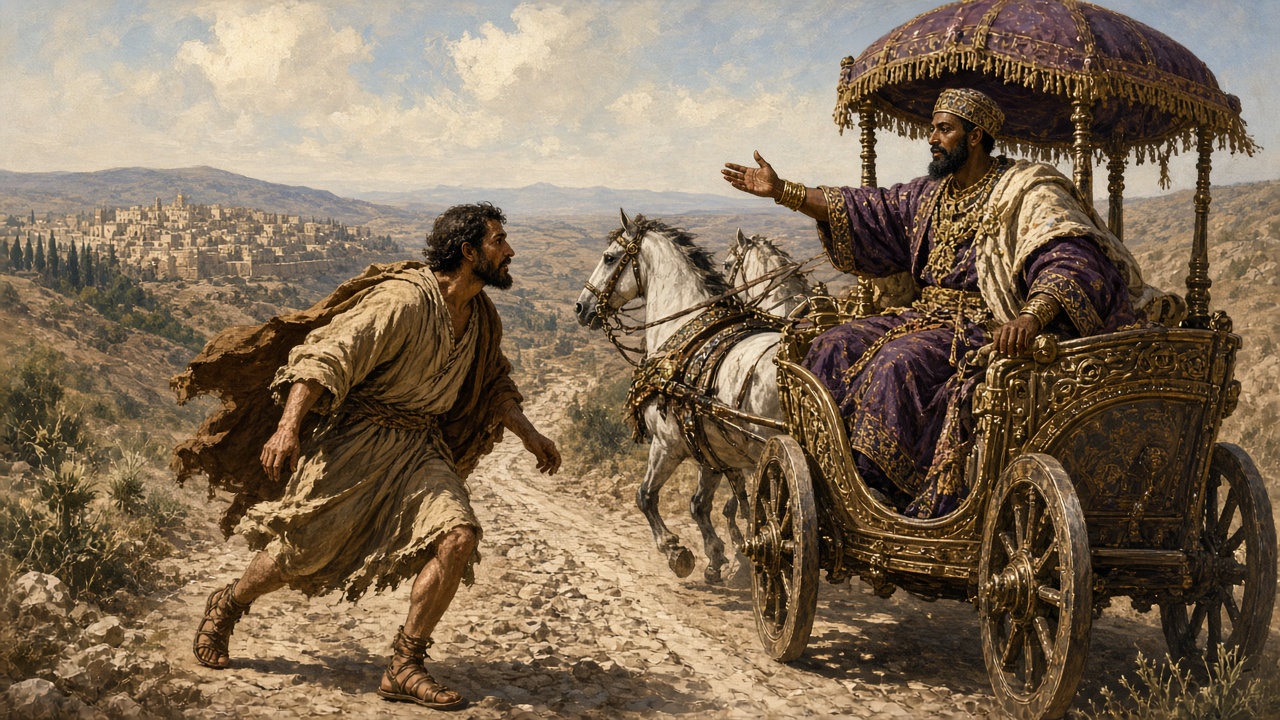
27To bajiri Felipe vacoasuju, ángel ĩ gotiriarore bajirone. Maa vacʉ, Etiop'ia sitana ʉjore gãjoa codebosarimasʉre ĩre ĩañuju Felipe. Jerusalénjʉ Diore ĩre rʉ̃cʉbʉogʉ ejar'i, tudiacʉ bajiyuju ĩ. 28Caballo ĩ tʉ̃a vaticorojʉ sãñacõari, Diore gotirẽtobosamasir'i, Isa'ias ĩ ucamasirere buesãñañuju ĩ.
29To bajiri, ado bajiro yiyuju Esp'iritu Santo, Felipere:
—Ĩ tʉbʉsa vacõari, ĩre baba cʉti vasa mʉ —yiyuju, Felipere.
30To bajiri ĩ tʉ vaejacõari, ajiyuju, Diore gotirẽtobosamasir'i Isa'ias ĩ ucamasirere ĩ buesere ajiyuju Felipe. Tire ajicõari,
—¿Mʉ buesere ajimasiati mʉ? —yiyuju Felipe, Etiop'iagʉre.
31To ĩ yirone:
—“To bajiro yirʉaro yaja”, yiajimasibeaja yʉ, ñimʉ yʉre ĩ gotiro cõro —yiyuju ĩ, Felipere. To yigʉne, —Yʉ tʉ vasãjagʉaya —yiyuju Etiop'iagʉ.
32Dios ocare Isa'ias ñamasir'i ĩ ucamasirere ĩ buere ado bajiro yiyuju ti:
“Ovejare sĩaroana ĩre ñiacõari ĩna jiatore bajiro ĩre yirʉarãma ĩna. To bajiri, ovejare ĩna joa suaro ĩ avasãbetore bajiro yigʉ, rojose ĩre ĩna yiboajaquẽne, ñagõbetirʉcʉ̃mi.
33Masa ĩna ĩaro rĩjoro bojoneose yiecorʉcʉmi. Rojose ĩ yibetiboajaquẽne, ‘Rojose yigʉ me ñaami’ ĩre yibosagʉ manirʉcʉmi. To bajiri, ĩ sĩaecoro bero, ‘Ĩ jãnerabatia ñaama’ yimasiña manirʉaroja”, yiucamasire ñañuju, Etiop'iagʉ ĩ buere.
34To bajiri,
—Yʉre gotiya mʉ. Ñimʉre yiro yati, to bajiro ti yijama. ¿Ĩ masune ĩ bajirotire tʉoĩacõari yiyujari? ¿Gãji ĩ bajirotire yigʉ, ucamasiñujarique ĩ? —yiyuju Etiop'iagʉ, Felipere.
35To ĩ yijare, Isa'ias ĩ ucamasirere ĩre ĩagotigʉne, ado bajiro ĩre gotiyuju Felipe:
—Isa'ias ñamasir'i to bajiro ĩ ucajama, Jesús ĩ bajirotirene yigʉ yimasiñumi —ĩre yigotiyuju Felipe. To yicõari, Jesús ĩ bajiñarere ĩre gotimasioñuju yuja.
36To yi vana rĩne, maa tʉ ʉtabʉcʉra ejayujarã ĩna. To eja,
—Ĩaña, ado ñaja oco. ¿Yucʉne, oco rãca yʉre bautizarʉabeati mʉ? —yiyuju Etiop'iagʉ, Felipere.
37To ĩ yirone, ado bajiro ĩre yiyuju Felipe:
—“‘Jesúne ñaami Dios macʉ, rotimʉorʉ̃gõrocʉ’ yigʉ ĩ cõar'i” mʉ yijama, oco rãca mʉre bautizarʉcʉja yʉ —ĩre yiyuju Felipe.
To ĩ yirone, ado bajiro ĩre cʉdiyuju Etiop'iagʉ:
—To bajirone bojaja. Jesúne ñaami Dios macʉ, rotimʉorʉ̃gõrocʉ yigʉ ĩ cõar'i, yaja yʉ —yiyuju Etiop'iagʉ.
38To yi, ʉtabʉcʉra tʉjʉ tujayujarã. To bajicõari, ũmato rojasuju, oco rãca Etiop'iagʉre ĩre bautizagʉacʉ. 39Ĩre bautiza gajano, ĩna majarʉ̃gʉ̃rone, ñaro tʉsarone ruyubetiboarine Esp'iritu Santo ĩre ãmicoasuju, Felipere. To bajiri ĩre ĩabeticõa tʉjasuju Etiop'iagʉ. To bajiboajaquẽne, quẽnaro variquẽna vasuju ĩ Etiop'iagʉ. 40Felipejʉama, “To bajiro bajiriaja” yiri mene, Azoto vãme cʉti macajʉ ejayuju. Tojʉ ñacõari, cojo maca rʉyabeto Jesús ĩ bajirere masare gotimasiocudiyuju ĩ. Goticudigʉ rĩne, Cesarea vãme ti macajʉre ejacoasuju ĩ Felipe.
Você sabia?
A mensagem se espalha além de Jerusalém
- Após a morte de Estêvão, irrompeu uma grande perseguição contra a igreja em Jerusalém, e todos, exceto os apóstolos, foram dispersos pela Judeia e por Samaria. Filipe, um dos sete e mais tarde chamado o evangelista, estava entre eles; foi primeiro a Samaria, onde as multidões deram atenção à sua mensagem sobre o Cristo.Fontes: o próprio texto bíblico · Phillip the Evangelist
- Antes da chegada de Filipe, Simão já havia muito tempo assombrado Samaria com feitiçaria, e o povo o chamava de o poder divino conhecido como o Grande Poder. Ele creu e foi batizado, e depois ofereceu dinheiro pelo poder de conceder o Espírito Santo pela imposição das mãos; a palavra simonia, que designa a compra de um cargo espiritual, deriva do seu nome.Fontes: o próprio texto bíblico · Simon the Sorcerer
- Duas estradas ligavam Jerusalém a Gaza; Filipe foi enviado pela que passava por Hebrom e por uma região pouco habitada, chamada deserto. Ali encontrou um eunuco etíope, tesoureiro de Candace, rainha dos etíopes, que voltava de adorar em Jerusalém e lia o profeta Isaías em sua carruagem. Candace era um título usado por rainhas sucessivas de Meroé, na Alta Núbia, rico centro de comércio entre a África e o sul da Ásia.Fontes: o próprio texto bíblico · Phillip the Evangelist · Candace
Notas escritas com auxílio de IA a partir de fontes abertas (Theographic Bible Metadata, CC BY-SA 4.0; Easton’s Bible Dictionary, domínio público) e revisadas antes de publicar.
Lugares deste capítulo
- Jerusalem · 31.777, 35.234 · versículos 1, 14, 25, 26, 27
- Judea · Hoje: Judea 1 · 31.777, 35.234 · versículo 1
- Samaria · Hoje: Samaria 2 · 32.276, 35.195 · versículos 1, 5, 9, 14, 25
- Gaza · Hoje: Tell Harube · 31.504, 34.464 · versículo 26
- Ethiopia · 16.935, 33.751 · versículo 27
- Ashdod · Hoje: Tel Ashdod · 31.757, 34.658 · versículo 40
- Caesarea · Hoje: Caesarea Maritima · 32.500, 34.892 · versículo 40
Só aparecem lugares com identificação de alta confiança (90% ou mais segundo as fontes acadêmicas reunidas pelo OpenBible). Mapa da época: DARE (Digital Atlas of the Roman Empire), CC BY 4.0; mapa atual: © colaboradores do OpenStreetMap; lugares: OpenBible.info (CC BY 4.0).
Créditos e licença desta tradução
Dios oca gotirituti
New Testament in Barasana-Eduria (CO:bsn:Barasana-Eduria)
copyright © 2010 Wycliffe Bible Translators, Inc.
Language: Barasana-Eduria
Translation by: Wycliffe Bible Translators, Inc.
Copyright Information
© 2010, Wycliffe Bible Translators, Inc. All rights reserved.
This translation text is made available to you under the
terms of the Creative Commons License: Attribution-Noncommercial-No Derivative Works.
( http://creativecommons.org/licenses/by-nc-nd/3.0/ )
In addition, you have permission to port the text to different file formats, as long as you
do not change any of the text or punctuation of the Bible.
You may share, copy, distribute, transmit, and extract portions
or quotations from this work, provided that you include the above copyright
information:
You must give Attribution to the work.
You do not sell this work for a profit.
You do not make any derivative works that change any of the actual words or punctuation of the Scriptures.
Permissions beyond the scope of this license may be
available if you contact
us with your request.
The New Testament
in Barasana-Eduria
© 2010, Wycliffe Bible Translators, Inc. All rights reserved.
This translation is made available to you under the terms of the
Creative Commons Attribution-Noncommercial-No Derivatives license 4.0.
You may share and redistribute this Bible translation or extracts from it in any format, provided that:
You include the above copyright and source information.
You do not sell this work for a profit.
You do not change any of the words or punctuation of the Scriptures.
Pictures included with Scriptures and other documents on this site are licensed just for use with those Scriptures and documents.
For other uses, please contact the respective copyright owners.
2014-04-22
Fonte: http://ebible.org/bsnNT/ · eBible.org