Atos 12
Dios oca gotirituti · Toque num versículo para ver as referências cruzadas.
Santiago ĩ sĩaecore, to yicõari tubiberiavire Pedro ĩ budire
1Tirʉ̃mʉrirene, Ʉjʉ Herodes, Jesúre ajitirʉ̃nʉrãre sĩgʉ̃rire rojose ĩnare yisʉoyuju ĩ. 2To yicõari, “Juan bedire Santiagore ĩ rʉjoare jataya mʉa”, ĩnare yiyuju ĩ. 3To bajiro ĩre ĩ yirotisere ajicõari, bʉto variquẽnañujarã jud'io masa ĩ yarã sĩgʉ̃ri. Ĩna variquẽnaro ĩacõari, Pedrore quẽne ñiaroticõari, tubiberotiyuju ĩ. To bajiro ti bajijama, pan vʉoyamanire ĩna bariarʉ̃mʉrire bajiyuju. Ĩre tubiberotigʉ, “Rudiromi” yigʉ, ado bajiro quẽnaro coderotiyuju ĩ:
—Diez y seis ñarãre babaricãrãcʉne vacõari, tocãrãcajine babaricãrãcʉ codevasoaya mʉa —ĩnare yiyuju. To yicõari, “Pascua boserʉ̃mʉ ti jediro, masa ĩna ĩaro rĩjoro Pedrore ĩre sĩarotirʉcʉja yʉ”, yitʉoĩañuju Herodes. 5To bajiri quẽnaro masune code ecocõañuju Pedro. Tire ajicõari, gãjerã Jesúre ajitirʉ̃nʉrã Diore bʉto ĩre sẽnibosayujarã ĩna.
6Gajerʉ̃mʉ busurijʉne ñaboayuju, Herodes Pedrore ĩ sĩarotirʉ̃mʉ. Jʉarã surara coderimasa vatoajʉre cãnicũñañuju Pedro. Jʉaãmojʉne cõmemari rãca siaecocõañuju. Gãjerã surara soje tʉne coderʉ̃gõñujarã ĩna. 7To ĩna bajiboajaquẽne, ñaro tʉsarone ruyuayuju ángel. To ĩ bajirone Pedrore ĩna tubiberiasõa busujʉ̃mʉcõañuju. To bajicõari, Pedrore ĩre moaĩañuju ángel, ĩre yujiogʉ. Ĩ yujiro ĩacõari,
—Vʉ̃mʉrʉ̃gʉ̃ña mʉ —ĩre yiyuju, Pedrore.
To ĩ yirone, Pedrore ĩna siaboariamari, cõmemari jojivẽjacoasuju. 8To ti bajirone,
—Mʉ sudi sãñaña. Mʉ gʉbo sudi cʉdaya —Pedrore ĩre yiyuju. To yigʉne, ado bajiro yirẽmoñuju:
—Mʉ sudiro joeagarore quẽne sãña. To yicõari, vayá. Yʉre sʉyaya mʉ —ĩre yiyuju ángel, Pedrore.
9To ĩ yirone, ĩre sʉyacoasuju Pedro. To bajiboarine, “To bajiro bajigʉja yʉ”, yimasibesuju ĩ. “¿Socaro me bajiati ti?” yiboacʉ, “Ba. Socaro bajiroja gajeyerema”, yitʉoĩañuju Pedro. 10To bajivana rĩne, jʉa soje surara ĩna coderisojerire rẽtoasujarã ĩna. Tʉsarisoje, cõme soje ñañuju ti. Ti soje tʉ ĩna ejarone, ti masune jãnacoasuju ti. To baji budirʉ̃gʉ̃, maa ĩre ĩ ũmato vacʉne, “To bajigʉmi” yimasiña manone yayicoasuju ángel. To bajiri Pedro sĩgʉ̃ne tujacõañuju yuja.
11To bajisere ĩacõari, “Socaro me bajiaja”, yimasicoasuju Pedro. “‘Herodes ĩre sĩaromi’ yigʉ, yʉre ũmato budirocʉre cõañumi Dios”, yitʉoĩañuju ĩ. “To bajiri jud'io masa rojose yʉre ĩna yirʉaboase rẽtocoajʉ ti yuja”, yitʉoĩañuju Pedro.
12To yitʉoĩamasicõari, Juan Marcos vãme cʉtigʉ jaco, Mar'ia ya vijʉ vacoasuju ĩ. Ti vijʉre jãjarã masa rẽjacõari ñañujarã, Diore sẽnirã. 13To ĩna yiñarore soje tʉ ejacõari,
—¿Ñaboati mʉa? —yiyuju Pedro.
Ti vijʉre, sĩgõ ti vianare ejarẽmorimaso ñañuju so, Rode vãme cʉtigo. To bajiri Pedro ĩ sẽniĩasere ajicõari, soje tʉ ejarʉ̃gʉ̃cõari, ajiyuju so, “¿Ñimʉ ñarojari?” yigo. 14Soje jãnabecone ajirʉ̃gõca yigo, Pedro ocare ajimasiñuju. Ĩ ocare ajimasicõari bʉto variquẽnañuju. To bajigo ñari, soje jãnabecone gotigo tĩjasuju, ti vianare.
—Macajʉ́jʉ ñaromi Pedro —ĩnare yigotiyuju so.
15To bajiro ĩnare so yirone,
—Mecʉgõ yigoja mʉ —sore boca yiyujarã ĩna.
To ĩna yijare,
—Soco me yaja yʉ —ĩnare boca yicʉdiyuju so.
To so yijare,
—Ba, ángel, Pedrore coderimasʉ ñagʉ̃mi —sore yiyujarã ĩna.
16To ĩna yiboajaquẽne,
—¿Ñaboati mʉa? —yi ocaruyucõa ñañuju Pedro, macajʉ́jʉ ñacõari.
To bajiri, sojere jãnacõari, Pedrore ĩre ĩaʉcayujarã ĩna. 17Ĩre ĩna ĩaʉcasere ĩacõari, ĩnare, “Ñagõbesa” yigʉ, ĩ ãmone ñumʉoñuju Pedro. To yicõari, “Ado bajiro yʉre yirẽmomi Dios, tubiberiavijʉ yʉ ñaro”, ĩnare yigotiyuju. Tire gotigajanocõari,
—Adire Santiagore, to yicõari, mani rãcanare Jesúre ajitirʉ̃nʉrãre quẽne ĩnare gotiaya mʉa —ĩnare yiyuju Pedro.
To bajiro ĩnare yigotigajanocõari, gajerojʉ vacoasuju ĩ.
18Gajerʉ̃mʉ busuato tubiberiavire codeboariarã, Pedro ĩ mano ĩacõari, “¿No bajiro bajiyujari ĩ?” gãmerã yiboana, bʉto tʉoĩarejaiyujarã ĩna. 19Herodes quẽne, Pedro ĩ mano ĩacõari, ĩre macarotiboayuju. Ĩre bʉjabesujarã ĩna. To bajijare, tubiberiavijʉ codeboariarãre ĩnare sẽniĩaboayuju Herodes. Ĩna cʉdimasibetijare, “Ĩnare sĩacõaña”, yiyuju ĩ. To yicõari bero, Judea sitajʉ ñar'i, Cesarea vãme cʉti macajʉ ñagʉ̃, vacoasuju Herodes.
Herodes ĩ bajirocare queti
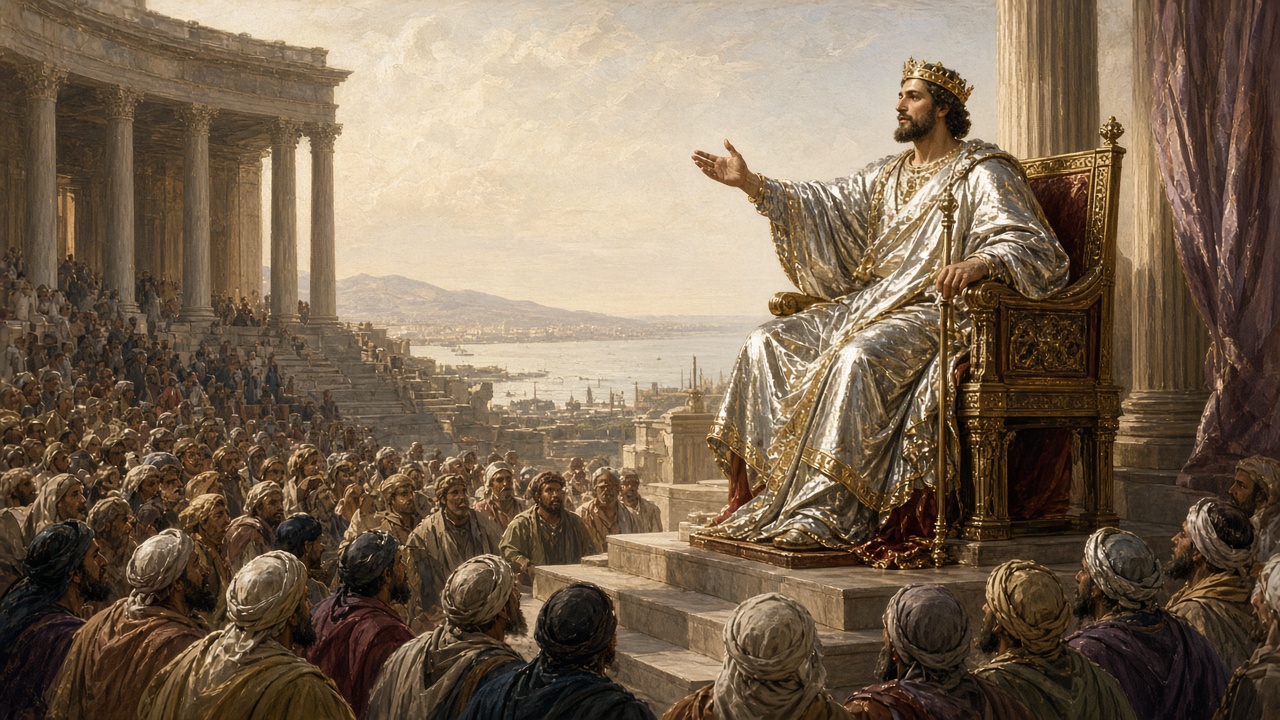
20Tirʉ̃mʉrire Tiro vãme cʉti macanare, to yicõari Sidón vãme cʉti macanare quẽne bʉto ĩnare jũnisiniñuju Herodes. To bajiri Sidón macana, Tiroana rãca rẽjacõari, Herodere ñagõrã vasujarã ĩna. “Herodes ĩ jũnisinicõa ñajama, ʉjʉ ĩ ñari sita bare mani bʉjarũgũsere ĩsibecʉmi” yirã ñari, to bajiro bajiyujarã ĩna. Herodes tʉjʉre ñañuju ĩre ejarẽmogʉ̃ ñamasugʉ̃, Blasto vãme cʉtigʉ. To bajiri Herodere ĩna ñagõroto rĩjoro, ĩre ñagõñujarã ĩna, Blastore. To ĩna yise ñajare, ĩnare ĩamaicõari, ĩnare ñagõbosayuju Blasto. Ĩnare ĩ ñagõbosarone, “Cojorʉ̃mʉ ĩnare ñagõrʉcʉja yʉ maji”, ĩre yiyuju Herodes. 21“To cõro ĩnare ñagõrʉcʉja yʉ” ĩ yiriarʉ̃mʉ ti ejaro, ʉjʉ ñagʉ̃ ĩ sãñase sudi quẽnase sãñañuju ĩ Herodes. To yicõari, rotigʉ ĩ rujiri cũmurojʉre ejarũjucõari, masare gotiyuju ĩ. 22Ĩ ñagõsere ajicõari,
—Masʉ me ñaami ãni. Dione ñaami —yiavasã variquẽnañujarã masa.
23To bajiro ĩna yiñarone, ángel Herodere rijaye ĩre cõañuju. To ĩ yijare, ĩ gʉdajoajʉre vãsia ĩna bajare, bajirocacoasuju Herodes. “To bajise yibesa mʉa. Dios me ñaja yʉ. Dios sĩgʉ̃rene rʉ̃cʉbʉoya mʉa” ĩ yibetijare, to bajiro bajiyuju ĩre.
24Herodes ĩ bajirocarirodore Jesús ĩ bajirere Dios oca gotisere ajicõari, jãjarãbʉsa Jesúre ajitirʉ̃nʉrũtuasujarã ĩna.
25Bernabé, Saulo rãca Jerusalén vãme cʉti macanare gãjoa ĩnare ĩsigajanocõari, Antioqu'iajʉ tudiasujarã ĩna. Gãji, Juan Marcos vãme cʉtigʉ, ĩna rãca vasuju ĩ.
Você sabia?
A fuga de Pedro e a morte de Herodes
- O rei Herodes deste capítulo é Herodes Agripa I, neto de Herodes, o Grande, que com o tempo passou a possuir todo o reino do avô e o título de rei. Ele mandou matar Tiago e prendeu Pedro. O Dicionário Bíblico de Easton (1897) diz que, no segundo dia de uma festa em honra do imperador Cláudio, Agripa apareceu no grande teatro de Cesareia com magníficas vestes de prata; era cedo, e os raios do sol ofuscavam quem o via.Fontes: Herod Agrippa I · o próprio texto bíblico
- O Tiago morto à espada era Tiago, filho de Zebedeu, irmão do apóstolo João, um pescador que havia trabalhado em parceria com Pedro. O Dicionário Bíblico de Easton (1897) o apresenta como o primeiro dos apóstolos a ser morto e diz que Herodes Agripa o mandou decapitar. O Tiago a quem Pedro manda que os crentes avisem é outro homem: o mesmo dicionário o identifica como o Tiago que estava à frente da igreja em Jerusalém.Fontes: James (Son of Zebedee) · James (Brother of Jesus) · o próprio texto bíblico
- Quando percebeu que estava livre, Pedro foi à casa de Maria, mãe de João Marcos, em Jerusalém, que o Dicionário Bíblico de Easton (1897) chama de lugar habitual de reunião dos discípulos; muita gente estava ali reunida em oração. A serva que veio ao portão externo chamava-se Rode, nome que significa uma rosa; muito alegre ao ouvir a voz dele, correu para dentro para anunciá-lo e esqueceu de abrir o portão. João, também chamado Marcos, era filho de Maria — Marcos, seu nome romano, aos poucos substituiu o nome judeu João — e mais tarde ele deixou Jerusalém com Barnabé e Saulo.Fontes: Mary (Mother of John Mark) · Rhoda · John Mark · o próprio texto bíblico
Notas escritas com auxílio de IA a partir de fontes abertas (Theographic Bible Metadata, CC BY-SA 4.0; Easton’s Bible Dictionary, domínio público) e revisadas antes de publicar.
Lugares deste capítulo
- Caesarea · Hoje: Caesarea Maritima · 32.500, 34.892 · versículo 19
- Judea · Hoje: Judea 1 · 31.777, 35.234 · versículo 19
- Sidon · Hoje: Sandikli archaeological site in Sidon · 33.561, 35.372 · versículo 20
- Tyre · 33.271, 35.196 · versículo 20
- Jerusalem · 31.777, 35.234 · versículo 25
Só aparecem lugares com identificação de alta confiança (90% ou mais segundo as fontes acadêmicas reunidas pelo OpenBible). Mapa da época: DARE (Digital Atlas of the Roman Empire), CC BY 4.0; mapa atual: © colaboradores do OpenStreetMap; lugares: OpenBible.info (CC BY 4.0).
Créditos e licença desta tradução
Dios oca gotirituti
New Testament in Barasana-Eduria (CO:bsn:Barasana-Eduria)
copyright © 2010 Wycliffe Bible Translators, Inc.
Language: Barasana-Eduria
Translation by: Wycliffe Bible Translators, Inc.
Copyright Information
© 2010, Wycliffe Bible Translators, Inc. All rights reserved.
This translation text is made available to you under the
terms of the Creative Commons License: Attribution-Noncommercial-No Derivative Works.
( http://creativecommons.org/licenses/by-nc-nd/3.0/ )
In addition, you have permission to port the text to different file formats, as long as you
do not change any of the text or punctuation of the Bible.
You may share, copy, distribute, transmit, and extract portions
or quotations from this work, provided that you include the above copyright
information:
You must give Attribution to the work.
You do not sell this work for a profit.
You do not make any derivative works that change any of the actual words or punctuation of the Scriptures.
Permissions beyond the scope of this license may be
available if you contact
us with your request.
The New Testament
in Barasana-Eduria
© 2010, Wycliffe Bible Translators, Inc. All rights reserved.
This translation is made available to you under the terms of the
Creative Commons Attribution-Noncommercial-No Derivatives license 4.0.
You may share and redistribute this Bible translation or extracts from it in any format, provided that:
You include the above copyright and source information.
You do not sell this work for a profit.
You do not change any of the words or punctuation of the Scriptures.
Pictures included with Scriptures and other documents on this site are licensed just for use with those Scriptures and documents.
For other uses, please contact the respective copyright owners.
2014-04-22
Fonte: http://ebible.org/bsnNT/ · eBible.org