Naum 3
Luda yã takada kũ Bisã yão · Toque num versículo para ver as referências cruzadas.
Bɑ Ninifu kɑm koosiɑ
1Ninifugibɑ kuɑ bɔ̃rurobu.
Domi bɑ sɑ̃ɑwɑ tɔn gowobu.
Bɑ weesu yibɑ.
Mɑ bɑ kuurɑmɔ kɑ gbɑnɑ.
Bɑ rɑ n tɔmbun yɑ̃nu gurɑmɔwɑ.
2Wee sɛnɑn dɑmusu nɔɔrɑmɔ wuu ge sɔɔ.
Wee tɑbu kɛkɛbɑn uruun wɔkinu nɔɔrɑmɔ,
mɑ dumi yi yi gɑwe yi yɔ̃ɔkumɔ.
3Mɑɑsɔbu bɑ wee,
bɑ tɑkobibɑ kɑ yɑɑsi nɛni yi bɑllimɔ.
Wee bɑ tɔmbu mɛɛrɑ kuɑ,
mɑ gonu tɛrie bɑɑmɑ, nu ǹ gɑrirɔ.
Mɑ bɑ nu wɔrikimɔ.
Bɑ Ninifu sekuru doke
4Ninifu yɑ sɑ̃ɑwɑ nge kurɔ sɑkɑrɑ kowo kpoko.
Yɑ bwese dɑbinu yoru diisiɑ yen burɑm kɑ yen sɔrorun sɔ̃.
5Yen sɔ̃nɑ nɛ Gusunɔ, wɔllu kɑ tem Yinni, kon ye wɔrimɑ.
Kon yen yɑberu gbɑbiɑ n kɑ yen wuswɑɑ wukiri,
kpɑ n yen tereru bwesenu sɔ̃ɔsi,
kpɑ yu sekuru wɑ.
6Kon ye kubɑnu sure, kpɑ tɔmbu bu ye kɑ.
7Sɑɑ yerɑ wi u ye wɑ u koo dukɑ su,
kpɑ u nɛɛ, Ninifu yɑ kuɑ bɑnsu.
Wɑrɑ u koo ye wɔnwɔndu kuɑ.
Mɑnɑ kon bu wɑ be bɑ koo ye nukuru yɛmiɑsiɑ.
Ninifu yɑ koo kowɑ
nge Tebɛsi
8Tebɛsi yɑ wɑ̃ɑ Nilun nim swɛɛ yi bɑ gbɑn bɔkuɔ.
Nim mu kɑ ye sikerenɛ.
Mɑ mu sɑ̃ɑ yen gbɑ̃rɑru.
Ninifu, ɑ tɑmɑɑ ɑ Tebɛsi ye sɑnɔ kere?
9Etiopigibu kɑ Egibitigibɑ bɑ sɑ̃ɑ yen dɑm.
Putigibu kɑ Libigibu bɑ sɑ̃ɑwɑ yen somiɔbu.
10Kɑ mɛ kpuro, yen tii yɑ yoru dɑ.
Bɑ ye mwɑ mɑ bɑ yen bibu go swɛɛ kpuro sɔɔ.
Bɑ yen wirugibu tɛtɛ toosi,
mɑ bɑ yen dɑmgibu mwɛɛrɑ bɑ yɔni doke.
11Wunɛ Ninifu, kɑɑ nɔni sɔ̃ɔrɑwɑ,
kpɑ ɑ n sɑ̃ɑ nge wi u tɑm goore,
kpɑ ɑ kuku yeru kɑsu yibɛrɛbɑn sɔ̃ ɑ kuke.
12Sɑɑ ye sɔɔ, wunɛn gbɑ̃rɑnu kpuro nu ko n sɑ̃ɑwɑ nge dɑ̃ɑ nìn mɑrum mu ye.
Bɑ̀ n mu sirɑ kpɑ mu wɔri wi u koo mu din nɔɔwɔ.
13Wee wunɛn tɔmbu bɑ sɑ̃ɑ nge tɔn kurɔbu wunɛn suunu sɔɔ.
Wunɛn tem wusun kɔnnɔsu su kɛniɑrɑ mɑm mɑm yibɛrɛbɑn wuswɑɑɔ.
Mɑ dɔ̃ɔ u sin kɔkɔrɔbɑ di.
14Bɛɛ Ninifugibu, i nim tɑkirio i yi.
Domi bɑ koo bɛɛn wuu tɑrusi.
I bɛɛn gbɑ̃rɑrun dɑm sosio.
I birikibɑ muro kpɑ i sɔndu tɑɑku i kɑ tu bɑni.
15Bɑɑ ì n yebɑ kpuro kuɑ,
kɑ mɛ, dɔ̃ɔ u koo nɑ u bɛɛ di,
ǹ kun mɛ bu bɛɛ go kɑ tɑkobi.
Bɑ koo bɛɛ kpeerɑsiɑwɑ nge mɛ twee yi rɑ dɑ̃ɑ wurusu di.
Bɑ Ninifun tɔmbu kpuro go
Wee, i dɑbiɑ nge twee.
16Bɛɛn tenkubɑ bɑ kperi dɑbiru kere.
Adɑmɑ be kpuro bɑ doonɑ
nge twee yi yi yɔ̃ɔwɑ.
17Bɛɛn kɔ̃sobu bɑ dɑbi nge gbɑbu swɛ̃ɛ.
Bɛɛn sɔm kowobu bɑ dɑbi nge twee
yi yi sinɑ dɑ̃ɑ kikisɔ bururu.
Adɑmɑ ye sɔ̃ɔ u yɑrɑ mɑ yi yɔ̃ɔwɑ yi doonɑ,
bɑ ǹ tubɑ mi yi dɑ.
18Wunɛ Asirin sinɑ boko,
wee wunɛn kpɑrobu bɑ dom yĩbirimɔ.
Wunɛn tɑbu durɔ dɑmgibu bɑ ǹ mɑɑ wɑsi.
Mɑ wunɛn tɔmbu bɑ yɑrinɛ yɑm kpuro guunu wɔllɔ,
goo sɑri wi u koo bu kpɑɑsinɑ.
19Goo kun wunɛn mɛɛrɑ ye nɔɔrimɔ.
Yɑ koo nun gowɑ.
Wi u nuɑ ye yɑ nun deemɑ, u koo tɑkɑ kowɑ nuku dobun sɔ̃.
Domi goo sɑri wi ɑ ǹ nɔni sɔ̃ɔwɑ.
Você sabia?
A inevitável queda de Nínive
- Naum adverte Nínive lembrando a queda de Tebas, uma grande cidade protegida pelas águas do Nilo e aliada a Cuxe, ao Egito e a Pute. Apesar de suas formidáveis defesas naturais e alianças regionais, Tebas foi conquistada e seus nobres foram levados cativos.Fontes: o próprio texto bíblico · Thebes · Cush · Put
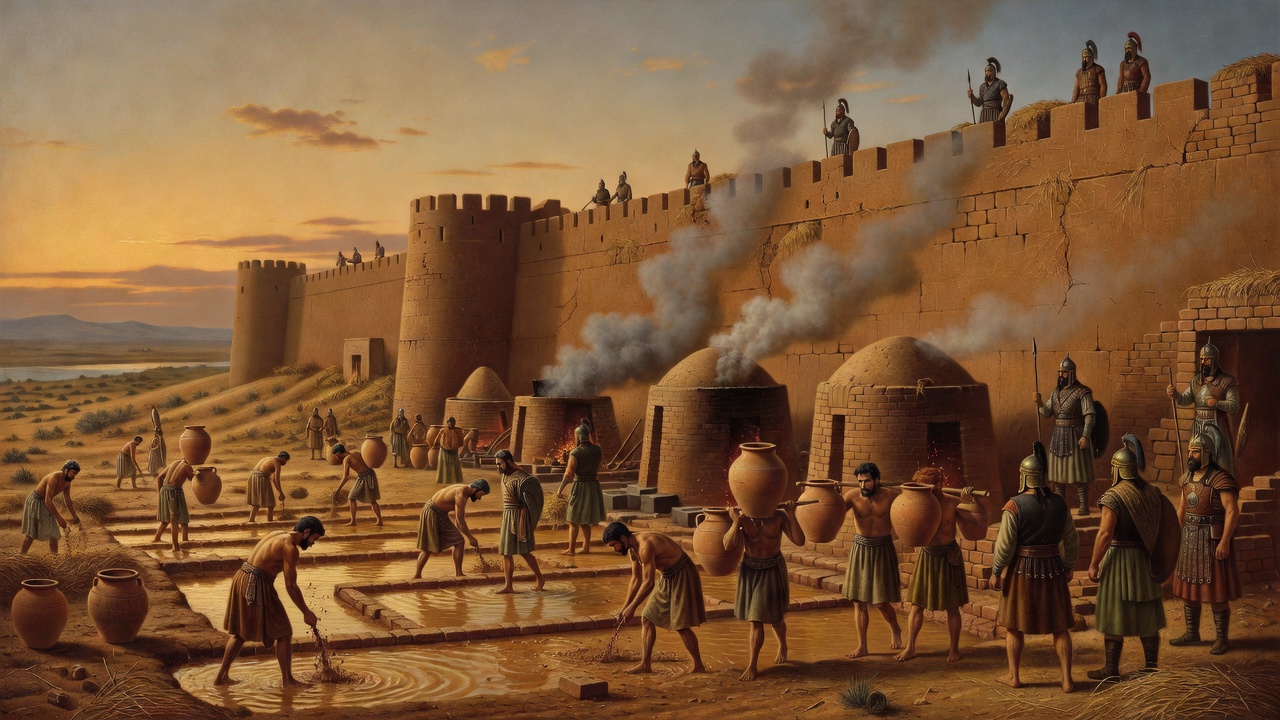
- O profeta ordena ironicamente que Nínive se prepare para o cerco tirando água, amassando o barro e pisando a argamassa para reforçar suas muralhas de tijolos. Mesmo com essas medidas defensivas, o texto declara que o fogo e a espada consumiriam a cidade.Fontes: o próprio texto bíblico
- Naum compara os guardas e oficiais de Nínive a gafanhotos que se amontoam sobre os muros em dias frios. Assim que o sol nasce, eles levantam voo e desaparecem, ilustrando a rapidez com que a liderança e os defensores da Assíria se dispersariam.Fontes: o próprio texto bíblico
Notas escritas com auxílio de IA a partir de fontes abertas (Theographic Bible Metadata, CC BY-SA 4.0; Easton’s Bible Dictionary, domínio público) e revisadas antes de publicar.
Lugares deste capítulo
- Nineveh · 36.359, 43.153 · versículos 1, 4, 7, 11
- Nile · Hoje: Nile River · 31.465, 30.367 · versículo 8
- Thebes · 25.721, 32.610 · versículos 8, 10
- Cush · Hoje: Cush 1 · 16.935, 33.751 · versículo 9
- Egypt · 30.129, 31.308 · versículo 9
- Libya · 32.821, 21.851 · versículo 9
- Assyria · 36.359, 43.153 · versículo 18
Só aparecem lugares com identificação de alta confiança (90% ou mais segundo as fontes acadêmicas reunidas pelo OpenBible). Mapa da época: DARE (Digital Atlas of the Roman Empire), CC BY 4.0; mapa atual: © colaboradores do OpenStreetMap; lugares: OpenBible.info (CC BY 4.0).
Créditos e licença desta tradução
Luda yã takada kũ Bisã yão
Portions of the Holy Bible in the Busa language of Nigeria
copyright © 2005 SIM International
Language: Bisã (Busa)
Translation by: SIM
This translation text is made available to you under the
terms of the Creative Commons License: Attribution-Noncommercial-No Derivative Works.
( http://creativecommons.org/licenses/by-nc-nd/3.0/ )
In addition, you have permission to port the text to different file formats, as long as you
do not change any of the text or punctuation of the Bible.
You may share, copy, distribute, transmit, and extract portions
or quotations from this work, provided that you include the above copyright
information:
You must give Attribution to the work.
You do not sell this work for a profit.
You do not make any derivative works that change any of the actual words or punctuation of the Scriptures.
Permissions beyond the scope of this license may be
available if you contact
us with your request.
This translation is made available to you under the terms of the
Creative Commons Attribution-Noncommercial-No Derivatives license 4.0.
You may share and redistribute this Bible translation or extracts from it in any format, provided that:
You include the above copyright and source information.
You do not sell this work for a profit.
You do not change any of the words or punctuation of the Scriptures.
Pictures included with Scriptures and other documents on this site are licensed just for use with those Scriptures and documents.
For other uses, please contact the respective copyright owners.
2014-10-10
Fonte: http://ebible.org/bqp/ · eBible.org