Miqueias 6
Luda yã takada kũ Bisã yão · Toque num versículo para ver as referências cruzadas.
Yinni Gusunɔ u win tɔmbu
tɑɑrɛ wɛ̃ɛmɔ
1I swɑɑ dɑkio ye nɛ, Yinni Gusunɔ nɑ geruɑ. Nɑ nɛɛ,
Isirelibɑ, i seewo
i kɑ tii yinɑ guunu kɑ gungunun wuswɑɑɔ.
2Bɛɛ guunu, i swɑɑ dɑkio.
Bɛɛ tem kpɛɛkpɛɛku dɑmginu,
nɛ, Yinni Gusunɔ nɑ nɛn tɔmbu tɑɑrɛ wɛ̃ɛmɔ.
Nɑ kĩ n bu siribu soku.
3Bɛɛ Isirelibɑ, bɛɛ nɛn tɔmbu, kɔ̃sɑ mbɑ nɑ bɛɛ kuɑ.
Mɑ sɔɔrɑ nɑ derɑ i wɑsirɑ.
I mɑn wisio.
4I mɑn tɑɑrɛ wɛ̃ɛmɔ yèn sɔ̃ nɑ bɛɛ Isirelibɑ yɑrɑ sɑɑ Egibitin di?
Ǹ kun mɛ yèn sɔ̃ nɑ bɛɛ yɑrɑ sɑɑ yorun di?
Ǹ kun mɛ yèn sɔ̃ nɑ bɛɛ kpɑro beni gɔriɑmɑ, Mɔwisi kɑ Aroni kɑ Mɑriɑmu?
5Bɛɛ nɛn tɔmbu, i yɑɑyo kɔ̃sɑ ye Bɑlɑki Mɔɑbun sinɑ boko u bwisikɑ u bɛɛ kuɑ.
I mɑɑ yɑɑyo ye Bɑlɑmu Beorin bii u nùn wisɑ.
Nɑ bɛɛ yɔ̃siri bɛɛn sɑnum sɔɔ sɑɑ Sitimun di sere Giligɑliɔ.
Mɑ i nɛn durom wɑ mɛ nɛ, Yinni Gusunɔ nɑ bɛɛ kuɑ.
Ye Yinni Gusunɔ u tɔmbu
bikiɑmɔ
6Kɛ̃ɛ terɑ̀ kon kɑ Yinni Gusunɔ wi, wi u kpuro kere dɑɑwɑ
nɑ̀ n dɔɔ win sɑ̃ɑ yerɔ.
Kɛ̃ɛ terɑ̀ ko nɑ n nɛni n kɑ nùn yiirɑ.
Nɑɑ wɔ̃ɔ tiɑgiɑ kon kɑ nùn yɑ̃ku dɔ̃ɔ mwɑɑrɑrugiru kuɑ?
7Yinni Gusunɔ u yɑ̃ɑ kinɛ dɑbi dɑbinun bukɑtɑ mɔ?
Gum kotosun bukɑtɑwɑ u mɔ?
Nɛn bii gbiikoowɑ kon nùn wɛ̃ u sere mɑn nɛn torɑnu suuru kuɑ?
8Aɑwo, Yinni Gusunɔ u tɔmbu geɑ sɔ̃ɔsi ye u rɑ kɑ̃.
Ye u bu kɑnɑmɔ bu ko,
yerɑ bu ben berusebu wɛ̃ ye n sɑ̃ɑ begiɑ.
Kpɑ bu bu kĩru sɔ̃ɔsi.
Kpɑ bu wi, Gusunɔ ben Yinni swĩi kɑ tii kɑwɑbu.
Yinni Gusunɔ u rɑ gbɛnɔbu
kɑ dɑɑ bɔɔbɔyɑgibu sɛɛyɑsie
9Yinni Gusunɔ u kɑ Yerusɑlɛmugibu yɑ̃.
Wi u bwisi mɔ, u koo nùn nɑsiɑ.
Bɛɛ Yudɑbɑ, i de nɛn siribu bu bɛɛ yeeri.
10Kon wurɑ tɔn kɔ̃so u dukiɑ gure win dirɔ kɑ gbɛnɑ?
Kpɑ u n sɑkɑku mɔ ge nɑ ǹ kĩ?
11I tɑmɑɑ wi u kilo weesugiɑ mɔ u dɛɛre?
12Wee bɛɛn gobigibu bɑ tɔmbu dɑm dɔremɔ,
bɑ rɑ n weesu mɔ̀.
Kpɑ bɑ n gɑbu nɔni wɔ̃kumɔ kɑ ben gɑri.
13Tɛ̃, nɑ sɔɔru kpɑ n kɑ bɛɛ sɛ̃suku bɛɛn durum sɔ̃,
kpɑ i kɑm ko.
14I ko i di, ɑdɑmɑ i ǹ debumɔ.
I ko i nɔɔgiru suɑ gɔ̃ɔrun sɔ̃.
Mɛyɑ n ǹ koorɔ i gɑ̃ɑnu bere.
Ì n mɑɑ gɑ̃ɑnu beruɑ, tɑbɑ kon kɑ ye kɑm koosiɑ.
15I ko i duure, ɑdɑmɑ i ǹ gɛ̃ɛmɔ.
I ko i olifi gɑmɑ,
ɑdɑmɑ i ǹ wɑsi i yen gum sɑwɑ.
I ko i resɛm tɑm wĩɑ,
ɑdɑmɑ i ǹ wɑsi i mu nɔ.
16Domi i sinɑ boko Omirin dɑɑ kɔ̃sɑ sɑɑrimɔ kɑ sere mɑɑ Akɑbugiɑ.
I ben dɑɑ sɑɑrimɔwɑ mɑm mɑm.
Yen sɔ̃nɑ kon de bɛɛn wuu gu ko bɑnsu.
Kpɑ n de bu bɛɛ yɛ̃ɛ.
I ko i sekuru wɑ bɛɛ kpuro nge mɛ nɛn tɔmbu bɑ rɑ wɑ.
Você sabia?
O Processo do Senhor e as Verdadeiras Exigências
- O capítulo se inicia como uma disputa jurídica pactual em que Deus convoca os montes e os fundamentos da terra como testemunhas contra Israel. Deus relembra sua fidelidade ao libertá-los do Egito sob a liderança de Moisés, Arão e Miriã, além de protegê-los de Balaque de Moabe por meio de Balaão na jornada de Sitim a Gilgal.Fontes: o próprio texto bíblico · Miriam · Balak · Balaam
- O texto contrasta sacrifícios rituais extravagantes — como milhares de carneiros, torrentes de azeite ou mesmo o sacrifício de filhos — com o que Deus realmente requer. A verdadeira devoção é definida simplesmente como praticar a justiça, amar a misericórdia e andar humildemente com Deus.Fontes: o próprio texto bíblico
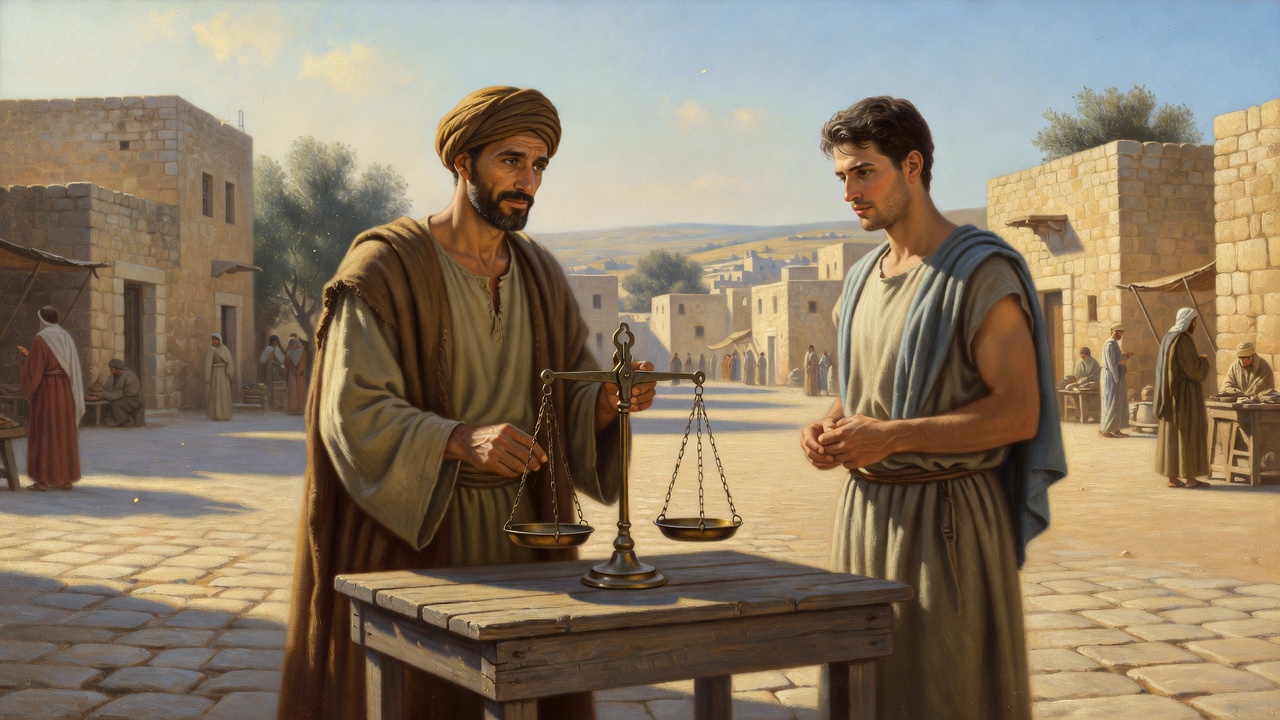
- Miqueias denuncia a injustiça econômica urbana, condenando expressamente comerciantes desonestos que usavam pesos falsos, balanças enganosas e medidas adulteradas. Ele adverte que adotar os estatutos corruptos dos reis do norte, Onri e Acabe, resultará em desolação e opróbrio público.Fontes: o próprio texto bíblico · Omri · Ahab
Notas escritas com auxílio de IA a partir de fontes abertas (Theographic Bible Metadata, CC BY-SA 4.0; Easton’s Bible Dictionary, domínio público) e revisadas antes de publicar.
Lugares deste capítulo
- Egypt · 30.129, 31.308 · versículo 4
- Moab · Hoje: Moab 1 · 31.181, 35.701 · versículo 5
- Jerusalem · 31.777, 35.234 · versículo 9
Só aparecem lugares com identificação de alta confiança (90% ou mais segundo as fontes acadêmicas reunidas pelo OpenBible). Mapa da época: DARE (Digital Atlas of the Roman Empire), CC BY 4.0; mapa atual: © colaboradores do OpenStreetMap; lugares: OpenBible.info (CC BY 4.0).
Créditos e licença desta tradução
Luda yã takada kũ Bisã yão
Portions of the Holy Bible in the Busa language of Nigeria
copyright © 2005 SIM International
Language: Bisã (Busa)
Translation by: SIM
This translation text is made available to you under the
terms of the Creative Commons License: Attribution-Noncommercial-No Derivative Works.
( http://creativecommons.org/licenses/by-nc-nd/3.0/ )
In addition, you have permission to port the text to different file formats, as long as you
do not change any of the text or punctuation of the Bible.
You may share, copy, distribute, transmit, and extract portions
or quotations from this work, provided that you include the above copyright
information:
You must give Attribution to the work.
You do not sell this work for a profit.
You do not make any derivative works that change any of the actual words or punctuation of the Scriptures.
Permissions beyond the scope of this license may be
available if you contact
us with your request.
This translation is made available to you under the terms of the
Creative Commons Attribution-Noncommercial-No Derivatives license 4.0.
You may share and redistribute this Bible translation or extracts from it in any format, provided that:
You include the above copyright and source information.
You do not sell this work for a profit.
You do not change any of the words or punctuation of the Scriptures.
Pictures included with Scriptures and other documents on this site are licensed just for use with those Scriptures and documents.
For other uses, please contact the respective copyright owners.
2014-10-10
Fonte: http://ebible.org/bqp/ · eBible.org