Levítico 15
Luda yã takada kũ Bisã yão · Toque num versículo para ver as referências cruzadas.
Tɔn durɔrun disi
1Yinni Gusunɔ u Mɔwisi kɑ Aroni sɔ̃ɔwɑ u nɛɛ, 2i Isirelibɑ sɔ̃ɔwɔ i nɛɛ, ben goo ù n kentu kpikɑ mɔ, u kuɑwɑ mi disigii. 3Yɑ rɑ wĩ? Yɑ ku rɑ wĩ? Kɑ mɛ, u kuɑwɑ mi disigii. 4Kpin yee tè sɔɔ u kpunɑ kpuro, tɑ disi duurɑwɑ mi, kɑ sere mɑɑ gɑ̃ɑ ni u sinɑri kpuro. 5Wi u mɑɑ kpin yee te bɑbɑ kpuro u koo win yɑ̃nu teɑwɑ kpɑ u wobure kɑ nim. Adɑmɑ kɑ mɛ, yɛ̃ro u ko n disi mɔwɑ sere kɑ yokɑɔ. 6Wi u mɑɑ sinɑ mi bɑrɔ wi, u sinɑ, u koo win yɑ̃nu teɑwɑ kpɑ u wobure kɑ nim. Adɑmɑ kɑ mɛ, u ko n sɑ̃ɑwɑ disigii sere kɑ yokɑɔ. 7Wi u bɑrɔ wi bɑbɑ, u koo win yɑ̃nu teɑwɑ kpɑ u wobure kɑ nim. Adɑmɑ kɑ mɛ, u ko n sɑ̃ɑwɑ disigii sere kɑ yokɑɔ. 8Bɑrɔ wi, ù n goo yɑ̃ɑtɑm sie, yɛ̃ro u koo win yɑ̃nu teɑwɑ kpɑ u wobure. Adɑmɑ kɑ mɛ, u ko n sɑ̃ɑwɑ disigii sere kɑ yokɑɔ. 9Gɑ̃ɑ ni bɑrɔ wi, u sɔni kpuro, nu kuɑwɑ mi disiginu. 10Gɑ̃ɑ ni u sɑkusi kpuro, wi u nu bɑbɑ yɛ̃ro u kuɑwɑ mi disigii sere kɑ yokɑɔ. Wi u mɑɑ nu sɔɔwɑ yɛ̃ro u koo win yɑ̃nu teɑwɑ kpɑ u wobure. Adɑmɑ kɑ mɛ, u ko n disi mɔwɑ sere kɑ yokɑɔ. 11Wi u derɑ bɑrɔ wi, u nùn bɑbɑ, mɑ u ǹ niɛ, u koo win yɑ̃nu teɑwɑ kpɑ u wobure. Adɑmɑ kɑ mɛ, yɛ̃ro u ko n disi mɔwɑ sere kɑ yokɑɔ. 12Bɑrɔ wi, ù n dendi yɑ̃nu bɑbɑ ni bɑ kuɑ kɑ sɔndu bɑ koo nu kɔsukuwɑ. Nù n mɑɑ sɑ̃ɑn nɑ ni bɑ kuɑ kɑ dɑ̃ɑ, bɑ koo nu teɑwɑ.
13Sɑnɑm mɛ kentu ye, yɑ wĩibu yɔ̃rɑ, u koo kowɑ sɔ̃ɔ nɔɔbɑ yiru u sere dɛɛrɑ. U koo win yɑ̃nu teɑ kpɑ u wobure kɑ nim. Sɑɑ ye sɔɔ, u dɛɛrɑwɑ mi. 14Sɔ̃ɔ nɔɔbɑ itɑse u koo kpɑrukonu yiru ǹ kun mɛ totobɛrɛnu yiru suɑ u kɑ dɑ Gusunɔn kurun kɔnnɔwɔ kpɑ u nu yɑ̃ku kowo wɛ̃. 15Yɑ̃ku kowo u koo nin teu gowɑ torɑrun sɔ̃. Kpɑ u kɑ teu geni yɑ̃ku dɔ̃ɔ mwɑɑrɑrugiru ko kpɑ u nùn dɛɛrɑsiɑbun wororu koosi Yinni Gusunɔn wuswɑɑɔ kpɑ u dɛɛrɑ.
16Goon sen nim mù n yɑri, u koo woburewɑ. Adɑmɑ kɑ mɛ, u ko n disi mɔwɑ sere kɑ yokɑɔ. 17Mù n yɑ̃nu gɑnu tɑ̃re, ǹ kun mɛ gɔnɑ ye bɑ rɑ wukiri, bɑ koo ye teɑwɑ kɑ nim. Adɑmɑ kɑ mɛ, yɑ ko n disi mɔwɑ sere kɑ yokɑɔ.
18Kurɔ kɑ durɔ bɑ̀ n mɛnnɑ, be kpuro bɑ koo woburewɑ kɑ nim. Adɑmɑ kɑ mɛ, bɑ koo bu gɑrisiwɑ disigibu sere kɑ yokɑɔ.
Tɔn kurɔrun disi
19Tɔn kurɔ ù n yɑsɑ mɔ̀, bɑ koo nùn gɑrisiwɑ disigii sɔ̃ɔ nɔɔbɑ yiru. Wi u nùn bɑbɑ kpuro u kuɑwɑ mi disigii sere kɑ yokɑɔ. 20Kpin yee tè sɔɔ u kpunɑ kpuro, tɑ kuɑwɑ mi disigiru. Ye u mɑɑ sinɑri kpuro yɑ kuɑwɑ mi disigiɑ. 21Wi u mɑɑ kurɔ win kpin yeru bɑbɑ, u koo win yɑ̃nu teɑwɑ kpɑ u wobure. Adɑmɑ kɑ mɛ, u ko n sɑ̃ɑwɑ disigii sere kɑ yokɑɔ. 22Goo ù n bɑbɑ ye kurɔ wi, u sinɑri, yɛ̃ro u koo win yɑ̃nu teɑwɑ kpɑ u wobure. Adɑmɑ kɑ mɛ, u ko n disi mɔwɑ sere kɑ yokɑɔ. 23Gɑ̃ɑ ni nu wɑ̃ɑ win kpin yee ten wɔllɔ ǹ kun mɛ ye u sinɑrin wɔllɔ, wi u yen gɑɑ bɑbɑ, u kuɑwɑ mi disigii sere kɑ yokɑɔ. 24Tɔn durɔ goo ù n kɑ nùn mɛnnɑ, mɑ win yɛm mu nùn tɑ̃re, durɔ wi, u kuɑwɑ mi disigii sere sɔ̃ɔ nɔɔbɑ yiru. Kpin yee tè sɔɔ u gesi kpunɑ tɑ mɑɑ disi duurɑwɑ mi.
25Tɔn kurɔ wi u yɛm wĩimɔ, win yɑsɑn sɑɑ bɑɑsi, ǹ kun mɛ, mu wĩimɔ mu win yɑsɑn sɑɑ kerɑ, bɑ koo nùn gɑrisiwɑ disigii yɛm wĩi bin sɑɑ kpuro sɔɔ nge win yɑsɑn sɑɑ. 26Kpin yee tè sɔɔ u kpunɑ kpuro kɑ ye u sinɑri kpuro, yɑ kuɑwɑ mi disigiɑ nge sɑnɑm mɛ u win yɑsɑ mɔ̀. 27Wi u kpin yee te bɑbɑ, ǹ kun mɛ sin yee te, u koo win yɑ̃nu teɑwɑ kpɑ u wobure. Adɑmɑ kɑ mɛ, u kuɑwɑ mi disigii sere kɑ yokɑɔ.
28Sɑnɑm mɛ yɛm mɛ, mu yɔ̃rɑ u koo kowɑ sɔ̃ɔ nɔɔbɑ yiru bu sere nùn gɑrisi wi u dɛɛre. 29Yen sɔ̃ɔ nɔɔbɑ itɑse sɔɔrɑ u koo kpɑrukonu yiru ǹ kun mɛ totobɛrɛnu yiru kɑsu kpɑ u kɑ yɑ̃ku kowo dɑɑwɑ Gusunɔn kuu ten kɔnnɔwɔ. 30Kpɑ yɑ̃ku kowo u nin teu suɑ u kɑ torɑrun suurun yɑ̃kuru ko kpɑ u mɑɑ teu geni suɑ u kɑ yɑ̃ku dɔ̃ɔ mwɑɑrɑrugiru ko. Yen biruwɑ u koo kurɔ wi dɛɛrɑsiɑbun wororu koosi Yinni Gusunɔn wuswɑɑɔ kpɑ u dɛɛrɑ.
31Yinni Gusunɔ u kpɑm Mɔwisi kɑ Aroni sɔ̃ɔwɑ u nɛɛ, i Isirelibɑ sɔ̃ɔwɔ i nɛɛ, bu de bu kɑ nɛn kuu te tɑ wɑ̃ɑ ben suunu sɔɔ tondɑ sɑnɑm mɛ bɑ disi mɔ kpɑ bu ku rɑɑ gbi.
32Woodɑ yeni yɑ wɑ̃ɑwɑ kentugibun sɔ̃ kɑ wìn sen nim mu yɑri 33kɑ tɔn kurɔ wi u yɑsɑ mɔ̀ kɑ tɔn durɔ wi u yɛm wĩimɔ win tɔn durɔrun di kɑ tɔn kurɔ wi yɛm wĩimɔ win tɔn kurɔrun di kɑ mɑɑ tɔn durɔ wi u kɑ tɔn kurɔ disigii kpunɑ.
Você sabia?
Leis sobre Fluxos Corporais e Purificação
- As leis de pureza em Levítico 15 regulavam fluxos corporais naturais e anormais em homens e mulheres, os quais tornavam as pessoas cerimonialmente impuras. Objetos tocados por uma pessoa com fluxo, como camas, assentos e selas, transmitiam impureza, exigindo que quem os tocasse lavasse as roupas, se banhasse e ficasse impuro até o entardecer.Fontes: o próprio texto bíblico
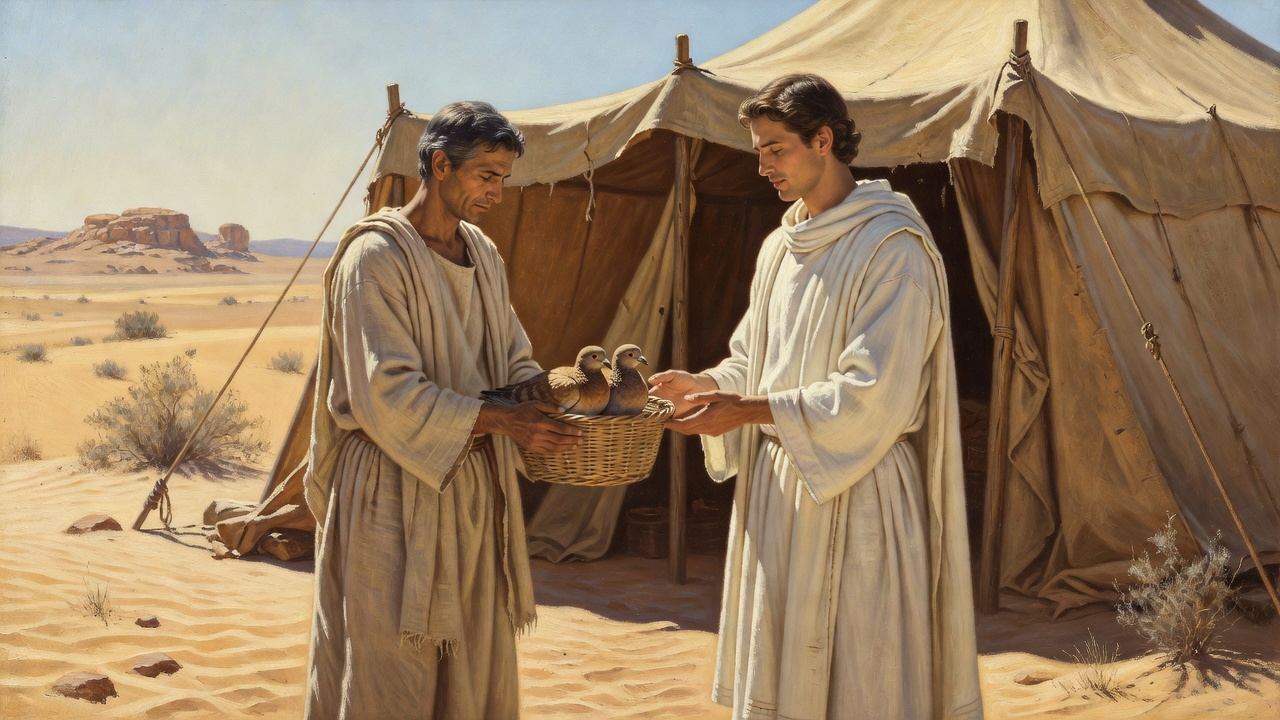
- A purificação de fluxos prolongados exigia uma espera de sete dias após a cura, a lavagem das vestes e o banho em água corrente. No oitavo dia, a pessoa levava duas rolinhas ou dois pombinhos ao sacerdote na entrada da Tenda do Encontro para serem oferecidos como oferta pelo pecado e holocausto.Fontes: o próprio texto bíblico
- O objetivo explícito dessas normas era manter os israelitas conscientes dos limites rituais, evitando que contaminassem o tabernáculo estabelecido no meio do acampamento.Fontes: o próprio texto bíblico
Notas escritas com auxílio de IA a partir de fontes abertas (Theographic Bible Metadata, CC BY-SA 4.0; Easton’s Bible Dictionary, domínio público) e revisadas antes de publicar.
Créditos e licença desta tradução
Luda yã takada kũ Bisã yão
Portions of the Holy Bible in the Busa language of Nigeria
copyright © 2005 SIM International
Language: Bisã (Busa)
Translation by: SIM
This translation text is made available to you under the
terms of the Creative Commons License: Attribution-Noncommercial-No Derivative Works.
( http://creativecommons.org/licenses/by-nc-nd/3.0/ )
In addition, you have permission to port the text to different file formats, as long as you
do not change any of the text or punctuation of the Bible.
You may share, copy, distribute, transmit, and extract portions
or quotations from this work, provided that you include the above copyright
information:
You must give Attribution to the work.
You do not sell this work for a profit.
You do not make any derivative works that change any of the actual words or punctuation of the Scriptures.
Permissions beyond the scope of this license may be
available if you contact
us with your request.
This translation is made available to you under the terms of the
Creative Commons Attribution-Noncommercial-No Derivatives license 4.0.
You may share and redistribute this Bible translation or extracts from it in any format, provided that:
You include the above copyright and source information.
You do not sell this work for a profit.
You do not change any of the words or punctuation of the Scriptures.
Pictures included with Scriptures and other documents on this site are licensed just for use with those Scriptures and documents.
For other uses, please contact the respective copyright owners.
2014-10-10
Fonte: http://ebible.org/bqp/ · eBible.org