Levítico 11
Luda yã takada kũ Bisã yão · Toque num versículo para ver as referências cruzadas.
YE YA DƐƐRE KA YE YA Ǹ DƐƐRE
Yɑɑ ye yɑ sɑ̃ɑ seseru
1Yinni Gusunɔ u Mɔwisi kɑ Aroni sɔ̃ɔwɑ u nɛɛ, 2bu Isirelibɑ sɔ̃ɔwɔ bu nɛɛ, yɛɛ yi bɑ koo kpĩ bu di wee. 3Bɑ koo kpĩ bu yɑɑ di ye yɑ nɑɑ kɑburosu mɔ mɑ yɑ rɑ tukɑ ko. 4Adɑmɑ bɑ ǹ yɛɛ dimɔ yi yi rɑ tukɑ ko tɔnɑ mɑ yi ǹ nɑɑ kɑburosu mɔ. Nge mɛyɑ bɑ ǹ yooyoo temmɔ yèn sɔ̃ gɑ ǹ nɑɑ kɑburosu mɔ bɑɑ mɛ gɑ rɑ tukɑ ko. Bɑ koo gu gɑrisiwɑ yɑɑ disigiɑ. 5Bɑ ǹ koo yɑɑ ye bɑ mɔ̀ dɑmɑɑ tem bɑɑ mɛ yɑ rɑ tukɑ ko yèn sɔ̃ yɑ ǹ nɑɑ kɑburosu mɔ. 6Mɛyɑ bɑ ǹ koo mɑɑ wukun yɑɑ tem domi gɑ ǹ nɑɑ kɑburosu mɔ bɑɑ mɛ gɑ rɑ tukɑ ko. Bɑ koo gu gɑrisiwɑ yɑɑ disigiɑ. 7Mɛyɑ bɑ ǹ koo mɑɑ kurusɔ di. Gɑ nɑɑ kɑburosu mɔ ɑdɑmɑ gɑ ku rɑ tukɑ ko. Bɑ koo gu gɑrisiwɑ yɑɑ disigiɑ. 8Bu ku yɛɛ yi di, bu ku mɑɑ yin gonu bɑbɑ. Bɑ koo yi gɑrisiwɑ disigii.
9Yɛɛ yi yi mɑɑ wɑ̃ɑ dɑɑnɔ kɑ nim wɔ̃kuɔ, yi yi wɑ̃ɑ nim sɔɔ gesi kpuro yi bɑ koo di wee. Yiyɑ yi yi kɛ̃ɛritii mɔ kɑ kokosu sɑnnu. 10Adɑmɑ yi yi kun kɛ̃ɛritii mɔ kɑ kokosu sɑnnu, bɑ koo yi gɑrisiwɑ disigii. 11Bɑ ǹ koo yi di. Mɛyɑ bu ku mɑɑ yin gonu bɑbɑ. 12Yɛɛ yi yi gesi wɑ̃ɑ nim wɔ̃ku sɔɔ, kɑ dɑɑnɔ, mɑ yi ǹ kɛ̃ɛritii kɑ koko si mɔ, bɑ koo yi gɑrisiwɑ disigii.
13Gunɔsu sɔɔ, si bɑ koo gɑrisi disigisu wee, siyɑ gunɔ bɑkeru kɑ sere mɑɑ si su rɑ swɛ̃ɛ di kɑ si su rɑ yɑɑ di 14kɑ yɑberekunu kɑ sere si su kɑ nu weenɛ 15kɑ gbɑnɑmgbɑɑnu kɑ mɑɑ si su kɑ nu weenɛ 16kɑ tɑɑtɑɑnu kɑ booro kɑ sere si su kɑ su weenɛ kɑ kɑsɑ kɑ si su kɑ ye weenɛ, 17kɑ booro bweseru gɑru kɑ nim kpɑkpɑyɛ, kɑ booro dɑ̃ɑ kɔ̃ɔru 18kɑ gunɔ gbɑmgbɑyɑku kɑ gunɔ si su rɑ swɛ̃ɛ din bweseru 19kɑ swɑ̃ɑ wĩɑku kɑ si su kɑ ye weenɛ kɑ kɔ̃ɔ.
20I ku mɑɑ kɔkɔmii ni nu kɑsɑ kɑ nɑɑsu mɔ di. 21Adɑmɑ ni sɔɔ, i ko i kpĩ i di ni nu rɑ yɔ̃ɔku tem sɔɔ 22nge tweɑ kɑ gbɔɔ kɑ ni nu kɑ ye weenɛ. 23Adɑmɑ ni nu tie nu kɑsɑ kɑ nɑɑsu mɔ mi, i ku nu di.
Ye yɑ rɑ tɔnu ko disigii
24Yɛɛ gɛɛ wɑ̃ɑ yìn goru tɔnu ù n bɑbɑ u koo ko disigii. U ko n disi mɔwɑ sere kɑ tɔ̃ɔ ten yokɑɔ. 25Wi u yin goru sɔɔwɑ, u koo win yɑ̃nu teɑwɑ. Kpɑ u n wɑ̃ɑ disi sɔɔ sere kɑ yokɑɔ. 26Yɛɛ yi i ko i gɑrisi disigii yi wee. Yiyɑ yi yi ǹ nɑɑ kɑburosu mɔ kɑ yi yi ku rɑ tukɑ ko kɑ sere yi yi nɑɑsu nnɛ mɔ yi sĩimɔ kɑ nɑɑ sɛ̃nu. Wi u yin gɑɑ bɑbɑ u disi duurɑwɑ mi sere kɑ tɔ̃ɔ ten yokɑɔ. Wi u mɑɑ yin goru sɔɔwɑ u koo win yɑ̃nu teɑwɑ kpɑ u n disi mɔ sere kɑ tɔ̃ɔ ten yokɑɔ.
29Yɛɛ yi yi kɑbirimɔ sɔɔ wee yi i ko i gɑrisi disigii. Yiyɑ gunɔ yɑntɑru kɑ gunɔ kiikiiru kɑ dɛbɑ kɑ ye yɑ kɑ ye weenɛ kpuro 30kɑ duurubɛɛku kɑ sureru kɑ korombɔɔru kɑ sokoro kɑ sunɔ nɑki. 31Yi kpurowɑ i ko i gɑrisi disigii yɛɛ yi yi kɑbirimɔ sɔɔ. Wi u yin gɑɑn goru bɑbɑ u ko n disi mɔwɑ sere kɑ tɔ̃ɔ ten yokɑɔ. 32Yin gɑɑn goru tɑ̀ n wɔri dendi yɑ̃nu sɔɔ ni bɑ kuɑ kɑ dɑ̃ɑ ǹ kun mɛ kɑ bekuru ǹ kun mɛ kɑ gɔnɑ ǹ kun mɛ kɑ sɑɑki, dendi yɑ̃ɑ ni, nu disi duurɑwɑ mi. Bɑ koo nu dokewɑ nim sɔɔ sere kɑ tɔ̃ɔ ten yokɑɔ. Yen biru nu sere dɛɛrɑ. 33Yen gɑɑ yɑ̀ n wekeru gɑru wɔri te bɑ kuɑ kɑ sɔndu, ye yɑ wɑ̃ɑ mi sɔɔ kpuro yɑ disi duurɑwɑ mi. Bɑ koo weke te kɔrɑwɑ. Bɑ̀ n nim doke weke te sɔɔ, mɑ nim mɛ, mu tɑ̃rɑ dĩɑnu sɔɔ ǹ kun mɛ nɔrurɑ gɑɑ sɔɔ, bɑ koo ye kpuro gɑrisiwɑ disi. 34Bɑ̀ n nim doke weke te sɔɔ, mɑ nim mɛ, mu dɑ̃ɑre dĩɑnu sɔɔ ǹ kun mɛ nɔrurɑ gɑɑ sɔɔ, bɑ koo ye kpuro gɑrisiwɑ disi bɑɑ ǹ n weke tere sɔɔn nɑ yɑ wɑ̃ɑ. 35Mi yɑɑ yen goru tɑ wɔri kpuro gesi, doo koo yerɔ ǹ kun mɛ pɛ̃ɛ wɔ̃ɔ yerɔ, bɑ koo ye kpuro kɔsukuwɑ. Domi ye kpuro yɑ disi duurɑwɑ mi. 36Yɑɑ goo te, tɑ̀ n wɔri dɔkɔ sɔɔ ǹ kun mɛ dɑɑrɔ, i ǹ ko i nim mɛ gɑrisi disi. Adɑmɑ wi u tu bɑbɑ u disi duurɑwɑ. 37Tɑ̀ n wɔri dĩɑ bwese te bɑ koo duure sɔɔ, dĩɑ bwese te, tɑ ǹ disi duure. 38Adɑmɑ bɑ̀ n dɑɑ dĩɑ bwese te wɑsɑn nɑ bu kɑ di, tɑ disi duurɑwɑ mi.
39Yɑɑ ye bɑ rɑ di yɑ̀ n kɑ tii gu, wi u yen goru bɑbɑ, yɛ̃ro u disi duurɑwɑ mi sere n kɑ ko tɔ̃ɔ ten yokɑ. 40Wi u yen yɑɑ temɑ ǹ kun mɛ u yen goru sɔɔwɑ, u koo win yɑ̃nu teɑwɑ kpɑ u n disi mɔ sere kɑ tɔ̃ɔ ten yokɑɔ.
41I ku yɛɛ yi yi kɑbirimɔn yɑɑ tem 42kɑ yi yi rɑ kɑ nukuru sĩ kɑ yi yi kɑbirimɔ kɑ nɑɑsu nnɛ ǹ kun mɛ yi yi nɑɑ dɑbinu mɔ. I ko ye kpuro deriwɑ mɑm mɑm. 43I ku de yɛɛ yin bweseru yi bɛɛ ko disigibu. 44Domi nɛ Gusunɔ nɑ sɑ̃ɑwɑ bɛɛn Yinni. I ko i tii dɛɛrɑsiɑ kpɑ i n dɛɛre. Domi nɑ sɑ̃ɑwɑ Dɛɛro. Yen sɔ̃nɑ i ǹ ko i tii disi doke kɑ yɛɛ yi yi kɑbirimɔ. 45Nɛnɑ nɑ bɛɛ yɑrɑmɑ Egibitin di nɑ n kɑ sɑ̃ɑ bɛɛn Yinni. Yen sɔ̃, i de i n dɛɛre. Domi nɑ dɛɛre.
46Woodɑ yeni kpurowɑ nɑ yi yɛɛ kpuron sɔ̃ kɑ gunɔsu kɑ yɛɛ yi yi wɑ̃ɑ nimɔ kɑ sere yi yi kɑbirimɔ. 47Yerɑ yɑ koo de i n dɑ yɑɑ wunɑnɛ ye bɑ koo kɑ yɑ̃kuru ko kɑ ye bɑ ǹ kɑ yɑ̃kuru mɔ̀. Mɛyɑ mɑɑ yɑ koo bɛɛ sɔ̃ɔsi yɑɑ ye i ko i di kɑ ye i ǹ dimɔ.
Você sabia?
Animais Limpos e Impuros
- As leis alimentares de Levítico estabelecem critérios duplos claros para animais terrestres e aquáticos: as criaturas da terra precisavam ruminar e ter cascos fendidos para serem comidas, enquanto as criaturas das águas precisavam ter tanto barbatanas quanto escamas.Fontes: o próprio texto bíblico
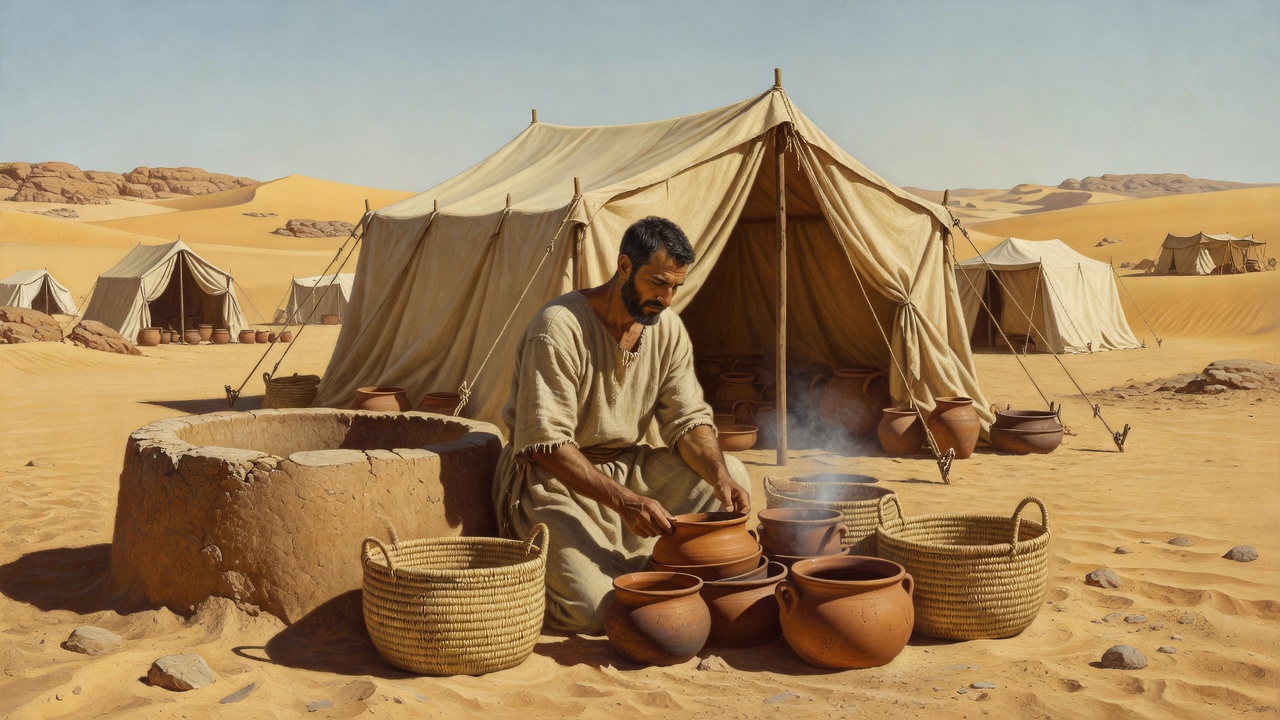
- As leis de pureza se estendiam aos utensílios domésticos: panelas de barro e fornos contaminados pelo cadáver de um animal rastejante impuro não podiam ser apenas lavados como objetos de madeira ou tecido, mas deviam ser completamente quebrados.Fontes: o próprio texto bíblico
- O propósito teológico declarado para distinguir entre o puro e o impuro era a consagração de Israel a Deus, que os tirou do Egito e os chamou a serem santos porque Ele é santo.Fontes: o próprio texto bíblico · Egypt
Notas escritas com auxílio de IA a partir de fontes abertas (Theographic Bible Metadata, CC BY-SA 4.0; Easton’s Bible Dictionary, domínio público) e revisadas antes de publicar.
Lugares deste capítulo
- Egypt · 30.129, 31.308 · versículo 45
Só aparecem lugares com identificação de alta confiança (90% ou mais segundo as fontes acadêmicas reunidas pelo OpenBible). Mapa da época: DARE (Digital Atlas of the Roman Empire), CC BY 4.0; mapa atual: © colaboradores do OpenStreetMap; lugares: OpenBible.info (CC BY 4.0).
Créditos e licença desta tradução
Luda yã takada kũ Bisã yão
Portions of the Holy Bible in the Busa language of Nigeria
copyright © 2005 SIM International
Language: Bisã (Busa)
Translation by: SIM
This translation text is made available to you under the
terms of the Creative Commons License: Attribution-Noncommercial-No Derivative Works.
( http://creativecommons.org/licenses/by-nc-nd/3.0/ )
In addition, you have permission to port the text to different file formats, as long as you
do not change any of the text or punctuation of the Bible.
You may share, copy, distribute, transmit, and extract portions
or quotations from this work, provided that you include the above copyright
information:
You must give Attribution to the work.
You do not sell this work for a profit.
You do not make any derivative works that change any of the actual words or punctuation of the Scriptures.
Permissions beyond the scope of this license may be
available if you contact
us with your request.
This translation is made available to you under the terms of the
Creative Commons Attribution-Noncommercial-No Derivatives license 4.0.
You may share and redistribute this Bible translation or extracts from it in any format, provided that:
You include the above copyright and source information.
You do not sell this work for a profit.
You do not change any of the words or punctuation of the Scriptures.
Pictures included with Scriptures and other documents on this site are licensed just for use with those Scriptures and documents.
For other uses, please contact the respective copyright owners.
2014-10-10
Fonte: http://ebible.org/bqp/ · eBible.org