Jeremias 17
Luda yã takada kũ Bisã yão · Toque num versículo para ver as referências cruzadas.
Yudɑbɑn durum
kɑ ben sɛɛyɑsiɑbu
1Yudɑbɑn durum yɑ yoruɑ ben gɔ̃rusɔ.
Yɑ mɑɑ sɔ̃ɔsire ben yɑ̃ku yenun kɑ̃ɑnu sɔɔ.
Mɑ n sɑ̃ɑre bɑ ye yoruɑ mi,
kɑ yorutii sisugiɑ kɑ kpee te tɑ bɔbunu bo.
2Yɑ sɑ̃ɑwɑ seedɑ ye yɑ bu tɑɑrɛ wɛ̃ɛmɔ.
Nge mɛyɑ ben bũu turɑnu kɑ ben bwɑ̃ɑrokunu
kɑ ben dɑ̃ɑ kubenu kɑ ben gungunu mi bɑ rɑ bũu wi bɑ mɔ̀ Asitɑɑte sɑ̃,
yɑ mɑɑ bu tɑɑrɛ wɛ̃ɛmɔ.
3Yen sɔ̃nɑ nɛ, Yinni Gusunɔ,
kon nɛn guu tèn mi bɑ rɑ mɑn sɑ̃,
kɑ ben dukiɑ kɑ ben gbeɑ
kɑ gungunu mi bɑ rɑ bũnu sɑ̃
yibɛrɛbɑ nɔmu bɛriɑ, ben durum yen sɑɑbu
ye bɑ kuɑ ben tem mɛ kpuro sɔɔ.
4Ben torɑnun sɔ̃nɑ bɑ koo ben tem biɑ
mɛ mu sɑ̃ɑ ben tubi.
Kon bu ko ben yibɛrɛbɑn yobu,
kpɑ bu dɑ tem mi bɑ ǹ yɛ̃.
Domi bɑ derɑ nɛn mɔru yɑ yɑburɑ nge dɔ̃ɔ.
Yɑ ko n mɑɑ yɑburewɑ sere kɑ bɑɑdommɑɔ.
A kun tɔnu nɑɑnɛ sɑ̃ɑ
5Nɛ, Yinni Gusunɔwɑ nɑ nɛɛ,
bɔ̃rigiiwɑ wi u win gɔ̃ru sĩiyɑ nɛn min di,
mɑ u tɔnu nɑɑnɛ sɑ̃ɑ, u tɑ̃sɑ wi sɔɔ.
6U ko n wɔnwɔndu soorewɑ
nge dɑ̃ɑ kiki si su wɑ̃ɑ mi gɑ̃ɑnu ku rɑ kpi.
U ǹ nuku dobu wɑsi.
U ko n wɑ̃ɑwɑ tem sɑɑrɑmɔ mi goo sɑri.
7Adɑmɑ domɑrugiiwɑ wi u win nɑɑnɛ doke nɛ, Yinni Gusunɔ sɔɔ,
mɑ win toro sindu tɑ wɑ̃ɑ nɛ sɔɔ.
8Yɛ̃ro ko n sɑ̃ɑwɑ nge dɑ̃ɑ te tɑ yɔ̃ dɑɑrun goorɔ,
tèn gbini yi ku rɑ nim bie.
Dɑ̃ɑ ten bweseru tɑ ku rɑ n yɑm susuru gɑrɑ.
Ten wurusu rɑ n bekusu sɑ̃ɑwɑ sɑɑ kpuro.
Sɔ̃ɔ sɑ̃rerun sɑɑ yɑ̀ n nɑ,
tɑ ku rɑ gbere, bɑɑ wɔ̃ɔ ge gbeburɑ yɔ̃rɑ.
Mɛyɑ tɑ ku rɑ mɑɑ mɑrubu yɔ̃re.
9Tɔnun gɔ̃ru gɑ rɑ kɔ̃sɑ berewɑ.
Mɛyɑ gen bɑrɑrɑ ku rɑ bɛkure.
Goo u wɑ̃ɑ wi u koo kpĩ u gen bwisikunu giɑ?
10Nɛ, Yinni Gusunɔwɑ
nɑ rɑ tɔnun gɔ̃ru kɑ win bwisikunu wɛ̃ɛri,
n kɑ nùn ye u kuɑn ɑre wɛ̃.
11Wi u dukiɑ gurɑmɔ kɑ swɑɑ kɔ̃sɑ,
u sɑ̃ɑwɑ nge kusu ge gɑ sĩɑ tukɑ wee ye gɑ ǹ kɑ.
Dukiɑ ye, yɑ koo nùn deriwɑ
win wɑ̃ɑrun suunu suunukɑ sɔɔ,
kpɑ u n sɑ̃ɑ nge gɑri bɔkɔ win wɑ̃ɑ dɑ̃ɑkiru sɔɔ.
Yinni Gusunɔ turowɑ
u sɑ̃ɑ wɑ̃ɑrun bwiɑ
12Bɛsɛn sɑ̃ɑ yee dɛɛrɑru
tɑ sɑ̃ɑwɑ nge sinɑ kitɑ yiikogiru
te tɑ wɔlle suɑre yellun di.
13Yinni Gusunɔ, wunɑ bɛsɛ Isirelibɑ sɑ yĩiyɔ.
Be bɑ nun biru kisi, bɑ koo sekuru wɑ.
Be bɑ kɑ nun tondinɛ, bɑ koo bu duɑri.
Bɑ ko n sɑ̃ɑwɑ nge bèn yĩsɑ bɑ yoruɑ tuɑ sɔɔ.
Domi bɑ wunɛ Yinni Gusunɔ deri,
wunɛ wi ɑ sɑ̃ɑ nge bwiɑ yèn nim mu wɑ̃ɑru wɛ̃ɛmɔ.
Yeremi u Yinni Gusunɔ
somiru kɑnɑmɔ
14Yinni Gusunɔ, ɑ mɑn bɛkio,
kpɑ n wɑ n bɛkurɑ mɑm mɑm.
A mɑn fɑɑbɑ koowo kpɑ n fɑɑbɑ wɑ.
Domi wunɛ turowɑ nɑ rɑ n siɑrɑmɔ.
15Yinni Gusunɔ, wee, tɔmbɑ mɑn bikiɑmɔ bɑ mɔ̀,
mɑnɑ nɔni swɑ̃ɑrun gɑri yi ɑ bu sɔ̃ɔwɑ mi, yi woo.
I den bu wɔrimɑ.
16Adɑmɑ nɑ ǹ yinɛ n wunɛn tɔmbu kpɑrɑ.
N ǹ nɛ, nɑ sɛnde nɔni swɑ̃ɑ ten tɔ̃ru tu kɑ nɑ.
Wunɛn tii, ɑ yɛ̃ mɛ.
A mɑɑ yɛ̃ gɑri yi nɑ yɑrɑ nɛn nɔɔn di kpuro.
17Yen sɔ̃, ɑ ku de nɑ n mɑɑ bɛrum soore wunɛn sɔ̃,
wunɛ wi ɑ sɑ̃ɑ nɛn kuku yeru nɔni swɑ̃ɑrun sɑɑ.
18A de be bɑ mɑn nɔni sɔ̃ɔmɔ bu sekuru wɑ.
Kpɑ nɛ, nɑ kun tu wɑ.
A de bu diiri, kpɑ nɛ, nɑ n wɑ̃ɑ kɑ toro sindu.
A de nɔni swɑ̃ɑru tu bu deemɑ,
kpɑ ɑ bu sɛɛyɑsiɑ n kpɑ̃.
Tɔ̃ɔ wɛ̃rɑrugirun bɛɛrɛ wɛ̃ɛbu
19Yinni Gusunɔ u nɛɛ, Yeremi, ɑ seewo ɑ dɑ ɑ yɔ̃rɑ kɔnnɔwɔ ge bɑ mɔ̀ tɔmbun kɔnnɔ mi Yudɑbɑn sinɑmbu bɑ rɑ kɑ du kpɑ bu kɑ yɑri, kpɑ ɑ mɑɑ dɑ ɑ yɔ̃rɑ kɔnnɔ si su tien mi. 20Kpɑ ɑ bu sɔ̃ ɑ nɛɛ, be, Yudɑbɑ kɑ ben sunɔ kɑ be, Yerusɑlɛmugibu, be kpuro be bɑ dumɔ kɔnnɔ sin min di, bu nɛ Yinni Gusunɔgiɑ swɑɑ dɑkio bu nɔ. 21Nɑ nɛɛ, bɑ n tii sɛ kpɑ bu ku rɑɑ sɔmunu sɔbe tɔ̃ɔ wɛ̃rɑrugiru sɔɔ. Bu ku rɑɑ mɑɑ nu duusiɑ Yerusɑlɛmun gbɑ̃rɑ kɔnnɔsun di. 22Bu ku rɑɑ mɑm nu yɑrɑ ben yɛnusun di. Bu ku sɔmburu gɑru ko. Adɑmɑ bu sɑnɑm mɛ yiiyo nɛ, Yinni Gusunɔn sɔ̃ nge mɛ nɑ ben bɑɑbɑbɑ yiire. 23Geemɑ, ben bɑɑbɑ be, bɑ swɑɑ tɑɑyɑ. Bɑ ǹ mɑn swɑɑ dɑki. Bɑ nɛn sɔ̃ɔsinu yinɑ.
24Adɑmɑ be, bɑ̀ n mɑn swɑɑ dɑki kɑ gem, mɑ bɑ ǹ sɔmunu gɑnu duusie Yerusɑlɛmun kɔnnɔsun di tɔ̃ɔ wɛ̃rɑrugiru sɔɔ, mɑ bɑ tɔ̃ɔ te yi nɛ, Yinni Gusunɔn sɔ̃, mɑ bɑ ǹ sɔmburu gɑru kue te sɔɔ, 25sɑɑ yerɑ sinɑm be bɑ sɔ̃ Dɑfidin sinɑ gɔnɑɔ kɑ ben sinɑ ɑsɑkpɔbu bɑ koo du sɑɑ Yerusɑlɛmun kɔnnɔ sin min di, bɑ n tɑbu kɛkɛbɑ duɑ, be dumi gɑwe, kpɑ gɑbu bɑ n dumi sɔni. Mɛyɑ Yudɑbɑ kpuro kɑ Yerusɑlɛmugibu kpuro bɑ koo mɑɑ du mi, kpɑ Yerusɑlɛmu yɑ n tɔmbu yibɑ sere kɑ bɑɑdommɑɔ. 26Tɔmbɑ koo nɑ nɛn sɑ̃ɑ yerɔ Yudɑn wusu kɑ Yerusɑlɛmun bɑru kpɑɑnu kpuron di kɑ Bɛnyɑmɛɛn tem di, kɑ sere mɑɑ guunun di kɑ wɔwin di, kɑ sɔ̃ɔ yɛ̃sɑn nɔm dwɑru giɑn di, tem mɛ kpuron di gesi, bu yɑ̃ku dɔ̃ɔ mwɑɑrɑruginu ko kɑ siɑrɑbun yɑ̃kunu, kpɑ bu kɑ kɛ̃nu nɑ, kpɑ bu turɑre dɔ̃ɔ doke mi. 27Adɑmɑ bɑ̀ kun nɛn gɑri swɑɑ dɑki, yi nɑ nɛɛ, bu mɑn tɔ̃ɔ wɛ̃rɑrugii te yiiyɑ, mɑ bɑ dumɔ Yerusɑlɛmun kɔnnɔsun di, bɑ n sɔmunu sɔɔwɑ, tɔ̃ɔ wɛ̃rɑrugii te sɔɔ, sɑɑ yerɑ kon wuu ge dɔ̃ɔ doke wi u ǹ gbimɔ kpɑ be kpuro bu dɔ̃ɔ mwɑɑrɑ.
Você sabia?
Confiança, o Coração e o Sábado
- O estilete de ferro e a ponta de diamante eram ferramentas antigas usadas para gravar inscrições profundas e permanentes em pedra ou metal. Jeremias usa essa imagem para destacar que a idolatria de Judá não era superficial, mas estava profundamente gravada em seus corações e nas pontas de seus altares.Fontes: o próprio texto bíblico
- Jeremias contrasta um arbusto solitário no deserto seco e salgado com uma árvore viçosa plantada junto a um riacho. A árvore cujas raízes alcançam a água permanece verde e continua dando fruto mesmo em anos de seca, servindo de símbolo para quem confia em Deus em vez de confiar na força humana.Fontes: o próprio texto bíblico
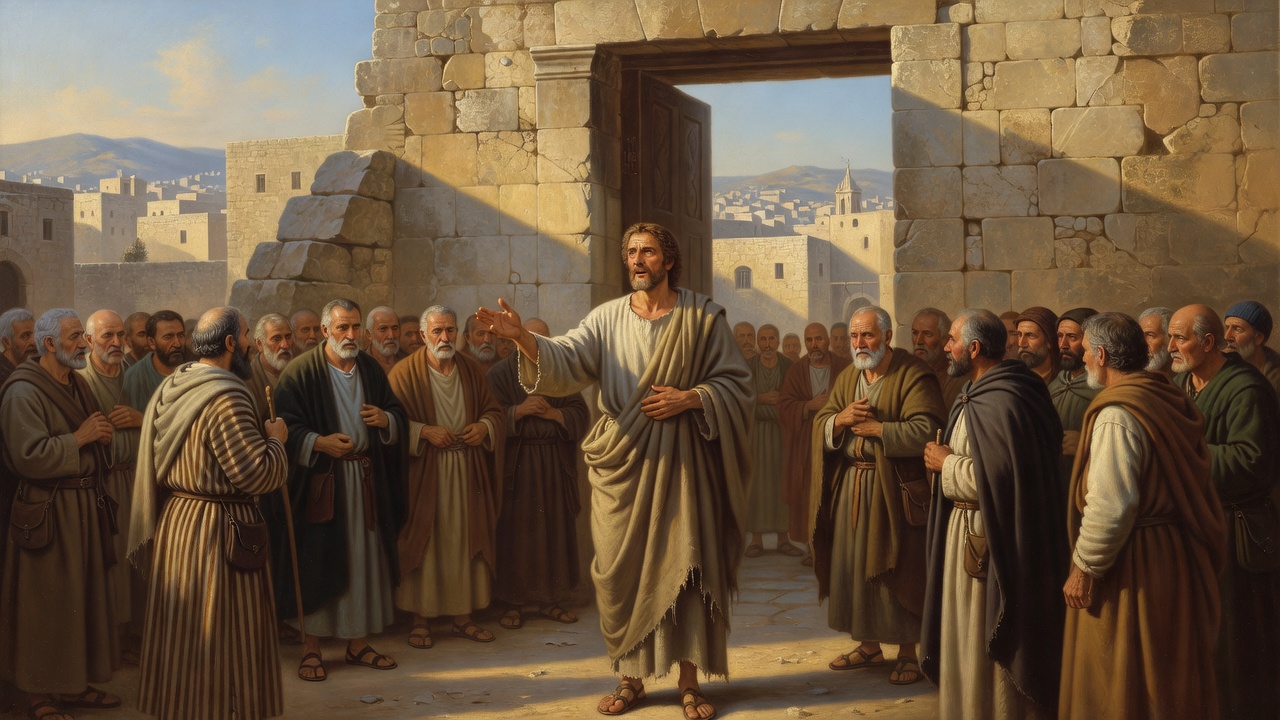
- Jeremias recebeu a ordem de proclamar a palavra de Deus nas portas de Jerusalém, proibindo expressamente o transporte de cargas no dia de sábado. A santificação do sábado garantia a permanência de reis no trono de Davi e a vinda de adoradores das terras de Benjamim, de Judá e do Neguebe.Fontes: o próprio texto bíblico · David · Benjamin (patriarch) · Jerusalem
Notas escritas com auxílio de IA a partir de fontes abertas (Theographic Bible Metadata, CC BY-SA 4.0; Easton’s Bible Dictionary, domínio público) e revisadas antes de publicar.
Lugares deste capítulo
- Arabah · 30.417, 35.151 · versículo 6
- Jerusalem · 31.777, 35.234 · versículos 19, 20, 21, 25, 26, 27
- People’s Gate · Hoje: in Jerusalem · 31.777, 35.234 · versículo 19
- Negeb · 31.245, 34.841 · versículo 26
- Shephelah · 31.692, 34.875 · versículo 26
Só aparecem lugares com identificação de alta confiança (90% ou mais segundo as fontes acadêmicas reunidas pelo OpenBible). Mapa da época: DARE (Digital Atlas of the Roman Empire), CC BY 4.0; mapa atual: © colaboradores do OpenStreetMap; lugares: OpenBible.info (CC BY 4.0).
Créditos e licença desta tradução
Luda yã takada kũ Bisã yão
Portions of the Holy Bible in the Busa language of Nigeria
copyright © 2005 SIM International
Language: Bisã (Busa)
Translation by: SIM
This translation text is made available to you under the
terms of the Creative Commons License: Attribution-Noncommercial-No Derivative Works.
( http://creativecommons.org/licenses/by-nc-nd/3.0/ )
In addition, you have permission to port the text to different file formats, as long as you
do not change any of the text or punctuation of the Bible.
You may share, copy, distribute, transmit, and extract portions
or quotations from this work, provided that you include the above copyright
information:
You must give Attribution to the work.
You do not sell this work for a profit.
You do not make any derivative works that change any of the actual words or punctuation of the Scriptures.
Permissions beyond the scope of this license may be
available if you contact
us with your request.
This translation is made available to you under the terms of the
Creative Commons Attribution-Noncommercial-No Derivatives license 4.0.
You may share and redistribute this Bible translation or extracts from it in any format, provided that:
You include the above copyright and source information.
You do not sell this work for a profit.
You do not change any of the words or punctuation of the Scriptures.
Pictures included with Scriptures and other documents on this site are licensed just for use with those Scriptures and documents.
For other uses, please contact the respective copyright owners.
2014-10-10
Fonte: http://ebible.org/bqp/ · eBible.org