Ezequiel 33
Luda yã takada kũ Bisã yão · Toque num versículo para ver as referências cruzadas.
1Yinni Gusunɔ u Esekiɛli sɔ̃ɔwɑ u nɛɛ, 2wunɛ tɔnun bii, ɑ wunɛgibu Isirelibɑ sɔ̃ɔwɔ ɑ nɛɛ, tɑbu bù n wɑ̃ɑ ben tem sɔɔ, bɑ rɑ gbɑmgbɑ sowo gɔsiwɑ. 3Sɑɑ ye sɔɔ, gbɑmgbɑ sowo wi, ù n yibɛrɛbɑ wɑ kpɑ u gbɑmgbɑ so u kɑ wigibu nɔɔsiɑ. 4Wi u gbɑmgbɑ ye nuɑ, mɑ u ye ɑtɑfiiru kuɑ, yibɛrɛ ù n nùn sɑmbɑ kuɑ u go, sɑɑ ye sɔɔ, win yɛm mu koo wɔriwɑ win tii sɔɔ. 5U koo gbiwɑ yèn sɔ̃ u gbɑmgbɑ ye ɑtɑfiiru kuɑ. Ù kun dɑɑ ye ɑtɑfiiru kue, u koo rɑɑ win wɑ̃ɑru wɔrɑ. 6Su nɛɛ, gbɑmgbɑ sowo wi, u yibɛrɛbɑ wɑɑmɔ bɑ wee, mɑ u ǹ gbɑmgbɑ so u kɑ wigibu nɔɔsiɑ. Sɑɑ ye sɔɔ, bɑ̀ n goo sɑmbɑ kuɑ bɑ mwɑ bɑ go, u koo gbiwɑ win durum sɔɔ. Adɑmɑ gbɑmgbɑ sowo win tɑɑrɛwɑ. Wiyɑ bɑ koo wi bɑ go min yɛm bikiɑ.
7Tɔnun bii, wunɑ nɑ gɔsɑ nge gbɑmgbɑ sowo Isirelibɑn suunu sɔɔ ɑ kɑ bu kirɔ ko. A de ɑ nɛn gɑri kɑ nɛn kirɔbɑ swɑɑ dɑki kpɑ ɑ bu ye nɔɔsiɑ. 8Nɑ̀ n tɛ̃ nɛɛ, tɔn kɔ̃so goo u koo gbi, mɑ ɑ ǹ nùn kirɔ kue u kɑ win dɑɑ kɔ̃sɑ ye deri, u koo gbiwɑ win durum sɔɔ kpɑ n nun win yɛm bikiɑ. 9Adɑmɑ ɑ̀ n nùn kirɔ kuɑ u kɑ win dɑɑ kɔ̃sɑ deri, mɑ u yinɑ u ye deri, yɛ̃ro u koo gbiwɑ win durum sɔɔ. Kpɑ wunɛ ɑ wunɛn wɑ̃ɑru wɔrɑ.
Wi u win dɑɑ kɔ̃sɑ deri,
u koo wɑ̃ɑru wɑ
10Yinni Gusunɔ u Esekiɛli sɔ̃ɔwɑ u nɛɛ, tɔnun bii, ɑ Isirelibɑ yeni sɔ̃ɔwɔ ɑ nɛɛ, wee bɑ rɑ gere bu nɛɛ, ben torɑnu kɑ ben durum yɑ bu wɑ̃ɑsi. Yen sɔ̃nɑ bɑ nɔni sɔ̃ɔre. Amɔnɑ bɑ koo kɑ kpĩ bɑ n wɑ̃ɑ. 11Adɑmɑ ɑ bu wisio ɑ nɛɛ, ɑmɛniwɑ nɛ, Yinni Gusunɔ nɑ geruɑ. Nɑ nɛɛ, sere kɑ nɛn wɑ̃ɑru, nɑ ǹ tɔn kɔ̃son gɔɔ kĩ. Nɑ kĩwɑ u gɔ̃ru gɔsiɑ kpɑ u wɑ u n wɑ̃ɑ. Yen sɔ̃, be, Isirelibɑ bu gɔ̃ru gɔsio. Mbɑn sɔ̃nɑ bɑ koo tii go.
12Tɔnun bii, ɑ mɑɑ wunɛgibu sɔ̃ɔwɔ ɑ nɛɛ, gemgii ù n kɔ̃sɑ mɔ̀, win geɑ ye u rɑɑ kuɑ yɑ ǹ win wɑ̃ɑru wɔrɑmɔ. Tɔn kɔ̃so ù n mɑɑ win dɑɑ kɔ̃sɑ deri u geɑ mɔ̀, win yellun dɑɑ kɔ̃sɑ ye, yɑ ǹ derimɔ u kɑm ko. Yen sɔ̃nɑ gemgii ù n kɔ̃sɑ mɔ̀, win yellun dɑɑ yɑ ǹ win wɑ̃ɑru wɔrɑmɔ. 13Nɑ̀ n gemgii sɔ̃ɔwɑ nɑ nɛɛ, u ko n wɑ̃ɑru mɔ win dɑɑ geɑn sɔ̃, mɑ u tɑmɑɑ win dɑɑ geɑ ye, yɑ turɑ, mɑ u seewɑ u dɑɑ kɔ̃sɑ wɔri, u n yɛ̃ mɑ kon win yellun dɑɑ geɑ ye duɑriwɑ. Kpɑ u gbi win dɑɑ kɔ̃sɑn sɔ̃. 14Nɑ̀ n mɑɑ tɔn kɔ̃so sɔ̃ɔwɑ nɑ nɛɛ, u koo gbi, mɑ u gɔ̃ru gɔsiɑ u win dɑɑ kɔ̃sɑ deri, mɑ u geɑ mɔ̀ u gem swĩi, 15mɑ u tɔrubɑ ye u rɑɑ goo mwɑɑri kɑ sere mɑɑ gɑ̃ɑ ni u rɑɑ gbɛnɑ wesiɑ, mɑ u nɛn woodɑbɑ mɛm nɔɔwɑmmɛ be bɑ wɑ̃ɑru wɛ̃ɛmɔ, u ǹ gbimɔ. U ko n wɑ̃ɑwɑ kɑ gem, domi u geɑ mɔ̀. 16Kon win torɑnu kpuro duɑriwɑ kpɑ u n wɑ̃ɑ domi u geɑ mɔ̀.
17Tɔnun bii, wunɛgibɑ nɛɛ, nɛn gere ye, yɑ ǹ sɑ̃ɑ dee dee. Adɑmɑ berɑ bɑ sɑkɑ sɑrɑmɔ. 18Gemgii ù n win dɑɑ geɑ deri, mɑ u kɔ̃sɑ mɔ̀, u koo gbiwɑ kɔ̃sɑ yen sɔ̃. 19Tɔn kɔ̃so ù n mɑɑ win dɑɑ kɔ̃sɑ deri, mɑ u geɑ mɔ̀, u ko n wɑ̃ɑwɑ yen sɔ̃.
20Be, Isirelibɑ bɑ nɛɛ, nɛn gɑri yi, yi ǹ sɑ̃ɑ dee dee. Bɑ n yɛ̃ mɑ kon bɑɑwure siriwɑ nge mɛ win dɑɑ yɑ nɛ.
Bɑ koo Isirelibɑn tem
kɑm koosiɑ
21Sɑnɑm mɛ Isirelibɑ bɑ wɑ̃ɑ yoru sɔɔ, ten wɔ̃ɔ wɔkurɑ yirusen suru wɔkurusen sɔ̃ɔ nɔɔbuse sɔɔ, yerɑ goo u kisirɑmɑ Yerusɑlɛmun di. Mɑ u nɑ Esekiɛlin mi u nɛɛ, bɑ Yerusɑlɛmu mwɑ.
22N deemɑ yokɑ durɔ wi, u sere tunumɑ, Yinni Gusunɔ u Esekiɛli win dɑm wɛ̃, mɑ win yɑrɑ kusiɑrɑ. Ye durɔ wi, u nɑ sisiru bururu win mi, yerɑ u kɑ nùn gɑri kuɑ.
23Yinni Gusunɔ u Esekiɛli sɔ̃ɔwɑ u nɛɛ, 24tɔnun bii, wee ye tɔn be bɑ tiɑrɑ Yerusɑlɛmun bɑnsɔ bɑ gerumɔ. Bɑ mɔ̀, Aburɑhɑmu u wɑ̃ɑwɑ wi turo. Kɑ mɛ, u tem mɛ mwɑ. Kɑɑ sere gere bɛsɛ be sɑ dɑbi, mɑ bɑ sun tem mɛ wɛ̃? 25Yen sɔ̃, ɑ bu sɔ̃ɔwɔ ɑ nɛɛ, wee ye nɛ, Yinni Gusunɔ nɑ bu sɔ̃ɔmɔ. Nɑ nɛɛ, bɑ yɑɑ temmɔ kɑ yen yɛm sɑnnu. Bɑ bũnu sɑ̃ɑmɔ, mɑ bɑ tɔmbu goomɔ. Yerɑ bɑ tɑmɑɑ tem mɛ, mu ko n sɑ̃ɑ begim? 26Ben tɑbu yɑ̃nɑ bɑ rɑ n nɑɑnɛ sɑ̃ɑ. Bɑ rɑ n dɑɑ kɔ̃sɑ mɔ̀wɑ, bɑɑwure u kɑ win winsim kurɔ kpunɑmɔ. Yerɑ bɑ tɑmɑɑ tem mɛ, mu ko n sɑ̃ɑ begim?
27A mɑɑ bu sɔ̃ɔwɔ ɑ nɛɛ, ɑmɛniwɑ nɛ, Yinni Gusunɔ nɑ geruɑ. Nɑ nɛɛ, sere kɑ nɛn wɑ̃ɑru, be bɑ wɑ̃ɑ bɑnsu sɔɔ mi, bɑ koo bu gowɑ kɑ tɑkobi. Be bɑ wɑ̃ɑ yɑkɑsu sɔɔ, gbeeku yɛɛyɑ yi koo bu tem. Be bɑ mɑɑ kukuɑ gbɑ̃rɑ dɑmginu sɔɔ kɑ kpee bɑɑbɑ sɔɔ, bɑrɑrɑ tɑ koo bu go. 28Kon tem mɛ gɔsiɑ bɑnsu. Mɛn dɑm mu koo kpe mɛ̀n sɔ̃ bɑ tii sue. Bɑ koo mɛn guunu deri. Goo kun mɑɑ sɑrɔ mi. 29Nɑ̀ n tem mɛ bɑnsu koosiɑ mɑm mɑm n kɑ be, Isirelibɑ sɛɛyɑsiɑ ben dɑɑ kɔ̃sɑn sɔ̃, sɑɑ ye sɔɔrɑ bɑ koo giɑ mɑ nɛnɑ nɑ sɑ̃ɑ Yinni Gusunɔ.
30Tɔnun bii, wunɛgibu Isirelibɑ bɑ wunɛn fɑɑgi mɔ̀ gɑnin bɔkuɔ kɑ dii kɔnnɔsɔ. Bɑɑwure u win winsim sɔ̃ɔmɔ u mɔ̀, ɑ nɑ su dɑ su Yinni Gusunɔn gɑri nɔ.
31Mɑ bɑ nɑɑmɔ dɑbi dɑbinu bɑ nun swɑɑ dɑki. Adɑmɑ bɑ ǹ mɔ̀ ye ɑ bu sɔ̃ɔmɔ. Bɑ wunɛn gɑri yɑɑkoru sɑ̃ɑ mɑ bɑ ben tii tiin ɑrufɑɑni nɑɑ gire. 32Wee ɑ sɑ̃ɑwɑ nge ben bɑrɔ wi u dɔkɔru do. A mɑɑ bɑrɑ soberu yɛ̃. Bɑ rɑ wunɛn kirɔbɑ swɑɑ dɑki kpɑ bɑ kun be mɛm nɔɔwɛ. 33Adɑmɑ ye ɑ bu sɔ̃ɔwɑ mi kpuro yɑ̀ n koorɑ, bɑ koo giɑ mɑ nɛn sɔmɔ u wɑ̃ɑ ben suunu sɔɔ.
Você sabia?
O Atalaia e a Queda de Jerusalém
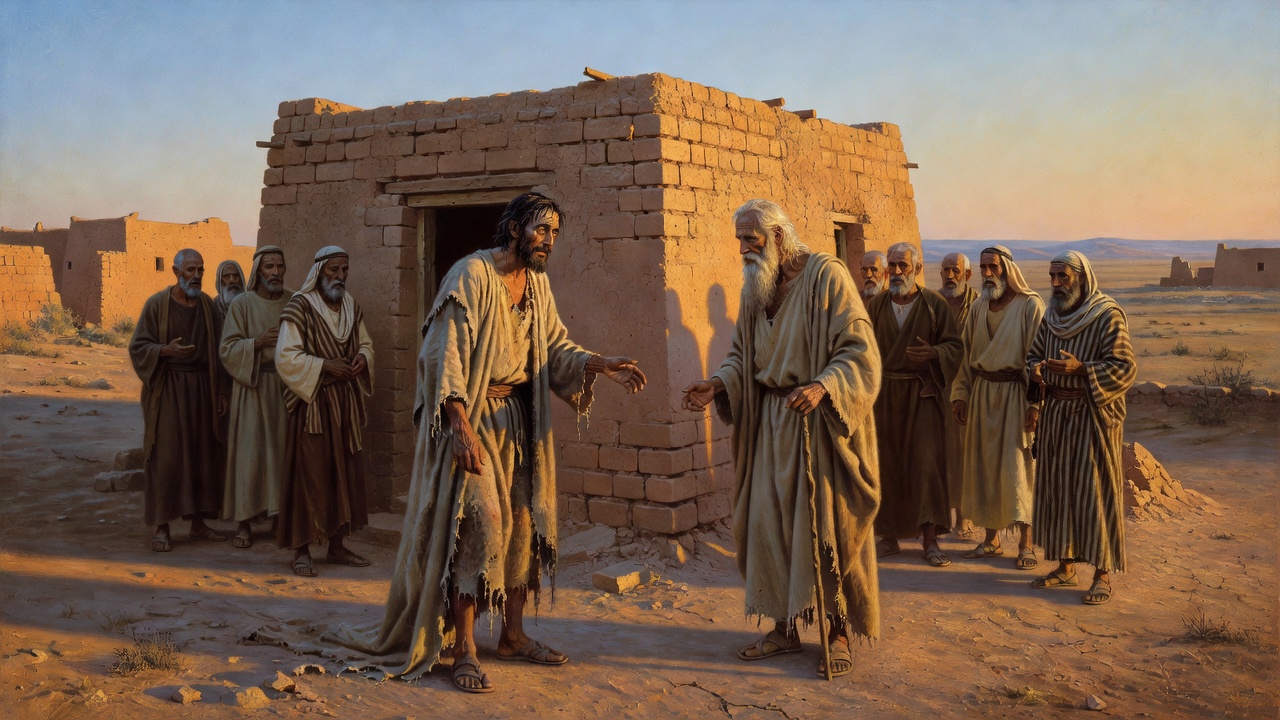
- Nos tempos antigos, um atalaia posicionado sobre a muralha da cidade tinha o dever de tocar o chifre de carneiro para alertar os moradores sobre a aproximação de um inimigo. Ezequiel foi constituído como um atalaia espiritual para Israel, encarregado de advertir o povo para que cada indivíduo prestasse contas pessoalmente a Deus por suas ações.Fontes: o próprio texto bíblico
- No décimo segundo ano do exílio babilônico, um fugitivo chegou de Jerusalém com a notícia de que a cidade havia caído. Na véspera da chegada do mensageiro, Deus pôs fim à mudez de Ezequiel, permitindo-lhe falar abertamente outra vez à comunidade de exilados.Fontes: o próprio texto bíblico · Jerusalem
- Os sobreviventes que viviam entre as ruínas na terra de Israel reivindicavam a posse da terra citando Abraão, argumentando que se um único homem a herdou, eles, sendo muitos, certamente a possuiriam. Ezequiel respondeu que a idolatria contínua, o derramamento de sangue e a injustiça os desqualificavam para habitar nela.Fontes: o próprio texto bíblico · Abraham
Notas escritas com auxílio de IA a partir de fontes abertas (Theographic Bible Metadata, CC BY-SA 4.0; Easton’s Bible Dictionary, domínio público) e revisadas antes de publicar.
Lugares deste capítulo
- Jerusalem · 31.777, 35.234 · versículo 21
Só aparecem lugares com identificação de alta confiança (90% ou mais segundo as fontes acadêmicas reunidas pelo OpenBible). Mapa da época: DARE (Digital Atlas of the Roman Empire), CC BY 4.0; mapa atual: © colaboradores do OpenStreetMap; lugares: OpenBible.info (CC BY 4.0).
Créditos e licença desta tradução
Luda yã takada kũ Bisã yão
Portions of the Holy Bible in the Busa language of Nigeria
copyright © 2005 SIM International
Language: Bisã (Busa)
Translation by: SIM
This translation text is made available to you under the
terms of the Creative Commons License: Attribution-Noncommercial-No Derivative Works.
( http://creativecommons.org/licenses/by-nc-nd/3.0/ )
In addition, you have permission to port the text to different file formats, as long as you
do not change any of the text or punctuation of the Bible.
You may share, copy, distribute, transmit, and extract portions
or quotations from this work, provided that you include the above copyright
information:
You must give Attribution to the work.
You do not sell this work for a profit.
You do not make any derivative works that change any of the actual words or punctuation of the Scriptures.
Permissions beyond the scope of this license may be
available if you contact
us with your request.
This translation is made available to you under the terms of the
Creative Commons Attribution-Noncommercial-No Derivatives license 4.0.
You may share and redistribute this Bible translation or extracts from it in any format, provided that:
You include the above copyright and source information.
You do not sell this work for a profit.
You do not change any of the words or punctuation of the Scriptures.
Pictures included with Scriptures and other documents on this site are licensed just for use with those Scriptures and documents.
For other uses, please contact the respective copyright owners.
2014-10-10
Fonte: http://ebible.org/bqp/ · eBible.org