Ezequiel 3
Luda yã takada kũ Bisã yão · Toque num versículo para ver as referências cruzadas.
1U mɑɑ nɛɛ, tɔnun bii, ɑ tire teni temwɔ kpɑ ɑ dɑ ɑ kɑ Isirelibɑ gɑri ko.
2Ye u nɔɔ wukiɑ, yerɑ Gusunɔ u tire te kpɛ̃ɛ mi, u derɑ u tu temɑ. 3Mɑ u nɛɛ, tɔnun bii, ɑ wunɛn nukuru yibio kpɑ ɑ wunɛn wɑsi diisiɑ kɑ tire te nɑ nun wɛ̃ mi.
Ye u tire te temɑ, mɑ tɑ nùn dore nge tim.
4Yerɑ u mɑɑ nɛɛ, Esekiɛli, ɑ seewo ɑ dɑ Isirelibɑn mi kpɑ ɑ bu nɛn gɑri sɔ̃. 5N ǹ mɔ nɑ nun gɔriɔ bwese tuku dɑbinun mi, nìn bɑrum mu nɔɔbu sɛ̃, ɑ ǹ mɑɑ kpɛ̃ ɑ ben gɑri tubu. Adɑmɑ Isirelibɑn miyɑ nɑ nun gɔriɔ. Nɑ̀ n dɑɑ nun gɔrɑ bwese tuku nin mi, nu koo nun swɑɑ dɑki, 7ɑdɑmɑ wee, Isirelibɑ bɑ ǹ nun swɑɑ dɑkimɔ. Domi bɑ ǹ kĩ bu nɛn gere nɔ yèn sɔ̃ be kpuro bɑ swɑɑ tɑu mɑ ben gɔ̃ru gɑ bɔɔbu. 8Yen sɔ̃, kon mɑɑ wunɛn tii bɔbiɑsiɑ kpɑ ɑ swɑɑ tɑɑyɑ nge be, 9ɑ n gɔ̃ru bɔ nge kperu. A ku bɛrum ko ben swɑɑ tɑɑ bin sɔ̃. Domi bɑ sɑ̃ɑwɑ bwese te tɑ ku rɑ mɛm nɔ.
10Mɑ u mɑɑ kpɑm nɛɛ, Esekiɛli, ɑ swɑɑ dɑkio ɑ nɔ kpɑ ɑ gɑri yi kon nun sɔ̃ nɛnɛ wunɛn gɔ̃ruɔ. 11Yen biru, kpɑ ɑ dɑ ɑ wunɛn mɛro bisibu deemɑ mi bɑ yoru dimɔ. Bɑ nun swɑɑ dɑki? Bɑ ǹ nun swɑɑ dɑki? A gesi bu sɔ̃ɔwɔ mɑ nɛnɑ nɑ kɑ bu gɑri mɔ̀.
12Yerɑ Gusunɔn Hunde u Esekiɛli suɑ mɑ u nɔɔgiru nuɑ win biruɔ tɑ gerumɔ kɑ dɑm tɑ mɔ̀, bu Yinni Gusunɔ siɑro mi u wɑ̃ɑ u win yiiko bɑkɑ sɔ̃ɔsimɔ.
13Mɑ u hunde koni ben kɑsɑn wɔkinu nɔɔmɔ yɑ soonɑmɔ kɑ sere mɑɑ ben uruubɑn wɔkinu. Wɔki ni, nu kpɛ̃ɑ n bɑndɑ. 14Gusunɔn Hunde wi u nùn suɑ mi, u kɑ nùn doonɑ, mɑ win dɑm nùn nɛnuɑ. Mɑ Esekiɛlin mɔru seewɑ u burisinɑ. 15U turɑ Tɛli Abibuɔ, Kebɑrin dɑɑrun bɔkuɔ mi yoo be, bɑ wɑ̃ɑ. Mɑ u sinɑ kɑ biti bɑkɑ ben suunu sɔɔ sɔ̃ɔ nɔɔbɑ yiru.
Esekiɛli koo Isirelibɑ kirɔ ko
16Sɔ̃ɔ nɔɔbɑ yiru yen biru, Yinni Gusunɔ u Esekiɛli sɔ̃ɔwɑ u nɛɛ, 17wunɛ tɔnun bii, kon de ɑ Isirelibɑ nɔni doke. Kɑɑ n dɑ nɛn gɑri swɑɑ dɑki kpɑ ɑ kɑ bu kirɔ ko. 18Nɛ, Yinni Gusunɔ, nɑ̀ n tɛ̃ nɛɛ, tɔn kɔ̃so goo u koo gbi, mɑ ɑ ǹ nùn kirɔ kue u win dɑɑ kɔ̃sɑ ye deri u kɑ win wɑ̃ɑru wɔrɑ, tɔn kɔ̃so wi, u koo gbiwɑ win dɑɑ yen sɔ̃. Wunɑ kon mɑɑ win yɛm bikiɑ. 19Adɑmɑ ɑ̀ n nùn kirɔ kuɑ, mɑ u ǹ win dɑɑ kɔ̃sɑ ye deri, u koo gbiwɑ win dɑɑ kɔ̃sɑ yen sɔ̃ kpɑ wunɛ ɑ wunɛn wɑ̃ɑru wɔrɑ. 20Gemgii ù n gem deri u kɔ̃sɑ kuɑ mɑ ɑ ǹ nùn kirɔ kue, mɑ nɑ nùn yinɑ bɛriɑ, u koo gbiwɑ kɔ̃sɑ yen sɔ̃. Nɑ ǹ win yellun dɑɑ geɑ gɑrisimɔ, ɑdɑmɑ wunɑ kon win yɛm bikiɑ. 21À n mɑɑ nùn kirɔ kuɑ u ku kɑ durum ko, mɑ u ǹ durum ye kue, u ǹ gbimɔ. Wunɛn tii ɑ mɑɑ wunɛn wɑ̃ɑru wɔrɑwɑ mi, domi ɑ nùn kirɔ kuɑ.
Esekiɛli
kun mɑɑ kpɛ̃ u gɑri ko
22Yinni Gusunɔn dɑm mu Esekiɛli yɔɔwɑ mɑ u nùn sɔ̃ɔwɑ u nɛɛ, ɑ seewo ɑ dɑ wɔwɑɔ. Miyɑ kon nun gɑri sɔ̃.
23Mɑ u seewɑ u dɑ wɔwɑ mi. Mɑ u Gusunɔn yiikon girimɑ wɑ nge sɑnɑm mɛ u rɑɑ wɑ̃ɑ Kebɑrin dɑɑrun bɔku mi. Mɑ u yiirɑ kɑ dɑm u siriru tem girɑri. 24Yerɑ Gusunɔn Hunde u mɑɑ nùn yɔɔwɑ. Mɑ u nùn seeyɑ u yɔ̃rɑsiɑ. Sɑɑ ye sɔɔrɑ Yinni Gusunɔ u nɛɛ, ɑ doo ɑ tii kɛnusi wunɛn dirɔ. 25Mɛyɑ bɑ koo nun bɔke kpɑ ɑ kpɑnɑ ɑ yɑri tɔɔwɔ, tɔmbu bu nun wɑ. 26Kon de wunɛn yɑrɑ yu wunɛn dɑro mɑni kpɑ ɑ kpɑnɑ ɑ gɑri ko. Mɛyɑ ɑ ǹ kɑɑ kpĩ ɑ mɑɑ bu gerusi be, be bɑ ku rɑ mɛm nɔ mi. 27Adɑmɑ nɑ̀ n kɑ nun gɑri kuɑ, kon wunɛn nɔɔ wukiɑ. Sɑɑ ye sɔɔrɑ kɑɑ tɔn be sɔ̃ ɑ nɛɛ, ɑmɛniwɑ nɛ, Yinni Gusunɔ nɑ geruɑ. Adɑmɑ ben gɑbɑ bɑ koo nun swɑɑ dɑki, gɑbɑ kun mɑɑ nun swɑɑ dɑkimɔ. Domi bɑ sɑ̃ɑwɑ bwese te tɑ ku rɑ mɛm nɔ.
Você sabia?
O comissionamento de Ezequiel e os exilados em Tel-Abibe
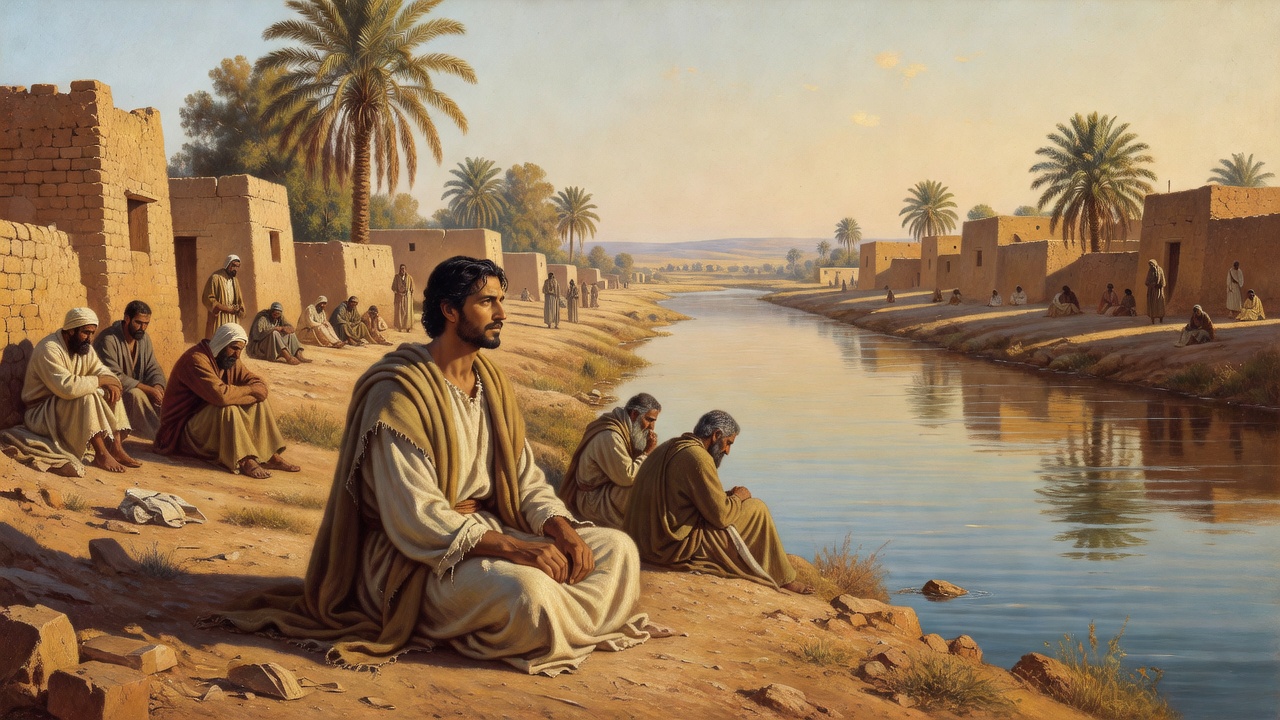
- Tel-Abibe, onde Ezequiel morava entre os cativos judeus, era um povoado situado junto ao rio Quebar, na Babilônia. Muitos estudiosos identificam o Quebar não como um rio natural, mas como uma grande rede de canais babilônicos, como o canal real da Mesopotâmia.Fontes: Chebar · Tel-abib · o próprio texto bíblico
- Nas cidades antigas, a sentinela ficava posicionada sobre as muralhas para vigiar o horizonte e avisar os moradores sobre perigos iminentes. Deus utilizou essa função como metáfora para o dever profético de Ezequiel, responsabilizando-o caso não transmitisse o aviso aos ímpios.Fontes: o próprio texto bíblico
- Antes de falar aos seus compatriotas exilados, Ezequiel comeu um rolo com mensagens divinas, que era doce como mel em sua boca, e permaneceu atônito entre eles durante sete dias.Fontes: o próprio texto bíblico
Notas escritas com auxílio de IA a partir de fontes abertas (Theographic Bible Metadata, CC BY-SA 4.0; Easton’s Bible Dictionary, domínio público) e revisadas antes de publicar.
Créditos e licença desta tradução
Luda yã takada kũ Bisã yão
Portions of the Holy Bible in the Busa language of Nigeria
copyright © 2005 SIM International
Language: Bisã (Busa)
Translation by: SIM
This translation text is made available to you under the
terms of the Creative Commons License: Attribution-Noncommercial-No Derivative Works.
( http://creativecommons.org/licenses/by-nc-nd/3.0/ )
In addition, you have permission to port the text to different file formats, as long as you
do not change any of the text or punctuation of the Bible.
You may share, copy, distribute, transmit, and extract portions
or quotations from this work, provided that you include the above copyright
information:
You must give Attribution to the work.
You do not sell this work for a profit.
You do not make any derivative works that change any of the actual words or punctuation of the Scriptures.
Permissions beyond the scope of this license may be
available if you contact
us with your request.
This translation is made available to you under the terms of the
Creative Commons Attribution-Noncommercial-No Derivatives license 4.0.
You may share and redistribute this Bible translation or extracts from it in any format, provided that:
You include the above copyright and source information.
You do not sell this work for a profit.
You do not change any of the words or punctuation of the Scriptures.
Pictures included with Scriptures and other documents on this site are licensed just for use with those Scriptures and documents.
For other uses, please contact the respective copyright owners.
2014-10-10
Fonte: http://ebible.org/bqp/ · eBible.org