Êxodo 8
Luda yã takada kũ Bisã yão · Toque num versículo para ver as referências cruzadas.
Blↄ̀nↄ dagulanaa
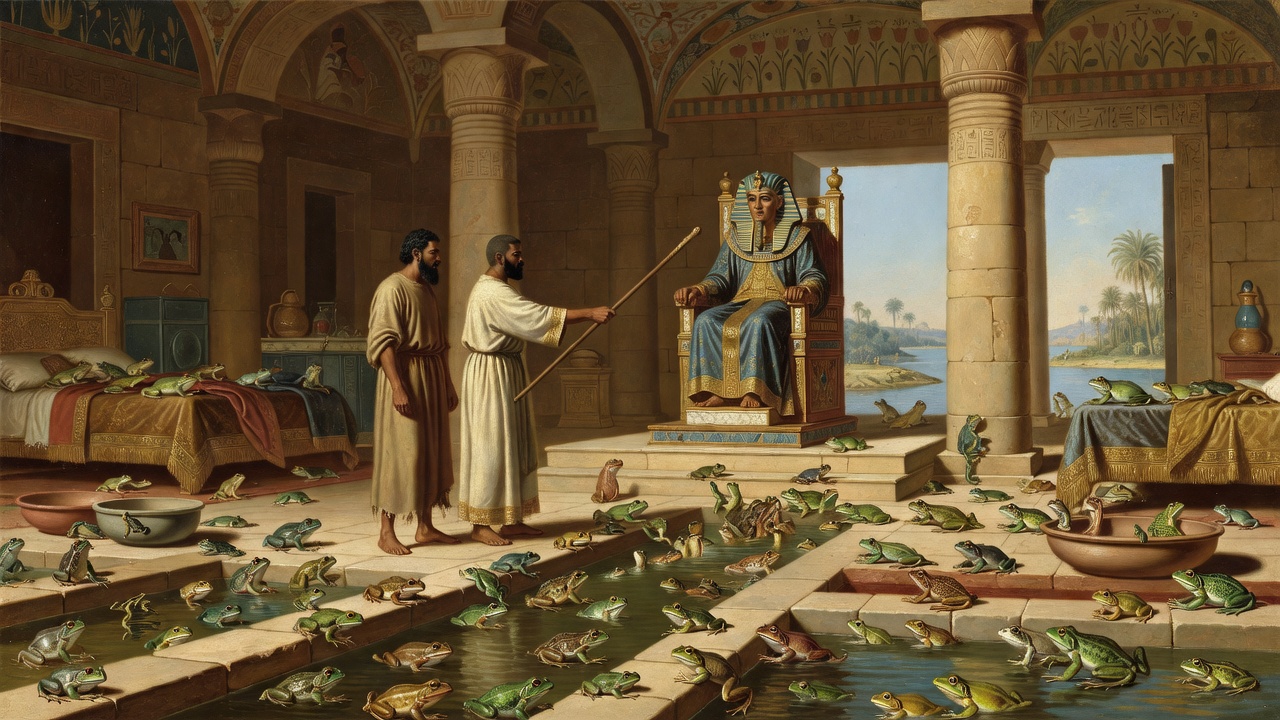
1Akũ Dikiri pì Musanɛ: Ǹ gɛ́ ǹ o Firi'aunanɛ, makũ Dikiri ma pì à ma gbɛ̃nↄ gbarɛ ò gɛ́ donyĩ kɛmɛnɛ. 2Tó à gì ń gbarɛi sↄ̃, mani tó blↄ̀nↄ da a bùsu gu sĩnda pínki la. 3Blↄ̀nↄ ni Nili pa ari ò bikũ bara, ò gɛ̃ a ↄnn ari a kpɛ́n, ò didi a gádoa. Ò gɛ̃ a ìbanↄ ↄnnↄ gũn kũ a gbɛ̃nↄ ↄnnↄ. Ò ká a kĩninↄ kũ a gónↄ gũn. 4Blↄ̀nↄ ni didia kũ a gbɛ̃nↄ kũ a ìbanↄ ń pínki.
5Dikiri ɛ̀ra à pì Musanɛ: Ǹ o Harunanɛ à a gò sɛ́ à dↄ swanↄla kũ swa'ↄnɛnↄ kũ ísɛ̃bokinↄ, blↄ̀nↄ ni da Misila bùsula. 6Kũ Haruna a gòo dↄ̀ Misila ínↄla, akũ blↄ̀nↄ bↄ̀tɛ ò dà bùsuu pìla. 7Akũ ɛzɛde pìnↄ kɛ̀ lɛ se ń ɛzɛdekɛ gũn, ò tò blↄ̀nↄ dà Misilala.
8Akũ Firi'auna Musa kũ Harunao sìsi à pì: À kútɛ kɛ Dikirinɛ à blↄ̀nↄ kɛ̃ma kũ ma gbɛ̃nↄ, mani á gbɛ̃nↄ gbarɛ ò gɛ́ sa oa. 9Akũ Musa pì Firi'aunanɛ: Ǹ gↄrↄ ditɛmɛnɛ mà kútɛ kɛnnɛ Dikirinɛ kũ n ìbanↄ kũ n gbɛ̃nↄ, de à blↄ̀nↄ kɛ̃mma kũ n ↄnnↄ ògↄ̃ kú swai ado. 10Firi'auna pì: Zia. Akũ Musa pì: Ani kɛ lákũ n ò nà, de ǹgↄ̃ dↄ̃ kũ gbɛ̃ke de lán Dikiri ó Luda bàro. 11Blↄ̀nↄ ni kɛ̃mma kũ n ↄnnↄ kũ n ìbanↄ kũ n gbɛ̃nↄ ògↄ̃ kú swai ado.
12Kũ Musa kũ Harunao bò Firi'auna kĩnaa, Musa wɛ́ kɛ̀ Dikiria blↄ̀ kũ ò dà Firi'aunalanↄ yã musu. 13Dikiri Musa wɛ́kɛ sì, akũ blↄ̀nↄ gàga kpɛ́nↄ gũn kũ ↄnnↄ kũ buranↄ. 14Ò ń kákara, akũ bùsu gbĩ sↄ̃̀ pínki. 15Kũ Firi'auna è à kɛ̀ sã̀na, a sã kpɛ́ gbãna, akũ à gì Musa kũ Harunao yã mai lákũ Dikiri ò nà.
Sàa dagulanaa
16Dikiri pì Musanɛ: Ǹ o Harunanɛ à a gò sɛ́ à zĩtɛ lɛ́o, bùsutiti ni li sàa ũ Misila gu sĩnda pínkia. 17Akũ ò kɛ̀ lɛ. Haruna a gòo sɛ̀ à zĩtɛ lɛ̀o, akũ bùsutiti lì sàanↄ ũ, ò dà bisãsirinↄla kũ nↄ̀bↄnↄ. Misila bùsutiti lì sàanↄ ũ pínki. 18Ɛzɛdenↄ yↄ̃̀ ò gwà se ń ɛzɛdekɛ gũn, akũ ò fùa. Sàanↄ dà bisãsirinↄla kũ nↄ̀bↄnↄ. 19Akũ ɛzɛdenↄ pì Firi'aunanɛ: Luda ↄgbɛɛmɛ. Ama Firi'auna sã kpɛ́ gbãna, à gì ń yã mai lákũ Dikiri ò nà.
Ífĩninↄ dagulanaa
20Dikiri pì Musanɛ: Ǹ futɛ kↄnkↄkↄnkↄ ǹ gɛ́ ǹ Firi'auna le gↄrↄ kũ àtɛn gɛ́ swai, ǹ onɛ makũ Dikiri ma ò, à ma gbɛ̃nↄ gbarɛ ò gɛ́ donyĩ kɛmɛnɛ. 21Tó à gì ń gbarɛi, mani ífĩninↄ daala kũ a ìbanↄ kũ a gbɛ̃nↄ kũ a kpɛ́nↄ. Misila kpɛ́nↄ ni pa kũ ífĩninↄ, bee zĩtɛ oni daala. 22Gↄrↄ birea mani Gosɛ̃ bùsu gu kũ ma gbɛ̃nↄn kun bo ado. Gwen ífĩninↄ ni dan gularo, de àgↄ̃ dↄ̃ kũ makũmɛ Dikiri ũ a bùsun. 23Mani ma gbɛ̃nↄ dↄ̃kↄ̃nɛ kũ a gbɛ̃nↄ. Zian sèedaa pì ni kɛ.
24Akũ Dikiri kɛ̀ lɛ. Ífĩninↄ kà Firi'auna ↄnn kũ a ìbanↄ ↄnnↄo. Misila yàka pínki ífĩninↄ yãi. 25Akũ Firi'auna Musa kũ Harunao sìsi à pì: À gɛ́ sa o á Ludaa bùsun la. 26Akũ Musa pìnɛ: Ani sí kɛ ò kɛ lɛro, zaakũ pↄ́ kũ óni sa o Dikiri ó Ludaa pì de Misilanↄnɛ tɛ̃̀ ũmɛ. Tó o sa ò kũ pↄ́ kũ à deńnɛ tɛ̃̀ ũo ń wára, oni ó pápa kũ gbɛ̀ɛo ò ó dɛdɛroo? 27Óni táa o gbárannan gↄrↄ aakↄ̃mɛ, gbasa ò sa o Dikiri ó Ludaa lákũ à òwɛrɛ nà. 28Akũ Firi'auna pì: Mani á gbarɛ à gɛ́ sa o Dikiri a Ludaa gbárannan, ama àsun gɛ́ zã̀ro. À kútɛ kɛnɛmɛnɛ. 29Musa pìnɛ: Tó ma ta, mani kútɛ kɛnɛ, ani ífĩninↄ kɛ̃mma zia kũ n ìbanↄ kũ n gbɛ̃nↄ. Ama ǹsun manafiki kɛ doro. Ǹ tó gbɛ̃nↄ gɛ́ sa o Dikiria. 30Kũ Musa bò Firi'auna kĩnaa, a kútɛ kɛ̀nɛ Dikirinɛ. 31Dikiri a wɛ́kɛ sì, akũ ífĩninↄ kɛ̃̀ Firi'aunaa kũ a ìbanↄ kũ a gbɛ̃nↄ. Adi gↄ̃ gukearo, bee mɛ̀n do. 32Ama Firi'auna sã kpɛ́ gbãna ari tera, à gì ń gbarɛi.
Você sabia?
Três pragas sobre o Egito
- As rãs deste capítulo sobem do Nilo, um nome que o Antigo Testamento não usa. O Easton's Bible Dictionary diz que o rio aparece como Sihor, “a corrente negra”, ou simplesmente “o rio”, e que o Nilo Branco e o Nilo Azul se unem em Cartum, percorrem em seguida 1.800 milhas e entram no Mediterrâneo por dois braços. Arão estende o cajado sobre os rios, os canais e as lagoas, e as rãs cobrem a terra do Egito.Fontes: Nile · o próprio texto bíblico
- Quando as moscas enchem as casas dos egípcios e arruínam a terra, o capítulo diz que nenhuma será encontrada em Gósen, onde vivem os israelitas, como distinção entre os dois povos. O Easton's Bible Dictionary descreve Gósen como um distrito a leste do Nilo, aparentemente não longe da residência real, também chamado terra de Ramessés porque Pitom e Ramessés ficavam dentro de suas fronteiras, e também associa o distrito a Zoã, ou Tânis. O mesmo verbete a chama de “o melhor da terra”.Fontes: Goshen · o próprio texto bíblico
- Moisés e Arão falam com o faraó pessoalmente. O Easton's Bible Dictionary (1897) situa o faraó do Êxodo em Zoã, cenário das entrevistas com eles registradas em Êxodo, mas deixa a identidade em aberto entre Menephtah, ali chamado o décimo quarto e mais velho filho sobrevivente de Ramessés II, e Seti II, e acrescenta que alguns consideram que as evidências favorecem Seti II.Fontes: Pharaoh (of the Exodus) · o próprio texto bíblico
Notas escritas com auxílio de IA a partir de fontes abertas (Theographic Bible Metadata, CC BY-SA 4.0; Easton’s Bible Dictionary, domínio público) e revisadas antes de publicar.
Lugares deste capítulo
- Nile · Hoje: Nile River · 31.465, 30.367 · versículos 3, 9, 11
- Egypt · 30.129, 31.308 · versículos 5, 6, 7, 16, 17, 21, 24
- Goshen · Hoje: Goshen 1 · 30.799, 31.834 · versículo 22
Só aparecem lugares com identificação de alta confiança (90% ou mais segundo as fontes acadêmicas reunidas pelo OpenBible). Mapa da época: DARE (Digital Atlas of the Roman Empire), CC BY 4.0; mapa atual: © colaboradores do OpenStreetMap; lugares: OpenBible.info (CC BY 4.0).
Créditos e licença desta tradução
Luda yã takada kũ Bisã yão
Portions of the Holy Bible in the Busa language of Nigeria
copyright © 2005 SIM International
Language: Bisã (Busa)
Translation by: SIM
This translation text is made available to you under the
terms of the Creative Commons License: Attribution-Noncommercial-No Derivative Works.
( http://creativecommons.org/licenses/by-nc-nd/3.0/ )
In addition, you have permission to port the text to different file formats, as long as you
do not change any of the text or punctuation of the Bible.
You may share, copy, distribute, transmit, and extract portions
or quotations from this work, provided that you include the above copyright
information:
You must give Attribution to the work.
You do not sell this work for a profit.
You do not make any derivative works that change any of the actual words or punctuation of the Scriptures.
Permissions beyond the scope of this license may be
available if you contact
us with your request.
This translation is made available to you under the terms of the
Creative Commons Attribution-Noncommercial-No Derivatives license 4.0.
You may share and redistribute this Bible translation or extracts from it in any format, provided that:
You include the above copyright and source information.
You do not sell this work for a profit.
You do not change any of the words or punctuation of the Scriptures.
Pictures included with Scriptures and other documents on this site are licensed just for use with those Scriptures and documents.
For other uses, please contact the respective copyright owners.
2014-10-10
Fonte: http://ebible.org/bqp/ · eBible.org