Daniel 4
Luda yã takada kũ Bisã yão · Toque num versículo para ver as referências cruzadas.
1Nɛ, Nɛbukɑnɛsɑɑ, nɑ wɑ̃ɑ nɛn sinɑ kpɑɑrɔ kɑ bɔri yɛndu kɑ nuku dobu. 2Yerɑ wɔ̃kuru gɑru sɔɔ, nɑ dosu gɑgu kuɑ ge gɑ mɑn bɛrum mwɑ. Kɑ̃si ni nɑ wɑ sɑnɑm mɛ nɑ kpĩ, nu mɑn nɑnum mwɑ. 3Yen sɔ̃nɑ nɑ woodɑ yɑrɑ nɑ nɛɛ, Bɑbilonin bwisigibu kpuro bu mɛnnɑmɑ nɛn mi kpɑ bu mɑn dosu ge tubusiɑ. 4Yerɑ dobo dobogibu kɑ sɔrobu kɑ bũu sinɑmbu kɑ Bɑbilonin bwisigibu bɑ nɑ. Nɑ bu dosu ge sɔ̃ɔwɑ, ɑdɑmɑ bɑ kpɑnɑ bu mɑn gu tubusiɑ. 5Yen biru, Dɑniɛli wi bɑ sokumɔ kɑ nɛn bũun yĩsiru Bɛlitɑsɑɑ u nɑ. N deemɑ bũu geebɑ kɑ nùn wɑ̃ɑ. Mɑ nɑ nùn nɛn dosu ge sɔ̃ɔwɑ. 6Nɑ nɛɛ, wi, wi u sɑ̃ɑ bwisigibu kpuron wirugii, nɑ yɛ̃ mɑ bũu geebun hunde yɑ nùn wɑ̃ɑsi. Yen sɔ̃, ɑsiri gɑɑ sɑri ye yɑ kɑ nùn sɛ̃. Nɛn dosu ge wee. U mɑn gu tubusio. 7Sɑnɑm mɛ nɑ kpĩ, ye nɑ dosɑ wee.
Dɑ̃ru gɑrɑ nɑ wɑ tɑ yɔ̃ hɑnduniɑn suunu sɔɔ.
Dɑ̃ɑ te, tɑ gunu too.
8Mɑ tɑ dɑm mɔ.
Ten gunum mu sosi sere mu wɔllu girɑri.
Hɑnduniɑn goonu nnɛgibu kpuro bɑ tu wɑɑmɔwɑ.
9Ten wurusu wɑ̃
mɑ tɑ mɑrɑ siki siki nge gɑndiɑ.
Te sɔɔrɑ hɑnduniɑgibu kpuro bɑ rɑ ben dĩɑnu wɑ.
Ten sɑɑrɔwɑ gbeeku yɛɛ yi rɑ sɔ̃ɔ sure.
Ten kɑ̃ɑsi wɔllɔwɑ gunɔsu su sokunu sɑ̃ɑ.
Te sɔɔrɑ hunde koni bɑɑyere yɑ rɑ yen dĩɑnu wɑ.
10Mɑ nɑ Gusunɔn gɔrɑdo goo wɑ u sɑrɑmɑ wɔllun di. 11U nɔɔgiru suɑ u nɛɛ,
i dɑ̃ɑ te kĩiyɔ i surɑ
kpɑ i ten kɑ̃ɑsi bɔɔri bɔɔri.
I ten wurusu wɔko
kpɑ i ten mɑrum sɔri i yɑri.
Kpɑ gbeeku yɛɛ yi duki su sɑɑ ten sɑɑrun di.
Kpɑ gunɔsu su se sɑɑ ten kɑ̃ɑsin di.
12Adɑmɑ i ten koo kpiriru derio tem sɔɔ
kɑ ten gbini yɑkɑsɔ
tɑ n bɔkuɑ kɑ sisu kɑ sii gɑndun yɔni.
Kpɑ tɑ n dirum soore
tɑ n yɑkɑsu dimɔ nge gbeeku yɛɛ.
13Bu tu tɔnun bwisikunu wunɑrio.
Kpɑ bu tu gbeeku yɑɑn bwisikunu dokeɑ.
Kpɑ tɑ n sɑ̃ɑ mɛ wɔ̃ɔ nɔɔbɑ yiru.
14Woodɑ ye, yɑ weewɑ sɑɑ Gusunɔn gɔrɑdobɑn min di kpɑ tɔmbu kpuro bu kɑ giɑ mɑ Wɔrukoowɑ u bɑnnu kpuro nɛni. Wi u kĩwɑ u rɑ nu wɛ̃. U rɑ wi bɑ ǹ mɑm gɑrisi gɑ̃ɑnu wɔlle sue.
15Dosu gerɑ mi, ge nɛ, Nɛbukɑnɛsɑɑ nɑ dosɑ. Tɛ̃, wunɛ Bɛlitɑsɑɑ, ɑ mɑn gu tubusio domi bwisigii be bɑ wɑ̃ɑ nɛn tem mɛ sɔɔ kpuro bɑ kpɑnɑ bu mɑn gu tubusiɑ. Adɑmɑ wunɛ, kɑɑ kpĩ yèn sɔ̃ bũu geebɑ kɑ nun wɑ̃ɑ.
Dɑniɛli u dosu ge tubusiɑ
16Yerɑ Dɑniɛli wi bɑ mɑɑ sokumɔ Bɛlitɑsɑɑ u nɑndɑ. Mɑ u biti soorɑ sɑɑ fiiko. Mɑ Nɛbukɑnɛsɑɑ u nɛɛ, Bɛlitɑsɑɑ, ɑ ku de dosu ge, kɑ gen tubusiɑnu nu nun biti ko.
Dɑniɛli u wisɑ u nɛɛ, yinni, dosu gen tubusiɑnu nu kɑ wunɛn yibɛrɛbɑ nɛrɑ. 17A dɑ̃ru wɑ tɑ kpɑ̃. Mɑ tɑ dɑm mɔ. Ten gunum mu girɑri wɔllɔ. Mɑ bɑ tu wɑɑmɔ hɑnduniɑ girɑ kpuro. 18Ten wurusu wɑ̃. Mɑ tɑ binu mɑrɑ siki siki. Mɑ hɑnduniɑgibu kpuro bɑ ben dĩɑnu wɑɑmɔ te sɔɔ. Gbeeku yɛɛ yi rɑ n wɑ̃ɑ ten sɑɑrɔ. Gunɔsu su mɑɑ sin sokunu mɔ ten kɑ̃ɑsi wɔllɔ. 19Dɑ̃ɑ te, tɑ sɑ̃ɑwɑ wunɛ sinɑ boko. Domi ɑ kpɛ̃ɑ ɑ dɑm kuɑ mɑ mu wɔllu girɑri. Mɑ wunɛn bɑndun dɑm mu sɔ̃ɔsirɑ hɑnduniɑn goonu nnɛ sɔɔ. 20Yen biru, ɑ Gusunɔn gɔrɑdo goo wɑ u sɑrɑmɑ wɔllun di mɑ u nɛɛ, i dɑ̃ɑ te kĩiyɔ i surɑ tu kɑm ko. Adɑmɑ i ten koo kpiriru derio tem sɔɔ mi, kɑ ten gbini tɑ n bɔkuɑ kɑ sisu, kɑ sii gɑndun yɔni yɑkɑsu mi. Kpɑ tɑ n dirum soore tɑ n yɑkɑsu dimɔ nge gbeeku yɛɛ sere wɔ̃ɔ nɔɔbɑ yiru. 21Nɛn yinni, dosu gen tubusiɑnu wee. Wɔrukoowɑ u nun win himbɑ sɔ̃ɔsi ye u kuɑ wunɛn sɔ̃. 22Bɑ koo nun girɑ tɔmbun suunu sɔɔn di. Kpɑ ɑ n wɑ̃ɑ kɑ gbeeku yɛɛ sɑnnu. Kpɑ ɑ yɑkɑsu di nge nɑɑ, ɑ n dirum soore sere wɔ̃ɔ nɔɔbɑ yiru sere ɑ kɑ giɑ mɑ Wɔrukoowɑ u bɑnnu kpuro nɛni. Wi u kĩwɑ u rɑ mɑɑ nu wɛ̃. 23Woodɑ ye bɑ wɛ̃ bɑ nɛɛ, bu dɑ̃ɑ ten koo kpiriru kɑ ten gbini derio mi, yen tubusiɑnɑ bɑ koo nun wunɛn bɑndu wesiɑ sɑɑ ye ɑ wurɑ mɑ Wɔrukoowɑ u bɑnnu kpuro nɛni. 24Yen sɔ̃, sinɑ boko, ɑ de ɑ nɛn gere wurɑ. A de ɑ geɑ ko ɑ kɑ wunɛn durum wunɑ. A dɑɑ kɔ̃sɑ kpuro derio kpɑ ɑ sɑ̃ɑrobu wɔnwɔndu kuɑ. Sɑɑ yerɑ wunɛn ɑlɑfiɑ yɑ koo dɑkɑɑ dɑ.
Dosu gen gɑri yi koorɑ
25Yenibɑ kpuro yɑ sinɑ boko Nɛbukɑnɛsɑɑ deemɑ. 26Ye n kuɑ suru wɔkurɑ yirun biru, sɔ̃ɔ teeru yerɑ u sĩimɔ win dii tɛɛrɑ wɔllɔ Bɑbiloniɔ. 27Mɑ u nɛɛ, Bɑbiloni wee, wuu bɔkɔ ge nɑ bɑnɑ kɑ nɛn tiin dɑm gɑ n kɑ sɑ̃ɑ nɛn sinɑ kpɑɑru. Gɑ mɑɑ nɛn yiiko kɑ nɛn bɛɛrɛ sɔ̃ɔsimɔ.
28Sɑnɑm mɛ sinɑ boko u gɑri yi gerumɔ u ǹ kpɑ, yerɑ nɔɔ gɑgɑ nɔɔrɑ wɔllun di gɑ nɛɛ, sinɑ boko Nɛbukɑnɛsɑɑ, ɑ swɑɑ dɑkio ɑ nɔ. Bɑ nun bɑndu yɑrɑ. 29Bɑ koo nun girɑ tɔmbun suunu sɔɔn di. Kpɑ ɑ n wɑ̃ɑ kɑ gbeeku yɛɛ sɑnnu kpɑ ɑ n yɑkɑsu dimɔ nge nɑɑ sere wɔ̃ɔ nɔɔbɑ yiru sere ɑ kɑ wurɑ mɑ Wɔrukoowɑ u bɑnnu kpuro nɛni. Wi u kĩwɑ u rɑ mɑɑ nu wɛ̃.
30Yɑnde gɑri yi, yi Nɛbukɑnɛsɑɑ deemɑ. Bɑ nùn girɑ tɔmbun suunu sɔɔn di. Mɑ u yɑkɑsu dim wɔri nge nɑɑ u dirum soore. Mɑ win seri dɛnyɑ nge gunɔ bɑkerun sɑnsu. Mɑ win nii kɔkɔsu su dɛnyɑ nge gunɔgisu.
Nɛbukɑnɛsɑɑ
u mɑɑ wure u kuɑ tɔnu
31Mɑ Nɛbukɑnɛsɑɑ u nɛɛ, ye sɑɑ ye, yɑ doonɑ, yerɑ nɑ nɔni seeyɑ wɔllɔ. Mɑ nɛn bwisikunu wure nu kuɑ tɔnuginu. Mɑ nɑ Wɔrukoo siɑrɑ kɑ bɛɛrɛ wi u wɑ̃ɑ sere kɑ bɑɑdommɑɔ. Wiyɑ u yiiko kpuro mɔ. Win sinɑndɑ kun nɔru mɔ. Win bɑndu tɑ ko n wɑ̃ɑwɑ sere kɑ bɑɑdommɑɔ. 32Bɑɑ hɑnduniɑn tɔmbu kpuro bɑ̀ n mɛnnɑ, ben dɑm kun sɑ̃ɑ gɑ̃ɑnu win nɔni sɔɔ. U rɑ ko nge mɛ u kĩ win gɔrɑdobɑn suunu sɔɔ kɑ tɔmbun suunu sɔɔ. Goo sɑri wi u koo kpĩ u win nɔmu dɛbɑ ǹ kun mɛ u nùn sɔ̃ u nɛɛ, mbɑ u mɔ̀ mɛ.
33Sɑnɑm mɛ nɛn lɑɑkɑri yɑ wurɑmɑ, yerɑ bɑ mɑɑ mɑn nɛn bɛɛrɛ kɑ nɛn girimɑ kɑ nɛn bɑndun yiiko kpuro wesiɑ. Nɛn bwisi kɛ̃ɔbu kɑ nɛn sinɑ ɑsɑkpɔbu kpuro bɑ nɑ nɛn mi bɑ mɑn nɛn bɑndu wesiɑ. Mɑ ten dɑm mu sosi mu kerɑ yellu. 34Tɛ̃, nɛ Nɛbukɑnɛsɑɑ, nɑ wɔllun sinɑ boko siɑrɑ kɑ bɛɛrɛ. Nɑ nùn wɔlle suɑ. Domi ye u mɔ̀ kpuro yɑ sɑ̃ɑwɑ geɑ. Win swɛɛ kpuro yi sɑ̃ɑwɑ dee dee. U koo mɑm kpĩ u be bɑ tii suɑmɔ kɑwɑ.
Você sabia?
O sonho e a humilhação do rei
- O capítulo 4 de Daniel está estruturado como um decreto imperial ou carta aberta dirigida pelo rei Nabucodonosor a todas as nações e línguas da terra. Nele, o próprio rei relata seu sonho perturbador, o período de loucura em que viveu entre os animais e seu louvor final ao Deus Altíssimo.Fontes: o próprio texto bíblico
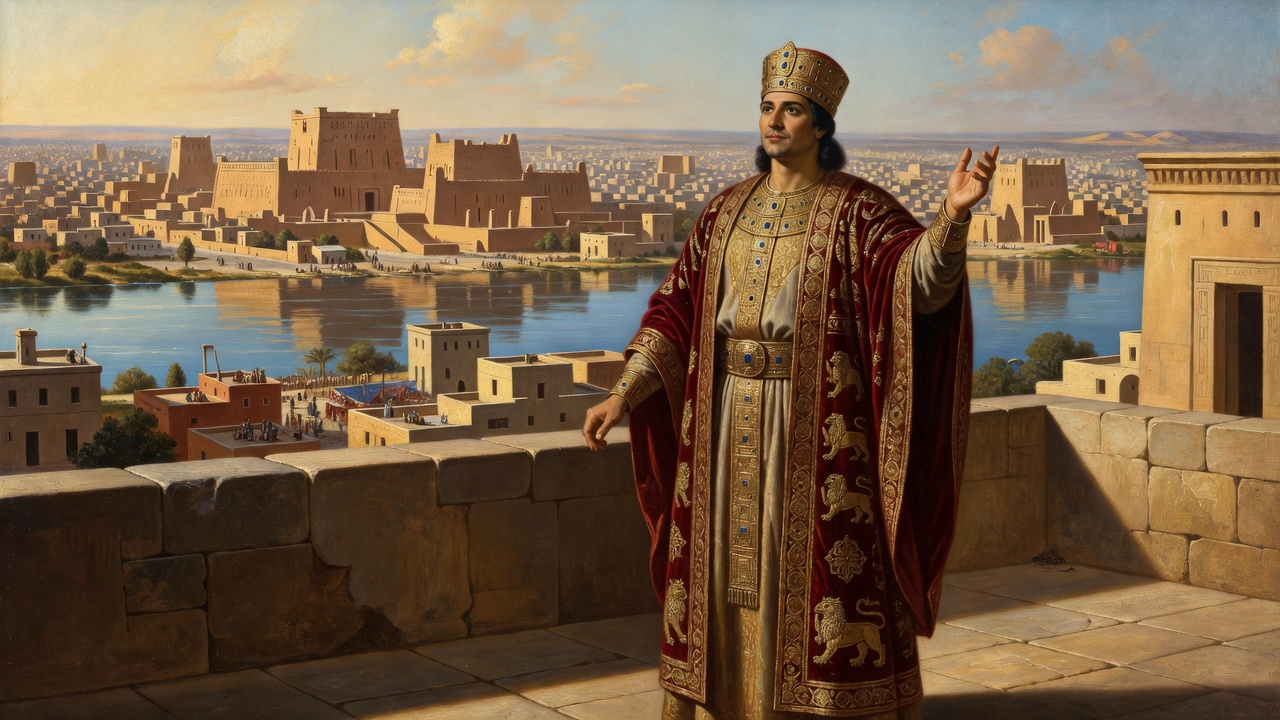
- Nabucodonosor foi o rei mais poderoso do Império Babilônico, sediado na antiga cidade de Babilônia, às margens do rio Eufrates. A narrativa relata que sua humilhação repentina ocorreu logo após ele caminhar pelo terraço de seu palácio, vangloriando-se de ter edificado a grande Babilônia por sua própria força e majestade.Fontes: Nebuchadnezzar · Babylon · o próprio texto bíblico
- Na corte real, Daniel era chamado pelo nome caldeu Beltessazar, que significa 'Beltis proteja o rei'. Nabucodonosor recorreu a ele depois que os magos, encantadores e astrólogos babilônios se mostraram incapazes de interpretar a visão da grande árvore.Fontes: Daniel · o próprio texto bíblico
Notas escritas com auxílio de IA a partir de fontes abertas (Theographic Bible Metadata, CC BY-SA 4.0; Easton’s Bible Dictionary, domínio público) e revisadas antes de publicar.
Lugares deste capítulo
Só aparecem lugares com identificação de alta confiança (90% ou mais segundo as fontes acadêmicas reunidas pelo OpenBible). Mapa da época: DARE (Digital Atlas of the Roman Empire), CC BY 4.0; mapa atual: © colaboradores do OpenStreetMap; lugares: OpenBible.info (CC BY 4.0).
Créditos e licença desta tradução
Luda yã takada kũ Bisã yão
Portions of the Holy Bible in the Busa language of Nigeria
copyright © 2005 SIM International
Language: Bisã (Busa)
Translation by: SIM
This translation text is made available to you under the
terms of the Creative Commons License: Attribution-Noncommercial-No Derivative Works.
( http://creativecommons.org/licenses/by-nc-nd/3.0/ )
In addition, you have permission to port the text to different file formats, as long as you
do not change any of the text or punctuation of the Bible.
You may share, copy, distribute, transmit, and extract portions
or quotations from this work, provided that you include the above copyright
information:
You must give Attribution to the work.
You do not sell this work for a profit.
You do not make any derivative works that change any of the actual words or punctuation of the Scriptures.
Permissions beyond the scope of this license may be
available if you contact
us with your request.
This translation is made available to you under the terms of the
Creative Commons Attribution-Noncommercial-No Derivatives license 4.0.
You may share and redistribute this Bible translation or extracts from it in any format, provided that:
You include the above copyright and source information.
You do not sell this work for a profit.
You do not change any of the words or punctuation of the Scriptures.
Pictures included with Scriptures and other documents on this site are licensed just for use with those Scriptures and documents.
For other uses, please contact the respective copyright owners.
2014-10-10
Fonte: http://ebible.org/bqp/ · eBible.org