Amós 4
Luda yã takada kũ Bisã yão · Toque num versículo para ver as referências cruzadas.
1Bɛɛ Sɑmɑrin tɔn kurɔbu,
bɛɛ be i dimɔ i bɔriɑmɔ nge Bɑsɑnin nɑɑ gbiibi
yi yi wɑ̃ɑ Sɑmɑrin guurɔ,
i wɔnwɔndobu dɑm dɔremɔ,
i bwɛ̃ɛbwɛ̃ɛbu tɑki dimɔ,
mɑ i bɛɛn durɔbu sɔ̃ɔmɔ bu kɑ tɑm nɑ i nɔ.
Tɛ̃, i swɑɑ dɑkio i nɔ.
2Nɛ, Yinni Gusunɔ nɑ bɔ̃rumɔ kɑ nɛn tiin yĩsi dɛɛrɑru nɑ mɔ̀,
wee sɑɑ yɑ sisi yè sɔɔ bɑ koo bɛɛ kɑ bɛɛn bibun bweseru kɔkɔnu sɔre bu gɑwɑ nge swɛ̃ɛ.
3Bɛɛn bɑɑwure u koo yɑri kururun di
kpɑ bu bɛɛ kubɑ sɔ̃ɔ yɛ̃sɑn nɔm geu giɑ.
Nɛ, Yinni Gusunɔwɑ nɑ yeni geruɑ.
Isirelibɑn gɔ̃ru bɔbunu
4Yinni Gusunɔ u nɛɛ,
bɛɛ Isirelibɑ, i doo yɑ̃ku yee ten mi Betɛliɔ,
kpɑ i n mɑn torɑrimɔ.
I doo Giligɑliɔ,
kpɑ i n mɑn torɑrimɔ nge mɛ̀n nɔɔ i ko kpĩ.
I n bɛɛn yɑ̃kunu mɔ̀ bururu bɑɑtere,
kpɑ i n kɑ bɛɛn kɛ̃nu nɑɑmɔ sɔ̃ɔ itɑ kɑ sɔ̃ɔ itɑ.
5I bɛɛn siɑrɑbun yɑ̃kunu koowo kɑ pɛ̃ɛ ye bɑ seeyɑtiɑ doke.
Kpɑ i tɔmbu sɔ̃ mɑ i kɛ̃nu kuɑ kɑ kĩru.
Domi yerɑ bɛɛ Isirelibɑ i kĩru bo.
Nɛ, Yinni Gusunɔwɑ nɑ yeni geruɑ.
Kirɔ ye yɑ kɑm kuɑ
6N wee nɑ derɑ gɔ̃ɔrɑ duɑ bɛɛn wuu mɑrosu kpuro sɔɔ.
Mɑ i dĩɑnu biɑ bɛɛn yɛnusu kpuro sɔɔ.
Adɑmɑ kɑ mɛ, i ǹ gɔsirɑmɛ nɛn mi.
Nɛ, Yinni Gusunɔwɑ nɑ yeni geruɑ.
7Nɑ yinɑ gurɑ yu nɛ ye n tie suru itɑ bu kɑ dĩɑnu gɛ̃.
Nɑ derɑ gurɑ yɑ nɑ wusu gɑsun mi.
Mɑ nɑ ǹ wure yu nɛ gɑsun mi.
Nɑ derɑ yɑ nɑ gbenu gɑnu sɔɔ.
Mɑ nɑ ǹ wure yu nɛ gɑnun mi.
Mɑ nu gberɑ.
8Yerɑ bɛɛn wusu gɑsun tɔmbu bɑ dɑ wuu gɑgun mi
bu kɑ nim wɑ bu nɔ.
Adɑmɑ ben nim nɔru gɑ ǹ kpɑ.
Kɑ mɛ, i ǹ gɔsirɑmɛ nɛn mi.
Nɛ, Yinni Gusunɔwɑ nɑ yeni geruɑ.
9Nɑ derɑ bɛɛn dĩɑnu kusenu kuɑ,
mɑ twee yi nɑ yi bɛɛn gbeɑn dĩɑnu kɑ bɛɛn dɑ̃ɑ gbɑɑnun wurusu kpuro di.
Adɑmɑ kɑ mɛ, i ǹ gɔsirɑmɛ nɛ Gusunɔ bɛɛn Yinnin mi.
10Nɑ mɑɑ bɛɛ kɛ̃si kɛ̃si bɑrɑru sure nge mɛ nɑ kuɑ Egibitiɔ.
Nɑ derɑ bɑ bɛɛn ɑluwɑɑsibɑ go tɑbu sɔɔ.
Mɑ bɑ ben dumi mwɛɛrɑ.
Nɑ derɑ i bɛɛn tɔn be bɑ gun nuburu nuɑ bɛɛn sɑnsɑniɔ.
Adɑmɑ kɑ mɛ, i ǹ gɔsirɑmɛ nɛn mi.
11Nɑ bɛɛ surɑ nɑ kɔsukɑ nge Sodomu kɑ Gomɔrɑ ye nɑ kɑm koosiɑ.
Mɑ i kuɑ nge dɑ̃ɑ nɔɔ ge bɑ wunɑ dɔ̃ɔn di.
Adɑmɑ kɑ mɛ, i ǹ gɔsirɑmɛ nɛ, Yinni Gusunɔn mi.
12Yen sɔ̃nɑ bɛɛ Isirelibɑ kon bɛɛ sɛɛyɑsiɑ.
Ǹ n mɛn nɑ, i n sɔɔru sɑ̃ɑ i n kɑ nɛ Gusunɔ bɛɛn Yinnin siribu mɑrɑ.
13Domi nɛnɑ nɑ guunu mɔmɑ,
mɑ nɑ woo tɑkɑ kuɑ.
Nɑ rɑ nɛn bwisikunu tɔnu giɑsie.
Nɑ rɑ mɑɑ yɑm bururɑm gɔsie yɑm wɔ̃kuru,
kpɑ nɑ n sĩimɔ guunu wɔllɔ.
Nɛn yĩsirɑ Gusunɔ wɔllu kɑ tem Yinni.
Você sabia?
Avisos ignorados e o Deus dos Exércitos
- Amós se dirige às mulheres ricas e exploradoras de Samaria chamando-as de vacas de Basã. Samaria era a capital do reino do norte de Israel, situada no alto de uma colina, enquanto Basã era uma região fértil ao norte de Gileade, conhecida por suas ricas pastagens.Fontes: o próprio texto bíblico · Samaria · Bashan
- O profeta convida ironicamente o povo a levar sacrifícios e dízimos a Betel e a Gilgal. Ambos os locais tinham profunda importância histórica e religiosa em Israel, mas haviam se tornado centros de rituais vazios e transgressão.Fontes: o próprio texto bíblico · Bethel (of Palestine) · Gilgal
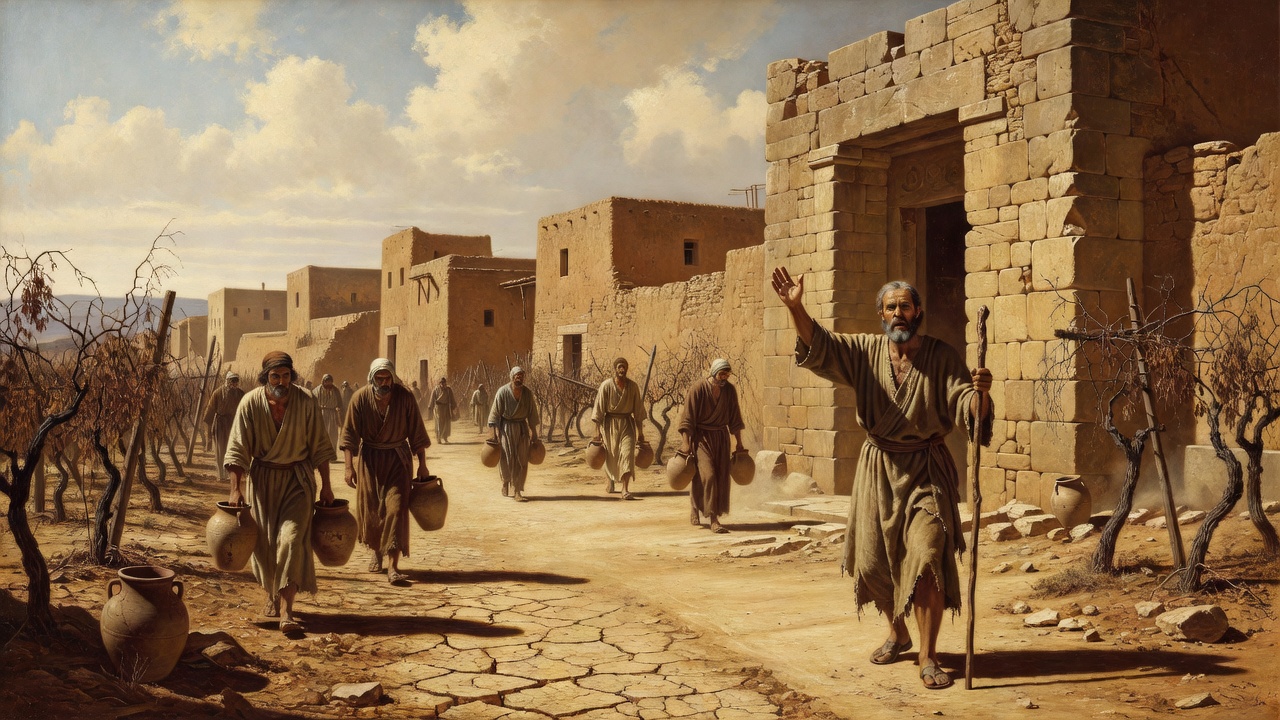
- Amós relata uma série de avisos divinos por meio de desastres naturais e militares, como secas severas, pragas de gafanhotos, pestes semelhantes às do Egito e derrotas em batalha. Apesar de cada calamidade, o texto repete o refrão de que o povo se recusou a voltar para Deus.Fontes: o próprio texto bíblico · Egypt
Notas escritas com auxílio de IA a partir de fontes abertas (Theographic Bible Metadata, CC BY-SA 4.0; Easton’s Bible Dictionary, domínio público) e revisadas antes de publicar.
Lugares deste capítulo
- Bashan · 32.781, 35.935 · versículo 1
- Samaria · 32.276, 35.195 · versículo 1
- Egypt · 30.129, 31.308 · versículo 10
Só aparecem lugares com identificação de alta confiança (90% ou mais segundo as fontes acadêmicas reunidas pelo OpenBible). Mapa da época: DARE (Digital Atlas of the Roman Empire), CC BY 4.0; mapa atual: © colaboradores do OpenStreetMap; lugares: OpenBible.info (CC BY 4.0).
Créditos e licença desta tradução
Luda yã takada kũ Bisã yão
Portions of the Holy Bible in the Busa language of Nigeria
copyright © 2005 SIM International
Language: Bisã (Busa)
Translation by: SIM
This translation text is made available to you under the
terms of the Creative Commons License: Attribution-Noncommercial-No Derivative Works.
( http://creativecommons.org/licenses/by-nc-nd/3.0/ )
In addition, you have permission to port the text to different file formats, as long as you
do not change any of the text or punctuation of the Bible.
You may share, copy, distribute, transmit, and extract portions
or quotations from this work, provided that you include the above copyright
information:
You must give Attribution to the work.
You do not sell this work for a profit.
You do not make any derivative works that change any of the actual words or punctuation of the Scriptures.
Permissions beyond the scope of this license may be
available if you contact
us with your request.
This translation is made available to you under the terms of the
Creative Commons Attribution-Noncommercial-No Derivatives license 4.0.
You may share and redistribute this Bible translation or extracts from it in any format, provided that:
You include the above copyright and source information.
You do not sell this work for a profit.
You do not change any of the words or punctuation of the Scriptures.
Pictures included with Scriptures and other documents on this site are licensed just for use with those Scriptures and documents.
For other uses, please contact the respective copyright owners.
2014-10-10
Fonte: http://ebible.org/bqp/ · eBible.org