Salmos 18
Bibeli Luayãtaalá · Toque num versículo para ver as referências cruzadas.
Zĩblea sáaukpaa
1Lɛ pↄ́ Dii zↄ̀blena Davidi sìɛ̀ gↄↄ pↄ́ à aà bↄ̀ Saulu ń aà ibɛɛ kĩniↄ ↄzĩ.
2Má yenzi Dii,
ḿmɛ ń ma gbãa ũ.
3Lua mɛ́ ma gbɛsi ũ,
mi naaàzi,
ma Lua mɛ́ ma zɛgikĩi ũ,
ì ma misi.
A dɛ ma sɛ̀ngbao ũ,
má aà náai vĩ,
a dɛ ma suaban gbãa ũ,
ì ma dↄ̃́a.
4Dii kà wà aà sáaukpa.
Mi lɛzuaàzi,
ì ma bↄ ma ibɛɛↄ ↄzĩ.
5Gó kpàlɛmanↄ,
kaalɛ swa lɛ́ ma ble.
6Mia baↄ galakpàmɛɛ,
ga baikpàmɛɛ ma aɛ.
7Ma yeelɛa guu màa ma Dii sìsi,
ma lɛzù ma Luazi,
ↄ̃ à ma lↄↄ mà za a bɛ,
ma wii kàwà, à gɛ̃̀ aà swã́u.
8Tↄↄlɛ lùalua à zĩ̀azĩa,
gbɛ̀sĩsĩↄ dèedee ń zĩ́nau,
aa lùalua kɛ́ aà pↄ pà yã́i.
9Súɛlɛ bↄ̀ aà níu,
tɛ́ pↄ́ ì kṹmá bↄ̀ aà lɛ́u,
a yↄ̃ↄ lɛ́ pipi aà aɛ.
10À gu kɛ̃̀aa musu à pìla,
lou sìsi aà gbá zíɛ.
11Àlɛ vua dia malaika gã̀sĩade kpɛ,
àlɛ yàakpa ń ĩ́anao.
12À gusia kù azĩala,
à luabɛsiana kɛ̀ a kúkĩi ũ.
13Lousisia dↄ̀aa aà gawi pílɛaɛ,
lougbɛ kwɛ̀, lou pìlɛpilɛ pãsĩpãsĩ.
14Dii Musude pàla za musu,
aà lↄↄ dↄ louvĩa ũ.
15À ka fã̀ ma ibɛɛↄgu à ń fãaa,
Lua sùmá à ń yá.
16Kɛ́ n palamá Dii,
ísia tↄↄlɛ bↄ̀ gupuau,
kɛ́ n pↄbↄ̀ n níu,
dṹnia zĩ́na bↄ̀ puizi.
17À ↄbↄ̀ za musu à ma kũ,
à ma bↄ ísiu.
18À ma si ma ibɛɛ gbãawa
ń ma wɛ̀lɛ pↄ́ an gbãa dɛmalaↄ.
19Aa ã̀naa ma wɛ̃nakɛgↄↄ,
ↄ̃ Dii zɛ̀manↄ.
20À ma bↄ à ma gba dɛ̀ɛpookĩi,
à ma mìsi kɛ́ a yemazi yã́i.
21Dii yãkɛ̀mɛɛ ma nↄ̀sɛmaa lɛ́u,
à fĩabòmɛɛ ma gbãsĩsai lɛ́u.
22Asa má Dii yãdilɛaↄ kũa,
mi vãikɛ ma a Lua tò weo.
23Aà ikoyãↄ ìↄ dↄaaamɛɛ,
mi bↄ yã́ pↄ́ a dìlɛↄ kpɛo.
24Ma kua tàae vĩ Diiɛo,
má azĩa kũa duunasai.
25Dii fĩabòmɛɛ ma nↄ̀sɛmaa lɛ́u,
asa a è má kú gbãsĩsaiɛ.
26Ń náai vĩ náaideↄnɛ,
tàaesaiden n ũ tàaesaideↄnɛ.
27Ń wásawasa gbɛ̃́ wásawasaↄnɛ,
ãma ni kↄ̃nikɛ gbɛ̃́ dↄ̀ↄsaiↄnɛ.
28Ni zĩabusanaↄ suaba,
ni gbɛ̃́ pↄ́ aaì ńzĩa sɛ lɛsĩↄ busa.
29Dii, ni ma filia tɛfɛlɛ,
ma Lua, ni ma gusia lilɛ gupua ũ.
30Ń n gbãao má fↄ̃ kuadi kaawa,
ń ma Lua dↄnlɛo má fↄ̃ vĩ gĩa.
31Luapi sↄ̃, aà yãkɛa bↄ̀lɛi.
Dii yã́ sãa vĩo.
A dɛ sɛ̀ngbao ũ gbɛ̃́ pↄ́ nàaziↄnɛ.
32Dii bàasio, démɛ Lua ũi?
Wá Lua bàasio, démɛ gbɛsi ũi?
33Lua mɛ́ ì ma gba gbãa,
ↄ̃mɛ ì zɛpoomɛɛ súsu.
34Ì to ma wá nakũ lán tuewa,
ì to màↄ bɛ bùsu gulɛsĩↄ musu.
35Ì zĩkaa dadamɛɛ
e ma gã̀sĩ fↄ̃ mↄgotɛ̃ sá gá.
36Ni n zĩblesɛ̀ngbao kpaa,
ń ma kũa ń n ↄplaao,
ni naalɛ ǹ ma tↄbↄ.
37Ni ma zɛ́ yàasa kũmɛɛ,
ↄ̃ ma gbá lí gbãlɛo.
38Ma pɛlɛ ma wɛ̀lɛↄzi ma ń kũkũ,
mi kpɛkpao e ma gɛ ń dɛdɛò.
39Ma ń wiwi, aai e fɛ̀lɛo,
aa kwɛ̀ gↄ̃̀ kálɛa ma gbá zíɛ.
40N ma gba gbãa, ma zĩkàò,
ń tò ma ibɛɛↄ mikpàa.
41Ń tò ma wɛ̀lɛↄ kpɛkpà,
ↄ̃ ma a zangudepiↄ mìdɛ.
42Aa wiilɛ̀, gbɛ̃e i ń suabao,
aa lɛzù Diizi, i yãmamáo.
43Ma ń kɛ́ búɛbuɛ
lán luutɛ̃ pↄ́ ĩ́ana sɛ̀wa,
ma táa'òmá lán zɛ́ guu pɛ̀lɛawa.
44N ma bↄ gbɛ̃́ pↄ́ fɛ̀lɛmanↄↄ ↄzĩ,
n ma kɛ buiↄ mide ũ.
Gbɛ̃́ pↄ́ má ń dↄ̃oↄ lɛ́ zↄblemɛɛ.
45Bui zĩ̀loↄ ì vlãnaumɛɛ,
tó aa ma yãmà, aaì misiilɛmɛɛ.
46Buipãleↄ kúsu ì kwɛ́,
aaì bↄ ń zɛgikĩiↄu ń lualuao.
47Dii ku! Báaaden ma gbɛsi ũ!
Wà Lua ma Suabana tↄbↄ.
48Lua mɛ́ ì tↄsimɛɛ,
ì buiↄ totomɛɛ.
49Ń tò ma pili ma ibɛɛↄwa,
n ma gba gbãa dɛ ma wɛ̀lɛↄla,
n ma bↄ gbɛ̃́ pãsĩↄ ↄzĩ.
50A yã́i má n sáaukpa buiↄnɛ,
má n táasilɛ, Dii.
51Dii ì zĩ̀ zↄ̃ↄ ble kía pↄ́ á sɛ̀ɛ,
ì gbɛ̃kɛkɛ kía pↄ́ á kpàpiɛ,
ma Davidi ń ma buiↄ e gↄↄpii.
Você sabia?
O Cântico de Libertação de Davi
- O cabeçalho do Salmo 18 atribui este cântico de gratidão a Davi, composto após o Senhor tê-lo livrado de todos os seus inimigos e das mãos do rei Saul.Fontes: o próprio texto bíblico
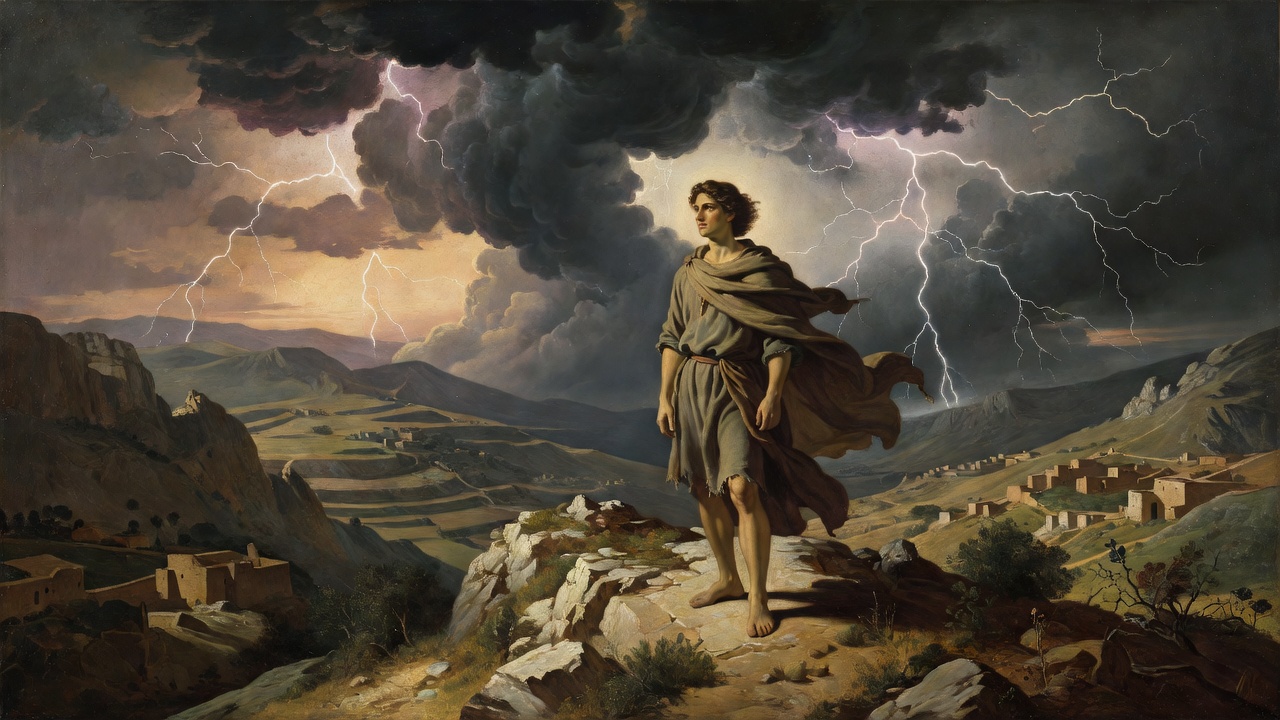
- O salmo retrata o livramento divino por meio de imagens dramáticas de forças da natureza, como terremotos, fogo devorador, relâmpagos e densas nuvens de tempestade.Fontes: o próprio texto bíblico
- Ao longo do cântico, Deus é descrito com metáforas militares e geográficas, sendo chamado de rocha, fortaleza, escudo, refúgio seguro e a força da salvação.Fontes: o próprio texto bíblico
Notas escritas com auxílio de IA a partir de fontes abertas (Theographic Bible Metadata, CC BY-SA 4.0; Easton’s Bible Dictionary, domínio público) e revisadas antes de publicar.
Créditos e licença desta tradução
Bibeli Luayãtaalá
The Holy Bible in the Boko language spoken in Benin and Nigeria
copyright © 2010 SIM International
Language: Boko
Translation by: SIM International
Boko Bibeli Luayãtaala
This translation, published by the SIM au Benin, was published in 2010.
If you are interested in obtaining a printed copy, please contact the SIM at ECWA/SIM H.Q., P.M.B. 2009, Jos, Plateau State, NIGERIA.
This translation text is made available to you under the
terms of the Creative Commons License: Attribution-Noncommercial-No Derivative Works.
( http://creativecommons.org/licenses/by-nc-nd/3.0/ )
In addition, you have permission to port the text to different file formats, as long as you
do not change any of the text or punctuation of the Bible.
You may share, copy, distribute, transmit, and extract portions
or quotations from this work, provided that you include the above copyright
information:
You must give Attribution to the work.
You do not sell this work for a profit.
You do not make any derivative works that change any of the actual words or punctuation of the Scriptures.
Permissions beyond the scope of this license may be
available if you contact
us with your request.
This translation is made available to you under the terms of the
Creative Commons Attribution-Noncommercial-No Derivatives license 4.0.
You may share and redistribute this Bible translation or extracts from it in any format, provided that:
You include the above copyright and source information.
You do not sell this work for a profit.
You do not change any of the words or punctuation of the Scriptures.
Pictures included with Scriptures and other documents on this site are licensed just for use with those Scriptures and documents.
For other uses, please contact the respective copyright owners.
2014-09-25
Fonte: http://ebible.org/bqcsim/ · eBible.org