Miqueias 7
Bibeli Luayãtaalá · Toque num versículo para ver as referências cruzadas.
Isailiↄ fɛlɛa
1Waiyoo mapi!
Má dɛ lán gbɛ̃́ pↄ́ lɛ́ libɛ
ge vɛ̃ɛbɛ kↄ̃nwɛwaɛ.
Vɛ̃ɛ kↄ́ ge kaadↄɛn sɛ̃́ia pↄ́ mi a nidɛ ku lↄo.
2Luayãmanaↄ làa dṹniau,
gbɛ̃maaↄ ku gbɛ̃nazĩnaↄ guu lↄo.
Ampii aaì gbɛ̃́ dã́dã aa dɛ,
baade lɛ́ a gbɛ̃́dee wɛ ń táaluo.
3Aa vãikɛa gↄ̃i vĩ ↄplaa ń zɛɛo.
Kía ì pↄ́ gbɛa,
yã́kpalɛkɛna ì gbagusaɛsi,
gbãade ì azĩa pↄeã dilɛnɛ́,
ampii aaì gbɛ̃́ wɛtãò.
4An gbɛ̃maaↄ dɛ lán lɛaawa,
an dendaeↄ pãsĩ dɛ lɛsikaoa.
An ĩadamagↄↄ pↄ́ ń gudↄ̃anaↄ a yã'ò kà,
an bã̀abãabogↄↄ pìla se.
5Ńsu ǹ n gbɛ̃́dee náaikɛo,
ńsu ǹyↄ̃ daa n kwàasi gã̀uwao.
Laaika yã́ pↄ́ ńyↄ̃ o nↄɛ pↄ́ kpá ń kùɛɛzi.
6Nɛgↄ̃ɛ a a mae kpɛbↄ,
nɛnↄɛ a fɛlɛ ń a dao,
nↄzãe a bↄ a zãda kpɛ,
gbɛ̃́ bɛdeↄ gↄ̃ aà ibɛɛↄ ũ.
7Mapi sↄ̃ ma wɛ́ aↄ dↄ Diizi,
má Lua ma Suabanapi dã́.
Ma Lua a ma yãma.
8Wá ibɛɛↄ su pↄnakɛ wá yã́ musuo.
Baa kɛ́ wa lɛlɛ, wá fɛlɛɛ.
Baa tó wá kálɛa gusiau,
Dii a gupuwɛ̃ɛ.
9Lá wa duunakɛ̀ Diiɛ,
àlɛ a pↄkũma bↄbↄwá
e àↄ gɛ́ yã́siiwanↄ,
i to yã́ bↄwanↄ na.
A wá da gupuau,
a wá suaba, wí wɛ́siɛ.
10Tó wá ibɛɛↄ è, wí a ń kṹ.
Wá ibɛɛpiↄ òwɛ̃ɛ yãa
aa mɛ̀ Dii wá Lua ku máɛ?
Wa ↄ̃zↄ̃má lán pɛ̀lɛawa gãaɛ,
wí wɛ́siɛ.
11Siↄna bĩ́ibogↄↄ a ká,
gↄↄ bee a kálɛa a yàasa kṹ.
12Gↄↄ bee gbɛ̃́ↄ bↄ Asili ń Egipi wɛ̃́lɛↄ guu,
aa bↄ za Egipi ń Uflatao,
za ísia baale ń baalao,
za gbɛ̀sĩsĩ kpɛle ń kpɛlao,
aai mↄ we.
13Dṹnia a gↄ̃ yàaa
gbɛ̃́ pↄ́ kú a guuↄ yãkɛaↄ gbɛ ũ.
14Dii, ǹ ń gbɛ̃́ↄ dã́dãkɛ ń n gopanao,
n kpàsa sãpiↄ aaiↄ kú ńtɛ̃ɛ Kaamɛli líkpɛu,
aai pↄble Basana ń Galadao dã́dãkɛkĩi maau lán yãawa.
15Ńyↄ̃ yãbↄnsaɛↄ kɛnɛ́,
lá ń kɛ̀ gↄↄ pↄ́ n bↄńnↄ Egipiwa.
16Buipãleↄ e,
wí i ń kṹ ń nɛgↄ̃nkɛyã musu.
Aa ↄku ń lɛ́wa,
an swã́ iↄ kɛ weũu.
17Aa bùsu ble lán mlɛ̃wa,
lán pↄ́taa'onkuawaↄwa.
Aa bↄ ń ulɛkĩiↄ guu,
aa mↄ Dii wá Luawa ń lualuao.
N vĩa a ń kṹ, sↄ̃ i kɛ̃́ńgu.
18Lua, démɛ muaannↄi?
Ni n gbɛ̃́ kↄ̃naↄ duuna kɛ̃́má,
ni sùuukɛńnↄ ń ń tàaeↄ.
N pↄ líↄ paa gↄↄpiio,
gbɛ̃kɛkɛanɛ́ mɛ́ ì kangu.
19Ńyↄ̃ ɛa wá wɛ̃nagwa lↄ,
ní ↄ̃zↄ̃ wá yãvãiↄwa,
ní wá duuna zu ísia í títiu píi.
20Ńyↄ̃ náaiyã kɛ Yakↄbu buiↄnɛ,
ńyↄ̃ gbɛ̃kɛkɛ Ablahaũ buiↄnɛ,
lá ń a lɛgbɛ̃̀ wá dezipiↄnɛ za káauwa.
Você sabia?
Lamento e Esperança de Restauração
- Miqueias retrata um colapso severo da justiça e da confiança, onde governantes exigem subornos e membros da família se voltam uns contra os outros. Ele compara a busca por uma pessoa piedosa à procura em uma vinha colhida onde já não restam uvas ou figos temporãos.Fontes: o próprio texto bíblico
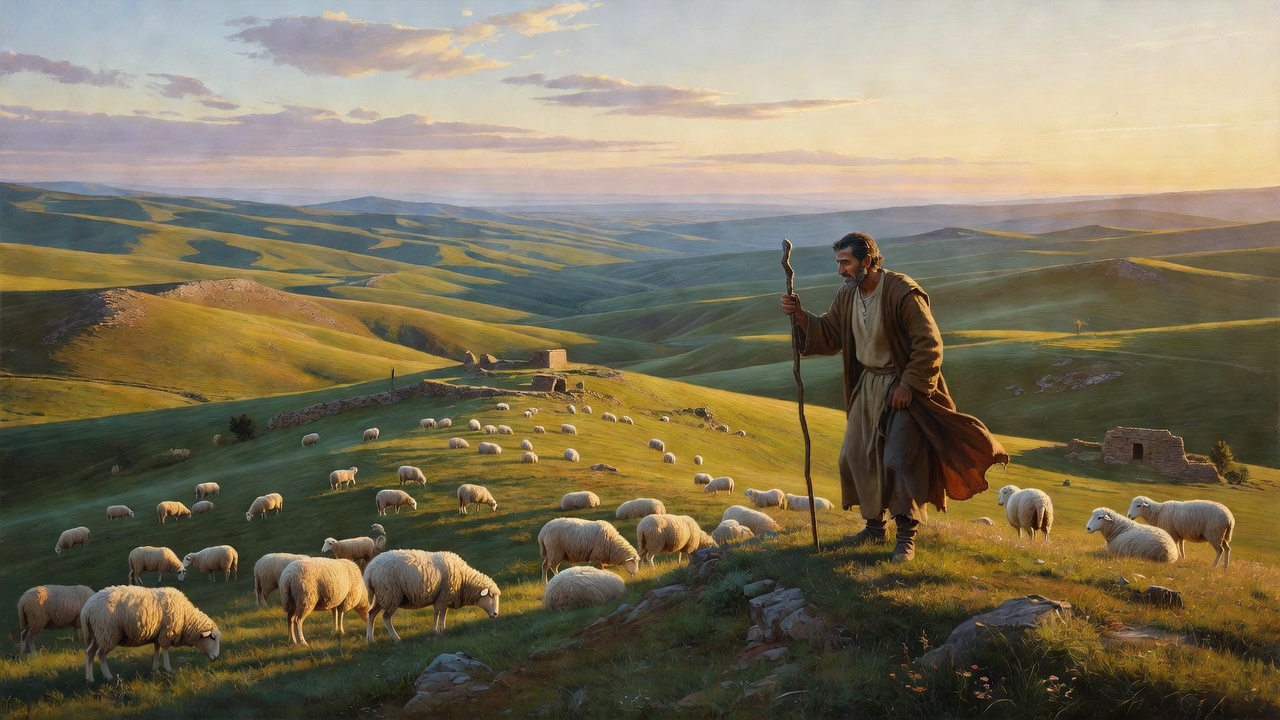
- O profeta suplica a Deus que pastoreie Seu povo e o deixe pastar em Basã e Gileade como nos tempos antigos. Localizadas a leste do rio Jordão, essas regiões foram historicamente concedidas às tribos de Gade, Rúben e à meia tribo de Manassés.Fontes: o próprio texto bíblico · Bashan · Gilead
- O capítulo termina com uma expressão de esperança na misericórdia divina, descrevendo Deus lançando os pecados nas profundezas do mar. Afirma também que Deus demonstrará fidelidade a Jacó e lealdade a Abraão, conforme os juramentos feitos aos antepassados.Fontes: o próprio texto bíblico · Abraham · Jacob (Israel)
Notas escritas com auxílio de IA a partir de fontes abertas (Theographic Bible Metadata, CC BY-SA 4.0; Easton’s Bible Dictionary, domínio público) e revisadas antes de publicar.
Lugares deste capítulo
- Assyria · 36.359, 43.153 · versículo 12
- Egypt · 30.129, 31.308 · versículos 12, 15
- Euphrates · Hoje: Euphrates River · 31.004, 47.442 · versículo 12
- Bashan · 32.781, 35.935 · versículo 14
- Gilead · Hoje: Gilead 1 · 32.187, 35.692 · versículo 14
- Mount Carmel · 32.672, 35.023 · versículo 14
Só aparecem lugares com identificação de alta confiança (90% ou mais segundo as fontes acadêmicas reunidas pelo OpenBible). Mapa da época: DARE (Digital Atlas of the Roman Empire), CC BY 4.0; mapa atual: © colaboradores do OpenStreetMap; lugares: OpenBible.info (CC BY 4.0).
Créditos e licença desta tradução
Bibeli Luayãtaalá
The Holy Bible in the Boko language spoken in Benin and Nigeria
copyright © 2010 SIM International
Language: Boko
Translation by: SIM International
Boko Bibeli Luayãtaala
This translation, published by the SIM au Benin, was published in 2010.
If you are interested in obtaining a printed copy, please contact the SIM at ECWA/SIM H.Q., P.M.B. 2009, Jos, Plateau State, NIGERIA.
This translation text is made available to you under the
terms of the Creative Commons License: Attribution-Noncommercial-No Derivative Works.
( http://creativecommons.org/licenses/by-nc-nd/3.0/ )
In addition, you have permission to port the text to different file formats, as long as you
do not change any of the text or punctuation of the Bible.
You may share, copy, distribute, transmit, and extract portions
or quotations from this work, provided that you include the above copyright
information:
You must give Attribution to the work.
You do not sell this work for a profit.
You do not make any derivative works that change any of the actual words or punctuation of the Scriptures.
Permissions beyond the scope of this license may be
available if you contact
us with your request.
This translation is made available to you under the terms of the
Creative Commons Attribution-Noncommercial-No Derivatives license 4.0.
You may share and redistribute this Bible translation or extracts from it in any format, provided that:
You include the above copyright and source information.
You do not sell this work for a profit.
You do not change any of the words or punctuation of the Scriptures.
Pictures included with Scriptures and other documents on this site are licensed just for use with those Scriptures and documents.
For other uses, please contact the respective copyright owners.
2014-09-25
Fonte: http://ebible.org/bqcsim/ · eBible.org