Deuteronômio 7
Bibeli Luayãtaalá · Toque num versículo para ver as referências cruzadas.
Dii gbɛ̃́ↄ
1Tó Dii á Lua gɛ̃̀ánↄ bùsu pↄ́ álɛ gɛ́ síipi guu, a buiↄ yáɛ́ dasi, Itiↄ ń Giigasiↄ ń Amↄleↄ ń Kanaaↄ ń Pɛlɛziↄ ń Iviↄ ń Yebusiↄ, baa kɛ́ bui mɛ̀n soplapiↄ dasi ń ń gbãao dɛála. 2Tó Dii á Lua ń náɛ́ á ↄzĩ mɛ́ a zĩblèmá, à ń kaalɛ míↄmiↄ. Ásu lɛdoũkɛńnↄo, ásu ń wɛ̃nagwao. 3Ásu ń nɛnↄɛↄ sɛ nↄ ũo. Ásu á nɛnↄɛ kpã́sã ń nɛgↄ̃ɛↄwao, mɛ́ ásu ń nɛnↄɛↄ sɛ́ á nɛgↄ̃ɛↄnɛo, 4asa aa tó á nɛgↄ̃ɛↄ bↄ Dii kpɛ, aai zↄble dii pãleↄnɛ, Dii pↄ i paázi à á kaalɛ gↄ̃̀ↄɛ. 5Yã́ pↄ́ á kɛnɛ́n kɛ: À ń sa'okĩiↄ gboo, à ń gbɛ̀pɛlɛↄ wíwi, à ń Asetaati lipɛlɛↄ zↄ̃zↄ̃, í ń tã́aↄ kátɛu aa tɛ́kũ. 6Asa Dii á Lua gbɛ̃́ pↄ́ an kua ńdoaↄn á ũ. Ámɛ à á sɛ́ dṹnia buiↄ guu a gbɛ̃́ yenzideↄ ũ. 7Dii pↄ dↄwá à á sɛ́, i kɛ á dasi mɛ́ dɛ buipãleↄlao, asa yãa ámɛ á kɛ̃́sãańzi píi. 8Ɔ̃ à á bↄ́ Egipiↄ kí Falaↄ̃ↄ ↄzĩ, à á bↄ́ zↄbleu, kɛ́ a yeázi yã́iɛ, ń lɛ́ pↄ́ a gbɛ̃̀ á dezi káauↄnɛ yã́io. 9Àↄ dↄ̃ kɛ́ Dii á Lua mɛ́ Lua ũ. Ɔ̃mɛ Lua náaide pↄ́ ìↄ zɛa ń a bàakuaánↄo ũ. Ìↄ gbɛ̃kɛ vĩ ń gbɛ̃́ pↄ́ yeazi aa a yãdilɛaↄ kũaↄ e ń buiwaɛ. 10Ì fĩabo a zangudeↄnɛ ńzĩapiwa, ì ń kaalɛ. Aↄ kↄↄũ ń fĩaboanɛoo. 11A yã́i tò àↄ aà yãdilɛaↄ ń aà ikoyã pↄ́ málɛ daɛ́ gbãↄ kũa, íↄ aà ↄtondↄkĩi gwa.
Ɛ̀fãai yã́ↄ
12Tó álɛ laaidↄ ikoyãpiↄwa, tó á kũa álɛ zĩkɛ̀wà, Dii á Lua bàa aↄ kúánↄ aà gbɛ̃kɛ guu, lá à a lɛgbɛ̃̀ á dezi káauↄnɛwaɛ. 13Aↄ yeázi, i báaadaágu. A ɛ̀fãaikɛɛ́, i báaada á nɛ́ↄgu ń á buapↄ́ↄ: Pↄ́wɛna, vɛ̃ɛ, nísi, á zuↄ ń á pↄtuoↄ píi bùsu pↄ́ à a lɛgbɛ̃̀ á dezi káauↄnɛ à mɛ̀ á kpáwáu. 14Áↄ dɛ ɛ̀fãaideↄ ũ dɛ bui píia. Fĩiↄ kú á guuo, gↄ̃ɛ ge nↄɛ ge pↄtuon nò. 15Dii a gyã píi kɛ̃́wáɛ. A gyãvãi pↄ́ á dↄ̃ Egipi kááguo, sema á zangudeↄ. 16À bui pↄ́ Dii lɛ́ naɛ́ á ↄzĩↄ kaalɛ píi. Ásu ń wɛ̃nagwao. Ásu zↄble ń diiↄnɛo, asa bee aↄ dɛɛ́ bai ũɛ.
17Á gí làasookɛi à mɛ, buipiↄ zↄ̃ↄ dɛála, kpelewa á fↄ̃ à ń yái, 18kási ásu vĩakɛnɛ́o. À to yã́ pↄ́ Dii á Lua kɛ̀ Falaↄ̃ↄɛ ń Egipiↄ píi dↄágu. 19Á wɛ́ è lá Dii á Lua a gã̀sĩ pòo à á bↄ́ bùsupiu ń a gbãa zↄ̃ↄo. À seelaↄ ń dabudabuↄ kɛ̀ à ń gbãa lɛgwàò. Dii á Lua a kɛ gbɛ̃́ pↄ́ aalɛ vĩakɛnɛ́ↄnɛ màa sↄ̃. 20A bɛↄↄ káńgu e an kↄ̃na pↄ́ aa ulɛɛ́ↄ gɛ midɛò. 21Ásu to sↄ̃ kɛ̃́águ an yã́io, asa Dii á Lua kú á guu. A zↄ̃ↄ mɛ́ ì tó ń mɛ séenata. 22Dii á Lua aↄ buipiↄ yáɛ́ busɛbusɛɛ. Á e ń midɛ gↄ̃̀ↄgↄ̃ↄo, kɛ́ wàiↄ su dasikũ aa liálao yã́i. 23Dii á Lua a buipiↄ naɛ́ á ↄzĩɛ, i to gili gɛ̃ńgu e aa gɛ kaalɛò. 24A ń kíaↄ naɛ́ á ↄzĩ lↄɛ, í ń tↄ́ dɛ dṹniau. Gbɛ̃e a fↄ̃ gíɛ́o e à gɛ ń kaalɛò. 25À ń tã́aↄ kátɛu aa tɛ́kũ. Ásu ã́nusu ń vua pↄ́ wa kùlɛmáↄ nidɛ à sɛo, kɛ́ mↄpi su á kṹ lán baiwao yã́i, asa Dii á Lua ye a gĩyãio. 26Ásu pↄ́ pↄ́ Dii ye a gĩyãio sɛ gɛ̃ò á uao, kɛ́ ásu gↄ̃ pↄ́ kaalɛaↄ ũ láńwao yã́i. Àↄ zau, ásu àↄ ye a gĩyãio, asa pↄ kaalɛaɛ.
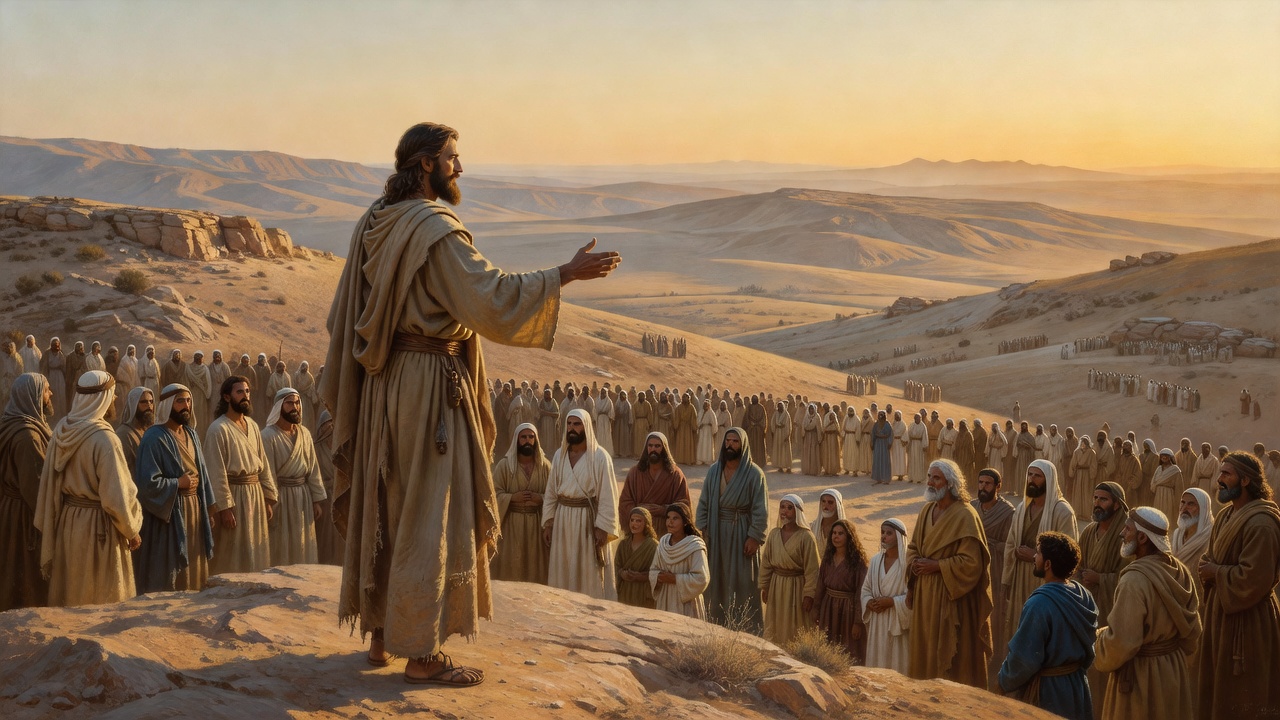
Você sabia?
Um Povo Escolhido e a Conquista de Canaã
- Deuteronômio lista sete nações em Canaã maiores e mais fortes que Israel: heteus, girgaseus, amorreus, cananeus, perizeus, heveus e jebuseus. Israel foi ordenado a não fazer alianças nem casar com eles para evitar cair na idolatria.Fontes: o próprio texto bíblico
- A escolha de Israel não se baseou em tamanho ou força, pois eram considerados o menor de todos os povos. Sua libertação do faraó, rei do Egito, fundamentou-se no amor de Deus e no juramento feito a seus antepassados.Fontes: o próprio texto bíblico · Pharaoh (of the Exodus) · Egypt
- A conquista deveria ocorrer gradualmente e não de uma só vez. O despovoamento imediato da terra faria com que os animais selvagens se multiplicassem e ameaçassem os israelitas.Fontes: o próprio texto bíblico
Notas escritas com auxílio de IA a partir de fontes abertas (Theographic Bible Metadata, CC BY-SA 4.0; Easton’s Bible Dictionary, domínio público) e revisadas antes de publicar.
Lugares deste capítulo
Só aparecem lugares com identificação de alta confiança (90% ou mais segundo as fontes acadêmicas reunidas pelo OpenBible). Mapa da época: DARE (Digital Atlas of the Roman Empire), CC BY 4.0; mapa atual: © colaboradores do OpenStreetMap; lugares: OpenBible.info (CC BY 4.0).
Créditos e licença desta tradução
Bibeli Luayãtaalá
The Holy Bible in the Boko language spoken in Benin and Nigeria
copyright © 2010 SIM International
Language: Boko
Translation by: SIM International
Boko Bibeli Luayãtaala
This translation, published by the SIM au Benin, was published in 2010.
If you are interested in obtaining a printed copy, please contact the SIM at ECWA/SIM H.Q., P.M.B. 2009, Jos, Plateau State, NIGERIA.
This translation text is made available to you under the
terms of the Creative Commons License: Attribution-Noncommercial-No Derivative Works.
( http://creativecommons.org/licenses/by-nc-nd/3.0/ )
In addition, you have permission to port the text to different file formats, as long as you
do not change any of the text or punctuation of the Bible.
You may share, copy, distribute, transmit, and extract portions
or quotations from this work, provided that you include the above copyright
information:
You must give Attribution to the work.
You do not sell this work for a profit.
You do not make any derivative works that change any of the actual words or punctuation of the Scriptures.
Permissions beyond the scope of this license may be
available if you contact
us with your request.
This translation is made available to you under the terms of the
Creative Commons Attribution-Noncommercial-No Derivatives license 4.0.
You may share and redistribute this Bible translation or extracts from it in any format, provided that:
You include the above copyright and source information.
You do not sell this work for a profit.
You do not change any of the words or punctuation of the Scriptures.
Pictures included with Scriptures and other documents on this site are licensed just for use with those Scriptures and documents.
For other uses, please contact the respective copyright owners.
2014-09-25
Fonte: http://ebible.org/bqcsim/ · eBible.org