2 Crônicas 11
Bibeli Luayãtaalá · Toque num versículo para ver as referências cruzadas.
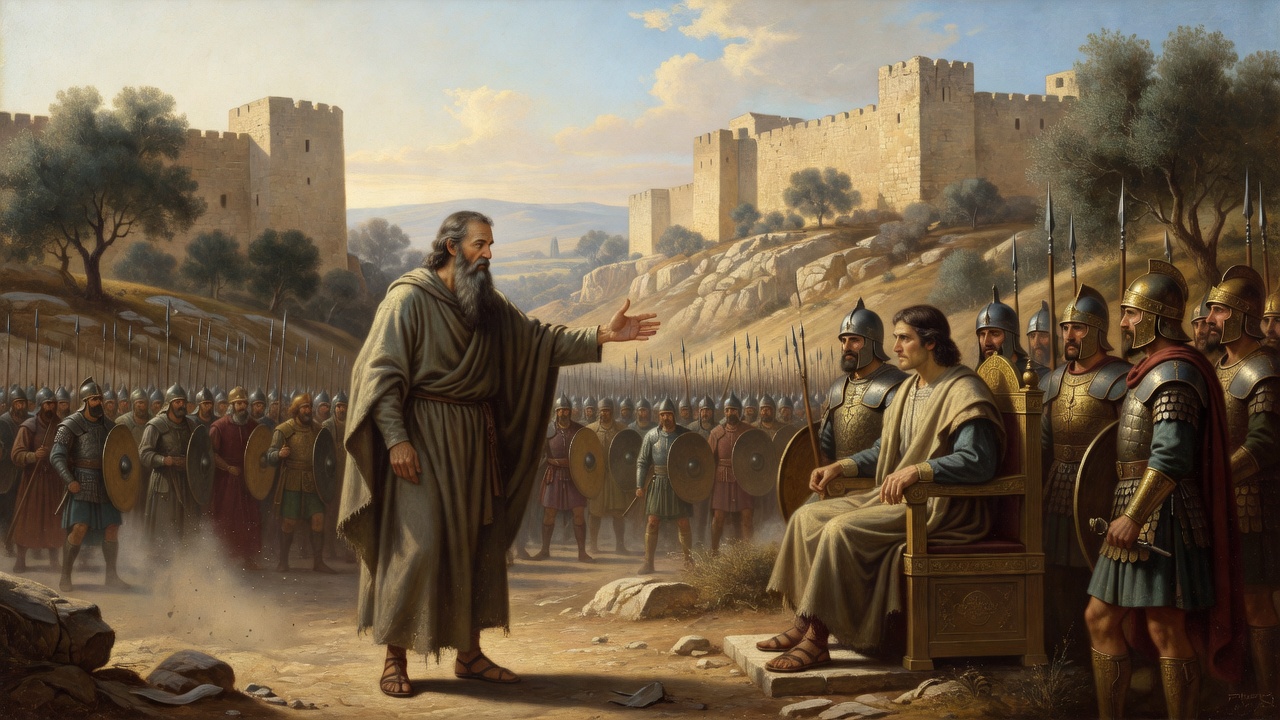
1Kɛ́ Lↄbↄaũ kà Yelusalɛũ, à Yudaↄ kã̀aa ń Bɛ̃yãmɛɛ buiↄ. Zĩgↄ̃piↄ gbɛ̃ↄn ↄ̀aasↄsↄo lɛɛ ↄ̀aa do baosaiɛ (180.000). Ɔ̃ aalɛ gɛ́ zĩkai ń Isailiↄ, kɛ́ aa e Lↄbↄaũ kpa kpalapiu lↄ. 2Ɔ̃ Dii yã'ò Lua gbɛ̃́ Semaiaɛ à mɛ̀: 3O Yudaↄ kí Salomↄↄ nɛ́ Lↄbↄaũɛ ń Isaili pↄ́ kú Yuda bùsuu ń Bɛ̃yãmɛɛ bùsuoↄnɛ 4ma Dii ma mɛ̀ aasu gɛ́ zĩkai ń ń gbɛ̃́ Isailiↄo. An baade tá a bɛ, asa yã́ pↄ́ kɛ̀pi bↄ̀ ma kĩ́iɛ. Ɔ̃ aa yã́ pↄ́ Dii ònɛ́ mà aa tà, aai gɛ́ Yeloboaũwa ń zĩo lↄo.
Lↄbↄaũ gbãakãfĩa Yudaↄnɛ
5Lↄbↄaũ ìↄ ku Yelusalɛũ, ↄ̃ à bĩ́ibò Yuda bùsu wɛ̃́lɛeↄzi:
6Bɛtɛlɛũ, Etaũ, Tekoa,
7Bɛzuu, Soko, Adulaũ,
8Gata, Malesa, Zifi,
9Adolaiũ, Lakisi, Azeka,
10Zↄla, Ayaloni ń Hɛblↄ̃o.
Wɛ̃́lɛ bĩ́ide pↄ́ kú Yuda bùsuu ń Bɛ̃yãmɛɛ bùsuoↄn we. 11À gbãa kã̀fĩ wɛ̃́lɛpiↄnɛ, à zĩgↄ̃ dↄaanaↄ kàlɛu ń pↄblea kũ̀sũao ń nísio ń vɛ̃ɛo. 12À sɛ̀ngbaoↄ ń sↄ̃naↄ kàlɛkalɛ wɛ̃́lɛ ń wɛ̃́lɛo píi, à gbãa kã̀fĩ wɛ̃́lɛpiↄnɛ maamaaɛ. Màa Yuda bùsu ń Bɛ̃yãmɛɛ bùsuo dɛò aà pↄ́ ũ.
13Sa'ona ń Levii bui kĩni pↄ́ kú Isaili bùsu gupiiuↄ zɛ̀aànↄ. 14Levii buiↄ ń dã́dãkɛkĩiↄ ń ń wɛ̃́lɛↄ tò we aa sù Yuda bùsuu ń Yelusalɛũo, asa Yeloboaũ ń a buiↄ i weinɛ́ aaↄ dɛ Dii gbàgbanaↄ ũ lↄo. 15Gbɛ̃pãleↄ ↄ̃ à ń dílɛ gulɛsĩ pↄ́ a bòↄ gbàgbanaↄ ũ aa sa'o tã́aↄwa ń gáaena pↄ́ a pìↄ. 16Isaili bui píi gbɛ̃́ pↄ́ aa zɛ̀ò ń sↄ̃u wà Dii Isailiↄ Lua kĩ́i wɛɛlɛↄ pɛ̀lɛńzi Yelusalɛũ, kɛ́ aa e Dii ń deziↄ Lua gbagba yã́i. 17Aa Yuda bùsu zɛ̀dↄ, aa Salomↄↄ nɛ́ Lↄbↄaũ gbà gbãa wɛ̃̀ àaↄ̃, kɛ́ aa Davidi ń Salomↄↄo tufasɛ̀ yã́i.
Lↄbↄaũ daɛↄ
18Lↄbↄaũ Yelimↄ nɛ́ Maalata, Davidi tↄũna sɛ̀ nↄ ũ. Aà da tↄ́n Abihaili, Ɛliabu nɛ́, Yɛse tↄũnaɛ. 19Nɛgↄ̃ɛ pↄ́ a ìaànↄↄn kɛ: Yeusi, Semalia ń Zahaũo. 20Maalata gbɛa ↄ̃ à Abisaloũ tↄũna Maaka sɛ̀, ↄ̃ à Abia ń Ataio ń Zizao ń Selomio ìò. 21Lↄbↄaũ ye Abisaloũ nɛ́ Maakapizi dɛ a nↄ kĩniↄ ń nↄ pↄ́ i mɛ́sɛdilɛnɛ́oↄla píi. À nↄsɛ̀ bao plasaiɛ, nↄ pↄ́ i mɛ́sɛdilɛnɛ́oↄ sↄ̃ bàaↄ̃. À nɛgↄ̃ɛↄ ì baakwi plasaiɛ, nɛnↄɛↄ sↄ̃ bàaↄ̃.
22Lↄbↄaũ dìlɛ Maaka nɛ́ Abia mɛ́ aↄ dɛ kía ũ aà gbɛ̃́ↄ guu, kɛ́ aà zↄ̃lɛ a gbɛu yã́i. 23À ↄ̃nↄsↄpɛ̀lɛ a nɛgↄ̃ɛ kĩnipiↄnɛ, à ń dílɛdilɛ wɛ̃́lɛ bĩ́ide pↄ́ kú Yuda bùsu ń Bɛ̃yãmɛɛ bùsuoↄ guu píi. À kũ̀sũakɛ̀nɛ́ maamaa, mɛ́ à nↄsɛ̀sɛnɛ́ dasidasi.
Você sabia?
Roboão Fortalece Judá
- Depois de ser advertido pelo profeta Semaías a não travar uma guerra civil contra as tribos do norte, Roboão fortificou quinze cidades estratégicas em Judá e Benjamim — incluindo Belém, Hebrom e Laquis —, guarnecendo-as com comandantes, escudos, lanças e provisões de alimentos, azeite e vinho.Fontes: o próprio texto bíblico · Shemaiah · Bethlehem
- Quando Jeroboão rejeitou os levitas e nomeou seu próprio sacerdócio para os ídolos de bezerros e bodes no norte, sacerdotes e levitas abandonaram suas terras e migraram para Judá e Jerusalém, acompanhados por adoradores fiéis de todas as tribos de Israel.Fontes: o próprio texto bíblico · Jeroboam
- Roboão amou sua esposa Maaca, descendente de Absalão, mais do que a todas as outras, e nomeou o filho dela, Abias, como príncipe principal e herdeiro do trono, enquanto distribuía seus outros filhos pelas cidades fortificadas com abundantes provisões.Fontes: o próprio texto bíblico · Maachah · Abijah
Notas escritas com auxílio de IA a partir de fontes abertas (Theographic Bible Metadata, CC BY-SA 4.0; Easton’s Bible Dictionary, domínio público) e revisadas antes de publicar.
Lugares deste capítulo
- Jerusalem · 31.777, 35.234 · versículos 1, 5, 14, 16
- Bethlehem · 31.704, 35.208 · versículo 6
- Tekoa · Hoje: Khirbet Teku’a · 31.632, 35.210 · versículo 6
- Socoh · Hoje: Tel Socho · 31.682, 34.975 · versículo 7
- Mareshah · Hoje: Tel Maresha · 31.593, 34.898 · versículo 8
- Lachish · Hoje: Tell ed Duweir · 31.565, 34.849 · versículo 9
- Hebron · Hoje: Tel Rumeida · 31.525, 35.102 · versículo 10
Só aparecem lugares com identificação de alta confiança (90% ou mais segundo as fontes acadêmicas reunidas pelo OpenBible). Mapa da época: DARE (Digital Atlas of the Roman Empire), CC BY 4.0; mapa atual: © colaboradores do OpenStreetMap; lugares: OpenBible.info (CC BY 4.0).
Créditos e licença desta tradução
Bibeli Luayãtaalá
The Holy Bible in the Boko language spoken in Benin and Nigeria
copyright © 2010 SIM International
Language: Boko
Translation by: SIM International
Boko Bibeli Luayãtaala
This translation, published by the SIM au Benin, was published in 2010.
If you are interested in obtaining a printed copy, please contact the SIM at ECWA/SIM H.Q., P.M.B. 2009, Jos, Plateau State, NIGERIA.
This translation text is made available to you under the
terms of the Creative Commons License: Attribution-Noncommercial-No Derivative Works.
( http://creativecommons.org/licenses/by-nc-nd/3.0/ )
In addition, you have permission to port the text to different file formats, as long as you
do not change any of the text or punctuation of the Bible.
You may share, copy, distribute, transmit, and extract portions
or quotations from this work, provided that you include the above copyright
information:
You must give Attribution to the work.
You do not sell this work for a profit.
You do not make any derivative works that change any of the actual words or punctuation of the Scriptures.
Permissions beyond the scope of this license may be
available if you contact
us with your request.
This translation is made available to you under the terms of the
Creative Commons Attribution-Noncommercial-No Derivatives license 4.0.
You may share and redistribute this Bible translation or extracts from it in any format, provided that:
You include the above copyright and source information.
You do not sell this work for a profit.
You do not change any of the words or punctuation of the Scriptures.
Pictures included with Scriptures and other documents on this site are licensed just for use with those Scriptures and documents.
For other uses, please contact the respective copyright owners.
2014-09-25
Fonte: http://ebible.org/bqcsim/ · eBible.org