Provérbios 17
I tnalù dwata · Toque num versículo para ver as referências cruzadas.
1Fye fa ku kmaan ge balù tan i tukay gdè knaan,
syan nun ktanak di gumneam,
di kmaan ge di bong fista di gumnè i nun ksamuk.
2I salig fulung faldam, kenen kadang magot tingà i amun i landègukmamu,
na nun kadang alelan di knun tagak i amun di dad ngaan di kfatin.
3I to tmilew i blawen na salafì di lifoh,
bay Dwata tnandakan nawa i to.
4I to sasè, bayan flinge i dad sasè talù,
na i to tmulen kéng, bayan flinge i talù gafalmo.
5I to madoy i dad to landè, salngad nadoyan Dwata i mimò dale,
na i to lehew di sasè gaslok i demen to, nun kaflayaman.
6I dad tua mdag i dad fùla, na salngad i dad ngà
du mdag ale i dad tuala.
7I kafye talù là blà di to là fulung faldam,
lumban i ktulen kéng là fakay blà i ulu di dad to.
8Én fandam i dademe to, ku mlé filak di gugbuni salngad i satuimò,
du balù simto gumléla dun, gwèla i knayèla.
9Ku mayè i to too kando i dad to, nlifetan i dad salàla di kenen,
bay ku galan sansulit man i salà i demen to, én gaskah i dadsgalak.
10I to nun kaglabat, too mlal tdò balù fa alò fagu di sulê kngakkenen,
di to i là fulung faldam, balù fa tamaskél mlatu dulê.
11I to sasè gal mlét i dad to di banwe,
taman nun ganlal i landè kakdo salu di kenen na bnalas i sasènimoan.
12Fye fa ku gamsitong ge i labè lmanaf béar tnaku i dad ngaan,
di gamsitong ge i to là fulung faldam, di kimoan sasè i landègukmamu.
13Ku sasè baling balasam i fye,
too là tlag i sasè di gumneam.
14I katbù i ksugak, salngad kaloh yéél matbe di ksangam dun,
taman fanlalam tanlag di là fa tambù, du fye là mbaling bong.
15I to gal mukum falwà i to gamsalà, du fye là maflayam, nafanlayaman i to landè salà,
i nimoan ani slame knang Dwata.
16I to là fulung faldam, là mayè fulung,
taman landè lubay fagbet kenen, du tatì falmo filak.
17I dad to sgalak, toola fite i kasakdola,
na landè gukmamu i kasaflanek ku là ale stabeng di bang nunkaflayam.
18I to kulang kaglabat, makang kenen mayad dad uteng i demen to.
19I to mayè sugak, mayè gamsalà,
na i to too fdag, mayè ku malmo.
20I to faldam sasè, landè fye fatanan,
na i to talù sasè, sasè gukelan.
21I tingà là fulung faldam, alò mlé klidù nawa i maan,
na landè klehew i maan di tingaan là fulung faldam.
22I klehew nawa, gafye i laweh,
na i klidù nawa, gafsasè i laweh.
23I to sasè i gal mukum i usay dmawat filak di gugbuni,
na msang i kaglut.
24I to nun kaglabat, kayean ku i kdee nimoan fagu di fye kfagu,
bay i to là fulung faldam, sbalét i fandaman.
25I tingà là fulung faldam, mlé klidù nawa di maan,
na mlé ksal di yéan i fsut kenen.
26Là sa fye ku fanlayam i to landè salà,
na là sa fye ku fanlayam i to fye na mgafè.
27I to nun gnadè, toon funa fandam ku tan i manan,
na i to nun kaglabat, là sukaf i nawan.
28Balù i to là fulung faldam ku tatì fanak na là talù,
én fandam i dademe nun kfulungan na kaglabatan.
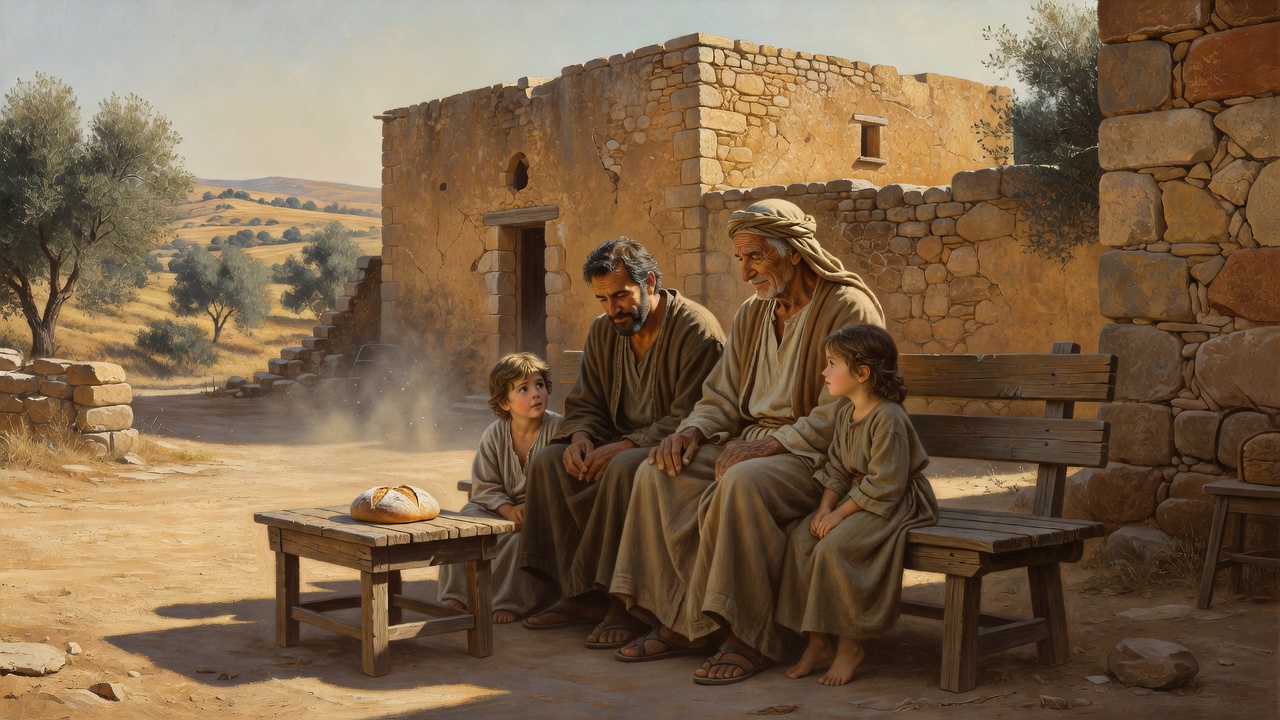
Você sabia?
Sabedoria para os relacionamentos, a fala e o coração
- As antigas técnicas metalúrgicas usavam cadinhos para a prata e fornalhas de alto calor para o ouro a fim de separar o metal precioso das impurezas. O provérbio utiliza esse processo de refino para ilustrar como o Senhor examina e prova as motivações mais profundas do coração humano.Fontes: o próprio texto bíblico
- A imagem de iniciar uma contenda como o rompimento de uma represa reflete os antigos diques de irrigação e contenção de água. Uma pequena rachadura em uma barragem de terra rapidamente se alarga em uma torrente incontrolável, ilustrando por que os conflitos devem ser contidos antes de se espalharem.Fontes: o próprio texto bíblico
- Na literatura sapiencial bíblica, a moderação na fala e a manutenção de um espírito calmo são marcas essenciais de entendimento. Provérbios observa que o silêncio está tão associado à prudência que até mesmo o insensato que refreia suas palavras pode ser considerado sábio.Fontes: o próprio texto bíblico
Notas escritas com auxílio de IA a partir de fontes abertas (Theographic Bible Metadata, CC BY-SA 4.0; Easton’s Bible Dictionary, domínio público) e revisadas antes de publicar.
Créditos e licença desta tradução
I tnalù dwata
New Testament in Blaan, Sarangani
copyright © 1998 Wycliffe Bible Translators, Inc.
Language: Sarangani Blaan (Blaan, Sarangani)
Translation by: Wycliffe Bible Translators
Contributor: Wycliffe Bible Translators, Inc.
Copyright Information
© 1998, Wycliffe Bible Translators, Inc. All rights reserved.
This translation text is made available to you under the
terms of the Creative Commons License: Attribution-Noncommercial-No Derivative Works.
( http://creativecommons.org/licenses/by-nc-nd/3.0/ )
In addition, you have permission to port the text to different file formats, as long as you
do not change any of the text or punctuation of the Bible.
You may share, copy, distribute, transmit, and extract portions
or quotations from this work, provided that you include the above copyright
information:
You must give Attribution to the work.
You do not sell this work for a profit.
You do not make any derivative works that change any of the actual words or punctuation of the Scriptures.
Permissions beyond the scope of this license may be
available if you contact
us with your request.
The New Testament
in Blaan, Sarangani
© 1998, Wycliffe Bible Translators, Inc. All rights reserved.
This translation is made available to you under the terms of the
Creative Commons Attribution-Noncommercial-No Derivatives license 4.0.
You may share and redistribute this Bible translation or extracts from it in any format, provided that:
You include the above copyright and source information.
You do not sell this work for a profit.
You do not change any of the words or punctuation of the Scriptures.
Pictures included with Scriptures and other documents on this site are licensed just for use with those Scriptures and documents.
For other uses, please contact the respective copyright owners.
2015-03-17
Fonte: http://ebible.org/bps/ · eBible.org