Mateus 2
I tnalù dwata · Toque num versículo para ver as referências cruzadas.
I klauy dad to fulung meye i kagu dad blatik di Bétléhém
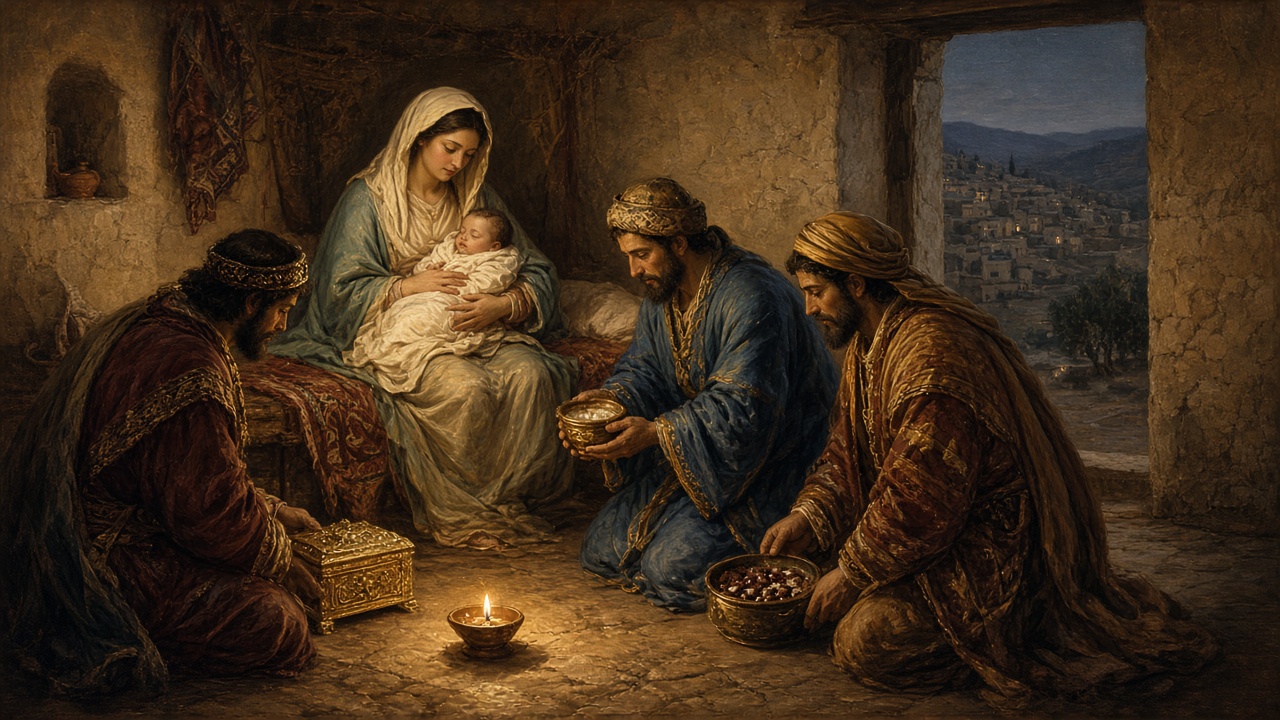
1Na déén gusut Dyisas di tukay lunsud Bétléhém glam di banwe Dyudiya di bang i kagot Harì Hérod i banwe Dyudiya. Kafnge ksut Dyisas nun dad to too fulung meye kagu i dad blatik kel di syudad Dyérusalém mdà di banwe di gusut i duh. Na manla, 2“Tanè gumnè i tingà falami sut, én mgimò kadang harì i dad Dyu? Tateenmi di gusut i duh i blatik ilè kakelan. Taman salu gami dini du mangamfù di kenen.”
3Na di kaklinge Harì Hérod tasut satu falami harì, too msamuk i nawan kel di kdee dad to di kagotan déén di Dyérusalém. 4Na én nimoan, fastifunan dad ganlal di kafaglut i dad Dyu, dunan i dad ulu i dad bà di Dwata na i dad to tamdò i dad flalò blé Dwata fagu di ku Mosis, na snalekan ale ku tanè gusut Krayst, i To Mgalék Dwata. 5Na manla, “Déén di tukay banwe dnagit Bétléhém glam di banwe Dyudiya, du ani sulat i tugad Dwata, manan,
6‘Ge Bétléhém, i tukay lunsud di banwe Dyudiya,
balù too tukay ge too mdatah ge di kdee banwe di Dyudiya,
du déén di ge kadang gumdà i satu ulu,
na kenen mifat i dad togu, dad bel Israél.’ ”
7Na di kaklinge Harì Hérod i gusut Krayst, fatlon i dad to too fulung meye i kagu dad blatik di landè to gmadè dun, du snalekan ale ku kilen ksut i blatik. 8Kgadean dun, dekan ale ditù di Bétléhém, manan, “Mdà gamu na tooyu fanngabal i tingà én. Na ku teenyu kenen, samfulê gamu dini du fgadèyu deg i gusablaan, du fye salu agu ditù du mangamfù di kenen.”
9Na di kaklingela i gman Harì Hérod, mdà ale. Na teenla i blatik tateenla ditù di gusut i duh magu gsen di munala kel di kfanakan déén di tah i sablà gumnè i tingà. 10Di kitela i blatik, too ale lehew! 11Kakella di gumnè teenla i tingà di saféd i yéan Méri, na lkuad ale di munan du mangamfù ale di kenen. Na nukalla dad mabtas nebela du bléla di tingà, dunan blawen, na dad mabtas fangbun dnagit insénso na mira. 12Kafnge én, mulê ale di banwela, bay mahal dalanla mulê du tafgadè Dwata di dale fagu di kna na fye ku nang ale samfulê di ku Harì Hérod.
I kila ale Dyosif di banwe Idyif
13Na di kakubu i dad to fulung meye kagu dad blatik, nun kasaligan Dwata lêman msut di ku Dyosif fagu di kna, na manan, “Mték ge, nebem i tingà na yéan, na mila gamu ditù di banwe Idyif, na mnè gamu ditù, du fan fanngabal Harì Hérod i tingà ani du fnatin. Silang gamu mulê ku mangu di gamu.”
14Na taman mték Dyosif na neben i tingà na yéan, du mdà ale di butang én salu ditù di Idyif. 15Na mnè ale déén kel di kfati Harì Hérod. Na fagu déén gdohò i gman Dwata fagu di satu tugadan, manan, “Tlogu tingàgu lamwà fdu di banwe Idyif.”
16Na di kaglabat Harì Hérod mafgaw kenen du mdà di nimò dad to fulung meye kagu dad blatik, too kenen flabè. Taman dekan i dad ton fnati kdee dad ngà lagi falami sut kel di lwe fali i ktuala mnè di banwe Bétléhém na di dademe banwe mdadong déén. Laloan i gman dad to fulung meye kagu dad blatik ku tan i klo mdà di ksut i blatik, du én gugmadean kalnawa tingà fafatin. 17Na mdà di kfati i kdee dad ngà ani too gdohò i gman Dwata fagu di tugadan Dyérimaya, manan,
18“Nun linge to di banwe Rama
kamwak na mlanu.
Nngel Rakél i dad ngaan,
na landè gamlala nawan,
du tamati dad ngaan.”
I kulê ale Dyosif fdu di banwe Idyif
19Kafnge i kfati Harì Hérod nun kasaligan msut di ku Dyosif déén di Idyif fagu di kna, na manan, 20“Mték ge, nebem i tingà na yéan, na samfulê gamu di banwe Israél, du tamati i dad to mayè mati i tingà.”
21Na taman mték Dyosif, na neben i tingà na yéan mulê di banwe Israél. 22Kabay di kaklinge Dyosif, na én tlas ku Harì Hérod magot i banwe Dyudiya dunan i tingaan Arkilas, likò kenen mnè ditù di Dyudiya. Na mdà di kafngewe Dwata kenen fagu di kna, baling ale salu di banwe Galili. 23Na i gumnèla di Galili, dunan i tukay lunsud dnagit Nasarét. Na ani kagdohò i gman Dwata fagu di tugadan, manan, “I katlola kenen, to mdà di Nasarét.”
Você sabia?
Magos, Herodes e Nazaré
- O rei Herodes deste capítulo é Herodes, o Grande. Seu filho Arquelau, tido com Malthace, uma mulher samaritana, herdou um terço do reino: a Idumeia, a Judeia e a Samaria. Até poucos dias antes da morte de Herodes, outro filho, Antipas, havia sido nomeado sucessor, mas, em seus últimos momentos, Herodes nomeou Arquelau; por medo dele, José desviou-se da Judeia e retirou-se para a Galileia.Fontes: Archelaus · o próprio texto bíblico
- Mateus relaciona a morte dos meninos em Belém com palavras ditas pelo profeta Jeremias: uma voz em Ramá, Raquel chorando por seus filhos. Raquel, uma das esposas de Jacó, morreu ao dar à luz Benjamim e foi sepultada à beira do caminho para Efrata, isto é, Belém, logo ao norte da cidade. Seu sepulcro é objeto de grande veneração entre os judeus.Fontes: o próprio texto bíblico · Rachel · Bethlehem
- Belém, na região montanhosa de Judá, chamava-se antes Efrata e também era conhecida como a cidade de Davi; sob os romanos, ficava na Judeia, a mais meridional das três divisões da Palestina. José e Maria foram, em vez disso, para Nazaré, na Galileia, sua terra, uma cidade não mencionada no Antigo Testamento. Em geral, supõe-se que o nome Nazaré venha do hebraico netser, um broto ou rebento, embora alguns o liguem a uma palavra que significa guardar ou vigiar.Fontes: Bethlehem · Judea · Nazareth · o próprio texto bíblico
Notas escritas com auxílio de IA a partir de fontes abertas (Theographic Bible Metadata, CC BY-SA 4.0; Easton’s Bible Dictionary, domínio público) e revisadas antes de publicar.
Lugares deste capítulo
- Bethlehem · 31.704, 35.208 · versículos 1, 5, 6, 8, 9, 16
- East · Hoje: region around Amman · 31.955, 35.934 · versículos 1, 2, 9
- Jerusalem · 31.777, 35.234 · versículos 1, 3
- Judea · Hoje: Judea 1 · 31.777, 35.234 · versículos 1, 5, 22
- Egypt · 30.129, 31.308 · versículos 13, 14, 15, 19
- Galilee · 32.760, 35.527 · versículo 22
- Nazareth · 32.702, 35.298 · versículo 23
Só aparecem lugares com identificação de alta confiança (90% ou mais segundo as fontes acadêmicas reunidas pelo OpenBible). Mapa da época: DARE (Digital Atlas of the Roman Empire), CC BY 4.0; mapa atual: © colaboradores do OpenStreetMap; lugares: OpenBible.info (CC BY 4.0).
Créditos e licença desta tradução
I tnalù dwata
New Testament in Blaan, Sarangani
copyright © 1998 Wycliffe Bible Translators, Inc.
Language: Sarangani Blaan (Blaan, Sarangani)
Translation by: Wycliffe Bible Translators
Contributor: Wycliffe Bible Translators, Inc.
Copyright Information
© 1998, Wycliffe Bible Translators, Inc. All rights reserved.
This translation text is made available to you under the
terms of the Creative Commons License: Attribution-Noncommercial-No Derivative Works.
( http://creativecommons.org/licenses/by-nc-nd/3.0/ )
In addition, you have permission to port the text to different file formats, as long as you
do not change any of the text or punctuation of the Bible.
You may share, copy, distribute, transmit, and extract portions
or quotations from this work, provided that you include the above copyright
information:
You must give Attribution to the work.
You do not sell this work for a profit.
You do not make any derivative works that change any of the actual words or punctuation of the Scriptures.
Permissions beyond the scope of this license may be
available if you contact
us with your request.
The New Testament
in Blaan, Sarangani
© 1998, Wycliffe Bible Translators, Inc. All rights reserved.
This translation is made available to you under the terms of the
Creative Commons Attribution-Noncommercial-No Derivatives license 4.0.
You may share and redistribute this Bible translation or extracts from it in any format, provided that:
You include the above copyright and source information.
You do not sell this work for a profit.
You do not change any of the words or punctuation of the Scriptures.
Pictures included with Scriptures and other documents on this site are licensed just for use with those Scriptures and documents.
For other uses, please contact the respective copyright owners.
2015-03-17
Fonte: http://ebible.org/bps/ · eBible.org