1 Tessalonicenses 4
I tnalù dwata · Toque num versículo para ver as referências cruzadas.
I knayè Dwata di dad to faglut
1Nun fa kayèmi man dad flanekgu. Tatdòmi gamu kibòyu kfagu i ktoyu, du fye gaflehewyu Dwata, na ani lalòyu. Kabay ani, toomi fni na fakdo di gamu mdà di dagit Amuito Dyisas, fnadlugyu fa tamnù i fye nimòyu. 2Hae, du tagadèyu ku tan dad tdòmi di gamu fagu di glal Amuito Dyisas.
3I knayè Dwata, ku mbaling gamu dad to landè gbol sasè di nawayu, na fawag gamu di sasè knayè lawehyu, 4du fye kat satu gamu dad lagi gmadè kibòyu mwè yaan fagu di fye di kite Dwata na di kite dad to, 5ise fagu di sasè knayè lawehyu, du ani nimò dad to là gmadè Dwata. 6Na gablà én, tooyu neye du fye landè di gamu gamsalà di demeyu faglut. Nangyu nlimbung kenen fagu di kwèyu i làyu nfun, du ani toomi tdò di gamu di muna fa, dunan fanlayam Dwata simto gamsalà gambet én. 7Hae, du ise ku én duen Dwata malék gito mbaling dad ton, ku mimò ito sasè knayè lawehito, bay mgalékan ito, du fye mbaling ito dad to landè sasè gbol di nawaito. 8Taman ku simto là mayè flinge i tdò ani, ise ku alò gami i laan fanlinge, bay Dwata i mlé di gamu Mtiu Tulus too mtiu.
9Na gablà di kasakdoyu dad flanekyu faglut, balù là gami smulat di gamu, du Dwata sa tatamdò gamu kibòyu sakdo, 10du gadègu kamdo gamu kdee dad flanekyu faglut di klamang banwe Masidunya. Kabay dad flanekgu, toomi fni di gamu, tananùyu fa i kasakdoyu.
11Too gamu mngabal dalan di ktanak i knèyu. Nang gamu mlabet di ise gamu nimò, bay fgal gamu mimò kat satu gamu, du fye gwèyu kdee klidùyu, du salngad di gmanmi di gamu di munan. 12Du ku ani nimòyu, nafè gamu dad to là faglut, na landè kamuyu mni klidùyu di balù simto to.
I kasfulê Dyisas
13Dad flanekgu, kayèmi fgadè di gamu i kaglut gablà di dademeito dad faglut tamati, du fye là gamu mlidù salngad klidù i dad to là faglut landè imen nawala ku lêman ale mto mdà di fati. 14Du fnaglutito Dyisas mati na mték, taman fnaglutito dad demeito faglut di ku Dyisas tamati nték Dwata, na faginan ale ku Dyisas kadang di kasfuléan.
15Ani manmi gamu fagu di gman Amuito Dyisas di gami, dunan balù simto di gito mto fa di bang kasfulê Amuito Dyisas Krayst là sa guna di dad demeito faglut tamati, 16du di bang én kadang, Amuito Dyisas Krayst fdanà mdà di langit magin i katlon, na tamlo i mdatah kasaliganan, na muni i twang Dwata. Na dad to faglut di ku Krayst tamati di muna fa, funa nték Dwata. 17Kafnge én, gito dad mto fa di bang én, nketan ito ditù di dad labun di langit salngan i dademe to tamati, du smitong ito Amuito Dyisas déén di langit, na mnè ito di safédan kel di landè sen. 18Taman snatgalyu nawayu fagu di takafgadègu gamu ani.
Você sabia?
Santidade, amor e esperança pelos que morreram
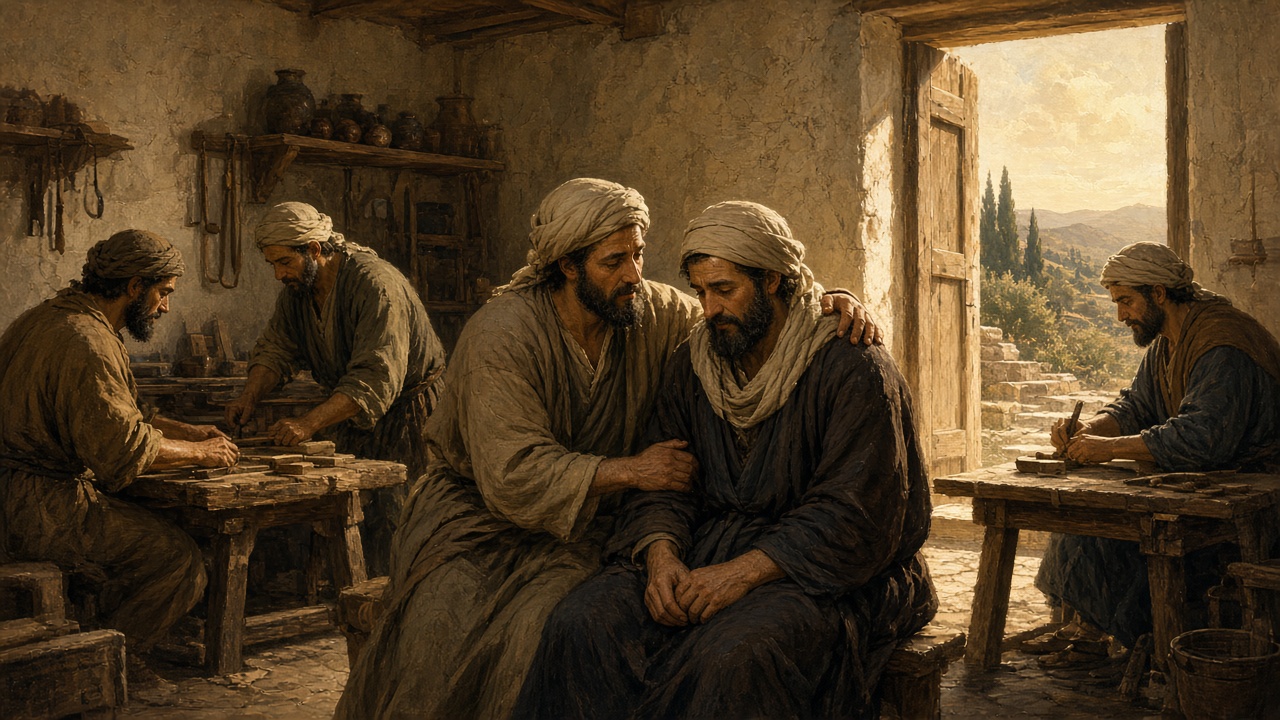
- Este capítulo observa que seus leitores já demonstravam amor a todos os irmãos por toda a Macedônia. Nos tempos do Novo Testamento, a Macedônia era uma província romana situada ao norte da Grécia, governada por um propretor com o título de procônsul. Paulo foi chamado por uma visão do "homem da Macedônia" para pregar o evangelho ali.Fontes: o próprio texto bíblico · Macedonia
- O capítulo fala dos mortos como pessoas que dormem ou adormeceram, e pede aos leitores que não se entristeçam como os demais, que não têm esperança. Porque Jesus morreu e ressuscitou, diz o texto, Deus trará com Jesus os que nele adormeceram; os mortos em Cristo ressuscitarão primeiro, e então os que ainda estiverem vivos serão arrebatados com eles nas nuvens para encontrar o Senhor nos ares.Fontes: o próprio texto bíblico
- Os leitores são exortados a aspirar a uma vida tranquila, a cuidar dos próprios assuntos e a trabalhar com as próprias mãos, como já lhes havia sido instruído. O capítulo apresenta isso como o modo de se portar corretamente diante dos de fora e de não depender de ninguém.Fontes: o próprio texto bíblico
Notas escritas com auxílio de IA a partir de fontes abertas (Theographic Bible Metadata, CC BY-SA 4.0; Easton’s Bible Dictionary, domínio público) e revisadas antes de publicar.
Lugares deste capítulo
- Macedonia · 41.600, 22.540 · versículo 10
Só aparecem lugares com identificação de alta confiança (90% ou mais segundo as fontes acadêmicas reunidas pelo OpenBible). Mapa da época: DARE (Digital Atlas of the Roman Empire), CC BY 4.0; mapa atual: © colaboradores do OpenStreetMap; lugares: OpenBible.info (CC BY 4.0).
Créditos e licença desta tradução
I tnalù dwata
New Testament in Blaan, Sarangani
copyright © 1998 Wycliffe Bible Translators, Inc.
Language: Sarangani Blaan (Blaan, Sarangani)
Translation by: Wycliffe Bible Translators
Contributor: Wycliffe Bible Translators, Inc.
Copyright Information
© 1998, Wycliffe Bible Translators, Inc. All rights reserved.
This translation text is made available to you under the
terms of the Creative Commons License: Attribution-Noncommercial-No Derivative Works.
( http://creativecommons.org/licenses/by-nc-nd/3.0/ )
In addition, you have permission to port the text to different file formats, as long as you
do not change any of the text or punctuation of the Bible.
You may share, copy, distribute, transmit, and extract portions
or quotations from this work, provided that you include the above copyright
information:
You must give Attribution to the work.
You do not sell this work for a profit.
You do not make any derivative works that change any of the actual words or punctuation of the Scriptures.
Permissions beyond the scope of this license may be
available if you contact
us with your request.
The New Testament
in Blaan, Sarangani
© 1998, Wycliffe Bible Translators, Inc. All rights reserved.
This translation is made available to you under the terms of the
Creative Commons Attribution-Noncommercial-No Derivatives license 4.0.
You may share and redistribute this Bible translation or extracts from it in any format, provided that:
You include the above copyright and source information.
You do not sell this work for a profit.
You do not change any of the words or punctuation of the Scriptures.
Pictures included with Scriptures and other documents on this site are licensed just for use with those Scriptures and documents.
For other uses, please contact the respective copyright owners.
2015-03-17
Fonte: http://ebible.org/bps/ · eBible.org