2 Coríntios 7
Hen alen Apudyus · Toque num versículo para ver as referências cruzadas.
1Sosnod way laylaychê, chichachi hen empopostan Apudyus an chitaaw, wat antaaw ammag etagay koma hen aminay laweng way mangempa-aggarémha hen achar ya umat agé hen hamhamà. Ta antaaw paat an iyafiin ah Apudyus ya ta antaaw an agawaan paat way machachallosan ah pomegpegsaan hen mangammaantaaw hen usto.
Hen laylayad Pablo uray no cha maligatan
2Anyu koma an taptapyan hen layadyu an chàni te maid met enam-ammaanni ah laweng an chàyu ya maid agé chinachaelni an chàyu ya maid met agé linugini an chàyu. 3Achì cha aryén chato ah mangempafasorà an chàyu, te tot-owa chillu hen anchi imfafaggà way ammag achi makàka-an hen layadni an chàyu, tàén matéy-ani. 4Yag an-ani agég sigurachu mepanggép an chàyu way ammaanyu hen usto wat annig cha ichayaw chàyu hen tapena. Yag tàén chuar hen napaligatanni, mas-ém chillu hen hamhamàni gapon chàyu wat an-ani ammag laylayad way térén.
5Yag uray hen anchi inumchahanni ad Macedoniaén iggay maka-an hen ligatni te an chànig nanggagaw-én hen chuaray ligat way ammag maid achi wacha ah komontara. Yag cha-ani agé machanagan te magat ma-allilaw hen afurotyu. 6Ngém ah Apudyus way cha chillu mangemparaylayad hen hamhamà hen anchichay cha ngomehpéy hen hamhamàna, emparaylayadna agé hen hamhamàni hen inumchahan Tito way narpohna ah fabréyyu. 7Yag faén agé yanggay hen anchi inumchahana hen nangemparaylayad an chàni, te hen anchichay henaphapetna agé way enkamanyu way nangempas-ém hen hamhamàna. Yag henaphapetna agé hen layadyu paat ano way mangila an haén, yag hen namfafawiyanyu agé, ya hen chayu agé manàchégan an haén. Wat ammag kaskasen hen laylayad-o.
8Ah katot-owana, achiyà chan a-amuyu gapon anchi pés-éy sorat-o an chàyu, tàén lommawengay térén hen hamhamàyu hen hiyachi. Manowat te nachanaganà hen anchi pés-éyna tot-owa, ngém ammay te an hen-aketan yanggay yag naka-an hen anchi lommawengan hen hamhamàyu. 9Wat ad uwan, anà ammag lommaylayad yag faén agé gapo hen lommawengan hen hamhamàyu, te gapo hen halenonot nadchi way yachi hen namfafawiyanyu ah namalewanyu hen a-ammayu. Te inyusar tot-owa Apudyus hen anchi lommawengan hen hamhamàyu ah pagsaya-atanyu, wat maid peet karaweng hen anchi nanoratanni an chàyu. 10Te hen halenonot chillu hen anchi lommawengan hen hamhamà way usarén Apudyus, wat hen mamfafawiyan ah kafalewan chi hamhamà. Ya hen halenonot nadchi agéat ah kahara-an. Yag maid met man-a-amuyuwan no mahara-anta. Waman no wachay lommawengan hen hamhamà yag antag achi chillu mamfafawi, wat hen halenonot nadchiyat hen mesenaan an Apudyus. 11Ngém chàyu, emparufusyu tot-owa ah Apudyus way mangusar hen anchi lommawengan hen hamhamàyu. Wat hen halenonotna, anyuwat an ennongnong hen afurotyu way anyug kasen penateg hen nenènong way a-amma, te enagorgoranyu hen enammaan hen anchi fummasor way iggayyu paat laychén way metakorong, te laychényu paat way mangamma hen usto. Wat tenlényu way nanusa an hiya ta achiayu mafiinan an Apudyus ya umat agé an chàni. Yag hen ihay halenonot hen namfafawiyanyu agéat, anyu paat agég laychén way mangilan haén. Wat maila way pahig usto hen enkamanyu mepanggép hen anchi fummasoranchi.
12Wat hen nangensoratà hen anchi sorat-o an chàyu, faén yanggay ah kachusaan hen anchi tagu way fummasor, ya faén yanggay agé ah katorongan hen anchi nangammaana hen laweng, te ensorat-ochi ah mangenlasinanyu amin hen kenatot-owan hen hamhamàyu an chàni hen sangwanan Apudyus. 13Wat gapon chayu enammaan, seném-ém tot-owa hen hamhamàni.
Yag faén agé yanggay chàni hen nepas-ém hen hamhamàna, te uray agé ah Tito. Yag ommam-améd agé hen lommaylaychanni hen nangil-anni hen layadna te ommammay hen hamhamàna hen nangil-ana hen enkamkamanyu. 14Te hen cha-anna umaliyan ahna, chà inchayaw chàyu an hiya. Yag ammay te tommot-owa hen amin anchichay imfagà, wat maid eman fumiinà. Te kaman hen anchi chani mangaryan hen pahig tot-owa an chàyu, wat kaman agéhchi way pahig tot-owa agé hen aminay imfagani an Tito mepanggép an chàyu. 15Wat ammag ommam-améd hen hamhamàna an chàyu te achina aliw-an hen layadyu way nangafurot hen imfagana, ya anat agé hen chanagyu no enammaanyu hen usto ono iggay. 16Wat ammag pararo hen laylayad-o agé te ad uwan, maid poros chuwachuwà way matalek-ayu tot-owa.
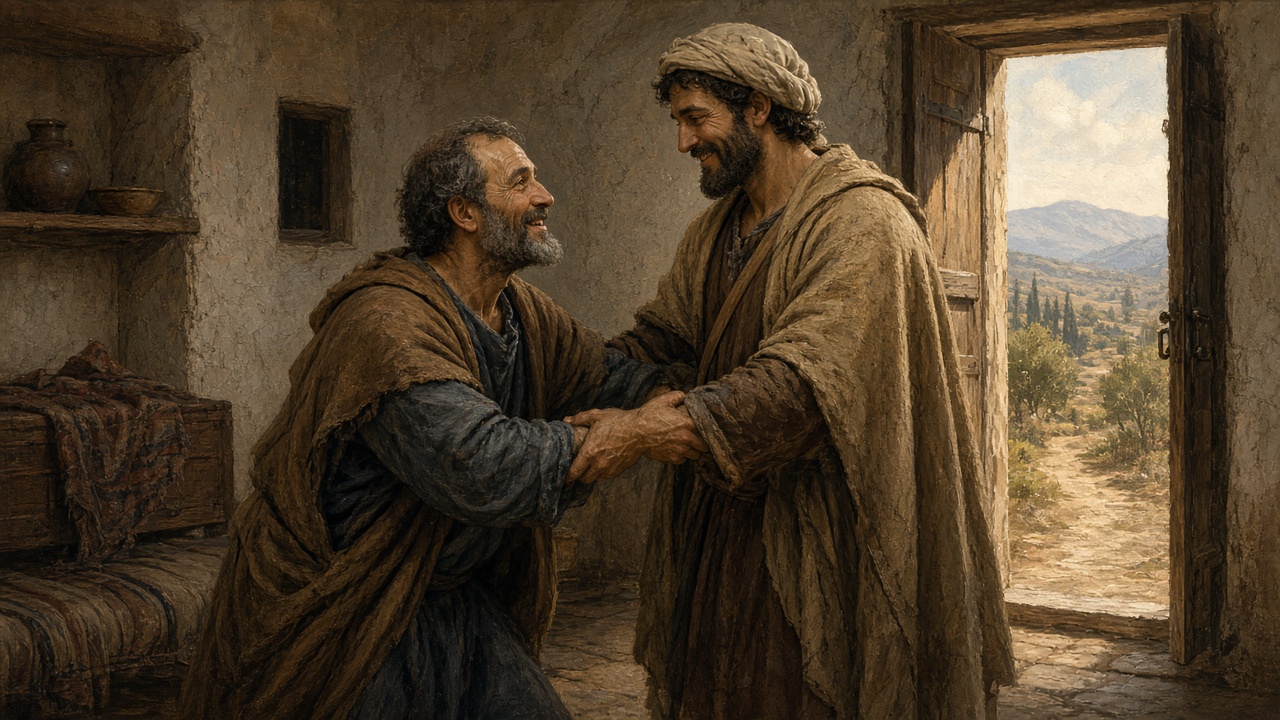
Você sabia?
Consolo depois de uma carta dolorosa
- A Macedônia, onde Paulo diz que chegou sem descanso no corpo — conflitos por fora e temores por dentro —, era uma província romana ao norte da Grécia. Ali, ele escreve, o Deus que consola os abatidos o consolou com a chegada de Tito.Fontes: Macedonia · o próprio texto bíblico
- Paulo fala de uma carta que os entristeceu, mas só por pouco tempo. Agora ele se alegra não porque ficaram tristes, mas porque essa tristeza os levou ao arrependimento; diz que sentiram a tristeza que Deus havia disposto, não foram prejudicados por ele e mostraram empenho, zelo e inocência naquele assunto.Fontes: o próprio texto bíblico
- Um breve relato descreve Tito como companheiro de Paulo, aparentemente um gentio que se dedicava sobretudo a ministrar aos gentios. Neste capítulo, Paulo diz que a chegada de Tito o consolou, que Tito contou a saudade, o pranto e o zelo deles, e que receberam Tito com temor e tremor.Fontes: Titus · o próprio texto bíblico
Notas escritas com auxílio de IA a partir de fontes abertas (Theographic Bible Metadata, CC BY-SA 4.0; Easton’s Bible Dictionary, domínio público) e revisadas antes de publicar.
Lugares deste capítulo
- Macedonia · 41.600, 22.540 · versículo 5
Só aparecem lugares com identificação de alta confiança (90% ou mais segundo as fontes acadêmicas reunidas pelo OpenBible). Mapa da época: DARE (Digital Atlas of the Roman Empire), CC BY 4.0; mapa atual: © colaboradores do OpenStreetMap; lugares: OpenBible.info (CC BY 4.0).
Créditos e licença desta tradução
Hen alen Apudyus
New Testament in Balangao
copyright © 1982 Wycliffe Bible Translators, Inc.
Language: Balangao
Translation by: Wycliffe Bible Translators, Inc.
Copyright Information
© 1982, Wycliffe Bible Translators, Inc. All rights reserved.
This translation text is made available to you under the
terms of the Creative Commons License: Attribution-Noncommercial-No Derivative Works.
( http://creativecommons.org/licenses/by-nc-nd/3.0/ )
In addition, you have permission to port the text to different file formats, as long as you
do not change any of the text or punctuation of the Bible.
You may share, copy, distribute, transmit, and extract portions
or quotations from this work, provided that you include the above copyright
information:
You must give Attribution to the work.
You do not sell this work for a profit.
You do not make any derivative works that change any of the actual words or punctuation of the Scriptures.
Permissions beyond the scope of this license may be
available if you contact
us with your request.
The New Testament
in Balangao
© 1982, Wycliffe Bible Translators, Inc. All rights reserved.
This translation is made available to you under the terms of the
Creative Commons Attribution-Noncommercial-No Derivatives license 4.0.
You may share and redistribute this Bible translation or extracts from it in any format, provided that:
You include the above copyright and source information.
You do not sell this work for a profit.
You do not change any of the words or punctuation of the Scriptures.
Pictures included with Scriptures and other documents on this site are licensed just for use with those Scriptures and documents.
For other uses, please contact the respective copyright owners.
2014-08-06
Fonte: http://ebible.org/blw/ · eBible.org