1 João 3
Deus Itaumbyry · Toque num versículo para ver as referências cruzadas.
1Angahumo odaylâ Kunwym Deus toenzepa kywynedyly awyly nidâ. Toenzepa kywynedylygue “Ymeombyry” kely kyam. Mâkâ imeom lelâlâ kurâ. Deus eynynâbaom modo olâ nutubamo Deus imeryem kydawyly, eynynonro keba tawylymogue. 2Iweâma tuomare kurâ, Deus imeryem kydawylygue. Kuomaru kuru olâ ise, eydâ atoram kytâduo. Kiuntuba olâ kurâ, mârâ ume âdara kidyly awyly. Cristo âetonduo olâ xutuze kurâ, eara kitoem aiese mâkâ-ro warâ. 3Deus izepa ato kulâ anientaymba Cristo; tywykenry mâkâ Deus xurâem. Cristo ara kidyly tynwânwânse kurâ; awylygue Deus ize ato lelâ aguiendyse kydawyly, Deus xurâem tywykenryem kitoem.
4Deus izepa ato aiesezeni mawânkâ tâwentâguezeim, aguehobyry nhakazezedylygue. Deus aguehobyry sakadyly watay, aguehobyry izepa tadawylylâ. 5Kâtaybyay igueze akâwâm Cristo onro anaxi âewyly, inakanhe aguitayn-hobyry modo âsebywadoem. Mâkâ olâ âdaunloenlâ Deus aguehobyry nakabyra. Xirâ tutuzelâ âmaemo. 6Cristo agâ tokaleom inakanhe aisezedyly nitaymba. Deus izepa ato aiesezeni olâ Cristo âdaunlo awyly nutuba, Deus imery awyly nutuba warâ.
7Âmaemo ymeombyry ara kâenkyly modo, Cristo eynynâbaom modo inokubyramo nidâ. Iozepa kulâ akaemo aguely. Koendonro lelâ aieni mawânkâ tâwentâguezeba. Deus ize ato lelâ anhekyly, Jesus Cristo tunwym ize ato anheto ara. 8Deus izepa ato aiesezeni olâ Diabu xurâ; idânârâ nhugudyly iraynâlâ myakâwândy Diabu, Deus izepa ato aieseze awyly. Deus imery onro anaxi âemâ, Diabu anhetyby sainze.
9Deus xurâ kydawylygue, Deus izepa ato kulâ aguiensezedaymba kurâ, Ispiritury kagâlâ awylygue. Aguehobyry kiankazezedoem nuduwâpyra, Kunwym awylygue. 10Tutuzelâ âmaemo, ânguy Deus xurâ, ânguy Diabu xurâ warâ awyly. Koendonro aietânry modo, Cristo eynynâ typemugu iwynedânry modo Deus imeom mâkeba.
Kypemugudo Jesus einwânni modo agâ kydâpynene
11Jesus einwândyly magulymo ume unâ mâindatybymo xirâ: “Jesus einwânni modo agâ kydâpynene; koendâ kydâzeto ara, arâ lâpylâ kagonrodo agâ koendâ kydâzene” kely. 12Caim ara inkâba kine. Diabu xurâem tawylygue myakâwândy tukono Abel nhâly. Abel olâ myakâwândy koendâ lelâ aini. Awylygue myakâwândy Deusram koendâ lelâ âzeholy. Caim pylâ myakâwândy Deus aguehobyry sakani-ro warâ. Tâsewânilygue kulâ myakâwândy tukono nhâly.
13Cristo eynynâ ypemugudo, Deus xurâ mawylymogue Deus iduery modo âewiâsedylymogue, tâseguâdâzeba itaungâ. 14Deus xurâem, iweloem ietybyem kydawyly tutuze kurâ, Cristo eynynâ kypemugudo kinwynedylygue. Tânehonze awârâ igueypyem, kurâem itondyby ara kydawyly. Âpynedânry modo olâ igueypy aramo kulâ, iweloem tyesebamo awylygue.
15Mâkâ Cristo eynynâ typemugu agâ âpynedânry, kyârinlâ mâkâ, Deus xurâem. Tutuzelâ âmaemo, kyârimpyry, adâitobyry Deus nhygakehoem nekabyra watay, tyigueduo, aunloenlâ Deus agâ nipyra awyly.
16Xirâ kiuntuly, âpyneni tyanuneba tagonro tienmakeday igueze. Cristo awârâ enehonwâm, kâmakeze tyiguehobyry wâgâ. Awylygue Cristo eynynâ kypemugu kâmaynoem watay, kienmakehoem kyiguely kiyntadaymba kine. 17Wakykely: “Deus tywyneze urâ, tâinwânse urâ warâ” kykely. Tâlâ kydato modo âdypebaom modo agâ kiempajigâbyra kurâ watay, tânehonze awârâ Deus kinwynebyra kydawyly, kyam aguehobyry aguiempyra kydawyly warâ. 18Âmaemo ymery ara kâenkyly modoram xirâ auguely. “Kydâpynene” kykely kulâ mâkeba nidâ. Kagonro kienmawyadâdoem aguyjiene. “Kydâpynene” kykeduo, âkeá lelâlâ aguykenre.
Tyanepa ise Deus enado kydawyly
19Kydâpyneduo, Deus aguehobyry kiankabyra kydawyly kiuntuly. Deus enado âdapa kehoem kydawyly; eagâ agueze tyanepa kydawyly warâ. 20Inakanhe aguitobyry wâgâ âwâlâ kulâ kydâsewendâdyly watay, kydâseguâdâbyra kine. Tutuze Deus, aguiendyseba ato aienibyryem lelâlâ kydawyly. Kienkadyly watay, kytyenze olâ mâkâ. 21Yataen-ho kâinwyneguyly modo, Deus kâwentâguebyra awyly kiuntuly watay, tyanunepa kurâ, eagâ aguykehoem. 22Kienkadyby xuduze lelâ, aguehobyry kiankabyra kydawylygue, ize ato aguiendylygue warâ. 23Xirâ azagâ mawânrâ Deus aguehobyry tutuzeim: “Ymery Jesus Cristo einwântaungâ” kely. “Âpynedaungâ” kely warâ. 24Aguehobyry aguiendyly watay, Deus agâpa kitaymba kurâ, kagâpa nitaymba lâpylâ ise. Kagâ awyly kiuntuly, Tyispiritury ingonotyby kagâ awylygue.
Você sabia?
Filhos de Deus e amor fraterno
- A advertência para não ser como Caim lembra o primogênito de Adão e Eva, lavrador da terra, cujo irmão Abel seguia a vida pastoral. Eles apresentaram ofertas: a de Abel, dos primogênitos e da gordura do rebanho, foi aceita como mais excelente, e Caim, cuja oferta era do fruto da terra, ficou muito irado. A carta diz que Caim era do maligno e assassinou Abel porque as suas próprias obras eram más e as de seu irmão eram justas.Fontes: Cain · o próprio texto bíblico
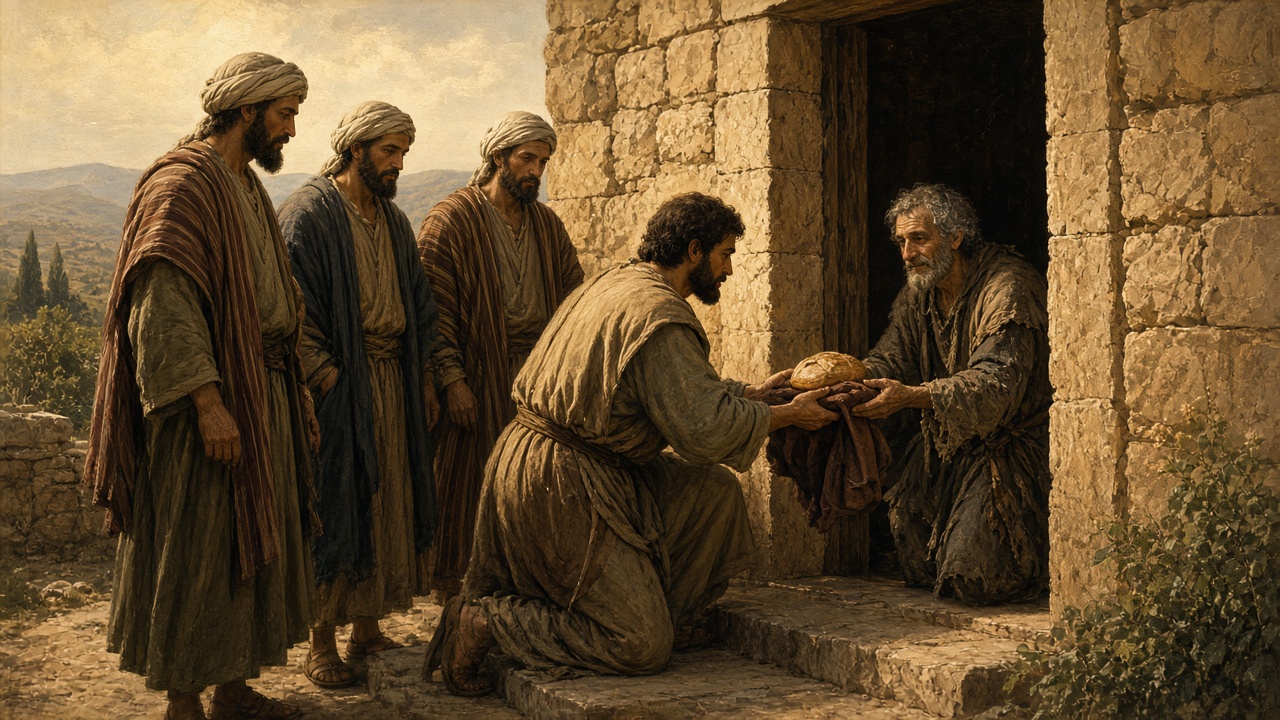
- Neste capítulo, odiar o irmão é tratado como homicídio: todo aquele que odeia seu irmão é homicida, e a vida eterna não reside num homicida. O amor se conhece porque Jesus entregou a sua vida por nós, e se diz aos leitores que devem entregar a vida pelos irmãos.Fontes: o próprio texto bíblico
- Os filhos de Deus se distinguem dos filhos do diabo por praticar a justiça e por amar o irmão. A mensagem ouvida desde o princípio é que devemos amar uns aos outros, e o mandamento de Deus é crer no nome de seu Filho, Jesus Cristo, e amar uns aos outros como ele ordenou.Fontes: o próprio texto bíblico
Notas escritas com auxílio de IA a partir de fontes abertas (Theographic Bible Metadata, CC BY-SA 4.0; Easton’s Bible Dictionary, domínio público) e revisadas antes de publicar.
Créditos e licença desta tradução
Deus Itaumbyry
New Testament in Bakairí
copyright © 2011 Wycliffe Bible Translators, Inc.
Language: Bakairí
Translation by: Wycliffe Bible Translators, Inc.
Copyright Information
© 2011, Wycliffe Bible Translators, Inc. All rights reserved.
This translation text is made available to you under the
terms of the Creative Commons License: Attribution-Noncommercial-No Derivative Works.
( http://creativecommons.org/licenses/by-nc-nd/3.0/ )
In addition, you have permission to port the text to different file formats, as long as you
do not change any of the text or punctuation of the Bible.
You may share, copy, distribute, transmit, and extract portions
or quotations from this work, provided that you include the above copyright
information:
You must give Attribution to the work.
You do not sell this work for a profit.
You do not make any derivative works that change any of the actual words or punctuation of the Scriptures.
Permissions beyond the scope of this license may be
available if you contact
us with your request.
The New Testament
in Bakairí
© 2011, Wycliffe Bible Translators, Inc. All rights reserved.
This translation is made available to you under the terms of the
Creative Commons Attribution-Noncommercial-No Derivatives license 4.0.
You may share and redistribute this Bible translation or extracts from it in any format, provided that:
You include the above copyright and source information.
You do not sell this work for a profit.
You do not change any of the words or punctuation of the Scriptures.
Pictures included with Scriptures and other documents on this site are licensed just for use with those Scriptures and documents.
For other uses, please contact the respective copyright owners.
2014-04-23
Fonte: http://ebible.org/bkqNT/ · eBible.org