Romanos 15
Lalang hu Dios · Toque num versículo para ver as referências cruzadas.
Sa Igkabayà-bayà Hu Duma Ha Mga Etaw
1Sikuy sa mga mabis-ay hu pagtuu, kinahanglan ha buligan taw sa mga maluya hu pagtuu. Harì taw iyan dà henhenaen sa makapaayad kanuy 2ba iyan taw buhaten sa agkabayà-bayaan hu mga duma taw ta daw malig-enan sa pagtuu dan. 3Ta bisan si Cristo hurà magbuhat hu nakapalipay kandin ta nakasulat en sa inikagi din duun hu Dios ha “Pigtameyes a daan taena ha migtameyes ikaw.” 4Sa katuyuan hu alan ha insulat su anay ha lalang hu Dios iyan sa matudluan kuy ta daw pinaagi hu pagpailub hu mga alantusen daw hu pagpadasig hu lalang din amin taw iman paghinam.
5Sa Dios ha iyan puunaan hu pagpailub daw pagpadasig buhaten din ha masabuwa kaw sumalà hu kinaiya hi Jesu Cristo 6ta daw masabuwa kaw duun hu pagdayè nuy hu Dios ha iyan Amay hi Jesu Cristo ha Ginuu taw.
Sa Pagtuu Hu Kenà Mga Judio
7Magdinawatà kaw iling ha dinawat kaw daan hi Cristo ta daw madayè sa Dios. 8Ta ikagiyen ku inyu ha si Cristo nabuhat ha suluguen duun hu mga Judio ta daw mapamatud-an din ha sa Dios matinumanen hu mga insaad din duun hu mga gin-apuan taw 9daw sinyu sa kenà mga Judio magdayè kaw daan hu Dios tumenged hu kahid-u din inyu. Ta nakasulat en sa inikagi hi Jesu Cristo duun hu Dios ha
“Siak daw sa mga kenà Judio tagpasalamat ikaw daw tagkanta kay hu pagdayè ikaw.”
10Daw inikagi pa ha
“Sinyu sa kenà mga Judio, maglipay kaw gayed duma hu mga Judio sa pinilì hu Dios.”
11Daw amin pa daan inikagi ha
“Sinyu sa kenà mga Judio, dayea nuy gayed sa Dios daw sa alan ha kaet-etawan magdayè daan kandin.”
12Si Isaias minikagi daan hu
“Amin agpakauma ha kaliwat hi Jese ha iyan magharì duun hu kenà mga Judio daw iyan haena taghinamen dan.”
13Sa Dios ha iyan puunaan hu taghinamen taw mailahan kaw kandin hu adagi ha kalipay daw kalinaw tumenged hu pagsalig nuy kandin ta daw mag-iseg gayed sa paghinam nuy pinaagi hu gahem hu Balaan ha Ispiritu.
Si Pablo Sinugù Duun Hu Kenà Mga Judio
14Mga suled, nasiguru ku gayed ha maayad sa pamatasan nuy daw nasabut nuy sa kamatuuran aman angayan kaw en ha magtinudluay. 15Ba duun taini ha sulat ku hurà a gayed magduwa-duwa hu pagpahenà-henà inyu taena ha intudlù en inyu su anay. Sa hinengdan ha binuhat ku haini ta inilahan a hu Dios hu katenged 16ha suluguen hi Jesu Cristo duun hu kenà mga Judio. Iling a hu sinaligan hu paghalad tumenged hu pagsangyaw ku hu Maayad ha Tultulanen ha napuun duun hu Dios ta daw tumenged hu pagtuu taena ha kenà mga Judio mabayà-bayaan sidan hu Dios isip ha halad ha mahimpit pinaagi hu Balaan ha Ispiritu.
17Duun hu pagpakigsabuwa ku ki Jesu Cristo harì ku gayed ikagayhà sa pag-alagad ku duun hu Dios. 18Ba sa matultul ku iyan dà sa binuhat hi Cristo pinaagi kanak ta migmatinumanen duun hu Dios sa kenà mga Judio tumenged hu mga lalang daw hu mga buhat ku, 19sa mga timaan daan daw sa mga belenganen ha impaahà ku pinaagi hu Balaan ha Ispiritu. Sugud ta Jerusalem payanaen en diyà ta Ilirico naniguru a gayed hu pagsangyaw hu Maayad ha Tultulanen mahitenged ki Cristo. 20Iyan ku katuyuan ha makasangyaw ku haena duun hu mga lugar ha hurà pa makakilala ki Cristo ta daw harì ku mapamabawan sa intudlù hu duma. 21Ta sa insulat ha lalang hu Dios tagyanaen
“Saena ha hurà pa makapaliman matultulan mahitenged kandin daw saena ha hurà pa makasabut makakilala ku sin-u haena.”
Sa Kabayà Hi Pablo Hu Pagdiyà Ta Roma
22Tumenged hu pagpanunultul ku taini kapila ad en kayawat hu pagdiyan ta inyu. 23Ba iman ha napengahan kud en sa mga buluhaten ku duun hu mga banuwa dini daw tumenged ta nalugay en sa kabayà ku hu pagdiyan, 24taghinam a gayed ha maahà ku inyu hu pag-agi ku diyan payanaen ta Espanya. Ku maiwas en sa mababà ha panahun hu pagtimà ku diyan mabuligan a daan inyu hu pagdayun ku hu paghipanaw. 25Ba iman agdiyà a pa ta Jerusalem hu paghat-un taini ha igbulig duun hu mga tumutuu diyà 26ta sa mga tumutuu duun hu mga probincia ta Macedonia daw ta Acaya agkabayà gayed ku makabulig hu mga makaluluuy ha mga tumutuu diyà ta Jerusalem. 27Igkalipay dan gayed sa pagbuhat taena daw maayad daan ku mabuligan dan sa mga Judio hu kinahanglanen dan ta sa impakatuu dan pinaagi man hu mga Judio daan. 28Aman ku makahat-un kud en haini sa igbulig dan agdayun a diyà ta Espanya ba aghapit a diyan ta inyu, 29daw natun-an ku ha ku makadiyan a adagi gayed sa panalangin kanuy hi Cristo.
30Mga suled, pinaagi ki Jesu Cristo ha Ginuu taw daw hu pagpalanggà ha in-ila hu Balaan ha Ispiritu aghangyuen ku inyu ha makigsabuwa kaw kanak pinaagi hu pag-ampù nuy kanak duun hu Dios. 31Ampui nuy ha harì a pasipalahan hu kenà mga tumutuu diyà ta probincia ta Judea daw mabayà-bayà gayed sa mga tumutuu diyà ta Jerusalem hu pagdawat taini ha ighat-un ku, 32ta ku iyan pagbayà hu Dios makadiyan a ta inyu ha malipayen daw madasig a daan ku maahà ku inyu. 33Sa Dios ha iyan puunaan hu kalinaw magduma inyu.
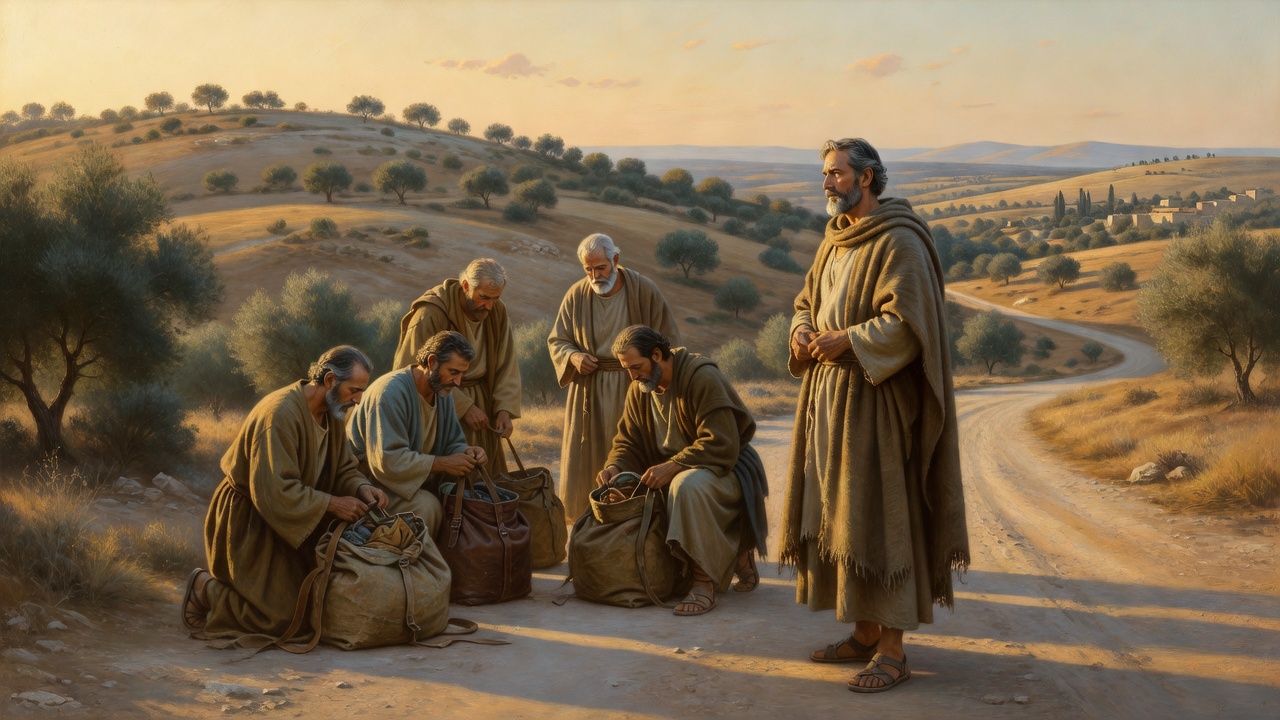
Você sabia?
A esperança dos gentios e o caminho para o oeste
- Paulo escreve que proclamou plenamente o evangelho de Cristo desde Jerusalém, dando a volta até o Ilírico. O dicionário bíblico de Easton (1897) situa essa região a noroeste da Macedônia, na costa oriental do Adriático, e a descreve como então quase inteiramente compreendida na Dalmácia; afirma que ele percorreu o Ilírico na terceira viagem missionária, que foi o distrito mais distante que alcançou na pregação e que uma viagem pela Macedônia o teria levado até as fronteiras dessa região.Fontes: o próprio texto bíblico · Illyricum
- Ele espera ver os crentes de Roma a caminho da Espanha e, depois de entregar em Jerusalém a contribuição da Macedônia e da Acaia, partir para a Espanha passando por eles. O dicionário bíblico de Easton (1897) registra essa intenção, mas observa que não há evidência de que ele a tenha realizado, embora alguns pensem que provavelmente o fez entre a sua primeira e a sua segunda prisão.Fontes: o próprio texto bíblico · Spain
- Citando Isaías, ele diz que a Raiz de Jessé apareceria e se levantaria para governar os gentios, e que os gentios poriam nele a sua esperança. Jessé foi o pai de Davi, e o dicionário bíblico de Easton (1897) afirma que a expressão raiz de Jessé é usada para o Messias, enquanto tronco de Jessé é usada para a família de Davi.Fontes: o próprio texto bíblico · Jesse
Notas escritas com auxílio de IA a partir de fontes abertas (Theographic Bible Metadata, CC BY-SA 4.0; Easton’s Bible Dictionary, domínio público) e revisadas antes de publicar.
Lugares deste capítulo
- Illyricum · 43.539, 16.483 · versículo 19
- Jerusalem · 31.777, 35.234 · versículos 19, 25, 26, 27, 31
- Rome · 41.892, 12.485 · versículo 24
- Spain · Hoje: Hispania · 40.210, -4.350 · versículos 24, 28
- Achaia · 38.720, 22.540 · versículo 26
- Macedonia · 41.600, 22.540 · versículo 26
- Judea · Hoje: Judea 1 · 31.777, 35.234 · versículo 31
Só aparecem lugares com identificação de alta confiança (90% ou mais segundo as fontes acadêmicas reunidas pelo OpenBible). Mapa da época: DARE (Digital Atlas of the Roman Empire), CC BY 4.0; mapa atual: © colaboradores do OpenStreetMap; lugares: OpenBible.info (CC BY 4.0).
Créditos e licença desta tradução
Lalang hu Dios
New Testament in Binukid
copyright © 1986 Wycliffe Bible Translators, Inc.
Language: Binukid
Translation by: Wycliffe Bible Translators, Inc.
Copyright Information
© 1986, Wycliffe Bible Translators, Inc. All rights reserved.
This translation text is made available to you under the
terms of the Creative Commons License: Attribution-Noncommercial-No Derivative Works.
( http://creativecommons.org/licenses/by-nc-nd/3.0/ )
In addition, you have permission to port the text to different file formats, as long as you
do not change any of the text or punctuation of the Bible.
You may share, copy, distribute, transmit, and extract portions
or quotations from this work, provided that you include the above copyright
information:
You must give Attribution to the work.
You do not sell this work for a profit.
You do not make any derivative works that change any of the actual words or punctuation of the Scriptures.
Permissions beyond the scope of this license may be
available if you contact
us with your request.
The New Testament
in Binukid
© 1986, Wycliffe Bible Translators, Inc. All rights reserved.
This translation is made available to you under the terms of the
Creative Commons Attribution-Noncommercial-No Derivatives license 4.0.
You may share and redistribute this Bible translation or extracts from it in any format, provided that:
You include the above copyright and source information.
You do not sell this work for a profit.
You do not change any of the words or punctuation of the Scriptures.
Pictures included with Scriptures and other documents on this site are licensed just for use with those Scriptures and documents.
For other uses, please contact the respective copyright owners.
2014-08-06
Fonte: http://ebible.org/bkd/ · eBible.org