2 Coríntios 4
KƗLӘ-MƗNDƗ KƗ SƗGƗ · Toque num versículo para ver as referências cruzadas.
Kɨrɨsɨ e naa tɨ kɨ njé kaw kɨlə je
1Təkɨ e kɨlə kɨ Luwə ə adɨ-je kɨ go me-majɨ tɨ lie, tɔgɨje goto ta tɨ al. 2Je jɨ mbatɨ nḛ ra kɨ lo ɓɔyɔ tɨ, kɨ nḛ kɨ to rɔsɔl kɨ dɨje ɨsɨ rai. Pa njɨyəje e kɨ lo kədɨ kəm-naa tɨ al, taa jɨ mbɨr ta lə Luwə dam kare al tɔ. Lokɨ jɨ tɔjɨ nḛ kɨ rɔjetɨ kɨ taga ɓa, jɨ sangɨ kadɨ jɨ taa me dɨje ta kəm Luwə tɨ tə taa yo. 3NGa nɨngə, re Poy Ta kɨ Majɨ kɨ j-ɨsɨ j-ɨlə mbḛe kɨn, to lo ɓɔyɔ tɨ ɓa, to lo ɓɔyɔ tɨ mbata lə dɨje kɨ ɨsɨ awi tujɨ tɨ, 4mbata lə njé me nga̰ je. Su kɨ nje ko̰ɓe dɔ dɔnangɨ tɨ ne, bəy angalde bəy, nḛ gər ləde goto, adɨ lo kadɨ ooi kunjɨ Poy Ta kɨ Majɨ kɨ nje tɔjɨ tɔɓa lə Kɨrɨsɨ kɨn goto. Kɨrɨsɨ kɨ e bana kəm Luwə wa. 5Təkɨ rɔjetɨ, j-ɨsɨ j-ɨlə mbḛ rɔje je wa al, nə e Jəju Kɨrɨsɨ kɨ Ɓaɓe ə j-ɨsɨ j-ɨlə mbḛe. NGa nɨngə je wa je ɓəə ləsi mbata tɨ lə Jəju. 6Tadɔ Luwə kɨ nje kəl ə nə: «Kadɨ kunjɨ unjɨ dan tɨl tɨ» kɨn ə adɨ kunje unjɨ nga̰meje tɨ, mba kadɨ jɨ gər-n kətɨ ɓəl lie kɨ unjɨ pal kəm Kɨrɨsɨ tɨ kɨn.
7Nɨngə nḛ majɨ lə NDɨl kɨn, j-otɨ darɔje tɨ kɨ to̰ kɨ to tə ngoo kɨ kɨbə kɨ nangɨ be kɨn. E be kadɨ to ay njay təkɨ tɔgɨ kɨ ətɨ ɓəl kɨn ḭ rɔ Luwə tɨ ɓɨ ḭ rɔje tɨ je al. 8Ko̰ je kɨ dangɨ dangɨ kawi-naa kɨ dɔje tɨ, nə budɨ sɨngə je al; meje gangɨ man, nə j-ore meje nga̰ wa kɨn. 9Dɨje ɨndəi kəmje ndoo, nə Luwə ɨyə̰-je kɔ al; tɔti-je nangɨ, nə tɔli-je al. 10Darɔje ɨsɨ oy ko koy lə Kɨrɨsɨ kɨ dɔkagɨlo je pətɨ, mba kadɨ dɨje ooi təkɨ Kɨrɨsɨ ɨsɨ kəm ba darɔje tɨ. 11Tadɔ je kɨ j-ɨsɨ kɨ dɔje taa, j-ɨsɨ ta koy tɨ kɨ dɔkagɨlo je pətɨ mbata tɨ lə Kɨrɨsɨ. E be kadɨ dɨje ooi təkɨ Kɨrɨsɨ ɨsɨ kəm ba darɔje tɨ kɨ ndɔ madɨ ə a oy kɨn. 12Lo kɨn tɨ, je j-a je ta koy tɨ kadɨ tə səi ɨsɨ kəm ba tɔ.
13Təkɨ e ndɨl kadɨ-me kɨ kare ba ə ɨsɨ ra kɨlə meje tɨ, makɨtɨbɨ lə Luwə əl ə nə: «E mbata kadɨ kɨ m-adɨ mem Luwə ə m-əl ta lie.» Nɨngə je ka e mbata kadɨ kɨ j-adɨ meje Luwə ə j-əl ta lie tɔ. 14Tadɔ jɨ gər kadɨ, Luwə kɨ tḛḛ kɨ Ɓaɓe Jəju lo koy tɨ kɨn, a tḛḛ səje lo koy tɨ kɨ Kɨrɨsɨ tɔ. A tḛḛ səje kadɨ ɨndə je nɨm, səi je nɨm kadɨne tɨ. 15Nḛ je pətɨ kɨ tḛḛ dɔje tɨ e mbata majɨ ləsi. Nɨngə, lo kɨn tɨ, ra majɨ lə Luwə a to mbar mbar kadɨ aw kɨ dɔ dɨje tɨ kɨ kəte kəte. Aw kɨ kəte kəte kadɨ tə dɨje kɨ njé kəl ta kɨ Luwə, rai-e-n oyo je, pɨti-e-n je, toi mbar mbar kɨ dɔ tɨ.
16E mbata kɨn ə, j-ɨngə-n tɔgɨ par par. Re darɔje kɨ koo kɨ kəm ne kɨn ə tɔge ɨsɨ təl kɨ gogɨ ka, ndɨlje ɨsɨ ɨngə tɔgɨ kɨ rangɨ kɨ ndɔ je ndɔ je. 17Tadɔ ko̰ je kɨ j-ɨsɨ j-ɨngə-de ɓone kɨn, e ko̰ kɨ dɔkagɨlo lie e ndə̰y be par, taa ɔle kəl kare tɔ, lokɨ j-un j-ɨndə kadɨ tɔɓa tɨ kɨ ətɨ ɓəl, kɨ dɔbəye goto kɨ a re go ko̰ je tɨ kɨn. 18Nḛ kɨ j-ɨsɨ j-a̰y ngɔde, e nḛ kɨ dəw oo kɨ kəmne kɨn al, nə e nḛ kɨ dəw oo kɨ kəmne al yo. Nḛ kɨ dəw oo kɨ kəmne, ndɔe e ngay al, nə nḛ kɨ dəw oo kɨ kəmne al, a to bɨtɨ kɨ no̰ tɨ.
Você sabia?
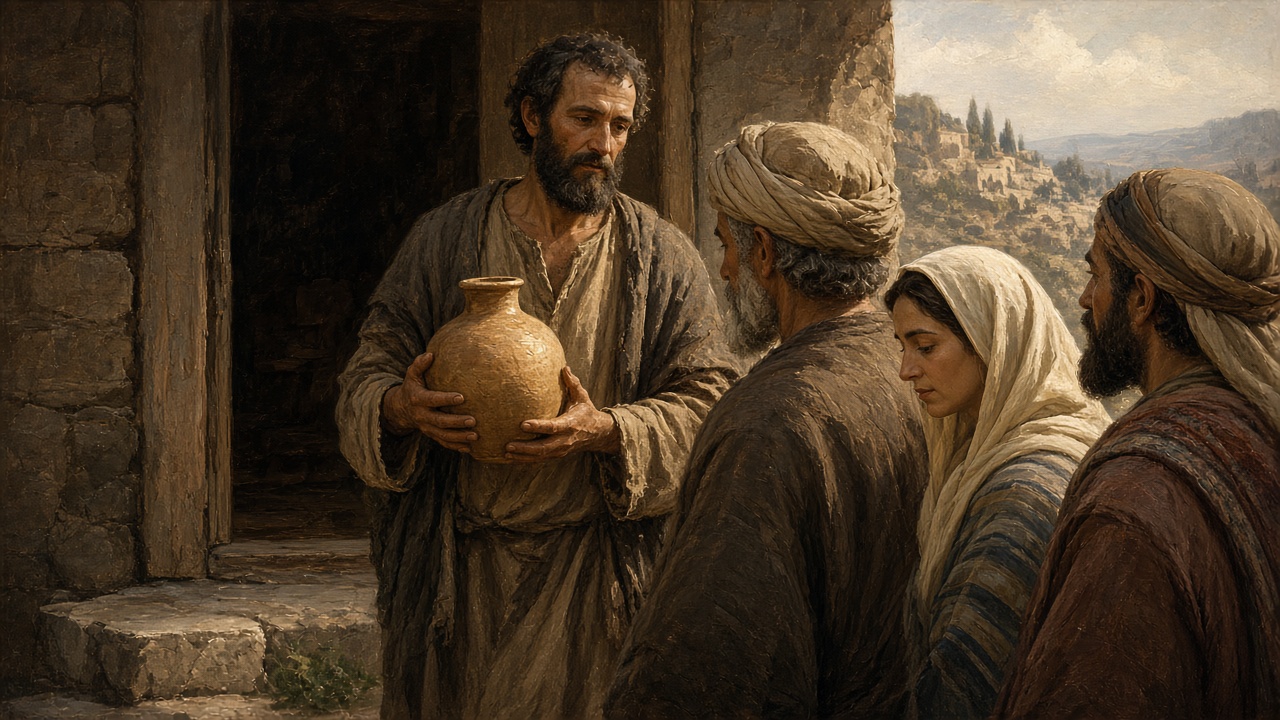
Tesouro em jarros de barro
- Neste capítulo, os que falam dizem que, porque Deus em sua misericórdia lhes deu este ministério, eles não desanimam. Renunciaram a caminhos secretos e vergonhosos: não praticam o engano nem distorcem a palavra de Deus, mas, pela proclamação aberta da verdade, recomendam-se à consciência de cada pessoa diante de Deus.Fontes: o próprio texto bíblico
- A mensagem deles é apresentada como um tesouro guardado em jarros de barro, para que se mostre que esse poder incomparavelmente grande vem de Deus e não deles. O mesmo contraste percorre suas dificuldades: pressionados de todos os lados, mas não esmagados; perplexos, mas não desesperados; perseguidos, mas não abandonados; derrubados, mas não destruídos.Fontes: o próprio texto bíblico
- A luz é a outra imagem central do capítulo. Deus, que disse: "Que a luz brilhe das trevas", é apresentado como quem fez brilhar a sua luz no coração deles, para dar a luz do conhecimento da glória de Deus no rosto de Jesus Cristo. Eles não proclamam a si mesmos, mas a Jesus Cristo como Senhor, e a si mesmos como servos daqueles a quem se dirigem, por causa de Jesus; se o evangelho está encoberto, o texto diz que está encoberto para os que perecem, cujas mentes foram cegadas pelo "deus desta era".Fontes: o próprio texto bíblico
Notas escritas com auxílio de IA a partir de fontes abertas (Theographic Bible Metadata, CC BY-SA 4.0; Easton’s Bible Dictionary, domínio público) e revisadas antes de publicar.
Créditos e licença desta tradução
KƗLӘ-MƗNDƗ KƗ SƗGƗ
New Testament in Bedjond (CD:bjv:Bedjond)
copyright © 2011 Wycliffe Bible Translators, Inc.
Language: Bedjond
Translation by: Wycliffe Bible Translators, Inc.
Copyright Information
© 2011, Wycliffe Bible Translators, Inc. All rights reserved.
This translation text is made available to you under the
terms of the Creative Commons License: Attribution-Noncommercial-No Derivative Works.
( http://creativecommons.org/licenses/by-nc-nd/3.0/ )
In addition, you have permission to port the text to different file formats, as long as you
do not change any of the text or punctuation of the Bible.
You may share, copy, distribute, transmit, and extract portions
or quotations from this work, provided that you include the above copyright
information:
You must give Attribution to the work.
You do not sell this work for a profit.
You do not make any derivative works that change any of the actual words or punctuation of the Scriptures.
Permissions beyond the scope of this license may be
available if you contact
us with your request.
The New Testament
in Bedjond
© 2011, Wycliffe Bible Translators, Inc. All rights reserved.
This translation is made available to you under the terms of the
Creative Commons Attribution-Noncommercial-No Derivatives license 4.0.
You may share and redistribute this Bible translation or extracts from it in any format, provided that:
You include the above copyright and source information.
You do not sell this work for a profit.
You do not change any of the words or punctuation of the Scriptures.
Pictures included with Scriptures and other documents on this site are licensed just for use with those Scriptures and documents.
For other uses, please contact the respective copyright owners.
2021-11-01
Fonte: http://ebible.org/bjvNT/ · eBible.org