Apocalipse 3
Iwo Surua Mua Wie Pha Bible · Toque num versículo para ver as referências cruzadas.
Sardis shii mua
1Sardis hà charch pha hamangkhliie shii zey:
“Hì ne Hamangkhung-aphuii hanyie shii miley luruakthek nane miley dadiangthek um pha airo mua ro. Nathek nyie rek pha jine gu ne thieg; nathek ne isieng rone yao jishii nathek ne iyjong rone gu ne thieg! 2Ji-è sieng mage bo, nathek shii nyie um bamuii pha ji shii hì zab iy dun pha ibi shii chuh rek bo.” Gu ne doh muii ro nathek è nyie rek pha jine guro Hamangkhung-aphuii mieg shii thuh de akhriig ro. 3Chiihphado, nathek shii nyie yua chiih-è nathek è nyie yoi pha ji shii now bo, ji nuii srane nawaithek layogthek re-è khid bo. Nathek asieng arone, gu ne mugopho duiine nathek lakhung shii wuii ruii pha ro, chiih-è nathek ne gu khuchung wuii ruii pha ishak ji rangde athieg phro. 4Jishii Sardis hà giak ne nawaithek yungthek so ruiijong ro. Nathek ne imo guii ne, gu rog lua ruii phro, nyieliieshii nathek ne rek spho chak ro. 5Hanyie è yang pha ji shii mua pho ne imo ji duiine guii ruii phro, chiih-è gu ne ithek ro ibengthek ne sieng pha jigi re-è asad phro. Guro Aphuii nane airo hamangkhliiethek moe shii gu ne ithek shii guro chak rone hong ne yaothiak pha ro. 6“Nathek shii khohthek um arone, chiihphado, jigigam è charch shii nyie yao pha ji yoi bo!
Philadelphia shii mua
7“Philadelphia hà, churh pha hamangkhliiethek shii zey:
“Hì pha mua ne hanyie yi so nane izai pha jia ji è ro. Dawid shii um pha ziuwad ne aishii um ro, chiih-è ai habin hong mage shii, hanyie jia è abin mua phro, ai è bin mage shii hanyie è ahong mua ro. 8Nathek nyie rek pha jine gu ne thieg; nathek shii blu ìujia um pha ji gu ne thieg; nathek ne gu muyua shii luagieng chiih-è gu shii isiie rek. Gu ne nathek ibi shii, hanyie jia è abin mua pha habin hong phi ro. 9Yoi bo! Sakhathong ro ibrog, hanyie è ithek ne Jewthek rone biidiie yao jishii ithek asi pho, gu ne ithek shii wuii yi srane nathek lai shii bam yi pha ro. Gu ne nathek shii miie rone ithek ne zab thieg ruii phro. 10Nyieliieshii nathek shii zud bo è yao pha guro muyung shii rek, sohnyiak pha zab branthek shii chai pha diig ishak thog ruii pha ji è gu ne nathek shii de ragia rek ruii phro. 11Gu ne khthiie wuii ruii pha ro. Nathek shii nyie um pha ji ragia ruii bo, ji è nathek ro yang pha lasen shii ne ithek shii ariao yi rabo. 12Gu ne hanyie è yangpho shii ne guro Hamangkhung-aphuii ro Jewthek misiahò pha sarongthek rab ruii phro, chiih-è ithek ne khuchungde athoh phro. Gu ne ithek lakhung shii guro Hamangkhung-aphuii ro ibeng zey pha ro chiih-è nyie yi guro Hamangkhung-aphuii pha hamangkhung re-è buzam wuii ruii pha, iwo Jerusalem, guro Hamangkhung-aphuii pha rajan beng zey pha ro. Gu ne ithek lakhung shii guro iwo ibeng de zey ruii phro.
13“Nathek shii khohthek um arone, chiihphado, Luruakthek è charchthek shii nyie yao pha ji yoi bo!
Laodisia shii mua
14“Laodisia hà, charch pha hamangkhliie shii zey bo:
“Hì ne Amen re-è mua ro, hanyie ne Hamangkhung-aphuii è zen phi zab ro igobi ro chiih-è jine isiie nane izai khagi de ro. 15Nathek è rek pha jine gu ne thieg; gu ne thieg nathek ne chaiy de asi lua de asi ro. Gu ne nathek yi chaiy magunde lua magunde jia rey bone yang ro! 16Jishii nyieliieshii nathek ne lua chieg de asi chaiy de asi pha laleb lua ro, gu ne nathek shii guro sem è cho muii phro! 17Nathek ne yao, ‘gu chid pha jine gu shii um, gu ne bajo bukho nane gu ne nyie de achid sha ro.’ Jishii nathek ne khama duhug nane bushunma-èogpho rone athieg ro! Nathek ne dusho, ikhilen, chiih-è miegthi ro. 18Gu nathek shii yua, chiihphado, bukho rey yi pha igang san ne gu re-è pheg bo. Guii pha Yung imo de pheg srane nawaithek ro biwo ikhilen shii guii bo. Nawaithek mieg shii shund pha mah de pheg bo, ji è nathek ne riig mua. 19Gu è hanyie shii miie pha ji shii ne giung ne lago phi pha ro. Wiengbo, chiihphado, chiih-è nawaithek layogthek è khid bo. 20Yoi bo! Gu ne habin shii riu srane chog pha ro; hanyie jia è gu goh yoi srane habin hong arone, gu ne ai hò iliing wuii srane ai rog shii chie pha ro, chiih-è ai ne gu rog shii chie ruii phro. 21Gu ne yangthek shii mua srane gu è Aphuii airo biang shii dug pha duiine, hanyie è yang pha ji mua pho shii ne gu biang hà gu moe shii dug pha rangsua phi ruii phro.
22“Nathek shii khohthek um arone, chiihphado, Ragung è charch shii nyie yao pha ji yoi bo!”
Você sabia?
Cartas a Sardes, Filadélfia e Laodiceia
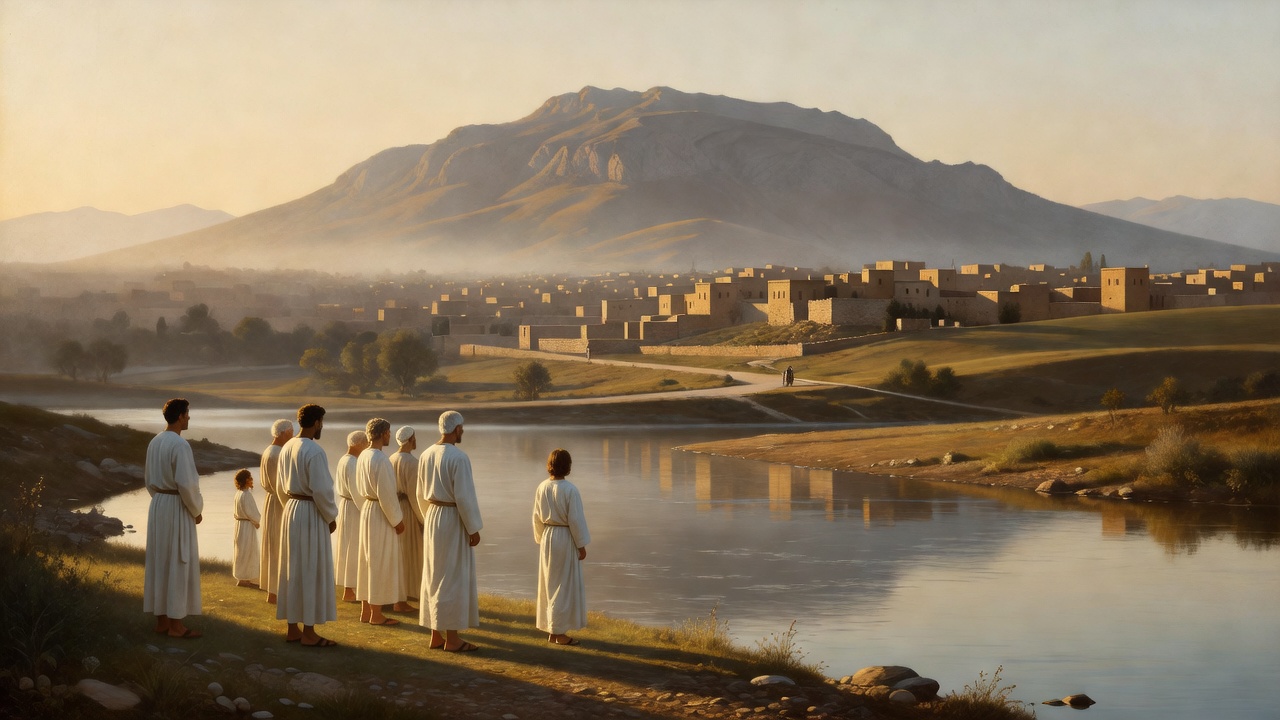
- O capítulo 3 do Apocalipse reúne cartas a igrejas de três cidades da Ásia Menor. Sardes, a metrópole da Lídia, ficava à beira do rio Pactolo, ao pé do monte Tmolo. Filadélfia, nome que significa “amor fraternal”, ficava a cerca de vinte e cinco milhas a sudeste de Sardes; Laodiceia ficava junto ao Lico, onde a Frígia e a Lídia se encontram, a cerca de quarenta milhas a leste de Éfeso.Fontes: Sardis · Philadelphia · Laodicea · o próprio texto bíblico
- Laodiceia chamou-se primeiro Dióspolis e depois Roas. Mais tarde recebeu o nome de Laodiceia por causa de Laódice, esposa de Antíoco II, rei da Síria, que a reconstruiu. O Easton's Bible Dictionary (1897) a apresenta como uma das cidades mais importantes e prósperas da Ásia Menor e como um antigo centro de destaque do cristianismo; na carta, diz-se que essa igreja afirma ser rica, ter enriquecido e não precisar de nada.Fontes: Laodicea · o próprio texto bíblico
- A carta a Filadélfia fala de uma “sinagoga de Satanás” e de pessoas que se dizem judias, mas a quem ela chama de mentirosas. Satanás significa “adversário” ou “acusador”, e no Novo Testamento o nome é usado de modo intercambiável com o diabo.Fontes: Satan · o próprio texto bíblico
Notas escritas com auxílio de IA a partir de fontes abertas (Theographic Bible Metadata, CC BY-SA 4.0; Easton’s Bible Dictionary, domínio público) e revisadas antes de publicar.
Lugares deste capítulo
- Sardis · 38.488, 28.040 · versículos 1, 4
- Philadelphia · Hoje: Alaşehir · 38.350, 28.517 · versículo 7
- Jerusalem · 31.777, 35.234 · versículo 12
- Laodicea · Hoje: Laodicea on the Lycus · 37.836, 29.108 · versículo 14
Só aparecem lugares com identificação de alta confiança (90% ou mais segundo as fontes acadêmicas reunidas pelo OpenBible). Mapa da época: DARE (Digital Atlas of the Roman Empire), CC BY 4.0; mapa atual: © colaboradores do OpenStreetMap; lugares: OpenBible.info (CC BY 4.0).
Créditos e licença desta tradução
Iwo Surua Mua Wie Pha Bible
The Holy Bible in the Bugun language of India, first Bible translation
copyright © 2023 The Word for the World International
Language: Kho (Bugun)
Contributor: The Word for the World Southeast Asia
The New Testament in Bugun
published as
IWO SURUA
Mua Wie Pha Bible
The Word For The World International
This translation is made available to you under the terms of the
Creative Commons Attribution license 4.0.
You may share and redistribute this Bible translation or extracts from it in any format, provided that:
You include the above copyright and source information.
If you make any changes to the text, you must indicate that you did so in a way that makes it clear that the original licensor is not necessarily endorsing your changes.
Pictures included with Scriptures and other documents on this site are licensed just for use with those Scriptures and documents.
For other uses, please contact the respective copyright owners.
Note that in addition to the rules above, revising and adapting God's Word involves a great responsibility to be true to God's Word. See Revelation 22:18-19.
2023-08-31
Fonte: http://ebible.org/bgg/ · eBible.org