Apocalipse 7
ସଃର୍ଗାର୍ ବାଟ୍ ନଃଉଁଆ ନିଅମ୍ · Toque num versículo para ver as referências cruzadas.
୧୪୪,୦୦୦ ଇସ୍ରାଏଲାର୍ ଲକ୍
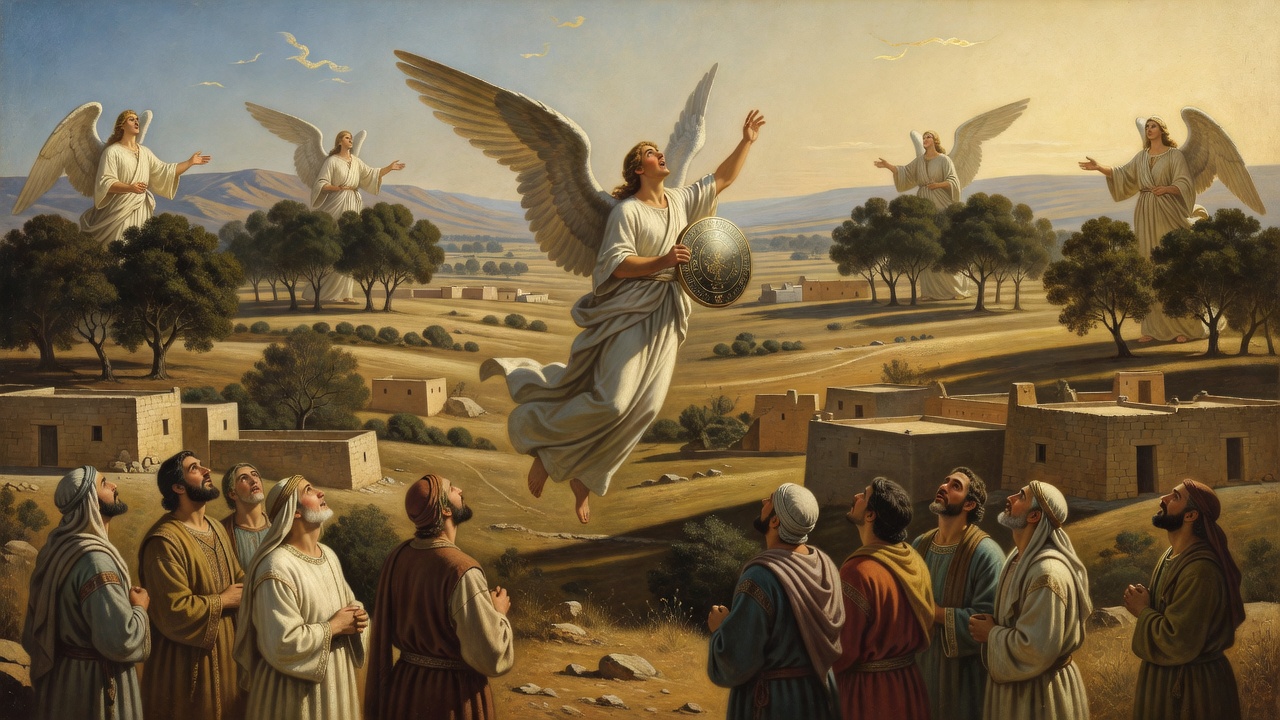
1ତାର୍ହଃଚେ ମୁୟ୍ଁ ଦଃକ୍ଲେ, ହୁର୍ତି କି ସଃମ୍ନ୍ଦ୍ ବୁଏଁ କି କୁୟ୍ ଗଃଚ୍ ଉହ୍ରେ ଜଃନ୍କଃରି ବାଉ ନଃଦୁକେ, ଇତାର୍ ଗିନେ ହୁର୍ତିବିର୍ ଚାରି କଣେ ଚାରି ଗଟ୍ ଦୁତ୍ ଟିଆ ଅୟ୍ ହୁର୍ତିବିର୍ ଚାରି କନେ ବାଉକ୍ ତେବାୟ୍ ଦଃରି ଆଚ୍ତି । 2ଆରେକ୍ ମୁଁୟ୍ ଗଟେକ୍ ଦୁତ୍କେ ହୁର୍ବ୍ ଦିଗେ ହୁଣି ଉଟି ଆସ୍ତାର୍ ଦଃକ୍ଲେ; ତାର୍ ଆତେ ଜିବନ୍ ଇସ୍ୱରାର୍ ମୁଦ୍ରା ରିଲି । ହୁର୍ତି ଆର୍ ସଃମ୍ନ୍ଦ୍ ନଃସ୍ଟ୍ କଃରୁକେ ଅଃଦିକାର୍ ଦିଆ ଅୟ୍ଲା ସେ ଚାରି ଗଟ୍ ଦୁତ୍କେ ସେ କୁଦି କୟ୍ଲା, 3“ଅଃମିମଃନ୍ ତୁମିମଃନାର୍ ଇସ୍ୱରାର୍ ସେବାକାରିମଃନାର୍ କଃହାଳେ ମୁଦ୍ରା ନଃମାର୍ତା ହଃତେକ୍ ତୁମିମଃନ୍ ହୁର୍ତି କି ସଃମ୍ନ୍ଦ୍ କି ଗଃଚ୍ମଃନ୍କ୍ ନଃସ୍ଟ୍ କଃରାନାୟ୍ ।” 4ତାର୍ହଃଚେ ମୁଦ୍ରା ମାରା ଅୟ୍ଲା ଲକ୍ମଃନାର୍ ଲଃମ୍ବର୍ ମୁୟ୍ଁ ସୁଣ୍ଲେ, ଇସ୍ରାଏଲାର୍ ହୟ୍ସିମଃନାର୍ ସଃବୁ ବଃଉଁସ୍ ବିତ୍ରେ ହୁଣି ୧୪୪,୦୦୦ ଲକ୍କେ ମୁଦ୍ରା ମାରା ଅୟ୍ଲି । 5ଜିଉଦା ବଃଉଁସେ ହୁଣି ବାର ଆଜାର୍, ରୁବେନ୍ ବଃଉଁସେ ହୁଣି ବାର ଆଜାର୍, ଗାଦ ବଃଉଁସେ ହୁଣି ବାର ଆଜାର୍, ମୁଦ୍ରାମାର୍ଲାର୍, 6ଆସେର୍ ବଃଉଁସେ ହୁଣି ବାର ଆଜାର୍, ନପ୍ତାଲି ବଃଉଁସେ ହୁଣି ବାର ଆଜାର୍, ମନସି ବଃଉଁସେ ହୁଣି ବାର ଆଜାର୍, 7ସିମିୟନ୍ ବଃଉଁସେ ହୁଣି ବାର ଆଜାର୍, ଲେବି ବଃଉଁସେ ହୁଣି ବାର ଆଜାର୍, ଇସାକାର୍ ବଃଉଁସେ ହୁଣି ବାର ଆଜାର୍, 8ସୁବ୍ଲନ୍ ବଃଉଁସେ ହୁଣି ବାର ଆଜାର୍, ଜସେପ୍ ବଃଉଁସେ ହୁଣି ବାର ଆଜାର୍, ବିନ୍ୟାମିନ୍ ବଃଉଁସେ ହୁଣି ବାର ଆଜାର୍ ମୁଦ୍ରା ମାର୍ଲାର୍ ।
ଅଲେକାର୍ ଲକ୍ ଦଃଳ୍
9ଇତାର୍ ହଃଚେ ମୁଁୟ୍ ଦଃକ୍ଲେ, ଆର୍ ଦଃକା, ସଃବୁ ଜାତି, ସଃବୁ କୁଟୁମ୍, ସଃବୁ ଦେସ୍, ଆର୍ ସଃବୁ ବାସାର୍ ଅଲେକାର୍ ଗଟେକ୍ ଲକ୍ ଦଃଳ୍ ଦବ୍ ବଃସ୍ତର୍ ହିନ୍ଦି ଆର୍ କଃଜ୍ରି ଡାଳ୍ ଆତେ ଦଃରି ସିଙ୍ଗାସଣ୍ ଆର୍ ମେଣ୍ଡାହିଲାର୍ ମୁୟେ ଟିଆ ଅୟ୍ ଆଚ୍ତି । 10ସେମଃନ୍ ଆଉଲି ଅୟ୍ କଃଉଁଲାୟ୍, “ମୁକ୍ଳାଉତାର୍ ସିଙ୍ଗାସଣେ ବଃସ୍ଲା ଇସ୍ୱରାର୍ ଆର୍ ମେଣ୍ଡାହିଲାର୍ କାମ୍ ।” 11ଆରେକ୍ ସଃବୁ ଦୁତ୍ ସିଙ୍ଗାସଣ୍, ପାରାଚିନ୍ମଃନ୍ ଆର୍ ଚାରି ଜିବ୍ ଚାରିବାଟ୍ ଟିଆ ଅୟ୍ଆଚ୍ତି, ଆର୍ ସିଙ୍ଗାସଣାର୍ ମୁୟେ ଲଃହ୍ଟିକଃରି ଇସ୍ୱର୍କେ ଜୁଆର୍ କଃରି 12କଃଉଁଲାୟ୍, “ଆମେନ୍; ଗୁଣ୍ଗିତ୍, ଜଃଜ୍ମାନ୍ ଗ୍ୟାନ୍, ଜୁଆର୍, ମାନ୍ତି, ବଃଳ୍ ଆର୍ ସଃକାତ୍ ଜୁଗେଜୁଗେ ଅଃମାର୍ ଇସ୍ୱରାର୍; ଆମେନ୍ ।”
13ଆରେକ୍ ପାରାଚିନ୍ ମଃନାର୍ ବିତ୍ରେ ହୁଣି ଗଟେକ୍ ଲକ୍ ମକ୍ ହଃଚାର୍ଲା, “ଦବ୍ ବଃସ୍ତର୍ ହିନ୍ଦ୍ଲା ଏ ଲକ୍ମଃନ୍ କେ ଆର୍ ସେମଃନ୍ କୁୟ୍ତି ହୁଣି ଆସି ଆଚ୍ତି ?”
14ମୁୟ୍ଁ ତାକ୍ କୟ୍ଲେ, “ଏ ମର୍ ମାପ୍ରୁ, ତୁୟ୍ ହ୍କା ସେରି ଜାଣି ଆଚ୍ସି ।” ସେତାକ୍ ସେ ମକ୍ କୟ୍ଲା, “ଇମଃନ୍ ବଃଡ୍ ଦୁକ୍କଃସ୍ଟେ ହୁଣି ବାରାୟ୍ ଆସି ଆଚ୍ତି ଆର୍ ମେଣ୍ଡାହିଲାର୍ ବଃନି ତଃୟ୍ ଅଃହ୍ଣା ଅଃହ୍ଣାର୍ ବଃସ୍ତର୍ ଦଃୟ୍ ଦବ୍ କଃରି ଆଚ୍ତି । 15ସେତାର୍ଗିନେ ସେମଃନ୍ ଇସ୍ୱରାର୍ ସିଙ୍ଗାସଣ୍ ମୁଏଁ ରଃୟ୍ ଦିନ୍ରାତି ତାର୍ ହୁଜା କଃର୍ତି, ଆରେକ୍ ସିଙ୍ଗାସଣେ ବଃସିରିଲା ଲକ୍ ସେମଃନାର୍ ବିସାଉଁଣି ଗଃର୍ ଅୟ୍ଦ୍ । 16ସେମଃନ୍କେ ଆର୍ କଃବେ ହେଁ ବୁକ୍ କି ସସ୍ ନଃଲାଗେ, ଆରେକ୍ ବେଳ୍ କି କୁୟ୍ ତଃହାତ୍ରି ସେମଃନ୍କେ ହଡାଉଁ ନାହାରେ, 17କାୟ୍ତାକ୍ବଃଲେକ୍ ସିଙ୍ଗାସଣାର୍ ବଃସିରିଲା ମେଣ୍ଡାହିଲା ସେମଃନାର୍ ଗଃଉଳିଆ ଅୟ୍ଦ୍ ଆର୍ ଜିବନ୍ ଦେତା ହାଜ୍ରା ହାଣିର୍ ଚଃମେ ସେମଃନ୍କେ କାଡାୟ୍ ନଃୟ୍ଦ୍, ଆରେକ୍ ଇସ୍ୱର୍ ସେମଃନାର୍ ଆକିର୍ ସଃବୁ ଆସୁ ହୁଚି ଦଃୟ୍ଦ୍ ।”
Você sabia?
As tribos seladas e a grande multidão
- Apocalipse 7 apresenta o número dos selados como 144.000, doze mil de cada uma das tribos de Israel nomeadas no capítulo. Israel era outro nome de Jacó, o segundo dos filhos gêmeos de Isaque e Rebeca; o Easton's Bible Dictionary (1897) explica o nome de Jacó como alguém que segue os calcanhares de outro, ou um suplantador.Fontes: o próprio texto bíblico · Jacob (Israel)
- Embora Rúben fosse o filho mais velho de Jacó e Lia, a lista dos selados começa com Judá e depois nomeia Rúben. A lista inclui também tanto José como Manassés; Manassés era o filho mais velho de José, e Jacó adotou a ele e a seu irmão Efraim como seus próprios filhos.Fontes: o próprio texto bíblico · Reuben · Manasseh (son of Joseph)
- Depois do selamento, a visão mostra uma multidão grande demais para ser contada, de toda nação, tribo, povo e língua, de pé diante do trono e do Cordeiro, com vestes brancas e ramos de palmeira nas mãos. Um dos anciãos diz que eles saíram da grande tribulação e lavaram as suas vestes, tornando-as brancas no sangue do Cordeiro.Fontes: o próprio texto bíblico
Notas escritas com auxílio de IA a partir de fontes abertas (Theographic Bible Metadata, CC BY-SA 4.0; Easton’s Bible Dictionary, domínio público) e revisadas antes de publicar.
Créditos e licença desta tradução
ସଃର୍ଗାର୍ ବାଟ୍ ନଃଉଁଆ ନିଅମ୍ The New Testament in the Bodo Parja language of India copyright © 2020 The Word for the World International Language: ବଡ଼ ପରଜା (Bodo Parja) Contributor: The Word for the World International ସଃର୍ଗାର୍ ବାଟ୍ ନଃଉଁଆ ନିଅମ୍ The New Testament in Bodo Parja Language The Word for the World This translation is made available to you under the terms of the Creative Commons Attribution license 4.0. You may share and redistribute this Bible translation or extracts from it in any format, provided that: You include the above copyright and source information. If you make any changes to the text, you must indicate that you did so in a way that makes it clear that the original licensor is not necessarily endorsing your changes. Pictures included with Scriptures and other documents on this site are licensed just for use with those Scriptures and documents. For other uses, please contact the respective copyright owners. Note that in addition to the rules above, revising and adapting God's Word involves a great responsibility to be true to God's Word. See Revelation 22:18-19. 2023-04-06
Fonte: http://ebible.org/bdv/ · eBible.org