Salmos 58
Bibeli Gusunɔn Gari · Toque num versículo para ver as referências cruzadas.
1Womu ɡe Dɑfidi u wom kowobun wiruɡii kuɑ. Ge wee.
2Bɛɛ Wɔrukoon tɔmbu,
i ko kpĩ i bɑɑwure siri dee dee i n kɑ sere nɔɔ mɑɑri?
3Aɑwo, i kɔ̃sɑ mɔ̀wɑ ɡɔ̃ruɔ.
Mɑ i bɔbunu ɑyeru kɛ̃mɔ.
4Dɑɑ kɔ̃sɑɡii u rɑ sɔ̃ɔsirewɑ sɑɑ win mɛron nukurun di.
Wee kowo u rɑ kɔ̃ɔrewɑ sɑɑ win birun di.
5Ben nɔɔ ɡɑ rɑ n dɛ̃ɛ yibɑwɑ nɡe wɑɑ,
kpɑ bɑ n ben swɑsu kɔruɑ nɡe surɔkɔru
6te tɑ kun kĩ tu dobo doboɡibun ɡɑri nɔ,
bɑɑ mɑm wi u dobo dobo yɛ̃ru bon ɡɑri.
7Yinni Gusunɔ, ɑ bu nɔɔ kɔsukuo.
Be, be bɑ sɑ̃ɑ nɡe ɡbee sinɑn kpɛmminu mi,
ɑ ben bɑɑ sɑburosu yɑkirio.
8A de bu yɑrinɑ nɡe nim mɛ mu kokumɔ,
kpɑ ɑ bu twee bu ko kpɑnɔbu.
9Bu ɡbio bu yɑndɑ nɡe sokoro,
kpɑ ɑ ku de bu sɔ̃ɔ wɑ
nɡe bii wìn suru kun yibɑ bɑ kɑ mɑrɑ.
10Kɑɑ bu ɡurɑwɑ fuuku kɑ woo ɡunɑ sere bu kɑ nɛɛ,
weke te bɑ swɛ̃n koru tɑ dɔ̃ɔ wɑ tɑ swĩɑ, bɑɑ dɑ̃ɑ yɑ̀ n ɡbere.
11Adɑmɑ ɡemɡii u ko n nuku dobu mɔwɑ
ù n wɑ bɑ nùn mɔru bɑrɑ.
U koo win nɑɑsu kpɑkiɑ tɔn kɔ̃sobun yɛm sɔɔ,
12kpɑ tɔmbu bu nɛɛ, ɡemɡiiwɑ u koo ɑre wɑ.
Domi Gusunɔwɑ u hɑnduniɑn tɔmbu kpuro sirimɔ.
Você sabia?
Salmo 58: Julgamento sobre governantes corruptos
- O salmo é identificado em seu título como um 'Mictão de Davi', com a melodia de 'Não Destruas', e começa confrontando governantes corruptos que planejam a injustiça no coração e distribuem violência.Fontes: o próprio texto bíblico
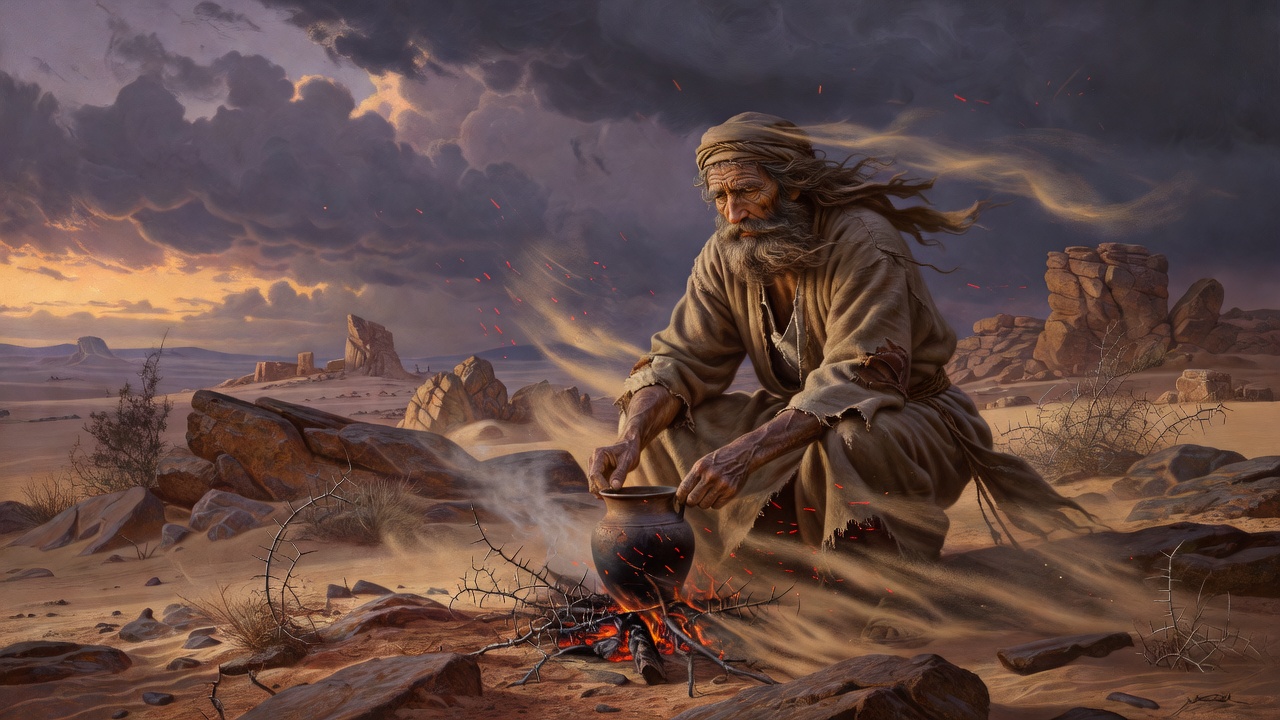
- O autor ilustra a obstinação e a fragilidade dos ímpios por meio de metáforas vívidas da natureza, comparando-os a uma cobra surda que ignora o encantador, a uma lesma que se desfaz em sua baba e a panelas levadas pelo vento antes que os espinhos acesos possam aquecê-las.Fontes: o próprio texto bíblico
- O salmo conclui com a certeza de que o julgamento divino contra os injustos traz alívio aos justos, provando à humanidade que há de fato um Deus que julga a terra com justiça.Fontes: o próprio texto bíblico
Notas escritas com auxílio de IA a partir de fontes abertas (Theographic Bible Metadata, CC BY-SA 4.0; Easton’s Bible Dictionary, domínio público) e revisadas antes de publicar.
Créditos e licença desta tradução
Bibeli Gusunɔn Gari
The Holy Bible in the Baatonum language of Benin, also called the Bariba language
copyright © 2013 SIM
Language: Bariba (Baatonum)
Translation by: SIM International
Bariba, Bibeli Gusunɔn Gari
This translation, published by the UEEB/SIM au Benin, was published in 1996.
If you are interested in obtaining a printed copy, please contact the SIM at SIM, BP 15, Parakou, Benin.
This translation text is made available to you under the
terms of the Creative Commons License: Attribution-Noncommercial-No Derivative Works.
( http://creativecommons.org/licenses/by-nc-nd/3.0/ )
In addition, you have permission to port the text to different file formats, as long as you
do not change any of the text or punctuation of the Bible.
You may share, copy, distribute, transmit, and extract portions
or quotations from this work, provided that you include the above copyright
information:
You must give Attribution to the work.
You do not sell this work for a profit.
You do not make any derivative works that change any of the actual words or punctuation of the Scriptures.
Permissions beyond the scope of this license may be
available if you contact
us with your request.
This translation is made available to you under the terms of the
Creative Commons Attribution-Noncommercial-No Derivatives license 4.0.
You may share and redistribute this Bible translation or extracts from it in any format, provided that:
You include the above copyright and source information.
You do not sell this work for a profit.
You do not change any of the words or punctuation of the Scriptures.
Pictures included with Scriptures and other documents on this site are licensed just for use with those Scriptures and documents.
For other uses, please contact the respective copyright owners.
2014-09-10
Fonte: http://ebible.org/bba/ · eBible.org