Salmos 28
Bibeli Gusunɔn Gari · Toque num versículo para ver as referências cruzadas.
1Dɑfidin womu.
Yinni Gusunɔ, wunɑ nɑ wuri koosimɔ.
Wunɛ wi ɑ sɑ̃ɑ nɡe nɛn kpee bɑɑ mi nɑ rɑ kuke,
ɑ ku mɑn duɑri.
Domi ɑ̀ n mɑɑri mɛsum,
ko nɑ n sɑ̃ɑwɑ nɡe wi u ɡɔɔ dɔɔ.
2Nɑ̀ n nɔmɑ yiiyɑ nɑ kɑnɑru mɔ̀ sɑ̃ɑ yee dɛɛrɑ ten mi,
ɑ nɛn kɑnɑru swɑɑ dɑkio.
3A ku mɑn ɡɑrisi tiɑ kɑ tɔn kɔ̃sobu,
kɑ be bɑ mɑɑ kɑ ben winsim ɡɑri mɔ̀ nɡe kĩru,
ɑdɑmɑ ben ɡɔ̃ruɔ kɔ̃sɑ yɑ yibɑ.
4A bu ben kookoosun ɑre wɛ̃ɛyɔ nɡe mɛ yi nɛ.
Ye bɑ ɡɑbu kuɑ, ɑ de yu wɔri ben wirɔ.
5Domi bɑ ǹ ɡɑrɑ ye wunɛ Gusunɔ ɑ mɔ̀.
Yen sɔ̃, ɑ bu kɔsukuo kpɑ bu ku rɑɑ mɑɑ se.
6Yinni Gusunɔ, wunɑ kon siɑrɑ,
domi ɑ rɑ nɛn kɑnɑru nɔ.
7Wunɑ ɑ mɑn ɡɑnuɑ nɡe tɛrɛru,
ɑ sɑ̃ɑwɑ nɛn dɑm.
Wunɛ sɔɔrɑ nɛn nɑɑnɛ wɑ̃ɑ, domi ɑ mɑn fɑɑbɑ kuɑ.
Mɑ nɑ nuku dobu mɔ,
nɑ nun siɑrɑmɔ kɑ womusu.
8Yinni Gusunɔ, ɑ sɑ̃ɑwɑ wunɛn tɔmbun dɑm.
Domi ɑ sɑ̃ɑwɑ nɡe kɑ̀rì, ɑ kɑ wi ɑ ɡɔsɑ fɑɑbɑ ko.
9A wunɛn tɔmbu fɑɑbɑ koowo kpɑ ɑ bu domɑru kuɑ,
be, be bɑ sɑ̃ɑ wunɛn ɑrumɑni.
A bu kpɑro kpɑ ɑ bu nɔɔri sere kɑ bɑɑdommɑɔ.
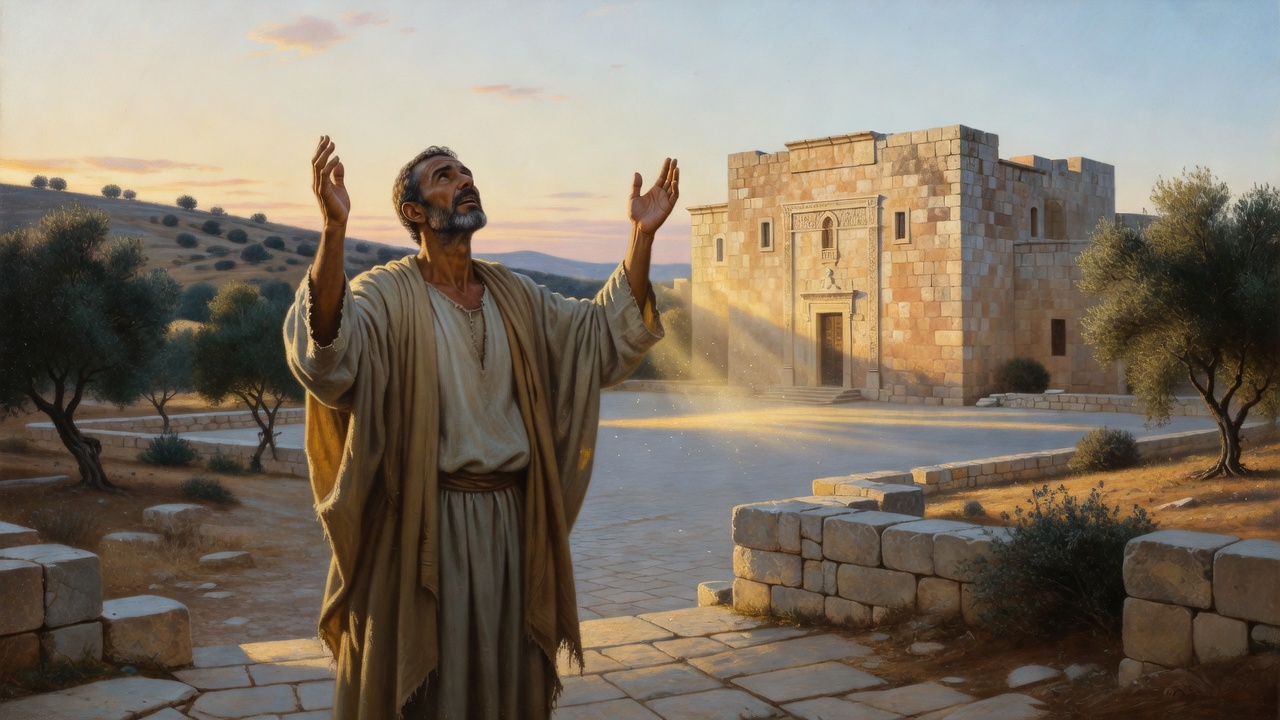
Você sabia?
Um Clamor por Misericórdia e um Cântico de Confiança
- Erguer as mãos em direção ao santuário era uma postura antiga e habitual de oração em Israel, demonstrando visualmente súplica, humildade e total dependência de Deus.Fontes: o próprio texto bíblico
- O salmo passa de forma marcante de um clamor urgente por livramento da morte junto aos ímpios para uma alegre ação de graças, concluindo com a imagem pastoral de Deus pastoreando e sustentando Seu povo para sempre.Fontes: o próprio texto bíblico
Notas escritas com auxílio de IA a partir de fontes abertas (Theographic Bible Metadata, CC BY-SA 4.0; Easton’s Bible Dictionary, domínio público) e revisadas antes de publicar.
Lugares deste capítulo
- Most Holy Place · Hoje: on Mount Moriah · 31.778, 35.236 · versículo 2
Só aparecem lugares com identificação de alta confiança (90% ou mais segundo as fontes acadêmicas reunidas pelo OpenBible). Mapa da época: DARE (Digital Atlas of the Roman Empire), CC BY 4.0; mapa atual: © colaboradores do OpenStreetMap; lugares: OpenBible.info (CC BY 4.0).
Créditos e licença desta tradução
Bibeli Gusunɔn Gari
The Holy Bible in the Baatonum language of Benin, also called the Bariba language
copyright © 2013 SIM
Language: Bariba (Baatonum)
Translation by: SIM International
Bariba, Bibeli Gusunɔn Gari
This translation, published by the UEEB/SIM au Benin, was published in 1996.
If you are interested in obtaining a printed copy, please contact the SIM at SIM, BP 15, Parakou, Benin.
This translation text is made available to you under the
terms of the Creative Commons License: Attribution-Noncommercial-No Derivative Works.
( http://creativecommons.org/licenses/by-nc-nd/3.0/ )
In addition, you have permission to port the text to different file formats, as long as you
do not change any of the text or punctuation of the Bible.
You may share, copy, distribute, transmit, and extract portions
or quotations from this work, provided that you include the above copyright
information:
You must give Attribution to the work.
You do not sell this work for a profit.
You do not make any derivative works that change any of the actual words or punctuation of the Scriptures.
Permissions beyond the scope of this license may be
available if you contact
us with your request.
This translation is made available to you under the terms of the
Creative Commons Attribution-Noncommercial-No Derivatives license 4.0.
You may share and redistribute this Bible translation or extracts from it in any format, provided that:
You include the above copyright and source information.
You do not sell this work for a profit.
You do not change any of the words or punctuation of the Scriptures.
Pictures included with Scriptures and other documents on this site are licensed just for use with those Scriptures and documents.
For other uses, please contact the respective copyright owners.
2014-09-10
Fonte: http://ebible.org/bba/ · eBible.org