Marcos 12
Bibeli Gusunɔn Gari · Toque num versículo para ver as referências cruzadas.
Gbɑɑ wuko kɔ̃sobun ɡɑri
1Yen biru, Yesu u kɑ bu mɔndu ɡɑri sɔ̃ɔwɑ. U nɛɛ, durɔ ɡoo u ɡbɑɑru kuɑ mi u dɑ̃ɑ bii duronu duurɑ ni bɑ rɑ soku resɛm, mɑ u kɑrɑ kuɑ u kɑ sikerenɑ. U mɑɑ wɔru ɡbɑ mi bɑ koo dɑ̃ɑ bii ni ɡɑmɑ mɑ u ɡbɑɑ kɔ̃su yeru kuɑ. Yerɑ u ɡbɑɑ wukobu kɑsu u bu ye nɔmu bɛriɑ mɑ u wiɡiru doonɑ. 2Sɑnɑm mɛ dɑ̃ɑ binun sɔribu turɑ, u win sɔm kowo ɡɔrɑ ɡbɑɑ wuko ben mi bu win bɔnu mwɑɑmɑ. 3Yerɑ ɡbɑɑ wuko be, bɑ sɔm kowo wi mwɑ bɑ so mɑ bɑ nùn ɡɔsiɑ nɔm dirɑ. 4Yerɑ u kpɑm bu sɔm kowo ɡoo ɡɔriɑ mɑ ɡbɑɑ wuko be, bɑ nùn so wirɔ mɑ bɑ nùn yɑɑ kɑsiki. 5Gbɑɑ yɛ̃ro wi, u kpɑm mɑɑ bu sɔm kowo ɡɔriɑ, mɑ bɑ nùn ɡo. Mɛyɑ bɑ ben dɑbinu kuɑ, bɑ ɡɑbu so bɑ ɡɑbu ɡo. 6Tɛ̃, n tie ɡbɑɑ yɛ̃ro win bii kĩnɑsin tii tii. Wiyɑ u bu ɡɔriɑ dɑ̃kuru u nɛɛ, bɑ koo win biin nɔnu nɑsiɑ. 7Adɑmɑ ɡbɑɑ wuko be, bɑ wesiɑnɑ bɑ nɛɛ, winiwɑ ɡbɑɑ ten tubi dio. I nɑ su nùn ɡo kpɑ ɡbɑɑ te, tu ko bɛsɛɡiru. 8Yerɑ bɑ ɑluwɑɑsi wi mwɑ bɑ ɡo. Mɑ bɑ win ɡoru yɑrɑ ɡbɑɑrun di.
9Yesu u nɛɛ, tɛ̃, ɑmɔnɑ ɡbɑɑ yɛ̃ro wi, u koo ko. U koo dɑ u ɡbɑɑ wuko be ɡo kpɑ u win ɡbɑɑru ɡɑbu nɔmu sɔndiɑ. 10Bɛɛ i ǹ ɡɑri yini ɡɑrɑ Gusunɔn ɡɑri sɔɔ yi yi nɛɛ,
“Kpee te bɑnɔbɑ yinɑ, terɑ tɑ kuɑ ɡɑni ɡɔmburun dɑm.
11Yinniwɑ ye kuɑ, mɑ n kuɑ mɑɑmɑɑki bɛsɛn nɔni sɔɔ.”
12Yerɑ bɑ swɑɑ kɑsu bu kɑ nùn mwɑ, domi bɑ tubɑ mɑ ben sɔ̃nɑ u mɔn te kuɑ. Adɑmɑ bɑ tɔn wɔru nɑsiɑ, mɑ bɑ nùn deri bɑ doonɑ.
Wɔ̃ɔ ɡobin kɔsiɑbun ɡɑri
13Mɑ bɑ Fɑlisi ɡɑbu kɑ Herodun tɔmbu ɡɑbu ɡɔrɑ Yesun mi, bu kɑ nùn ɡɑrin yinɑ bɛriɑ. 14Ye bɑ turɑ win mi, bɑ nɛɛ, yinni, sɑ yɛ̃ mɑ ɑ rɑ ɡem ɡere. Mɛyɑ ɑ ku rɑ ɡoon nɔnu mɛɛri, domi ɑ ku rɑ ɡɑri ɡere binɛ kɑ bɛrum sɔ̃, ɑdɑmɑ ɑ tɔmbu Gusunɔn swɑɑ sɔ̃ɔsimɔwɑ dee dee. N weenɛ su tem yɛ̃ro wɔ̃ɔ ɡobi kɔsiɑ? Nɡe su ku kɔsiɑ.
15Adɑmɑ Yesu u ben murɑfiti te tubɑ mɑ u nɛɛ, mbɑn sɔ̃nɑ i kɑ mɑn ɡɑrin yinɑ bɛriɑmmɛ. I mɑn sii ɡeesun ɡobi sɔ̃ɔsimɑ n wɑ.
16Bɑ nùn sɔ̃ɔsi. Mɑ u bu bikiɑ u nɛɛ, weren foto kɑ yĩrerɑ mini. Bɑ nùn sɔ̃ɔwɑ bɑ nɛɛ, tem yɛ̃roɡiɑ.
17Yerɑ Yesu u bu sɔ̃ɔwɑ u nɛɛ, i tem yɛ̃ro kɔsio ye yɑ sɑ̃ɑ tem yɛ̃roɡiɑ kpɑ i mɑɑ Gusunɔ kɔsiɑ ye yɑ sɑ̃ɑ Gusunɔɡiɑ.
Yerɑ biti bɑkɑ bu mwɑ n bɑndɑ win sɔ̃.
Gɔribun seebun ɡɑri
18Yerɑ Sɑdusi be bɑ rɑ nɛɛ, ɡɔribɑ kun seemɔ, bɑ dɑ Yesun mi, bɑ nùn bikiɑ bɑ nɛɛ, 19yinni, Mɔwisi u sun woodɑ wɛ̃ u nɛɛ, ɡoo ù n ɡu mɑ u kurɔ deri, mɑ wi kɑ kurɔ wi, bɑ ǹ bii mɔ, n weenɛ yɛ̃ro win wɔnɔ u kurɔ ɡɔmini wi suɑ, kpɑ u kɑ mɔɔ bibu mɑruɑ. 20Wee, tundo turosibu nɔɔbɑ yiru ɡɑbɑ rɑɑ wɑ̃ɑ. Ben ɡbiikoo u kurɔ suɑ mɑ u ɡu, u ǹ kɑ kurɔ wi bii mɑrɑ. 21Yerɑ ben yiruse u kurɔ ɡɔmini wi suɑ. Win tii mɑɑ ɡu, u ǹ kɑ kurɔ wi bii mɑrɑ. Nɡe mɛyɑ ben itɑsen tii, 22sere n kɑ ɡirɑri ben nɔɔbɑ yiruse, bɑ ǹ kɑ kurɔ wi bii mɑrɑ. Be kpuron biruwɑ kurɔ win tii mɑɑ ɡu. 23Dɔmɑ te ɡɔribɑ koo se, tɔn ben wɑrɑ ko n kurɔ wi mɔ. Domi be nɔɔbɑ yiru ye kpuro bɑ nùn yɛ̃wɑ kurɔ.
24Yesu bu wisɑ u nɛɛ, i ǹ Gusunɔn ɡɑri kɑ win dɑm yɛ̃. N ǹ yen sɔ̃nɑ i tore? 25Domi sɑnɑm mɛ ɡɔribɑ koo se durɔbu kɑ kurɔbu bɑ ǹ mɑɑ suɑnɑmɔ, bɑ ko n sɑ̃ɑwɑ nɡe Gusunɔn ɡɔrɑdobɑ. 26Ye n mɑɑ sɑ̃ɑ ɡɔribun seebun ɡɑri, i ǹ ɡɑrire Mɔwisin tireru sɔɔ mi ɑwĩi dɔ̃ɔɡiin ɡɑri wɑ̃ɑ nɡe mɛ Gusunɔ u kɑ nùn ɡɑri kuɑ u nɛɛ, “Wiyɑ Aburɑhɑmun Yinni, kɑ Isɑkin Yinni, kɑ Yɑkɔbun Yinni.” 27Wee, Gusunɔ u ǹ sɑ̃ɑ ɡɔribun Yinni. U sɑ̃ɑwɑ wɑsobuɡii. Yenin sɔ̃nɑ bɛɛn torɑrɑ kpɑ̃.
Woodɑ ye yɑ bo
28N wee, woodɑ yɛ̃ro ɡoo u ben sikirinɔ ɡe nuɑ. U wɑ mɑ Yesu u Sɑdusi be ɡɑri ɡee wisɑ, mɑ u dɑ Yesun mi u nùn bikiɑ u nɛɛ, woodɑbɑ kpuro sɔɔ yerɑ̀ yɑ kere.
29Yesu u nɛɛ, woodɑ ye yɑ kere wee. “Bɛɛ Isirelibɑ, i swɑɑ dɑkio, Gusunɔ bɛsɛn Yinni, wi turowɑ Yinni. 30A Gusunɔ wunɛn Yinni kĩɔ kɑ wunɛn ɡɔ̃ru kpuro kɑ wunɛn bwɛ̃rɑ kpuro kɑ wunɛn bwisikunu kpuro kɑ wunɛn dɑm kpuro.” 31Yen yiruse wee. “A wunɛn tɔnusi kĩɔ nɡe wunɛn tii tii.” Woodɑ ɡɑɑ mɑɑ sɑri ye yɑ yeni kere.
32Mɑ woodɑ yɛ̃ro wi, u Yesu sɔ̃ɔwɑ u nɛɛ, to, n wɑ̃ yinni. Gemɑ ɑ ɡeruɑ ye ɑ nɛɛ Gusunɔ turowɑ wɑ̃ɑ, ɡoo mɑɑ sɑri mɑ n kun mɔ wi. 33Mɑ tɔnu ù n Gusunɔ kĩɑ kɑ win ɡɔ̃ru kpuro kɑ win bwisikunu kpuro kɑ win dɑm kpuro, ù n mɑɑ win tɔnusi kĩɑ nɡe win tii tii, yeyɑ yɑ yɑ̃ku dɔ̃ɔ mwɑɑrɑruɡinu kɑ yɑ̃ku ni nu tie kere.
34Ye Yesu u wɑ mɑ u yeni ɡeruɑwɑ kɑ yɛ̃run bɑɑ, yerɑ u nùn sɔ̃ɔwɑ u nɛɛ, ɑ turuku koomɑ ɑ kɑ du mi Gusunɔ u bɑndu swĩi.
Yenin biru ɡoo kun mɑɑ kɑ̃kɑ u Yesu ɡɑ̃ɑnu ɡɑnu bikie.
Dɑfidi kɑ wi Gusunɔ u ɡɔsɑ
35Yen biru, nɡe mɛ Yesu u Gusunɔn ɡɑrin keu sɔ̃ɔsimɔ sɑ̃ɑ yerɔ, u tɔmbu bikiɑ u nɛɛ, ɑmɔnɑ woodɑ yɛ̃robɑ koo kpĩ bu ɡere mɑ Kirisi u sɑ̃ɑwɑ Dɑfidin bii. 36Dɑfidin tii, kɑ Hunde Dɛɛron sɔ̃ɔsiru u nɛɛ,
“Yinni Gusunɔ u nɛn Yinni sɔ̃ɔwɑ u nɛɛ,
ɑ sinɔ nɛn nɔm ɡeuɔ
sere n kɑ nun wunɛn yibɛrɛbɑ tɑɑreɑ.”
37Dɑfidin tii u nùn sokɑ Yinni. Amɔnɑ u ko n mɑɑ kɑ sɑ̃ɑ win bii.
I tii lɑɑkɑri koowo
kɑ woodɑ yɛ̃robu
Mɑ tɔn wɔru ɡe, ɡɑ Yesun ɡɑri swɑɑ dɑki kɑ nuku dobu. 38Win keu sɔ̃ɔsibu sɔɔ u nɛɛ, i tii lɑɑkɑri koowo kɑ woodɑ yɛ̃robu be bɑ kĩ bɑ n bɔsu kɑ yɑbe dɛndɛnnu, bɑ mɑɑ tɔbirinɑɑ kĩ bɑtumɑ sɔɔ kɑ bɛɛrɛ. 39Mɑ bɑ sin yee bɛɛrɛɡinu kĩ mɛnnɔ yenɔ kɑ mɑɑ ɑye bɛɛrɛɡinu tɔ̃ɔ bɑkɑ yerɔ. 40Bɑ ɡɔminibun yɛnusu dimɔ kɑ tɑki mɑ bɑ kɑnɑ dɛndɛnnu mɔ̀ bu kɑ bu wɑn sɔ̃. Bɑ koo bu tɑɑrɛ wɛ̃ n kpɑ̃.
Gobi yi kurɔ ɡɔmini ɡoo u kpɛ̃ɛ
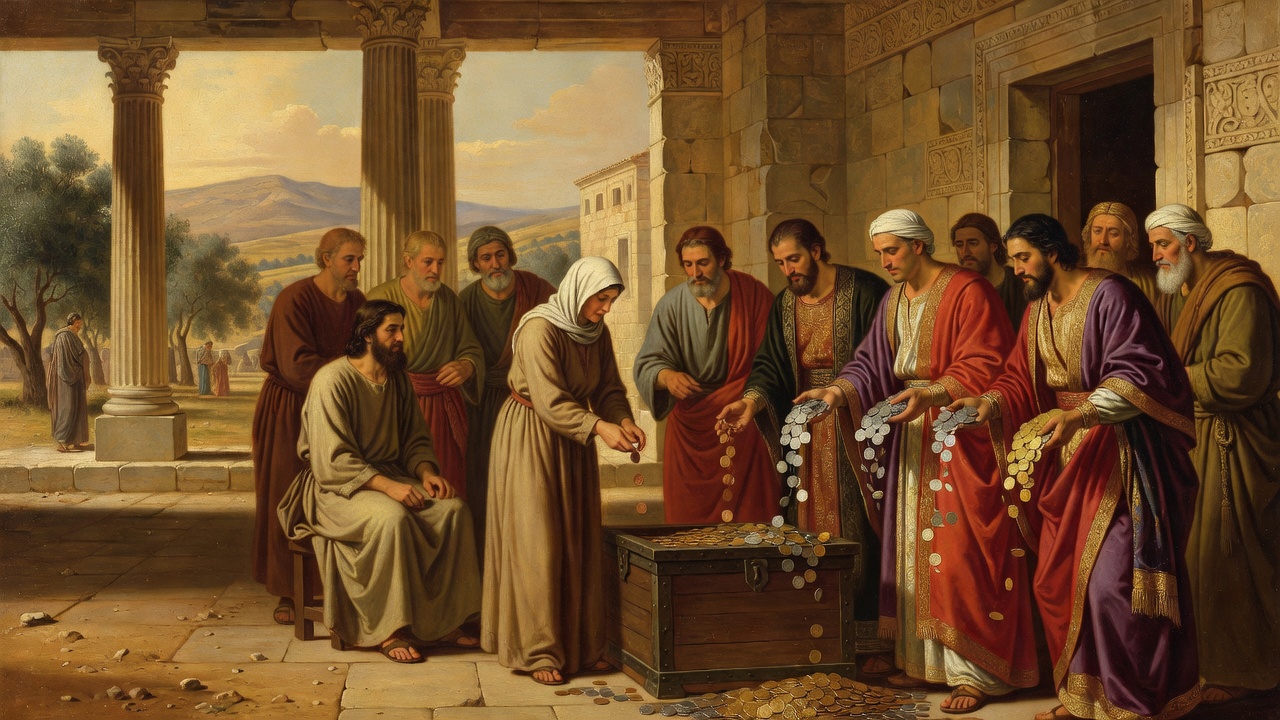
41Yerɑ Yesu u dɑ u sinɑ sɑ̃ɑ yerun kpɑkoro te bɑ rɑ ɡobi doken bɔkuɔ, mɑ u mɛɛrɑ nɡe mɛ tɔmbɑ ɡobi kpɛ̃ɛmɔ te sɔɔ. Gobiɡibu dɑbiru bɑ ɡobi bɛkɛ doke. 42Yerɑ ɡɔmini sɑ̃ɑro ɡoo u nɑ mɑ u ɡobi piiminu yiru doke mi, yìn ɡeerɑ sɑ̃ɑ nɡe fɑrɑm yirun sɑkɑ. 43Mɑ Yesu u win bwɑ̃ɑbu sokɑ u bu sɔ̃ɔwɑ u nɛɛ, kɑ ɡeemɑ nɑ bɛɛ sɔ̃ɔmɔ, ɡɔmini sɑ̃ɑro wini, u ɡobi doke kpɑkoro teni sɔɔ n tɔmbu kpuro kere. 44Domi be kpuro, ye n sɔndi ben mɔɔ bɑkɑru sɔɔ, yerɑ bɑ wunɑ bɑ doke, ɑdɑmɑ kurɔ wi, win yɑ̃ɑru sɔɔrɑ u kpuro kpɛ̃ɛ ye u kɑ tii kɔ̃su.
Você sabia?
Debates no templo
- Os saduceus, que dizem não haver ressurreição, interrogam Jesus sobre sete irmãos e uma viúva, apelando ao que Moisés escreveu. Ele os remete à sarça ardente no Livro de Moisés, onde Deus diz: “Eu sou o Deus de Abraão, o Deus de Isaque e o Deus de Jacó”. Abraão, “pai de uma multidão”, era filho de Terá; Isaque era o único filho de Abraão com Sara; e Jacó era o segundo dos filhos gêmeos de Isaque e Rebeca.Fontes: o próprio texto bíblico · Abraham · Isaac · Jacob (Israel)
- Quando lhe perguntam qual é o mandamento mais importante, Jesus começa: “Ouve, ó Israel, o Senhor, nosso Deus, o Senhor é um”, e acrescenta: “Ama o teu próximo como a ti mesmo”. Israel é outro nome de Jacó, o segundo dos gêmeos de Isaque e Rebeca; o nome Jacó é explicado como aquele que segue nos calcanhares de outro, ou suplantador.Fontes: o próprio texto bíblico · Jacob (Israel)
- Ensinando nos pátios do templo, Jesus pergunta como os escribas podem dizer que o Cristo é o Filho de Davi, se o próprio Davi o chama de “Senhor”. Davi, cujo nome significa “Amado”, era o oitavo e mais novo filho de Jessé, cidadão de Belém, e sua primeira ocupação foi cuidar das ovelhas do pai nas terras altas de Judá.Fontes: o próprio texto bíblico · David
Notas escritas com auxílio de IA a partir de fontes abertas (Theographic Bible Metadata, CC BY-SA 4.0; Easton’s Bible Dictionary, domínio público) e revisadas antes de publicar.
Créditos e licença desta tradução
Bibeli Gusunɔn Gari
The Holy Bible in the Baatonum language of Benin, also called the Bariba language
copyright © 2013 SIM
Language: Bariba (Baatonum)
Translation by: SIM International
Bariba, Bibeli Gusunɔn Gari
This translation, published by the UEEB/SIM au Benin, was published in 1996.
If you are interested in obtaining a printed copy, please contact the SIM at SIM, BP 15, Parakou, Benin.
This translation text is made available to you under the
terms of the Creative Commons License: Attribution-Noncommercial-No Derivative Works.
( http://creativecommons.org/licenses/by-nc-nd/3.0/ )
In addition, you have permission to port the text to different file formats, as long as you
do not change any of the text or punctuation of the Bible.
You may share, copy, distribute, transmit, and extract portions
or quotations from this work, provided that you include the above copyright
information:
You must give Attribution to the work.
You do not sell this work for a profit.
You do not make any derivative works that change any of the actual words or punctuation of the Scriptures.
Permissions beyond the scope of this license may be
available if you contact
us with your request.
This translation is made available to you under the terms of the
Creative Commons Attribution-Noncommercial-No Derivatives license 4.0.
You may share and redistribute this Bible translation or extracts from it in any format, provided that:
You include the above copyright and source information.
You do not sell this work for a profit.
You do not change any of the words or punctuation of the Scriptures.
Pictures included with Scriptures and other documents on this site are licensed just for use with those Scriptures and documents.
For other uses, please contact the respective copyright owners.
2014-09-10
Fonte: http://ebible.org/bba/ · eBible.org