Miqueias 6
Bibeli Gusunɔn Gari · Toque num versículo para ver as referências cruzadas.
1I swɑɑ dɑkio ye nɛ, Yinni Gusunɔ nɑ ɡeruɑ. Nɑ nɛɛ,
Isirelibɑ, i seewo
i kɑ tii yinɑ ɡuunu kɑ ɡunɡunun wuswɑɑɔ.
2Bɛɛ ɡuunu, i swɑɑ dɑkio.
Bɛɛ tem kpɛɛkpɛɛku dɑmɡinu,
nɛ, Yinni Gusunɔ nɑ nɛn tɔmbu tɑɑrɛ wɛ̃ɛmɔ.
Nɑ kĩ n bu siribu soku.
3Bɛɛ Isirelibɑ, bɛɛ nɛn tɔmbu, kɔ̃sɑ mbɑ nɑ bɛɛ kuɑ.
Mɑ sɔɔrɑ nɑ derɑ i wɑsirɑ.
I mɑn wisio.
4I mɑn tɑɑrɛ wɛ̃ɛmɔ yèn sɔ̃ nɑ bɛɛ Isirelibɑ yɑrɑ sɑɑ Eɡibitin di?
Ǹ kun mɛ yèn sɔ̃ nɑ bɛɛ yɑrɑ sɑɑ yorun di?
Ǹ kun mɛ yèn sɔ̃ nɑ bɛɛ kpɑro beni ɡɔriɑmɑ, Mɔwisi kɑ Aroni kɑ Mɑriɑmu?
5Bɛɛ nɛn tɔmbu, i yɑɑyo kɔ̃sɑ ye Bɑlɑki Mɔɑbun sinɑ boko u bwisikɑ u bɛɛ kuɑ.
I mɑɑ yɑɑyo ye Bɑlɑmu Beorin bii u nùn wisɑ.
Nɑ bɛɛ yɔ̃siri bɛɛn sɑnum sɔɔ sɑɑ Sitimun di sere Giliɡɑliɔ.
Mɑ i nɛn durom wɑ mɛ nɛ, Yinni Gusunɔ nɑ bɛɛ kuɑ.
Ye Yinni Gusunɔ u tɔmbu
bikiɑmɔ
6Kɛ̃ɛ terɑ̀ kon kɑ Yinni Gusunɔ wi, wi u kpuro kere dɑɑwɑ
nɑ̀ n dɔɔ win sɑ̃ɑ yerɔ.
Kɛ̃ɛ terɑ̀ ko nɑ n nɛni n kɑ nùn yiirɑ.
Nɑɑ wɔ̃ɔ tiɑɡiɑ kon kɑ nùn yɑ̃ku dɔ̃ɔ mwɑɑrɑruɡiru kuɑ?
7Yinni Gusunɔ u yɑ̃ɑ kinɛ dɑbi dɑbinun bukɑtɑ mɔ?
Gum kotosun bukɑtɑwɑ u mɔ?
Nɛn bii ɡbiikoowɑ kon nùn wɛ̃ u sere mɑn nɛn torɑnu suuru kuɑ?
8Aɑwo, Yinni Gusunɔ u tɔmbu ɡeɑ sɔ̃ɔsi ye u rɑ kɑ̃.
Ye u bu kɑnɑmɔ bu ko,
yerɑ bu ben berusebu wɛ̃ ye n sɑ̃ɑ beɡiɑ.
Kpɑ bu bu kĩru sɔ̃ɔsi.
Kpɑ bu wi, Gusunɔ ben Yinni swĩi kɑ tii kɑwɑbu.
Yinni Gusunɔ u rɑ ɡbɛnɔbu
kɑ dɑɑ bɔɔbɔyɑɡibu sɛɛyɑsie
9Yinni Gusunɔ u kɑ Yerusɑlɛmuɡibu yɑ̃.
Wi u bwisi mɔ, u koo nùn nɑsiɑ.
Bɛɛ Yudɑbɑ, i de nɛn siribu bu bɛɛ yeeri.
10Kon wurɑ tɔn kɔ̃so u dukiɑ ɡure win dirɔ kɑ ɡbɛnɑ?
Kpɑ u n sɑkɑku mɔ ɡe nɑ ǹ kĩ?
11I tɑmɑɑ wi u kilo weesuɡiɑ mɔ u dɛɛre?
12Wee bɛɛn ɡobiɡibu bɑ tɔmbu dɑm dɔremɔ,
bɑ rɑ n weesu mɔ̀.
Kpɑ bɑ n ɡɑbu nɔni wɔ̃kumɔ kɑ ben ɡɑri.
13Tɛ̃, nɑ sɔɔru kpɑ n kɑ bɛɛ sɛ̃suku bɛɛn durum sɔ̃,
kpɑ i kɑm ko.
14I ko i di, ɑdɑmɑ i ǹ debumɔ.
I ko i nɔɔɡiru suɑ ɡɔ̃ɔrun sɔ̃.
Mɛyɑ n ǹ koorɔ i ɡɑ̃ɑnu bere.
Ì n mɑɑ ɡɑ̃ɑnu beruɑ, tɑbɑ kon kɑ ye kɑm koosiɑ.
15I ko i duure, ɑdɑmɑ i ǹ ɡɛ̃ɛmɔ.
I ko i olifi ɡɑmɑ,
ɑdɑmɑ i ǹ wɑsi i yen ɡum sɑwɑ.
I ko i resɛm tɑm wĩɑ,
ɑdɑmɑ i ǹ wɑsi i mu nɔ.
16Domi i sinɑ boko Omirin dɑɑ kɔ̃sɑ sɑɑrimɔ kɑ sere mɑɑ Akɑbuɡiɑ.
I ben dɑɑ sɑɑrimɔwɑ mɑm mɑm.
Yen sɔ̃nɑ kon de bɛɛn wuu ɡu ko bɑnsu.
Kpɑ n de bu bɛɛ yɛ̃ɛ.
I ko i sekuru wɑ bɛɛ kpuro nɡe mɛ nɛn tɔmbu bɑ rɑ wɑ.
Misee u weeweenu mɔ̀
Você sabia?
O Processo do Senhor e as Verdadeiras Exigências
- O capítulo se inicia como uma disputa jurídica pactual em que Deus convoca os montes e os fundamentos da terra como testemunhas contra Israel. Deus relembra sua fidelidade ao libertá-los do Egito sob a liderança de Moisés, Arão e Miriã, além de protegê-los de Balaque de Moabe por meio de Balaão na jornada de Sitim a Gilgal.Fontes: o próprio texto bíblico · Miriam · Balak · Balaam
- O texto contrasta sacrifícios rituais extravagantes — como milhares de carneiros, torrentes de azeite ou mesmo o sacrifício de filhos — com o que Deus realmente requer. A verdadeira devoção é definida simplesmente como praticar a justiça, amar a misericórdia e andar humildemente com Deus.Fontes: o próprio texto bíblico
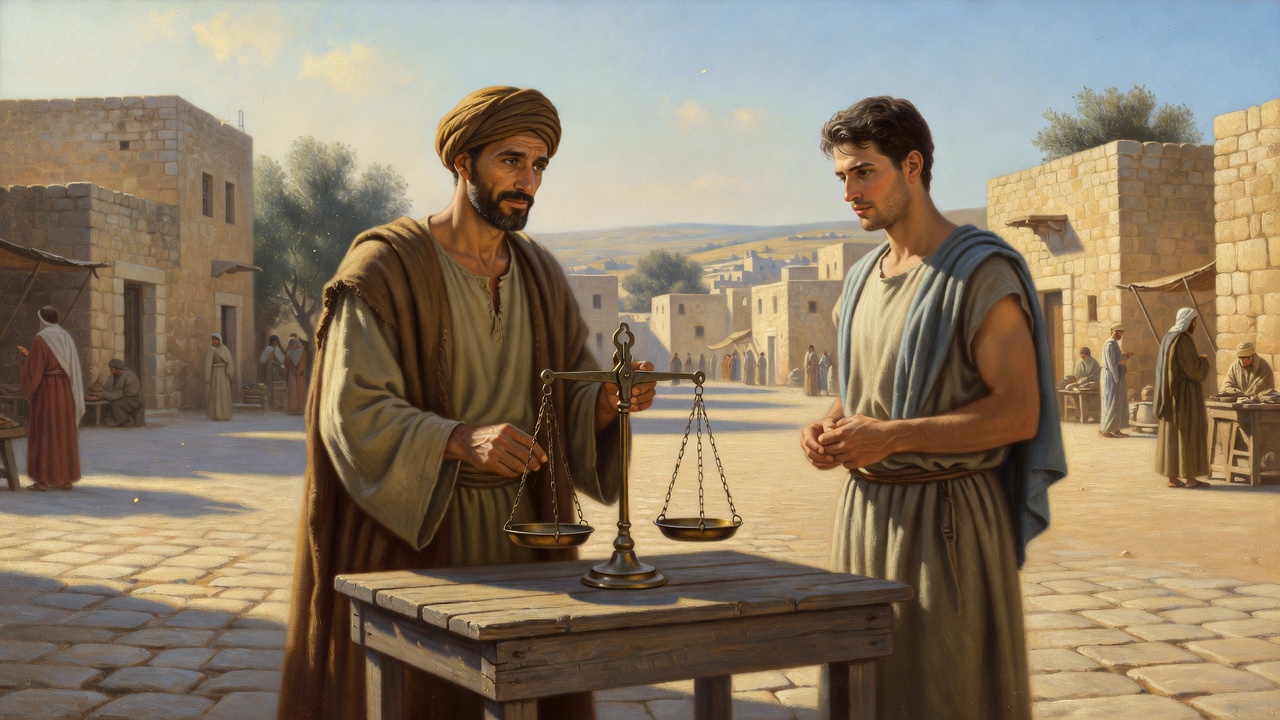
- Miqueias denuncia a injustiça econômica urbana, condenando expressamente comerciantes desonestos que usavam pesos falsos, balanças enganosas e medidas adulteradas. Ele adverte que adotar os estatutos corruptos dos reis do norte, Onri e Acabe, resultará em desolação e opróbrio público.Fontes: o próprio texto bíblico · Omri · Ahab
Notas escritas com auxílio de IA a partir de fontes abertas (Theographic Bible Metadata, CC BY-SA 4.0; Easton’s Bible Dictionary, domínio público) e revisadas antes de publicar.
Lugares deste capítulo
- Egypt · 30.129, 31.308 · versículo 4
- Moab · Hoje: Moab 1 · 31.181, 35.701 · versículo 5
- Jerusalem · 31.777, 35.234 · versículo 9
Só aparecem lugares com identificação de alta confiança (90% ou mais segundo as fontes acadêmicas reunidas pelo OpenBible). Mapa da época: DARE (Digital Atlas of the Roman Empire), CC BY 4.0; mapa atual: © colaboradores do OpenStreetMap; lugares: OpenBible.info (CC BY 4.0).
Créditos e licença desta tradução
Bibeli Gusunɔn Gari
The Holy Bible in the Baatonum language of Benin, also called the Bariba language
copyright © 2013 SIM
Language: Bariba (Baatonum)
Translation by: SIM International
Bariba, Bibeli Gusunɔn Gari
This translation, published by the UEEB/SIM au Benin, was published in 1996.
If you are interested in obtaining a printed copy, please contact the SIM at SIM, BP 15, Parakou, Benin.
This translation text is made available to you under the
terms of the Creative Commons License: Attribution-Noncommercial-No Derivative Works.
( http://creativecommons.org/licenses/by-nc-nd/3.0/ )
In addition, you have permission to port the text to different file formats, as long as you
do not change any of the text or punctuation of the Bible.
You may share, copy, distribute, transmit, and extract portions
or quotations from this work, provided that you include the above copyright
information:
You must give Attribution to the work.
You do not sell this work for a profit.
You do not make any derivative works that change any of the actual words or punctuation of the Scriptures.
Permissions beyond the scope of this license may be
available if you contact
us with your request.
This translation is made available to you under the terms of the
Creative Commons Attribution-Noncommercial-No Derivatives license 4.0.
You may share and redistribute this Bible translation or extracts from it in any format, provided that:
You include the above copyright and source information.
You do not sell this work for a profit.
You do not change any of the words or punctuation of the Scriptures.
Pictures included with Scriptures and other documents on this site are licensed just for use with those Scriptures and documents.
For other uses, please contact the respective copyright owners.
2014-09-10
Fonte: http://ebible.org/bba/ · eBible.org