Lucas 7
Bibeli Gusunɔn Gari · Toque num versículo para ver as referências cruzadas.
Yesu u tɑbu sunɔ ɡoon yoo
bɛkiɑ
1Ye Yesu u ɡɑri yi kpuro tɔmbu sɔ̃ɔwɑ u kpɑ, u dɑ Kɑpenɑmuɔ. 2Tɑbu sunɔ ɡoo wɑ̃ɑ mi u yoo mɔ, wi u kĩ ɡem ɡem. Yoo wiyɑ u bɑrɔ sere u wɑsikirɑ. 3Ye tɔnwero wi, u Yesun lɑbɑɑri nuɑ, yeyɑ u nùn Yuubɑn ɡuro ɡurobu ɡɑbu ɡɔriɑ bu nùn suuru kɑnɑ u nɑ u win yoo bɛkiɑ. 4Ye bɑ turɑ Yesun mi bɑ nùn suuru kɑnɑ ɡem ɡem bɑ nɛɛ, n turɑ ɑ durɔ wi ye kuɑ 5domi u bɛsɛn bweseru kĩ. Wiyɑ mɑɑ sun bɛsɛn mɛnnɔ yeru bɑniɑ.
6Mɑ Yesu u kɑ bu swɑɑ wɔri. Ye u yɛnu ɡe turuku kuɑ yerɑ tɑbu sunɔ wi, u win bɔrɔbɑ ɡɔrɑ bu Yesu sɔ̃ u ku tii ɡɔnɡɛrɛ ko, domi wi kun be turɑ u du win yɛnuɔ. 7Yen sɔ̃nɑ u ǹ tii ɡɑrisi ɡoo wi u koo kɑ tii dɑ Yesun mi. Adɑmɑ u be ɡesi ɡɑri ɡeruo, win yoo u koo bɛkurɑ. 8Domi wi, u ɡɑbu wiru kpĩiyɛ, u mɑɑ tɑbu kowobu mɔ be u kpɑre. Ù n turo sɔ̃ɔwɑ u doo, u rɑ n dɔɔwɑ. Ù n mɑɑ ben ɡoo sɔ̃ɔwɑ u nɑ, u rɑ n sisiwɑ. Ù n win yoo sɔ̃ɔwɑ u yeni koowo, u rɑ n mɑɑ ye mɔ̀wɑ.
9Ye Yesu u ɡɑri yi nuɑ biti yɑ nùn mwɑ, mɑ u sĩirɑ u tɔmbu sɔ̃ɔwɑ be bɑ nùn swĩi u nɛɛ, nɑ ǹ ɡinɑ nɑɑnɛ doke bɑkɑ binin bweseru wɑɑre, bɑɑ Isirelibɑ sɔɔ.
10Ye ɡɔro be, bɑ ɡɔsirɑ yɛnuɔ bɑ deemɑ yoo wi, u bwɑ̃ɑ dorɑ.
Yesu u ɡɔmini ɡoon bii seesiɑ
11Yen sisiru Yesu dɑ wuu ɡɑɡun mi, ɡe bɑ rɑ soku Nɑyini. Win bwɑ̃ɑbu kɑ mɑɑ tɔn wɔru ɡunɑ nùn swĩi. 12Sɑɑ ye u wuu ɡen ɡbɑ̃rɑrun kɔnnɔ turuku kuɑ, u wɑ bɑ ɑluwɑɑsi ɡoon ɡoru sɔɔwɑ bɑ kɑ yɑriɔ bu sike. U sɑ̃ɑwɑ win mɛron bii teere te u mɔ. Win mɛro mɑɑ, ɡɔminiwɑ. Wuuɡibu dɑbirɑ wɑ̃ɑ kɑ wi. 13Ye Yinni u kurɔ wi wɑ win wɔnwɔndɑ nùn mwɑ, mɑ u nùn sɔ̃ɔwɑ u nɛɛ, ɑ ku swĩ.
14Yerɑ u susi u ɡoo ten kpɑkororu bɑbɑ. Be bɑ tu sɔɔwɑ bɑ yɔ̃rɑ. Mɑ u nɛɛ, ɑluwɑɑsi wunɛ, nɑ nun sɔ̃ɔmɔ, ɑ seewo.
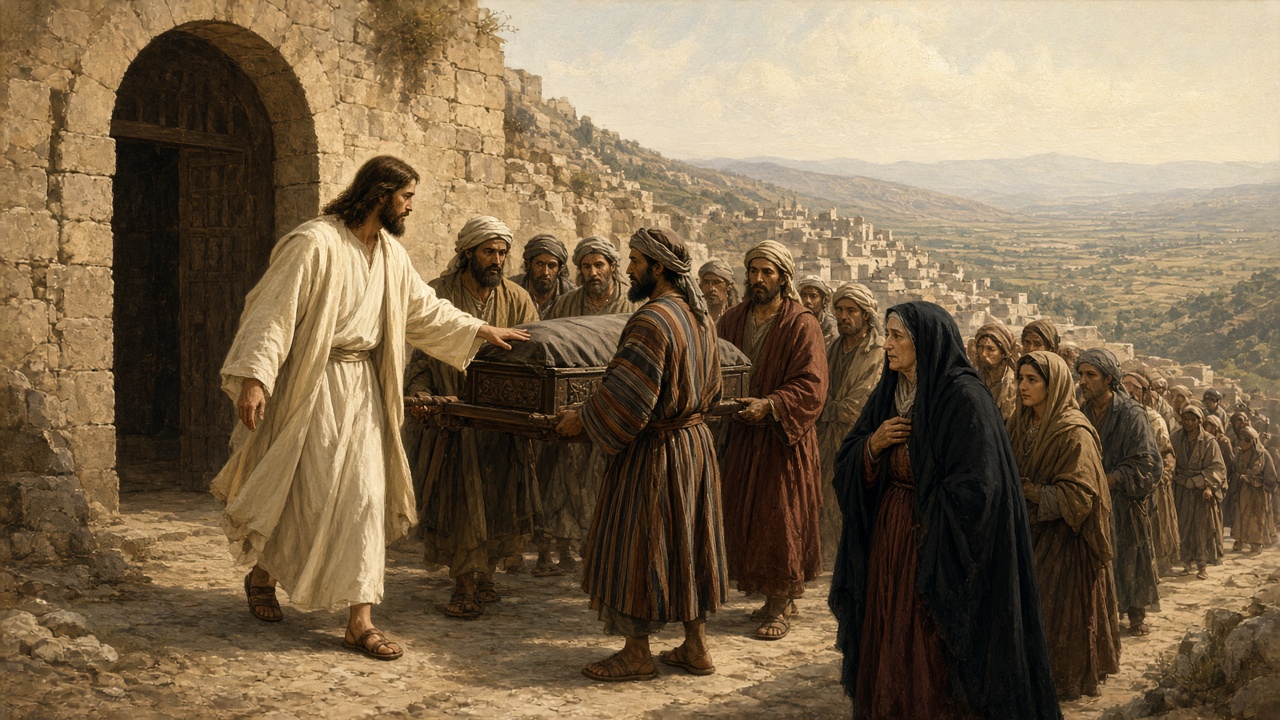
15Mɑ ɡoo te, tɑ seewɑ tɑ sinɑ tɑ ɡɑri ɡerumɔ. Mɑ Yesu nùn win mɛro wesiɑ. 16Bɛrum be kpuro mwɑ, mɑ bɑ Gusunɔ siɑrɑmɔ bɑ ɡerumɔ bɑ mɔ̀, Gusunɔn sɔmɔ dɑmɡiiwɑ u bu kuremɑ. Gusunɔwɑ u win tɔmbu nɑɑwɑ. 17Yesun lɑbɑɑri ye, yɑ yɑbi Yudeɑ kpuro sɔɔ kɑ mɑɑ yen beri kpuro.
Yohɑnu Bɑtɛmu kowon
ɡɔrobu
18Yohɑnun bwɑ̃ɑbɑ nùn ye kpuron lɑbɑɑri sɔ̃ɔwɑ. Mɑ u win bwɑ̃ɑ ben yiru sokɑ, 19u bu ɡɔrɑ Yesun mi bu nùn bikiɑ, wiyɑ wi u sisi? Nɡe bɑ n kpɑo mɑrɑ. 20Ye durɔ be, bɑ turɑ win mi, bɑ nɛɛ, Yohɑnu Bɑtɛmu kowowɑ sun ɡɔrimɑ wunɛn mi su bikiɑ, wunɑ wi u sisi? Nɡe sɑ n kpɑo mɑrɑ.
21Sɑɑ ye sɔɔ, u tɔn dɑbirun bɑrɑnu kɑ ben ɑlebu bɛkiɑ, mɑ u ben wɛrɛkunu ɡirɑ, u mɑɑ wɔ̃ko dɑbinu yɑm wɑɑsiɑ. 22Mɑ u bu wisɑ u nɛɛ, i doo i Yohɑnu tusiɑ ye i wɑ kɑ ye i nuɑ. Wɔ̃kobɑ yɑm wɑɑmɔ, yɛmɔbɑ sĩimɔ, be bɑ bɑrɑ disiɡiru bɑrɔ bɑ bɛkurɑmɔ bɑ dɛɛrɑmɔ, sosobu bɑ ɡɑri nɔɔmɔ, bɑ ɡɔribu seeyɑmɔ, mɑ bɑ sɑ̃ɑrobu Lɑbɑɑri ɡeɑn wɑɑsu mɔ̀. 23Doo nɔɔruɡiiwɑ bɑɑwure wìn nɑɑnɛ yɑ yɔ̃ dim dim nɛ sɔɔ.
24Ye Yohɑnun ɡɔrobɑ sĩɑ, mɑ u tɔn dɑbinu Yohɑnun ɡɑri sɔ̃ɔbu wɔri. U bu bikiɑ u nɛɛ, mbɑ i mɛɛrim dɑ ɡbɑburɔ. Yɑkɔ ɡe woo ɡɑ toorimɔ? 25Durɔ wi u yɑ̃ɑ bɛɛrɛɡinu sebuɑ? Wee, be bɑ yɑ̃ɑ ɡobiɡinu sebuɑ mɑ bɑ wɑ̃ɑru dimɔ dukiɑ sɔɔ, beyɑ bɑ wɑ̃ɑ sinɑ kpɑɑnɔ. 26Ǹ n mɛn nɑ, mbɑ i mɛɛrim dɑ. Gusunɔn sɔmɔ ɡoo? Mɛyɑ nɑ bɛɛ sɔ̃ɔmɔ yɛ̃ro mɑm Gusunɔn sɔmɔ kere mi n tomɑ. 27Domi Yohɑnu wiyɑ wìn ɡɑri bɑ yoruɑ bɑ nɛɛ,
“N wee, nɑ nɛn ɡɔro ɡɔrɑ wunɛn wuswɑɑɔ wi u koo nun ɡbiiyɑ u wunɛn swɑɑ sɔmɛ.”
28Nɑ bɛɛ sɔ̃ɔmɔ mɑ be tɔn kurɔbɑ mɑrɑ sɔɔ, ɡoo kun Yohɑnu kere, ɑdɑmɑ wi u yɑ̃kɑbu bo Gusunɔn bɑndu sɔɔ, u Yohɑnu kere.
29Ye bɑ ye nuɑ, tɔmbu kpuro kɑ ɡbere mwɑɔbu sɑnnu bɑ Gusunɔ ɡem wɛ̃, domi beyɑ Yohɑnu u rɑɑ bɑtɛmu kuɑ. 30Adɑmɑ Fɑlisibɑ kɑ woodɑ yɛ̃robu bɑ ǹ dɑɑ wure Yohɑnu u bu bɑtɛmu ko. Nɡe mɛyɑ bɑ kɑ yinɑ ye Gusunɔ u ɡɔ̃ru doke u bu kuɑ.
31Mɑ Yinni u bikiɑ u nɛɛ, mbɑ kon kɑ tɛ̃n tɔmbu weesinɑ. Mbɑ bɑ kɑ weenɛ. 32Bɑ sɑ̃ɑwɑ nɡe bibu be bɑ sɔ̃ yɑburɔ, bɑ sokunɑmɔ bɑ mɔ̀, sɑ bɛɛ ɡuuru soowɑ mɑ i ǹ yɑwɑ. Sɑ bɛɛ ɡɔɔ womu kuɑ, i ǹ mɑɑ swĩ. 33Domi Yohɑnu Bɑtɛmu kowo u nɑ, u ǹ dĩɑnu dimɔ, u ǹ mɑɑ tɑm nɔrumɔ, mɑ i nɛɛ, u wɛrɛkunu mɔ. 34Tɔnun Bii u nɑ, u dimɔ u nɔrumɔ, mɑ i ɡerumɔ u sɑ̃ɑ dim kĩro kɑ tɑm nɔro, ɡbere mwɑɔbu kɑ kɔ̃sɑn kowobun bɔrɔ. 35Kɑ mɛ, Gusunɔn bwisi yi rɑ tii sɔ̃ɔsi bwisi ɡee be bɑ yi wurɑn mi.
Yesu dimɔ Fɑlisi ɡoon yɛnuɔ
36Fɑlisi ɡoo wi bɑ mɔ̀ Simɔɔ u Yesu dim sokɑ. Mɑ Yesu u duɑ win dirɔ u sinɑ u kɑ di. 37Kurɔ tɑnɔ ɡoo wɑ̃ɑ wuu mi. Ye u nuɑ mɑ Yesu u dimɔ Fɑlisi win yɛnuɔ, yerɑ u kɑ too burɑru nɑ te tɑ turɑre yibɑ. 38U yɔ̃rɑ Yesun biruɔ win nɑɑsu ɡiɑ u sumɔ. Mɑ win yĩresu nɑɑ si wɑɑyɑ, mɑ u su sunkumɔ kɑ win seri, u su sɔ̃sumɔ, mɑ u su turɑre ye wisi. 39Fɑlisi wi u Yesu dim sokɑ, ye u wɑ mɛ, u ɡeruɑ win ɡɔ̃ruɔ u nɛɛ, durɔ wi, ù n Gusunɔn sɔmɔn nɑ, u ko n yɛ̃ kurɔ weren bweserɑ wi u nùn bɑbɑmɔ, domi kurɔ tɑnɔwɑ. 40Mɑ Yesu u nɛɛ, Simɔɔ, nɑ ɡɑri ɡɛɛ mɔ yi kon nun sɔ̃.
Mɑ Simɔɔ u nɛɛ, yinni, ɑ ɡeruo.
41Mɑ Yesu u nɛɛ, durɔ ɡoo wɑ̃ɑ wìn dibu tɔmbu yiru bɑ nɛni. Turo nɛni sii ɡeesun ɡobi nɛɛrɑ wunɔbu (500), turo mɑɑ weerɑɑkuru. 42Ye bɑ ǹ ɡɑ̃ɑnu wɑ bu kɔsiɑ, mɑ u be yiru kpuro suuru kuɑ. Tɛ̃ be yiru ye sɔɔ, wɑrɑ koo nùn kĩɑ n kere.
43Simɔɔ u nɛɛ, nɑ tɑmɑɑ wi bɑ suuru kuɑ n kere.
Mɑ Yesu u nùn sɔ̃ɔwɑ u nɛɛ, ɡemɑ ɑ ɡeruɑ.
44Yerɑ u sĩirɑ kurɔ win mi ɡiɑ mɑ u Simɔɔ bikiɑ u nɛɛ, ɑ kurɔ wi wɑ? Ye nɑ duɑ wunɛn yɛnuɔ ɑ ǹ mɑn nim kɑ̃ n kɑ nɛn kɔ̃ri kpɑkiɑ, ɑdɑmɑ kurɔ wini u nɛn nɑɑsu wɑɑyɑ kɑ win yĩresu, mɑ u su sunkɑ kɑ win seri. 45A ǹ mɑn tɔburɑ kɑ sɔ̃subu, ɑdɑmɑ kurɔ wini, mìn di nɑ duɑ, u ǹ nɛn nɑɑsu sɔ̃sum deri. 46A ǹ ɡum wisi nɛn wiru wɔllɔ, ɑdɑmɑ kurɔ wini u turɑre wisi nɛn nɑɑsɔ. 47Yen sɔ̃, nɑ nun sɔ̃ɔmɔ mɑ kurɔ win durum bɑkɑ ye, bɑ nùn ye suuru kuɑ. Yeyɑ n derɑ win kĩrɑ kpɛ̃ɑ. Adɑmɑ wi bɑ fiiko suuru kuɑ, u rɑ n kĩwɑ fiiko.
48Mɑ u kurɔ wi sɔ̃ɔwɑ u nɛɛ, bɑ nun wunɛn durum suuru kuɑ.
49Be bɑ sɔ̃ bɑ dimɔ kɑ wi, bɑ bikiɑnɑmɔ, wɑrɑ wini wi bɑɑ tɔmbun durum u mɑm suuru mɔ̀. 50Mɑ u kurɔ wi sɔ̃ɔwɑ u nɛɛ, wunɛn nɑɑnɛ dokebu nun fɑɑbɑ kuɑ. A doo kɑ ɑlɑfiɑ.
Você sabia?
Fé, compaixão e a pergunta de um profeta
- O Easton's Bible Dictionary (1897) descreve Cafarnaum como uma cidade da Galileia que não é mencionada no Antigo Testamento e que se tornou a cidade que Jesus tratava como sua depois de ser expulso de Nazaré, cenário de muitos episódios da sua vida. Neste capítulo, ele chega ali e encontra o servo muito estimado de um centurião à beira da morte; anciãos judeus rogam, dizendo que o oficial ama a nação deles e construiu a sinagoga deles.Fontes: Capernaum · o próprio texto bíblico
- O Easton's Bible Dictionary (1897) liga o nome Naim a uma palavra hebraica que significa pastos verdes ou amável, e identifica a cidade com a aldeia de Nein, na encosta noroeste do Jebel ed-Duhy, também chamado monte Moré ou Pequeno Hermom, a cerca de quatro milhas de Tabor e vinte e cinco milhas a sudoeste de Cafarnaum, acima da planície de Esdrelão. À porta da cidade, Jesus encontrou o funeral do filho único de uma viúva, e o espanto se espalhou pela multidão.Fontes: Nain · o próprio texto bíblico
- João Batista é apresentado como o precursor do Senhor e como homem de linhagem sacerdotal: seu pai, Zacarias, era sacerdote da turma de Abias, e sua mãe, Isabel, era uma das filhas de Arão. A missão dele é descrita como objeto de profecia, e neste capítulo Jesus diz às multidões que João é mais do que um profeta, o mensageiro enviado adiante para preparar o caminho, enquanto os discípulos de João perguntam se Jesus é aquele que havia de vir.Fontes: John the Baptist · o próprio texto bíblico
Notas escritas com auxílio de IA a partir de fontes abertas (Theographic Bible Metadata, CC BY-SA 4.0; Easton’s Bible Dictionary, domínio público) e revisadas antes de publicar.
Lugares deste capítulo
- Nain · Hoje: Nein · 32.631, 35.350 · versículo 11
- Judea · Hoje: Judea 1 · 31.777, 35.234 · versículo 17
Só aparecem lugares com identificação de alta confiança (90% ou mais segundo as fontes acadêmicas reunidas pelo OpenBible). Mapa da época: DARE (Digital Atlas of the Roman Empire), CC BY 4.0; mapa atual: © colaboradores do OpenStreetMap; lugares: OpenBible.info (CC BY 4.0).
Créditos e licença desta tradução
Bibeli Gusunɔn Gari
The Holy Bible in the Baatonum language of Benin, also called the Bariba language
copyright © 2013 SIM
Language: Bariba (Baatonum)
Translation by: SIM International
Bariba, Bibeli Gusunɔn Gari
This translation, published by the UEEB/SIM au Benin, was published in 1996.
If you are interested in obtaining a printed copy, please contact the SIM at SIM, BP 15, Parakou, Benin.
This translation text is made available to you under the
terms of the Creative Commons License: Attribution-Noncommercial-No Derivative Works.
( http://creativecommons.org/licenses/by-nc-nd/3.0/ )
In addition, you have permission to port the text to different file formats, as long as you
do not change any of the text or punctuation of the Bible.
You may share, copy, distribute, transmit, and extract portions
or quotations from this work, provided that you include the above copyright
information:
You must give Attribution to the work.
You do not sell this work for a profit.
You do not make any derivative works that change any of the actual words or punctuation of the Scriptures.
Permissions beyond the scope of this license may be
available if you contact
us with your request.
This translation is made available to you under the terms of the
Creative Commons Attribution-Noncommercial-No Derivatives license 4.0.
You may share and redistribute this Bible translation or extracts from it in any format, provided that:
You include the above copyright and source information.
You do not sell this work for a profit.
You do not change any of the words or punctuation of the Scriptures.
Pictures included with Scriptures and other documents on this site are licensed just for use with those Scriptures and documents.
For other uses, please contact the respective copyright owners.
2014-09-10
Fonte: http://ebible.org/bba/ · eBible.org