Lucas 3
Bibeli Gusunɔn Gari · Toque num versículo para ver as referências cruzadas.
Yohɑnu Bɑtɛmu kowon wɑɑsu
1Ye tem yɛ̃ro Tiberi kuɑ wɔ̃ɔ wɔkurɑ nɔɔbu win bɑndu sɔɔ, sɑnɑm mɛ, Pɔnsu Pilɑtiwɑ sɑ̃ɑ Yudeɑn tem yɛ̃ro, mɑ Herodu u sɑ̃ɑ Gɑlilen wiruɡii, mɑ Filipu win wɔnɔ u sɑ̃ɑ Iture kɑ Tɑkonitin wiruɡii, mɑ Lisɑniɑ u sɑ̃ɑ Abilɛnin wiruɡii. 2Yɑ mɑɑ sɑ̃ɑwɑ Ani kɑ Kɑifɑ yɑ̃ku kowo tɔnwerobun wɑɑti. Sɑnɑm mɛyɑ Gusunɔ u kɑ Yohɑnu Sɑkɑrin bii ɡɑri kuɑ ɡbɑburɔ. 3Mɑ u dɑ Yuudɛnin bɑru kpɑɑnɔ kpuro u kpɑrɑmɔ u mɔ̀, bu ɡɔ̃ru ɡɔsio bu bɑtɛmu ko, kpɑ Gusunɔ u bu ben torɑnu suuru kuɑ.
4Nɡe mɛyɑ ye Gusunɔn sɔmɔ Esɑi u yoruɑ win tirerɔ yɑ koorɑ ye u nɛɛ,
“ɡoo u ɡbɑ̃rɑmɔ ɡbɑburɔ u mɔ̀, i Yinnin swɑɑ sɔnwɔ.
Kpɑ i n ye nɔɔ nɛrɑsiɑmɔ yu dɛndɑ.
5I yen wɔwi kpuro kɔruo,
i mɑɑ yen ɡuunu kpuron ɡunum kɑwo
kpɑ i yen ɡunɡunu nɔɔ nɛrɑsiɑ nu ko tem tɛɛrɑ,
kpɑ i yen mi n kɔ̃kure kpuro dɛmiɑ,
kpɑ i yen wɔrusu kpuro kɔre.
6Tɔmbu kpurowɑ bɑ koo Gusunɔn fɑɑbɑ wɑ.”
7Tɔn wɔrusu su dɑɑmɔ win mi u kɑ bu bɑtɛmu ko. Mɑ u bu sɔ̃ɔwɑ u nɛɛ, bɛɛ wɑɑ ɡɔsɔnun bweseru, wɑrɑ bɛɛ kirɔ kuɑ i kɑ mɔru ye yɑ sisi suuri. 8Ǹ n mɛn nɑ, i koowo ye yɑ koo bɛɛn ɡɔ̃ru ɡɔsiɑbu sɔ̃ɔsi, kpɑ i ku ɡere bɛɛn tii sɔɔ mɑ Aburɑhɑmuwɑ bɛɛn bɑɑbɑ. Domi nɑ bɛɛ sɔ̃ɔmɔ Gusunɔ u koo kpĩ u Aburɑhɑmu bibu seeyɑ sɑɑ kpee nini sɔɔn di. 9Bɑ ɡbɑ̃ɑ sue kɔ bu kɑ dɑ̃nu bɔɔri nin nuurun di. Yen sɔ̃, dɑ̃ru bɑɑtere te tɑ ǹ bii ɡeenu mɑrumɔ, bɑ koo tu burɑwɑ bu dɔ̃ɔ kpɛ̃ɛ.
10Mɑ tɔn wɔrusu nùn bikiɑmɔ, ǹ n mɛn nɑ, ɑmɔnɑ be, bɑ koo ko.
11Mɑ u bu sɔ̃ɔwɑ u nɛɛ, wi u yɑbenu yiru mɔ u teeru ɡoo wɛ̃ɛyɔ wi u kun mɔ, mɛyɑ mɑɑ wi u dĩɑnu mɔ, u kɑ ɡɑbu bɔnu koowo.
12Gbere mwɑɔbɑ mɑɑ dɑ u kɑ bu bɑtɛmu ko, mɑ bɑ nùn bikiɑ bɑ nɛɛ, yinni, mbɑ sɑ ko ko.
13Mɑ u bu sɔ̃ɔwɑ u nɛɛ, i ku rɑ mwɛ n kere ye bɑ bɛɛ yiire.
14Tɑbu kowobu ɡɑbɑ mɑɑ nùn bikiɑ bɑ nɛɛ, bɛsɛ mɑɑ ni, mbɑ sɑ ko ko.
Mɑ u bu sɔ̃ɔwɑ u nɛɛ, i ku rɑ ɡoo ɡobi mwɑɑri kɑ dɑm, i ku mɑɑ ɡoo ɡɑri mɑni, kpɑ i ku rɑ bɛɛn kɔsiɑru ɡɛm.
15Tɔn be, bɑ swɑɑ dɑki mɑ be kpuro bɑ bikiɑnɑmɔ bɑ mɔ̀, Yohɑnu sɑ̃ɑwɑ Kirisi wi? 16Ye Yohɑnu u nuɑ mɛ, u be kpuro sɔ̃ɔwɑ u nɛɛ, nɛ nɑ bɛɛ bɑtɛmu mɔ̀ kɑ nim, ɑdɑmɑ wi u mɑn dɑm kere u sisi. Nɑ ǹ turɑ n win bɑrɑnun wɛ̃ɛ kusiɑ. Wiyɑ u koo bɛɛ bɑtɛmu ko kɑ Hunde Dɛɛro kɑ dɔ̃ɔ. 17U sɑrɑtiɑ nɛni win nɔmɑɔ, u kɑ win ɑlikɑmɑ sɑrɑ, kpɑ u ye doke birɑru sɔɔ. Adɑmɑ sɑko si su tie u koo su doke dɔ̃ɔ sɔɔ wi u ku rɑ ɡbi.
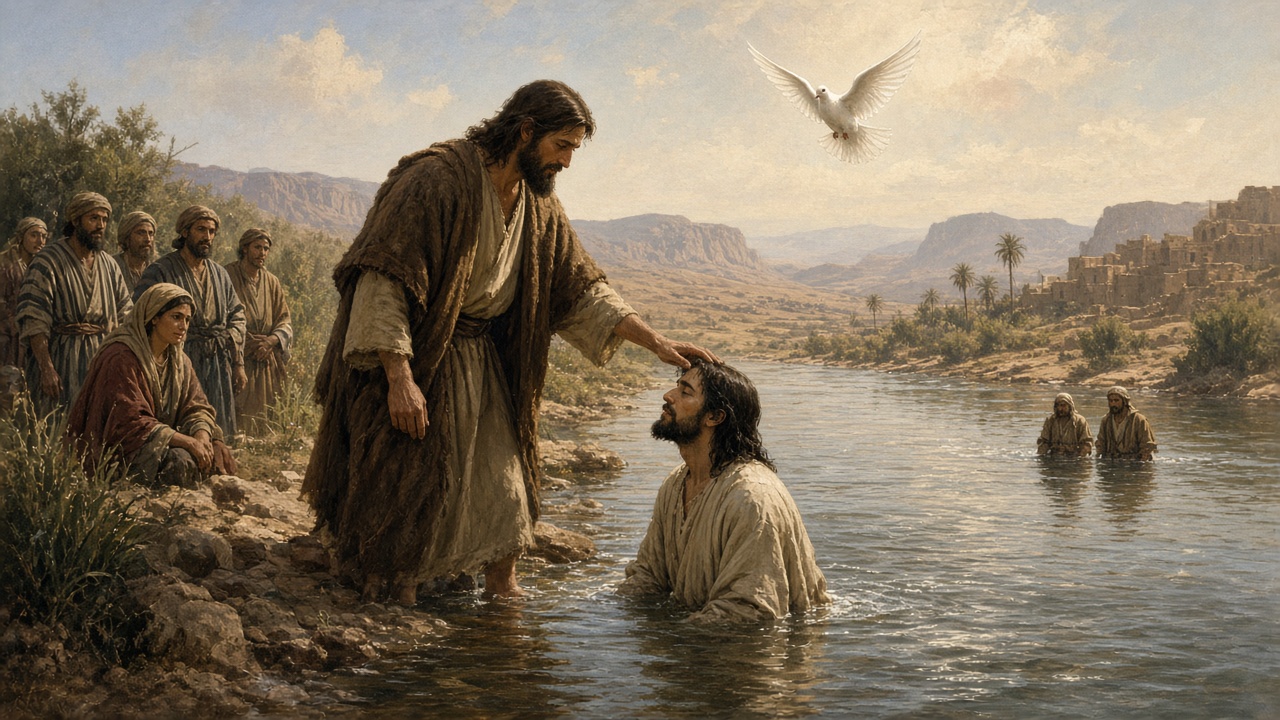
18Kɑ mɑɑ ɡɑri dɑbinu ɡɑnɑ Yohɑnu u tɔmbu lɑbɑɑri ɡeɑn wɑɑsu kuɑmmɛ. 19Adɑmɑ u Herodu wiruɡii wi ɡerusi Herodiɑ, win wɔnɔ Filipun kurɔn sɔ̃, kɑ dɑɑ kɔ̃sɑ kpuro ye u rɑɑ kuɑ. 20Mɑ Herodu u kpɑm dɑɑ kɔ̃sɑ ye sɔɔ dɑɑ kɔ̃sɑ sosi, u derɑ bɑ Yohɑnu pirisɔm doke.
Yesun bɑtɛmu
21Ye bɑ tɔmbu kpuro bɑtɛmu kuɑ, bɑ mɑɑ Yesu bɑtɛmu kuɑ. Sɑɑ yè sɔɔ u kɑnɑru mɔ̀ mɑ wɔllɑ wukiɑrɑ, 22mɑ Hunde Dɛɛro u sɑrɑmɑ win wɔllɔ kɑ wɑsi ɡɛɛ nɡe kpɑruko. Mɑ nɔɔ ɡɑɡɑ nɔɔrɑ sɑɑ wɔllun di ɡɑ nɛɛ, wunɑ nɛn bii kĩnɑsi, wì sɔɔ nɛn ɡɔ̃ru dobu kpuro wɑ̃ɑ.
Yesun sikɑdobɑ
23Yesu u wɔ̃ɔ tɛnɑn sɑkɑ turɑ u sere win sɔmburu toruɑ. Bɑ tɑmɑɑ u sɑ̃ɑwɑ Yosɛfun bii. Yosɛfun bɑɑbɑbɑ bɑ mɑɑ sɑ̃ɑ Heli 24kɑ Mɑtɑti kɑ Lefi kɑ Mɛliki kɑ Yɑnɑi kɑ Yosɛfu, 25kɑ Mɑtɑtiɑ kɑ Amɔsi, kɑ Nɑhumu kɑ Esili kɑ Nɑɡɑ, 26kɑ Mɑɑtu kɑ Mɑtɑtiɑ kɑ Semɛni kɑ Yosɛki kɑ Yodɑ, 27kɑ Yoɑnɑni kɑ Lesɑ kɑ Sorobɑbɛli kɑ Sɑlɑtiɛli kɑ Nɛri, 28kɑ Mɛliki kɑ Adi kɑ Kosɑmu kɑ Elimɑdɑmu kɑ Eri, 29kɑ Yosue kɑ Eliseri kɑ Yorimu kɑ Mɑtɑti kɑ Lefi, 30kɑ Simɛɔ kɑ Yudɑ kɑ Yosɛfu kɑ Yonɑmu kɑ Eliɑkimu, 31kɑ Mɛleɑ kɑ Mɛnɑ kɑ Mɑtɑtɑ kɑ Nɑtɑni kɑ Dɑfidi, 32kɑ Isɑi kɑ Yobɛdi kɑ Boɑsi kɑ Sɑlɑ kɑ Nɑsoni 33kɑ Aminɑdɑbu kɑ Adimi kɑ Arɑni kɑ Esiromu kɑ Fɑrɛsi kɑ Yudɑ, 34kɑ Yɑkɔbu kɑ Isɑki kɑ Aburɑhɑmu kɑ Terɑ kɑ Nɑkoru, 35kɑ Seruku kɑ Rɑɡɑ kɑ Fɑlɛki kɑ Ebɛɛ kɑ Sɑlɑ, 36kɑ Kɑinɑmu kɑ Aɑfɑsɑdi kɑ Sɛmu kɑ Nɔwɛ kɑ Lɑmɛki, 37kɑ Mɑtusɑlɑ kɑ Enɔku kɑ Yɑrɛdi kɑ Mɑleleli kɑ Kɑinɑni, 38kɑ Enɔsi kɑ Sɛti kɑ Adɑmu kɑ Gusunɔ.
Você sabia?
João Batista prepara o caminho
- Lucas situa a pregação de João no décimo quinto ano de Tibério César, enteado de Augusto, que o sucedeu em 14 d.C. e morreu em 37 d.C. O Dicionário Bíblico de Easton (1897) observa que João iniciou seu ministério público naquele ano e que Pôncio Pilatos, o sexto procurador romano da Judeia, de 26 a 36 d.C., manteve a sede em Cesareia num período que abrangeu os ministérios de João e de Jesus. Herodes Antipas, filho de Herodes, era então tetrarca da Galileia.Fontes: o próprio texto bíblico · Tiberius · Pontius Pilate · Herod Antipas
- O capítulo situa esses acontecimentos durante o sumo sacerdócio de Anás e de Caifás. O Dicionário Bíblico de Easton (1897) registra que Anás foi sumo sacerdote de 7 a 14 d.C. e foi deposto pelo procurador romano, e que Caifás, que havia se casado com a filha de Anás, foi elevado a esse cargo em 25 d.C. O mesmo verbete sugere que os judeus ainda podiam considerar Anás o sumo sacerdote legítimo, pois a lei de Moisés mantinha o cargo por toda a vida, e que ele provavelmente servia com Caifás como presidente do Sinédrio ou como adjunto do sumo sacerdote.Fontes: o próprio texto bíblico · Annas
- João, filho de Zacarias, era de linhagem sacerdotal: o pai era sacerdote da turma de Abias, e a mãe, Isabel, pertencia às filhas de Arão. O Dicionário Bíblico de Easton (1897) observa que a missão de João era objeto de profecia, inclusive a voz que clama no deserto em Isaías, e que seu nascimento ocorreu seis meses antes do de Jesus. Neste capítulo, ele prega um batismo de arrependimento em toda a região ao redor do Jordão, e o tetrarca Herodes depois o prende, após João o repreender por causa de Herodias.Fontes: o próprio texto bíblico · John the Baptist
Notas escritas com auxílio de IA a partir de fontes abertas (Theographic Bible Metadata, CC BY-SA 4.0; Easton’s Bible Dictionary, domínio público) e revisadas antes de publicar.
Lugares deste capítulo
- Abilene · 33.627, 36.106 · versículo 1
- Galilee · 32.760, 35.527 · versículos 1, 19
- Ituraea · 33.400, 35.850 · versículo 1
- Judea · Hoje: Judea 1 · 31.777, 35.234 · versículo 1
- Trachonitis · Hoje: Lajat · 32.969, 36.455 · versículo 1
- Jordan · Hoje: Jordan River · 31.761, 35.558 · versículo 3
Só aparecem lugares com identificação de alta confiança (90% ou mais segundo as fontes acadêmicas reunidas pelo OpenBible). Mapa da época: DARE (Digital Atlas of the Roman Empire), CC BY 4.0; mapa atual: © colaboradores do OpenStreetMap; lugares: OpenBible.info (CC BY 4.0).
Créditos e licença desta tradução
Bibeli Gusunɔn Gari
The Holy Bible in the Baatonum language of Benin, also called the Bariba language
copyright © 2013 SIM
Language: Bariba (Baatonum)
Translation by: SIM International
Bariba, Bibeli Gusunɔn Gari
This translation, published by the UEEB/SIM au Benin, was published in 1996.
If you are interested in obtaining a printed copy, please contact the SIM at SIM, BP 15, Parakou, Benin.
This translation text is made available to you under the
terms of the Creative Commons License: Attribution-Noncommercial-No Derivative Works.
( http://creativecommons.org/licenses/by-nc-nd/3.0/ )
In addition, you have permission to port the text to different file formats, as long as you
do not change any of the text or punctuation of the Bible.
You may share, copy, distribute, transmit, and extract portions
or quotations from this work, provided that you include the above copyright
information:
You must give Attribution to the work.
You do not sell this work for a profit.
You do not make any derivative works that change any of the actual words or punctuation of the Scriptures.
Permissions beyond the scope of this license may be
available if you contact
us with your request.
This translation is made available to you under the terms of the
Creative Commons Attribution-Noncommercial-No Derivatives license 4.0.
You may share and redistribute this Bible translation or extracts from it in any format, provided that:
You include the above copyright and source information.
You do not sell this work for a profit.
You do not change any of the words or punctuation of the Scriptures.
Pictures included with Scriptures and other documents on this site are licensed just for use with those Scriptures and documents.
For other uses, please contact the respective copyright owners.
2014-09-10
Fonte: http://ebible.org/bba/ · eBible.org