João 7
Bibeli Gusunɔn Gari · Toque num versículo para ver as referências cruzadas.
Yesun wɔnɔbu
bɑ ǹ nùn nɑɑnɛ doke
1Amɛn biru Yesu u sĩimɔ Gɑlilen tem sɔɔ. U ǹ kĩ u dɑ Yudeɑn tem ɡiɑ yèn sɔ̃ Yuubɑ bɑ swɑɑ kɑsu bu kɑ nùn ɡo. 2Mɑ Yuubɑn tɔ̃ɔ bɑkɑrɑ turuku koomɑ te bɑ rɑ soku Kunun tɔ̃ɔ bɑkɑru. 3Yen sɔ̃nɑ Yesun wɔnɔbu bɑ nùn sɔ̃ɔwɑ u doonɔ min di, u dɑ Yudeɑɔ, kpɑ win bwɑ̃ɑbu bu kɑ mɑɑ win sɔmburu wɑ te u mɔ̀. 4Domi ɡoo ku rɑ ɡɑ̃ɑnu ko ɑsiri sɔɔ sɑnɑm mɛ u kɑsu bu nùn ɡiɑ bɑtumɑ sɔɔ. Ù n yɑbu yen bweseru mɔ̀, u win tii hɑnduniɑ sɔ̃ɔsio.
5Bɑɑ win wɔnɔbun tii, bɑ ǹ nùn nɑɑnɛ doke. 6Yesu u bu sɔ̃ɔwɑ u nɛɛ, nɛn sɑɑ kun turim kpɑ, ɑdɑmɑ bɛɛn sɑɑ sɔɔrɑ i wɑ̃ɑ mi bɛɛ. 7Hɑnduniɑɡibɑ kun kpɛ̃ bu bɛɛ tusi, ɑdɑmɑ bɑ mɑn tusɑ nɛ, yèn sɔ̃ nɑ nɛɛ, ben kookoosu kun wɑ̃. 8Bɛɛ, i tɔ̃ɔ bɑkɑ te doo. Nɛ nɑ ǹ tu dɔɔ, domi nɛn sɑɑ kun turɑ ɡinɑ.
9Ye u bu yeni sɔ̃ɔwɑ u kpɑ, mɑ u sinɑ Gɑlile mi.
Yesu u tɔ̃ɔ bɑkɑru dɑ
10Adɑmɑ ye wi, Yesun wɔnɔ be, bɑ tɔ̃ɔ bɑkɑ te doonɑ, yerɑ win tii u mɑɑ seewɑ u dɑ mi, ɑsiri sɔɔ. 11Yuubɑ bɑ nùn kɑsu tɔ̃ɔ bɑkɑ te sɔɔ, bɑ bikiɑmɔ bɑ mɔ̀, mɑnɑ u wɑ̃ɑ.
12Dɑbirɑ tɔn wɔru ɡe sɔɔ, bɑ sikirinɑmɔ tɛɛru tɛɛru win sɔ̃. Gɑbu bɑ nɛɛ, wi tɔn ɡeowɑ. Mɑ ɡɑbɑ nɛɛ, u tɔmbu nɔni wɔ̃kumɔwɑ. 13Adɑmɑ ɡoo sɑri wi u Yesun ɡɑri ɡeruɑ bɑtumɑ sɔɔ Yuubɑn bɛrum sɔ̃.
14Sɑnɑm mɛ n kuɑ tɔ̃ɔ bɑkɑ ten bɔnu, Yesu u dɑ sɑ̃ɑ yerɔ mɑ u bu keu sɔ̃ɔsim wɔri. 15Mɑ biti Yuubɑ kuɑ. Bɑ bikiɑ bɑ nɛɛ, ɑmɔnɑ durɔ wi, u kɑ tireru yɛ̃, wi, wi u kun keu kue.
16Yesu u bu wisɑ u nɛɛ, nɛn sɔ̃ɔsirɑ kun sɑ̃ɑ nɛn tiiɡiru. Gusunɔɡirɑ, wi u mɑn ɡɔrimɑ. 17Goo ù n kĩ u Gusunɔn kĩru ko, u koo ɡiɑ nɡe mɛ nɛn sɔ̃ɔsirɑ sɑ̃ɑ, ǹ n Gusunɔɡirun nɑ, ǹ n mɑɑ nɛn tiiɡirun nɑ. 18Goo wi u ɡɑri ɡerumɔ kɑ win tiin yiiko, u win tiin bɛɛrɛ kɑsuwɑ. Adɑmɑ wi u bɛɛrɛ kɑsu ye yɑ sɑ̃ɑ wi u nùn ɡɔrimɑɡiɑ, siiwɑ ɡemɡii, tɑki sɑri wi sɔɔ. 19Mɔwisi kun bɛɛ woodɑ wɛ̃ ro? Kɑ mɛ, ɡoo sɑri bɛɛ sɔɔ wi u woodɑ ye mɛm nɔɔwɛ. Ǹ n mɛn nɑ, mbɑn sɔ̃nɑ i swɑɑ kɑsu i kɑ mɑn ɡo.
20Tɔn wɔru ɡɑ nùn wisɑ ɡɑ nɛɛ, wɛrɛkunu nu nun wɑ̃ɑsi. Wɑrɑ swɑɑ kɑsu u kɑ nun ɡo.
21Yesu u bu wisɑ u nɛɛ, sɔm mɑɑmɑɑkiɡii teeru tɔnɑwɑ nɑ kuɑ, mɑ bɛɛ kpuro i biti kuɑ. 22Adɑmɑ i bwisikuo. Bɑnɡo yɑ weewɑ sɑɑ sikɑdobɑn min di, n ǹ mɔ Mɔwisin min di, ɑdɑmɑ yèn sɔ̃ Mɔwisiwɑ u bɛɛ yen woodɑ wɛ̃, yen sɔ̃nɑ i rɑ bɑnɡo ko bɑɑ tɔ̃ɔ wɛ̃rɑruɡiru sɔɔ. 23Ǹ n mɛn nɑ, ì n bii bɑnɡo mɔ̀ tɔ̃ɔ wɛ̃rɑruɡiru sɔɔ kpɑ i ku kɑ Mɔwisin woodɑ sɑrɑ, mbɑ n kuɑ i kɑ mɑn mɔru mɔ̀ sɑnɑm mɛ nɑ tɔnun wɑsi kpuro bɛkiɑ tɔ̃ɔ wɛ̃rɑruɡii te sɔɔ. 24I ku mɑɑ ɡɑ̃ɑnu siri nɡe mɛ i kɑ nu wɑɑmɔ, ɑdɑmɑ i siri ɡeebu koowo.
Yesuwɑ Kirisi wi Gusunɔ
u ɡɔsɑ
25Sɑnɑm mɛ sɔɔrɑ Yerusɑlɛmuɡibu ɡɑbɑ bikiɑ bɑ nɛɛ, n ǹ wi bɑ kɑsu bu ɡo wiyɑ mi? 26N wee, u ɡɑri mɔ̀ bɑtumɑ sɔɔ, mɑ ɡoo kun ɡɛɛ ɡeruɑ. Nɡe tɔnwerobɑ tubɑwɑ mɑ wiyɑ Kirisi kɑ ɡem de? 27Wee bɛsɛ kpuro sɑ yɛ̃ mìn di durɔ wi, u yɑri. Adɑmɑ sɑnɑm mɛ Kirisi koo nɑ ɡoo kun ko n yɛ̃ mìn di u wee.
28Sɑnɑm mɛ Yesu u keu sɔ̃ɔsimɔ sɑ̃ɑ yerɔ mɑ u ɡbɑ̃rɑ u nɛɛ, bɛɛ i mɑn tubɑ. I mɑɑ yɛ̃ mìn di nɑ yɑrimɑ. Kɑ mɛ, nɑ ǹ nɛ kɑ nɛn tiin yiiko. Gemɡiiwɑ u mɑn ɡɔrimɑ, wi bɛɛ kun yɛ̃. 29Nɛ, nɑ nùn yɛ̃ domi sɑɑ win min diyɑ nɑ nɑ, wiyɑ mɑɑ mɑn ɡɔrimɑ.
30Yenin sɔ̃nɑ bɑ ɡɔ̃ru doke bu kɑ nùn mwɑ, ɑdɑmɑ ɡoo sɑri wi u nùn nɔmu sɔndi, domi win sɑɑ yɑ ǹ ɡinɑ turim kpɑ. 31Dɑbiru tɔn wɔru sɔɔ bɑ mɑɑ nùn nɑɑnɛ doke. Mɑ bɑ nɛɛ, sɑnɑm mɛ Kirisi koo nɑ, u koo sɔm mɑɑmɑɑkiɡinu ko n kere ni durɔ wini u kuɑ?
Bɑ sɑ̃ɑ yerun kɔ̃sobu
Yesu ɡɔriɑ bu nùn mwɑ
32Fɑlisibɑ bɑ nuɑ mɑ tɔn dɑbiru bɑ yɑbu yeni ɡerumɔ ɡbɛnum, yen sɔ̃nɑ be kɑ yɑ̃ku kowo tɔnwerobu bɑ sɑ̃ɑ yerun kɔ̃sobu ɡɔrɑ bu kɑ Yesu mwɑ. 33Mɑ Yesu u bu sɔ̃ɔwɑ u nɛɛ, sɑɑ fiikowɑ yɑ tie ye ko nɑ n kɑ bɛɛ wɑ̃ɑ. Yen biru kon doonɑ wi u mɑn ɡɔrimɑn mi. 34Bɛɛ i ko mɑn kɑsu ɑdɑmɑ i ǹ mɑn wɑsi. Mi ko nɑ n wɑ̃ɑ bɛɛ i ǹ kpɛ̃ i nɑ mi.
35Yuubɑ bɑ bikiɑnɑmɔ bɑ mɔ̀, mɑ ɡiɑrɑ durɔ wini u koo dɑ sɑ kun kɑ nùn wɑ. U koo dɑwɑ Yuubɑn mi be bɑ yɑrinɑ Gɛrɛkibɑn suunu sɔɔ, kpɑ u n Gɛrɛkibɑ keu sɔ̃ɔsimɔ? 36Mbɑ ɡɑri yinin bweserun tubusiɑnu yi u ɡeruɑ, sɑ ko be nùn kɑsu ɑdɑmɑ sɑ ǹ nùn wɑsi, mɑ mi u be wɑ̃ɑ, sɑ ǹ kpɛ̃ su dɑ mi.
Nim wɑ̃ɑruɡim
37Tɔ̃ɔ bɑkɑ ten tɔ̃ɔ dɑ̃ɑkiru terɑ tɑ bɛɛrɛ kerɑ. Tɔ̃ɔ te sɔɔrɑ Yesu u seewɑ u nɔɔɡiru suɑ wɔllɔ u nɛɛ, bɑɑwure wi nim nɔru ɡɑ ɡoomɔ u nɑ nɛn mi u nɔ. 38Nɡe mɛ bɑ yoruɑ Gusunɔn ɡɑri sɔɔ bɑ nɛɛ, bɑɑwure wi u mɑn nɑɑnɛ doke, wɑ̃ɑrun bwii yi ko n kokumɔwɑ sɑɑ yɛ̃ron nukurun di.
39Gusunɔn Hunden ɡɑriyɑ Yesu u kɑ yɑ̃ mi, wi be bɑ nùn nɑɑnɛ doke bɑ koo mwɑ. Domi bɑ ǹ ɡinɑ Hunde Dɛɛro wɛ̃ yèn sɔ̃ Yesu kun ɡinɑ wure win yiiko sɔɔ.
Tɔmbɑ sikirinɑ Yesun sɔ̃
40Gɑbu tɔn wɔru ɡe sɔɔ, be bɑ ɡɑri yi nuɑ bɑ nɛɛ, durɔ wini sɔmɔ wiyɑ kɑ ɡem.
41Mɑ ɡɑbɑ mɑɑ ɡeruɑ mɑ wiyɑ Kirisi wi.
Adɑmɑ ɡɑbɑ nɛɛ, mɑ ɡiɑn diyɑ! N ko n koorɑ Kirisi u yɑrimɑ sɑɑ Gɑlilen di? 42Gusunɔn ɡɑri yi ǹ ɡerumɔ mɑ Kirisi koo yɑrimɑwɑ sɑɑ Dɑfidin bweserun di? U ǹ koo nɑ sɑɑ Bɛtelehɛmu Dɑfidin wuun di?
43Win sɔ̃nɑ sikirinɔ ɡɑ duɑ tɔn wɔru ɡe sɔɔ. 44Gɑbu bɑ kĩ bu nùn mwɑ ɑdɑmɑ ɡoo kun nùn nɔmu sɔndi.
Yuubɑn tɔnwerobun
nɑɑnɛ doke sɑriru
45Mɑ sɑ̃ɑ yerun kɔ̃sobu bɑ ɡɔsirɑ yɑ̃ku kowo tɔnwerobu kɑ Fɑlisibɑn mi. Mɑ bɑ bu bikiɑ bɑ nɛɛ, mbɑ n kuɑ bɑ ǹ kɑ Yesu mwɑɑmɛ?
46Mɑ kɔ̃so be, bɑ bu wisɑ bɑ nɛɛ, ɡoo sɑri wi u ɡɑri ɡerure nɡe durɔ wi.
47Fɑlisibɑ bɑ bu bikiɑ bɑ nɛɛ, to, i derɑ durɔ wi, u mɑɑ bɛɛn tii nɔni wɔ̃kuɑ yɑ. 48I sere nɔɔre wiruɡii ɡoo ǹ kun mɛ bɛsɛ Fɑlisibɑn ɡoo u nùn nɑɑnɛ doke? 49I ǹ yɛ̃ mɑ tɔn wɔru ɡe, bɔ̃riɡibɑ? Bɑ ǹ Mɔwisin woodɑ yɛ̃.
50Nikodɛmu, Fɑlisi ben turo, wi u rɑɑ ɡɑsɔ dɑɑre Yesun mi wɔ̃kuru, u bu bikiɑ u nɛɛ, 51bɛsɛn woodɑ yɑ sun yɔllɑɑ kuɑ su tɔnu siri sɑ kun win ɡɑri nuɑ, kpɑ sɑ kun mɑɑ ɡie ye u kuɑ?
52Bɑ nùn bikiɑ bɑ nɛɛ, ɑse wunɛn tii ɑ mɑɑ sɑ̃ɑwɑ Gɑlileɡii? A wɛ̃ɛrio sɑ̃ɑ sɑ̃ɑ Gusunɔn ɡɑri sɔɔ, kɑɑ wɑ mɑ sɔmɔ ɡoo sɑri wi u koo yɑrimɑ sɑɑ Gɑlilen di.
[ 53Mɑ bɑɑwure u wɑ win yɛnuɔ.
Você sabia?
Jesus na Festa dos Tabernáculos
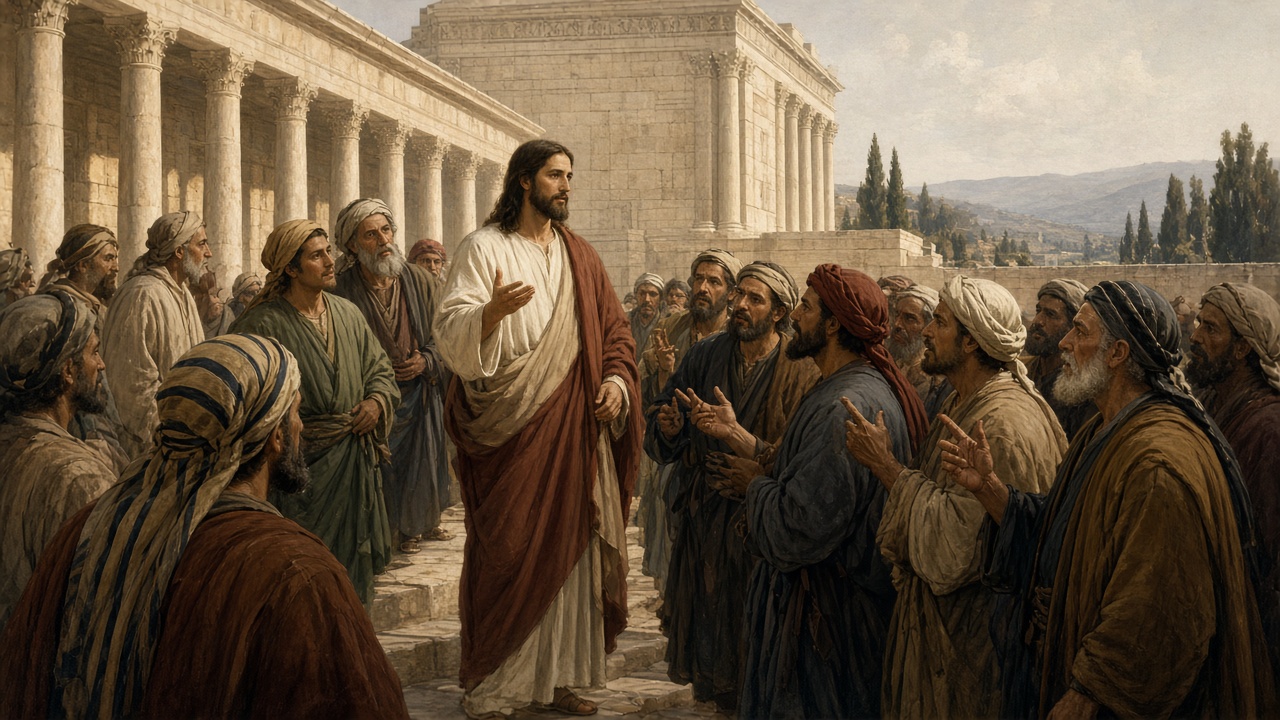
- Quando se aproximava a Festa judaica dos Tabernáculos, uma festa de sete dias, Jesus permaneceu na Galileia e evitou a Judeia, onde queriam matá-lo. Naquele tempo, a Judeia era a mais meridional das três divisões romanas da Palestina, distinta da Galileia e da Samaria; mais tarde ele subiu à festa em segredo e ensinou nos pátios do templo.Fontes: o próprio texto bíblico · Feast of Tabernacles · Judea
- A multidão estava dividida sobre o lugar de onde viria o Cristo. Alguns diziam que as Escrituras o colocam na linhagem de Davi e em Belém, a aldeia onde viveu Davi, oitavo e mais novo filho de Jessé; outros objetavam que ele não podia vir da Galileia, região há muito chamada Galileia dos gentios, e os fariseus insistiam que nenhum profeta vem de lá.Fontes: o próprio texto bíblico · David · Galilee
- Nicodemos, fariseu e membro do Sinédrio, já tinha ido a Jesus de noite. Quando os guardas enviados para prender Jesus voltaram sem ele, Nicodemos protestou e perguntou se a lei deles condenava um homem antes de ouvi-lo e de apurar o que ele tinha feito.Fontes: o próprio texto bíblico · Nicodemus
Notas escritas com auxílio de IA a partir de fontes abertas (Theographic Bible Metadata, CC BY-SA 4.0; Easton’s Bible Dictionary, domínio público) e revisadas antes de publicar.
Lugares deste capítulo
- Galilee · 32.760, 35.527 · versículos 1, 3, 9, 41, 52
- Judea · Hoje: Judea 1 · 31.777, 35.234 · versículos 1, 3
- Jerusalem · 31.777, 35.234 · versículo 25
- Bethlehem · 31.704, 35.208 · versículo 42
Só aparecem lugares com identificação de alta confiança (90% ou mais segundo as fontes acadêmicas reunidas pelo OpenBible). Mapa da época: DARE (Digital Atlas of the Roman Empire), CC BY 4.0; mapa atual: © colaboradores do OpenStreetMap; lugares: OpenBible.info (CC BY 4.0).
Créditos e licença desta tradução
Bibeli Gusunɔn Gari
The Holy Bible in the Baatonum language of Benin, also called the Bariba language
copyright © 2013 SIM
Language: Bariba (Baatonum)
Translation by: SIM International
Bariba, Bibeli Gusunɔn Gari
This translation, published by the UEEB/SIM au Benin, was published in 1996.
If you are interested in obtaining a printed copy, please contact the SIM at SIM, BP 15, Parakou, Benin.
This translation text is made available to you under the
terms of the Creative Commons License: Attribution-Noncommercial-No Derivative Works.
( http://creativecommons.org/licenses/by-nc-nd/3.0/ )
In addition, you have permission to port the text to different file formats, as long as you
do not change any of the text or punctuation of the Bible.
You may share, copy, distribute, transmit, and extract portions
or quotations from this work, provided that you include the above copyright
information:
You must give Attribution to the work.
You do not sell this work for a profit.
You do not make any derivative works that change any of the actual words or punctuation of the Scriptures.
Permissions beyond the scope of this license may be
available if you contact
us with your request.
This translation is made available to you under the terms of the
Creative Commons Attribution-Noncommercial-No Derivatives license 4.0.
You may share and redistribute this Bible translation or extracts from it in any format, provided that:
You include the above copyright and source information.
You do not sell this work for a profit.
You do not change any of the words or punctuation of the Scriptures.
Pictures included with Scriptures and other documents on this site are licensed just for use with those Scriptures and documents.
For other uses, please contact the respective copyright owners.
2014-09-10
Fonte: http://ebible.org/bba/ · eBible.org