João 12
Bibeli Gusunɔn Gari · Toque num versículo para ver as referências cruzadas.
Mɑɑri u Yesun nɑɑsu
turɑre wisi
1Ye n tie sɔ̃ɔ nɔɔbɑ tiɑ tɔ̃ɔ bɑkɑru tu sere turi te bɑ rɑ soku Gɔɔ sɑrɑribu, yerɑ Yesu u dɑ Betɑniɔ mi Lɑsɑɑ u wɑ̃ɑ wi u seeyɑ ɡɔrin di. 2Miyɑ bɑ nùn yɑɑ dibu kuɑ mɑ Mɑɑtɑ u bu nɔɔrimɔ, ɑdɑmɑ Lɑsɑɑ u sɔ̃ kɑ Yesu sɔbun suunu sɔɔ. 3Wee, Mɑɑri u turɑre ɡobi bɛkɛɡiɑ mɔ litirin bɔnu, ye bɑ kuɑ kɑ nɑɑdin ɡum tii tii, mɑ u ye suɑ u Yesun nɑɑsu wisi, mɑ u su sunkɑ kɑ win seri. Yerɑ dii te kpuro tɑ turɑren nuburu yibɑ. 4Yesun bɔ̃ɔ turo, wi bɑ rɑ nɛɛ Yudɑsi Isikɑriɔtu, wi u koo yɑ̃ku kowo tɔnwerobu kɑ Fɑlisibɑ nùn nɔmu sɔndiɑ, u bikiɑ u nɛɛ, 5mbɑ n kuɑ bɑ ǹ kɑ turɑre ye dɔre sɔm kowon wɔ̃ɔ tiɑn kɔsiɑrun sɑkɑ, kpɑ bu sɑ̃ɑrobu bɔnu kuɑ.
6U ǹ yeni ɡerumɔ sɑ̃ɑrobun wɔnwɔndun sɔ̃, ɑdɑmɑ yèn sɔ̃ u sɑ̃ɑwɑ ɡbɛnɔ. Wiyɑ u rɑ n mɑɑ ɡobin bɔɔru nɛni, kpɑ u n yi ɡbɛnimɔ. 7Adɑmɑ Yesu u nɛɛ, ɑ kurɔ wi derio. U yeni beruɑwɑ u kɑ nɛn ɡɔɔ sikuru mɑrɑ. 8Bɑɑdommɑwɑ sɑ̃ɑrobu bɑ wɑ̃ɑ bɛɛn suunu sɔɔ ɑdɑmɑ nɛnɑ nɑ ǹ ko nɑ n wɑ̃ɑ kɑ bɛɛ bɑɑdommɑ.
Bɑ wesiɑnɑmɔ bu kɑ Lɑsɑɑ ɡo
9Yuubɑ dɑbirɑ tɑ nuɑ mɑ Yesu u wɑ̃ɑ Betɑniɔ mɑ bɑ dɑ mi, n ǹ mɔ bu kɑ Yesu wɑ tɔnɑ, ɑdɑmɑ bu mɑɑ kɑ Lɑsɑɑ wɑwɑ wi Yesu u seeyɑ ɡɔrin di. 10Yerɑ yɑ̃ku kowo tɔnwerobɑ wesiɑnɑ bu mɑɑ Lɑsɑɑ ɡo. 11Domi win sɔ̃nɑ Yuubɑ dɑbirɑ yɑrimɔ ben min di bɑ Yesu nɑɑnɛ dokemɔ.
Yesu u Yerusɑlɛmu duɑ
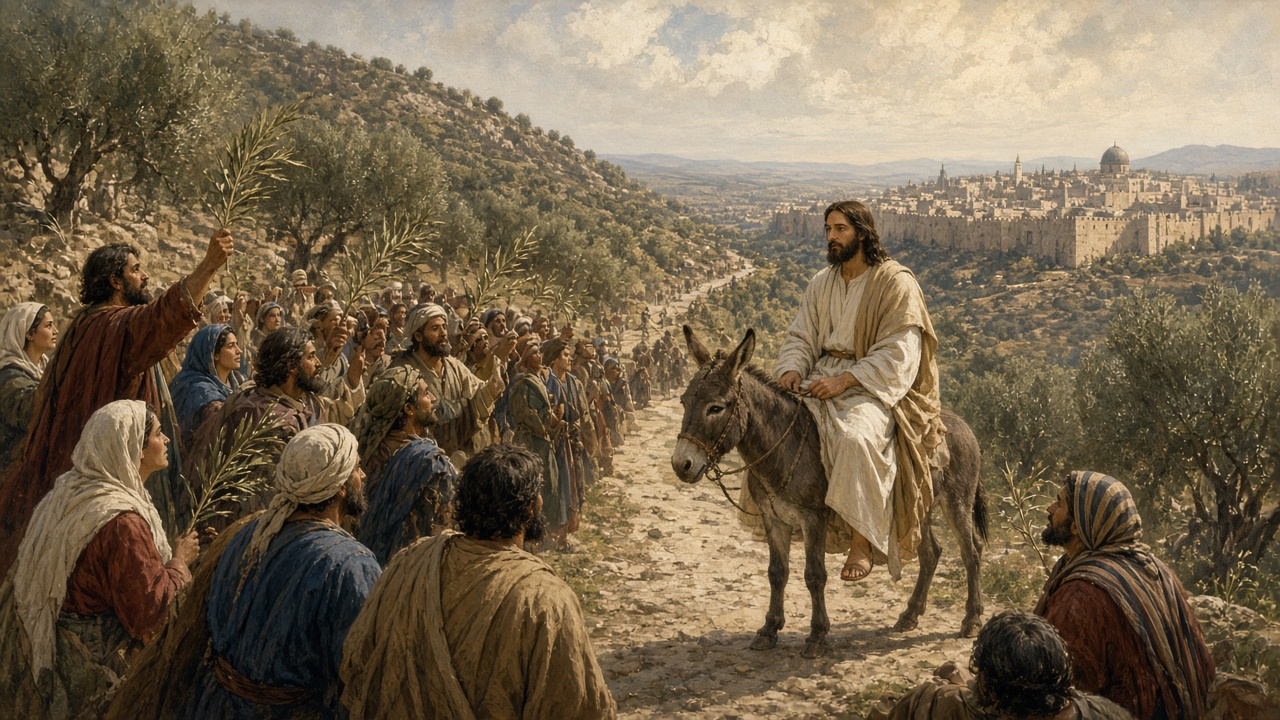
12Yen sisiru tɔn wɔru ɡe ɡɑ tɔ̃ɔ bɑkɑru dɑ ɡɑ nuɑ mɑ Yesu u sisi Yerusɑlɛmuɔ. 13Mɑ bɑ bɑ̃ɑ kɑko bekusu suɑ bɑ kɑ nùn sennɔ dɑ. Bɑ ɡbɑ̃sukumɔ bɑ mɔ̀, sɑ Gusunɔ siɑrɑ! Domɑruɡiiwɑ wi u sisi kɑ Gusunɔn yĩsiru! Domɑruɡiiwɑ Isirelibɑn sunɔ!
14Mɑ Yesu u kɛtɛku kpɛmbu ɡɑɡu wɑ u sɔni nɡe mɛ bɑ yoruɑ Gusunɔn ɡɑri sɔɔ bɑ nɛɛ,
15“I ku bɛrum ko, Yerusɑlɛmuɡibu.
N wee bɛɛn sunɔ u sisi.
U kɛtɛku kpɛmbu sɔni.”
16Yɑbu yeni yɑ ǹ win bwɑ̃ɑbu yeeri sɑɑ ye sɔɔ, ɑdɑmɑ ye Yesu u wurɑ win yiiko sɔɔ Gusunɔ wɔllɔ, sɑɑ ye sɔɔrɑ bɑ yɑɑyɑ mɑ bɑ yeni kpuro yoruɑ Gusunɔn ɡɑri sɔɔ win sɔ̃, bɑ mɑɑ nùn ye kpuro kuɑ.
17Tɔn dɑbiru te tɑ rɑɑ wɑ̃ɑ kɑ Yesu sɑnnu sɑnɑm mɛ u Lɑsɑɑ sokɑ u yɑrɑ sikirun di, ye u nùn seeyɑ ɡɔrin di, tɑ rɑ n yen ɑreru dimɔ. 18Mɑ tɔn wɔru ɡe, ɡɑ nùn sennɔ dɑ yèn sɔ̃ bɑ nuɑ mɑ u sɔm mɑɑmɑɑkiɡii te kuɑ. 19Yen sɔ̃nɑ Fɑlisibɑ bɑ ɡerunɑ bɑ nɛɛ, i ǹ wɑ mɑ sɑ nùn kpɑnɑwɑ mɑm mɑm. Domi wee hɑnduniɑ kpuro yɑ nùn swĩi.
Gɛrɛki ɡɑbɑ Yesu kɑsu
20Gɛrɛki ɡɑbɑ wɑ̃ɑ be sɔɔ be bɑ sɑ̃ɑru dɑ Yerusɑlɛmuɔ tɔ̃ɔ bɑkɑrun sɑnɑm. 21Bɑ dɑ Filipun mi, Gɑlilen Bɛsɑidɑɡii, mɑ bɑ nɛɛ, tɔnwero, sɑ kĩ su Yesu wɑ.
22Filipu u dɑ u Andere sɔ̃ɔwɑ, mɑ Andere kɑ Filipu bɑ dɑ bɑ Yesu sɔ̃ɔwɑ. 23Yesu u bu sɔ̃ɔwɑ u nɛɛ, sɑɑ yɑ turɑ ye bɑ koo kɑ Tɔnu Bii wɔlle suɑ. 24Kɑ ɡeemɑ nɑ bɛɛ sɔ̃ɔmɔ, dĩɑ bimɑ yɑ̀ kun wɔrumɛ tem sɔɔ yɑ ɡu, yɑ wɑ̃ɑwɑ ye tiɑ. Adɑmɑ yɑ̀ n ɡu, yɑ koo bii dɑbinu mɑ. 25Bɑɑwure wi u win wɑ̃ɑru dimɔ kɑ win tiin ɡɔ̃ru kĩru u koo tu biɑ. Bɑɑwure wi u kun mɑɑ win wɑ̃ɑru ɡɑrisi ɡɑ̃ɑnu hɑnduniɑ yeni sɔɔ, u tu beruɑwɑ wɑ̃ɑru te tɑ ku rɑ kpen sɔ̃. 26Goo ù n nɛn wɑ̃ɑru wɑ̃ɑ, yɛ̃ro u mɑn swĩiyɔ. Mi nɑ wɑ̃ɑ kpɑ u n mɑɑ wɑ̃ɑ mi. Goo ù n nɛn wɑ̃ɑru wɑ̃ɑ, nɛn Bɑɑbɑ koo yɛ̃ro bɛɛrɛ wɛ̃.
Yesu u win ɡɔɔn ɡɑri ɡerumɔ
27Yesu mɑɑ nɛɛ, tɛ̃ nɛn ɡɔ̃ru ɡɑ sɑnkirɑ too too. Nɑ ǹ yɛ̃ ye kon ɡere. Nɡe kon nɛn Bɑɑbɑ kɑnɑwɑ u mɑn wɔrɑ ye yɑ mɑn deemɑ mini sɔɔn di? Aɑwo, domi yenin sɔ̃nɑ nɑ nɑ. 28Bɑɑbɑ, ɑ wunɛn yĩsiru wɔlle suo.
Yerɑ nɔɔ ɡɑɡu ɡɑ ɡeruɑ sɑɑ wɔllun di ɡɑ nɛɛ, nɑ tu wɔlle suɑ kɔ, kon mɑɑ wure n tu wɔlle suɑ nɔn mɛɛruse.
29Tɔn wɔru ɡe ɡɑ wɑ̃ɑ mi, bɑ nɔɔ ɡe nuɑ mɑ bɑ nɛɛ, ɡurɑ yɑ kukurɑ.
Mɑ ɡɑbɑ nɛɛ, wɔllun ɡɔrɑdowɑ kɑ nùn ɡɑri kuɑ.
30Adɑmɑ Yesu u bu sɔ̃ɔwɑ u nɛɛ, n ǹ mɔ nɛn sɔ̃nɑ i nɔɔ ɡe nuɑ, bɛɛn sɔ̃nɑ. 31Tɛ̃ ɡerɑ hɑnduniɑ yenin siribu tunumɑ. Tɛ̃ ɡerɑ bɑ koo hɑnduniɑ yen wiruɡii ɡirɑ. 32Sɑnɑm mɛ bɑ koo mɑn suɑ tem di bu bwɛ̃, sɑnɑm mɛyɑ kon tɔmbu kpuro tii ɡɑwe.
33U yeni ɡeruɑwɑ u kɑ sɔ̃ɔsi ɡɔɔ wìn bweseru u koo ɡbi. 34Tɔn wɔru ɡe, ɡɑ nùn sɔ̃ɔwɑ ɡɑ nɛɛ, sɑ nuɑ bɛsɛn woodɑn tireru sɔɔ mɑ Kirisi u ko n wɑ̃ɑwɑ sere kɑ bɑɑdommɑɔ. Amɔnɑ ɑ kɑ ɡerumɔ mɑ bɑ ǹ koo ko bɑ kun Tɔnun Bii sue tem di. Wɑrɑ Tɔnu Bii wi.
35Yesu u bu wisɑ u nɛɛ, sɑɑ fiiko sɔɔrɑ yɑm bururɑm mu wɑ̃ɑ bɛɛn suunu sɔɔ. I n sĩimɔ sɑɑ ye i yɑm bururɑm mɔ kpɑ yɑm mu ku rɑɑ bɛɛ tĩre. Domi wi u sĩimɔ yɑm wɔ̃kuru sɔɔ u ku rɑ n yɛ̃ mi u dɔɔ. 36Yen sɔ̃, i yɑm bururɑm mɛ nɑɑnɛ dokeo sɑɑ ye i mɛ mɔ kpɑ i kɑ ko yɑm bururɑm bibu.
Yuubɑ bɑ ǹ Yesu nɑɑnɛ doke
Ye Yesu u yeni ɡeruɑ u kpɑ, u doonɑ ben suunu sɔɔn di, u kukuɑ. 37Bɑɑ ye u kɑ mɑɑmɑɑki dɑbinu kuɑ ben wuswɑɑɔ, kɑ mɛ, bɑ ǹ nùn nɑɑnɛ doke. 38Kpɑ ɡɑri yi Gusunɔn sɔmɔ Esɑi u ɡeruɑ yi kɑ koorɑ, yi u nɛɛ,
“Yinni wɑrɑ u nɑɑnɛ doke ye sɑ nɔɔsiɑ.
Wɑrɑ Yinni Gusunɔ u win dɑm sɔ̃ɔsi.”
39Yenin sɔ̃nɑ bɑ ǹ kpĩɑ bɑ nɑɑnɛ doke domi Gusunɔn sɔmɔ Esɑi u kpɑm ɡeruɑ u nɛɛ,
40“Gusunɔ u bu kuɑ wɔ̃kobu
mɑ u ben bwisi kɑwɑ.
Kpɑ bu ku rɑɑ kɑ ben nɔni yɑm wɑ.
Kpɑ bu ku ɡiɑ kɑ ben bwisi.
Bu ku rɑɑ ɡɔ̃ru ɡɔsiɑ, kpɑ n bu bɛkiɑ.”
41Yeniwɑ Esɑi u ɡeruɑ yèn sɔ̃ u Kirisin yiiko wɑ mɑ u win ɡɑri ɡeruɑ.
42Kɑ mɛ, Yuubɑn tɔnwero dɑbiru bɑ Yesu nɑɑnɛ doke, ɑdɑmɑ Fɑlisibɑn sɔ̃ bɑ ǹ wure bɑtumɑ sɔɔ bu ku rɑɑ kɑ bu ɡire mɛnnɔ yerun din sɔ̃. 43Domi bɑ tɔnun siɑrɑbu kĩ n kere Gusunɔn siɑrɑbu.
Yesun ɡɑri yi koo tɔmbu tɑɑrɛ wɛ̃
44Mɑ Yesu u ɡbɑ̃rɑ u nɛɛ, bɑɑwure wi u mɑn nɑɑnɛ doke, n ǹ mɔ nɛnɑ u nɑɑnɛ doke, wi u mɑn ɡɔrimɑwɑ u nɑɑnɛ doke. 45Wi u mɑn wɑɑmɔ u wi u mɑn ɡɔrimɑ wɑɑmɔwɑ mi. 46Nɛ nɑ nɑ hɑnduniɑɔ nɡe yɑm bururɑm, kpɑ bɑɑwure wi u mɑn nɑɑnɛ doke u kun kɑ wɑ̃ɑ yɑm wɔ̃kuru sɔɔ. 47Bɑɑwure wi u nɛn ɡɑri nɔɔmɔ, mɑ u kun yi wure, n ǹ mɔ nɛnɑ kon yɛ̃ro tɑɑrɛ wɛ̃. Nɑ nɑwɑ n kɑ hɑnduniɑ fɑɑbɑ ko, n ǹ mɔ n kɑ hɑnduniɑ tɑɑrɛ wɛ̃. 48Bɑɑwure wi u mɑn yinɑ, mɑ u ǹ nɛn ɡɑri wure, yɛ̃ro u mɔ ye n koo nùn tɑɑrɛ wɛ̃. Gɑri yi nɑ ɡeruɑ yiyɑ yi koo yɛ̃ro tɑɑrɛ wɛ̃ sɑnɑm dɑ̃ɑkim sɔɔ. 49Domi nɑ ǹ ɡɑri ɡeruɑ kɑ nɛn tiin yiiko, ɑdɑmɑ Bɑɑbɑ wi u mɑn ɡɔrimɑ, wiyɑ u mɑn woodɑ wɛ̃ ye kon ɡere kɑ ye kon sɔ̃ɔsi. 50Nɑ yɛ̃ mɑ win woodɑn kɔkɔrɔwɑ wɑ̃ɑru te tɑ ku rɑ kpe, yen sɔ̃nɑ ye nɑ ɡerumɔ, nɑ ye ɡerumɔwɑ nɡe mɛ Bɑɑbɑ u mɑn sɔ̃ɔwɑ.
Você sabia?
A unção em Betânia e a entrada em Jerusalém
- Betânia, onde Jesus chegou seis dias antes da Páscoa, ficava a cerca de duas milhas a leste de Jerusalém, na encosta sudeste do monte das Oliveiras, à beira da estrada para Jericó, e recebeu o nome das palmeiras que cresciam ali. Era o lar de Lázaro, a quem Jesus havia ressuscitado dos mortos depois de quatro dias no túmulo, e de suas irmãs Marta e Maria; os principais sacerdotes planejaram matar Lázaro também, porque por causa dele muita gente estava crendo em Jesus.Fontes: o próprio texto bíblico · Bethany · Lazarus
- Num jantar em que Marta servia e Lázaro se reclinava à mesa, Maria ungiu os pés de Jesus com cerca de uma pinta de perfume caro feito de nardo puro e os enxugou com os cabelos, de modo que a casa ficou cheia da fragrância. Judas Iscariotes, filho de Simão, cujo sobrenome significa um homem de Kerioth, perguntou por que o perfume não foi vendido por trezentos denários para os pobres; ele era ladrão e, como responsável pela bolsa, costumava tirar do que era colocado nela, e ia trair Jesus.Fontes: o próprio texto bíblico · Judas Iscariot · Simon
- No dia seguinte, a grande multidão que viera para a festa tomou ramos de palmeira e saiu ao encontro de Jesus, que vinha para Jerusalém sentado num jumentinho, gritando louvor ao Rei de Israel, como está escrito a respeito da Filha de Sião. Sião era o monte sudeste de Jerusalém, onde Davi construiu uma cidadela e um palácio depois de tomá-lo, de modo que se tornou a cidade de Davi. A princípio seus discípulos não entenderam essas coisas, mas, depois que Jesus foi glorificado, lembraram-se de que elas também tinham sido escritas a respeito dele.Fontes: o próprio texto bíblico · Zion
Notas escritas com auxílio de IA a partir de fontes abertas (Theographic Bible Metadata, CC BY-SA 4.0; Easton’s Bible Dictionary, domínio público) e revisadas antes de publicar.
Lugares deste capítulo
- Jerusalem · 31.777, 35.234 · versículos 11, 12, 20
- Zion · Hoje: Jerusalem · 31.777, 35.234 · versículo 15
- Galilee · 32.760, 35.527 · versículo 21
Só aparecem lugares com identificação de alta confiança (90% ou mais segundo as fontes acadêmicas reunidas pelo OpenBible). Mapa da época: DARE (Digital Atlas of the Roman Empire), CC BY 4.0; mapa atual: © colaboradores do OpenStreetMap; lugares: OpenBible.info (CC BY 4.0).
Créditos e licença desta tradução
Bibeli Gusunɔn Gari
The Holy Bible in the Baatonum language of Benin, also called the Bariba language
copyright © 2013 SIM
Language: Bariba (Baatonum)
Translation by: SIM International
Bariba, Bibeli Gusunɔn Gari
This translation, published by the UEEB/SIM au Benin, was published in 1996.
If you are interested in obtaining a printed copy, please contact the SIM at SIM, BP 15, Parakou, Benin.
This translation text is made available to you under the
terms of the Creative Commons License: Attribution-Noncommercial-No Derivative Works.
( http://creativecommons.org/licenses/by-nc-nd/3.0/ )
In addition, you have permission to port the text to different file formats, as long as you
do not change any of the text or punctuation of the Bible.
You may share, copy, distribute, transmit, and extract portions
or quotations from this work, provided that you include the above copyright
information:
You must give Attribution to the work.
You do not sell this work for a profit.
You do not make any derivative works that change any of the actual words or punctuation of the Scriptures.
Permissions beyond the scope of this license may be
available if you contact
us with your request.
This translation is made available to you under the terms of the
Creative Commons Attribution-Noncommercial-No Derivatives license 4.0.
You may share and redistribute this Bible translation or extracts from it in any format, provided that:
You include the above copyright and source information.
You do not sell this work for a profit.
You do not change any of the words or punctuation of the Scriptures.
Pictures included with Scriptures and other documents on this site are licensed just for use with those Scriptures and documents.
For other uses, please contact the respective copyright owners.
2014-09-10
Fonte: http://ebible.org/bba/ · eBible.org