Jeremias 7
Bibeli Gusunɔn Gari · Toque num versículo para ver as referências cruzadas.
Yeremi u wɑɑsu mɔ̀
Yinni Gusunɔn sɑ̃ɑ yerɔ
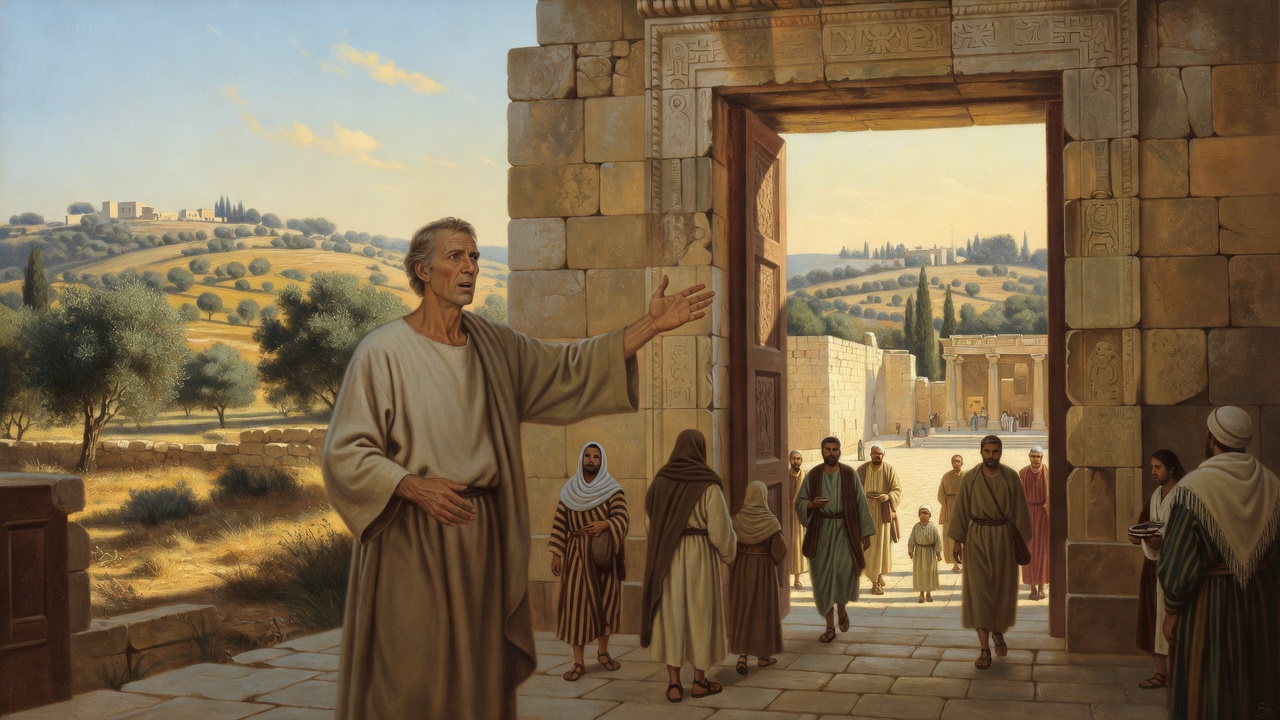
1Yinni Gusunɔ u Yeremi sɔ̃ɔwɑ u nɛɛ, 2ɑ doo ɑ yɔ̃rɑ nɛn sɑ̃ɑ yerun kɔnnɔwɔ ɑ nɛɛ, yeniwɑ nɛ, Yinni Gusunɔ nɑ ɡeruɑ. Nɑ nɛɛ, be Yudɑbɑ, be, be bɑ rɑ ɡesi du sɑɑ kɔnnɔ minin di bu kɑ mɑn sɑ̃, bu swɑɑ dɑkio bu nɔ. 3Nɛ, Gusunɔ Isirelibɑn Yinni, nɛ wi nɑ wɔllu kɑ tem mɔ, nɑ ɡeruɑ nɑ nɛɛ, bu ben sɑnu sɑnusu kɑ ben dɑɑ kɔsio. Sɑɑ yerɑ kon de bɑ n wɑ̃ɑ tem mɛ sɔɔ. 4Bu ku ben nɑɑnɛ doke dii teni sɔɔ bɑ n mɔ̀, nɛ, Yinni Gusunɔn sɑ̃ɑ yerɑ mi! 5Bɑ̀ n ben sɑnu sɑnusu kɑ ben dɑɑ kɔsɑ, mɑ bɑ ɡeɑ kuɑnɑmmɛ, 6mɑ bɑ kun sɔbu kɑ ɡɔminibu kɑ ɡobekubɑ dɑm dɔremɔ, mɑ bɑ kun mɑɑ tɔnu wi u kun ɡɑ̃ɑnu kuen yɛm yɑrimɔ, mɑ bɑ kun bũnu sɑ̃ɑmɔ ni nu koo de bu kɑm ko, 7sɑɑ yerɑ kon de bɑ n wɑ̃ɑ tem mɛ sɔɔ mɛ nɑ ben bɑɑbɑbɑ wɛ̃, bɑ n mɔ sere kɑ bɑɑdommɑɔ.
8Adɑmɑ wee ɡɑri weesuɡiiyɑ bɑ nɑɑnɛ sɑ̃ɑ yi yi ǹ ɑrufɑɑni ɡɑɑ mɔ. 9Bɑ rɑ n ɡbɛnimɔ, bɑ rɑ n tɔmbu ɡoomɔ, bɑ rɑ n sɑkɑrɑru mɔ̀, kpɑ bɑ n nɔɔ mwɛɛ weesuɡinu mɔ̀, kpɑ bɑ n bũu wi bɑ mɔ̀ Bɑɑli turɑre dɔ̃ɔ dokeɑmmɛ, kpɑ bɑ n mɑɑ bũu sɑ̃ɑru mɔ̀ te bɑ ku rɑ rɑɑ ko. 10Kɔ̃si yiniwɑ bɑ rɑ n mɔ̀, kpɑ bu sere nɑ bu yɔ̃rɑ dii tèn mi bɑ rɑ mɑn sɑ̃ bɑ n mɔ̀, sɑ yɑkiɑrɑ yibɛrɛbɑn nɔmɑn di. 11Bɑ tɑmɑɑ dii tèn mi bɑ rɑ mɑn sɑ̃ tɑ sɑ̃ɑwɑ ɡbɛnɔbun wɑ̃ɑ yeru? Domi mɛsumɑ nɑ wɑɑmɔ.
12Ǹ n mɛn nɑ, bu doo Siloɔ bu yɑm mi nɑ rɑɑ ɡɔsɑ bu kɑ mɑn sɑ̃ mɛɛri. Kpɑ bu wɑ nɡe mɛ nɑ mu kuɑ nɛn tɔmbu Isirelibɑn dɑɑ kɔ̃sɑn sɔ̃. 13Tɛ̃, yèn sɔ̃ bɑ kookoo sinin bweseru kuɑ, mɑ nɑ bu ɡerusi kpeetim sɑri ɑdɑmɑ bɑ ǹ mɑn swɑɑ dɑki, nɑ bu sokɑ mɑ bɑ ǹ mɑn wurɑri, 14yen sɔ̃nɑ kon nɛn sɑ̃ɑ yee tè sɔɔ bɑ ben nɑɑnɛ doke kɑ tem mɛ nɑ be kɑ ben bɑɑbɑbɑ wɛ̃ kɑm koosiɑ nɡe mɛ nɑ Silo kuɑ. 15Kon bu ɡirɑ bu tondɑ nɛn wuswɑɑn di nɡe mɛ nɑ ben mɛro bisibu Isirelibɑ ɡirɑ.
Gusunɔ u Yeremin
kɑnɑru yinɑ Yudɑbɑn sɔ̃
16Wunɛ Yeremi, ɑ ku mɑn suuru kɑnɑ Yudɑbɑn sɔ̃. A ku bu kɑnɑru ɡɑru kuɑ. Domi nɑ ǹ nun swɑɑ dɑkimɔ. 17A ǹ wɑɑmɔwɑ ye bɑ mɔ̀ Yudɑbɑn wuu mɑrosɔ kɑ sere Yerusɑlɛmun swɛɛ sɔɔ? 18Bibu bɑ dɑ̃ɑ ɡurɑmɔ bũu yɑ̃kunun sɔ̃. Mɑ ben bɑɑbɑbɑ bɑ kɑ ye dɔ̃ɔ sɔ̃rumɔ bũu sɑ̃ɑ yenɔ. Tɔn kurɔbɑ pɛ̃ɛ som burimɔ bu kɑ kirɑnu ko ni bɑ koo kɑ bũu wi bɑ mɔ̀ Asitɑɑte kɑ sere mɑɑ bũnu ɡɑnu sɑ̃, kpɑ bu kɑ mɑn torɑri. 19Adɑmɑ kɑ ɡem, n ǹ nɛ bɑ torɑrimɔ, beyɑ bɑ tii sekuru dokemɔ.
20Yen sɔ̃nɑ nɑ nɛɛ, kon de nɛn mɔru yu wɔri nɛn sɑ̃ɑ yee te sɔɔ, kɑ tɔmbu sɔɔ, kɑ yɑɑ sɑbenu sɔɔ, kɑ dɑ̃ɑɔ kɑ sere mɑɑ dĩɑnu sɔɔ. Nɛn mɔru ye, yɑ ko n ɡbisimɔwɑ, yɑ ǹ suremɔ.
Yudɑbɑn mɛm nɔɔbu sɑriru
21Wee ye nɛ, Gusunɔ Isirelibɑn Yinni, nɛ wi nɑ wɔllu kɑ tem mɔ nɑ ɡeruɑ nɑ nɛɛ, i rɑ yɑ̃kunu ko ńn sukum i rɑ di, kɑ yɑ̃ku dɔ̃ɔ mwɑɑrɑruɡinu, ɑdɑmɑ n burɑm bo i ni kpuro mɛnnɑ i bɛɛyɑm di. 22Domi nɑ ǹ bɛɛn bɑɑbɑbɑ yɑ̃kuru ɡɑru yiire dɔmɑ te nɑ bu yɑrɑ sɑɑ Eɡibitin di. 23Ye nɑ bu yiire yerɑ, bu nɛn ɡɑri nɔɔwɔ, kpɑ nɑ n sɑ̃ɑ ben Yinni, kpɑ be, bɑ n mɑɑ sɑ̃ɑ nɛn tɔmbu. Bu nɛn woodɑ kpuro swĩiyɔ ye nɑ bu wɛ̃, kpɑ ben wɑ̃ɑru tu wɛ̃rɑ. 24Adɑmɑ bɑ ǹ swɑɑ tem kpĩ bu nɛn ɡɑri nɔ. Ben tiin ɡɔ̃ru kĩrɑ bɑ swĩi, mɑ ben dɑɑ kɔ̃sɑ yɑ sosi. 25Sɑɑ dɔmɑ tèn di bɛɛn bɑɑbɑbɑ bɑ yɑrɑ Eɡibitin di sere n kɑ ɡisɔ ɡirɑri, nɑ rɑ n bɛɛ nɛn sɔmɔbu ɡɔriɑmmɛwɑ sɑɑ bɑɑyere. 26Adɑmɑ i swɑɑ tɑɑyɑ i ǹ mɑn swɑɑ dɑki. Mɑ i kɔ̃sɑ kuɑ n kere ye bɛɛn bɑɑbɑbɑ bɑ kuɑ.
27Wunɛ Yeremi, ɑ̀ n yenibɑ kpuro ɡeruɑ, bɑ ǹ nun swɑɑ dɑkimɔ. À n mɑɑ bu sokɑ, bɑ ǹ nun wurɑrimɔ. 28Kɑ mɛ, ɑ bu sɔ̃ɔwɔ ɑ nɛɛ, bɑ sɑ̃ɑwɑ bwese te tɑ ku rɑ Gusunɔ ten Yinnin ɡɑri nɔ. Torɑ tee teyɑ bɑ rɑ n mɔ̀ bɑɑ ù n bu sɛɛyɑsiɑ. Gem ku rɑ n mɑɑ wɑ̃ɑ ben nɔsɔ.
Durum ye Yudɑbɑ bɑ kuɑ
Bɛni Hinɔmun wɔwɑɔ
29Yinni Gusunɔ u nɛɛ,
Yudɑbɑ bu ben seri buro bu kɔ̃
yi yi sɔ̃ɔsimɔ mɑ bɑ sɑ̃ɑ nɛɡibu.
Bu yɔɔwo ɡuuru wɔllɔ,
kpɑ bu ɡɔɔ swĩ.
Wee bɑ nɛn mɔru seeyɑ,
mɑ nɑ bu biru kisi.
30Domi be, Yudɑbɑ bɑ kɔ̃sɑ kuɑ nɛn nɔni sɔɔ. Bɑ kɑ bũnu duɑ diru mi bɑ rɑ mɑn sɑ̃, bɑ tu disi doke. 31Mɑ bɑ bũu turɑnu bɑnɑ Tofɛtiɔ, Bɛni Hinɔmun wɔwɑɔ bu kɑ ben bibu yɑ̃ku dɔ̃ɔ mwɑɑrɑruɡinu ko mi, yɑ̃ku nìn bweseru nɑ ǹ mɑm ɡɔ̃ru doke n bu sɔ̃ bu ko.
32Yen sɔ̃nɑ tɔ̃nu ɡɑnu sisi nì sɔɔ bɑ ǹ mɑɑ wɔwɑ ye sokumɔ Tofɛti ǹ kun mɛ Bɛni Hinɔmu. Bɑ koo ye sokuwɑ tɔn ɡoo yeru. Miyɑ bɑ koo tɔmbu sike yèn sɔ̃ ɑyeru mɑɑ sɑri ɡɑm. 33Gunɔsu kɑ yɛɛ yi koo tɔn ɡonu di. Goo sɑri wi u koo yi yinɑri. 34Kon de Yerusɑlɛmu kɑ Yudɑbɑn wusu su mɑri sɔ̃ɔ sɔ̃ɔ, bɑ ǹ mɑɑ nuku dobun kuuki mɔ̀ wuu si sɔɔ. Mɛyɑ bɑ ǹ mɑɑ kurɔ kpɑɑrun womusu nɔɔmɔ mi. Domi tem mɛ, mu koo kowɑ bɑnsu.
Você sabia?
O Sermão do Templo e a Falsa Segurança
- O povo de Judá acreditava que a presença do templo em Jerusalém garantia proteção divina incondicional. Jeremias rebateu essa presunção apontando para Siló, um santuário anterior no território de Efraim que Deus havia abandonado por causa da maldade do povo.Fontes: o próprio texto bíblico · Shiloh · Ephraim
- O capítulo retrata a idolatria como uma atividade que envolvia toda a família nas ruas de Jerusalém, onde os filhos juntavam lenha, os pais acendiam o fogo e as mulheres amassavam a farinha para deuses estrangeiros, além de queimarem incenso a Baal.Fontes: o próprio texto bíblico · Baal · Jerusalem
- Jeremias condenou veementemente os sacrifícios infantis em Tofete, no vale de Hinom, anunciando que aquele local de rituais passaria a ser chamado de Vale da Matança por causa do juízo que se aproximava.Fontes: o próprio texto bíblico · Topheth · Valley of the Son of Hinnom · Valley of Slaughter
Notas escritas com auxílio de IA a partir de fontes abertas (Theographic Bible Metadata, CC BY-SA 4.0; Easton’s Bible Dictionary, domínio público) e revisadas antes de publicar.
Lugares deste capítulo
- Shiloh · Hoje: Khirbet Seilun · 32.056, 35.290 · versículos 12, 14
- Jerusalem · 31.777, 35.234 · versículos 17, 29, 34
- Egypt · 30.129, 31.308 · versículos 22, 25
- Topheth · Hoje: in the Hinnom Valley · 31.769, 35.228 · versículos 31, 32
- Valley of Hinnom · Hoje: Hinnom Valley · 31.769, 35.228 · versículos 31, 32
Só aparecem lugares com identificação de alta confiança (90% ou mais segundo as fontes acadêmicas reunidas pelo OpenBible). Mapa da época: DARE (Digital Atlas of the Roman Empire), CC BY 4.0; mapa atual: © colaboradores do OpenStreetMap; lugares: OpenBible.info (CC BY 4.0).
Créditos e licença desta tradução
Bibeli Gusunɔn Gari
The Holy Bible in the Baatonum language of Benin, also called the Bariba language
copyright © 2013 SIM
Language: Bariba (Baatonum)
Translation by: SIM International
Bariba, Bibeli Gusunɔn Gari
This translation, published by the UEEB/SIM au Benin, was published in 1996.
If you are interested in obtaining a printed copy, please contact the SIM at SIM, BP 15, Parakou, Benin.
This translation text is made available to you under the
terms of the Creative Commons License: Attribution-Noncommercial-No Derivative Works.
( http://creativecommons.org/licenses/by-nc-nd/3.0/ )
In addition, you have permission to port the text to different file formats, as long as you
do not change any of the text or punctuation of the Bible.
You may share, copy, distribute, transmit, and extract portions
or quotations from this work, provided that you include the above copyright
information:
You must give Attribution to the work.
You do not sell this work for a profit.
You do not make any derivative works that change any of the actual words or punctuation of the Scriptures.
Permissions beyond the scope of this license may be
available if you contact
us with your request.
This translation is made available to you under the terms of the
Creative Commons Attribution-Noncommercial-No Derivatives license 4.0.
You may share and redistribute this Bible translation or extracts from it in any format, provided that:
You include the above copyright and source information.
You do not sell this work for a profit.
You do not change any of the words or punctuation of the Scriptures.
Pictures included with Scriptures and other documents on this site are licensed just for use with those Scriptures and documents.
For other uses, please contact the respective copyright owners.
2014-09-10
Fonte: http://ebible.org/bba/ · eBible.org